
Руководство по прессу с канифолью: как сделать концентраты без растворителей в домашних условиях

David Martinez
Concentrate Expert
Руководство по прессу с канифолью: как сделать концентраты без растворителей в домашних условиях
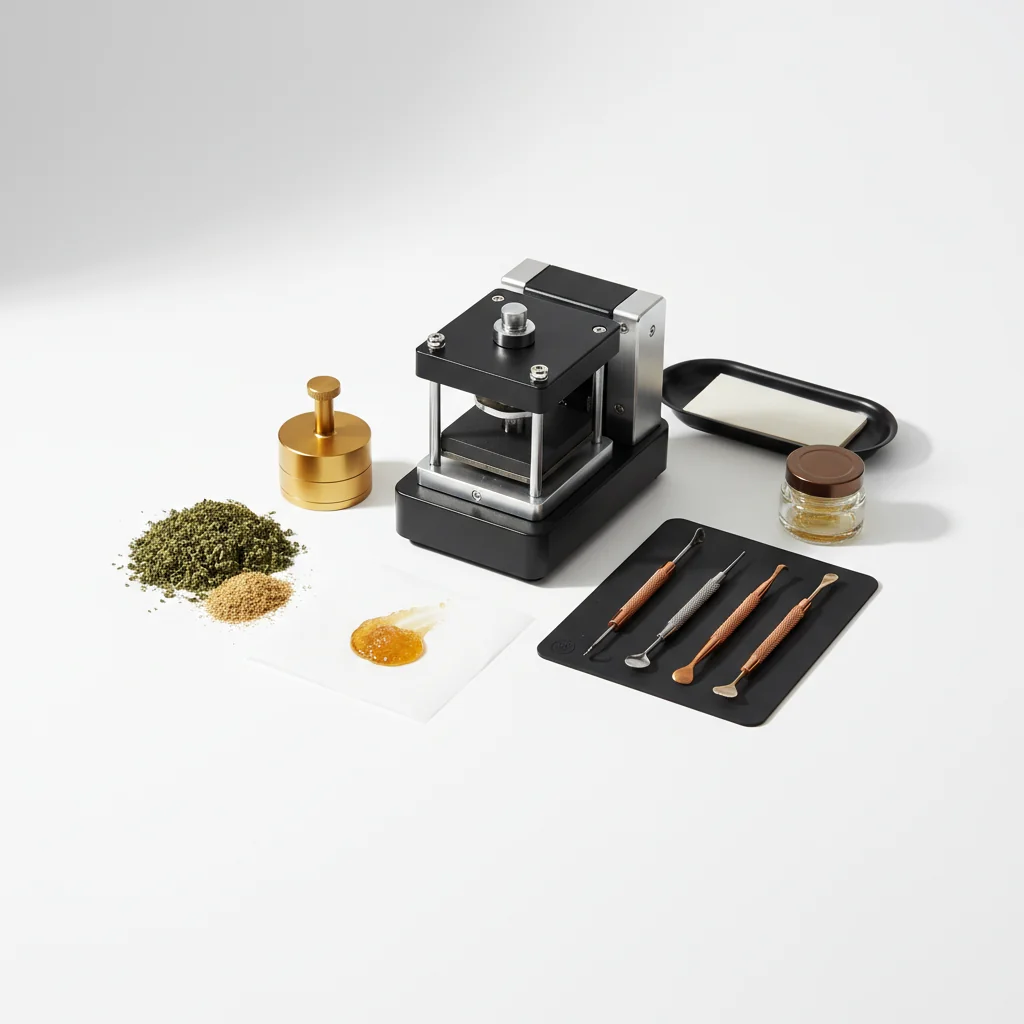
Розин является одной из самых чистых форм концентрата конопли, изготовленной без растворителей, только жара и давления. В отличие от экстрактов BHO или CO2, которые требуют профессионального оборудования и потенциально опасных химических веществ, канифоль можно безопасно производить в домашних условиях с помощью пресса канифоли. В этом руководстве рассматривается все, что вам нужно знать о прессовании канифоли, от выбора оборудования до совершенствования вашей техники.
Быстрый ответ
Розин представляет собой концентрат каннабиса без растворителя, который производится путем подачи тепла и давления на цветок каннабиса, гашиш или киф. В прессе с канифолью используются нагретые пластины, чтобы выдавить богатое трихомами масло, производя чистый, богатый терпенами экстракт. Настройки температуры 180-220°F (82-104°C) лучше всего подходят для цветка, 90-120 секунд времени прессы. Качественная урожайность канифоли составляет от 15 до 25% в зависимости от исходного материала.
оглавление
- Что такое канифоль?
- Типы прессов канифоли
- Выбор прессы
- Основы прессования с канифолью
- Настройки температуры и давления
- Лучший исходный материал
- Пошаговое нажатие
- Максимальное урожайность
- Советы за
- часто задаваемые вопросы
Что такое канифоль?
Розин представляет собой концентрат каннабиса без растворителя, создаваемый путем извлечения тепла и давления. В отличие от BHO (масляно-бутановое гашишное масло) или CO2, канифоль не требует химических растворителей, что делает его одним из самых чистых доступных концентратов.
Почему канифоль особенная
Чистый и чистый: остаточные растворители никогда не содержались. Что входит в себя, выходит.
полный спектр: Сохраняет терпены и незначительные каннабиноиды при давлении при соответствующей температуре.
DIY-дружественный: В отличие от других концентратов, канифоль можно смело вырабатывать в домашних условиях.
немедленное использование: Продувка или постобработка не требуется — нажмите и DAB.
канифоль против других концентратов
Виды канифоли
цветочная смола: прессовано непосредственно из бутонов конопли. Наиболее доступно для пресс-конференций.
рагу из муфты: прессовано из пузырькового хеша или сухого просеивания. Более качественные, более чистые результаты.
Живой канифоль: прессован из свежезамороженного хэша. Премиум продукт, максимальная терпены.
Типы прессов канифоли
Метод выпрямления волос
подход новичка:
- Используйте высококачественное утюжок
- Ручное давление
- Очень маленькие урожаи
- Хорошо для тестирования концепции
ограничения: несогласованная температура, ограниченное давление, малые урожайность
Ручные/ручные прессы
Специальные прессы начального уровня:
- Рычаг или механизм поворота для давления
- Лучший контроль температуры, чем выпрямители для волос
- Доступно (200-500$)
- более стабильные результаты
лучше для: Повседневное домашнее использование, небольшие партии
Пневматические прессы
Среднего класса профессионального качества:
- давление воздуха
- Постоянная, регулируемая сила
- Более тихая работа
- 500-2000 долларов
лучше для: Серьезные любители, мелкие коммерческие
Гидравлические прессы
Премиум извлечение:
- Максимальное давление
- Результаты профессионального уровня
- $1000-5000+
- Возможны конверсии пресс-магазина
лучше для: большой объем, профессиональный использование
Соображения по размеру пластины
Выбор прессы
соображения бюджета
Начальный уровень (200-400$):
- Подходит для личного использования
- 2-3 тонны давления
- Меньшие тарелки
- ручная работа
Средний диапазон (400-1000$):
- Улучшенный контроль температуры
- 4-10 тонн давления
- Возможны пневматические опции
- более стабильные результаты
Премиум ($1000+):
- профессиональное качество
- Варианты максимального давления
- Цифровые элементы управления
- Большая емкость
Основные функции, на которые стоит обратить внимание
1. ровный нагрев: обе пластины должны нагреваться равномерно
2. контроль температуры: Цифровой дисплей, точные датчики
3. емкость: Минимум 4 тонны для цветочного прессования
4. Материал плиты: пищевый алюминий или нержавеющая сталь
5. качество сборки: Прочная рама, надежные компоненты
Популярные пресс-бренды
- гашать
- альпинист
- шулер
- чистое давление
- снежный
Основы прессования с канифолью
наука
Розин работает путем нагревания материала каннабиса до тех пор, пока трихомы (содержащие каннабиноиды и терпены) станут достаточно жидкими, чтобы вытекать под давлением. Цель состоит в том, чтобы:
- растопить трихом
- Выдавите масло через растительный материал
- Собираем на пергаментной бумаге
Что влияет на качество
исходный материал: мусор в, мусор на участке. Качественный цветок или хэш производит качественную смолу.
температура: более высокая температура = больше урожая, но меньше вкуса. Более низкая температура = меньшая доходность, но больше терпенов.
давление: Постоянное, равномерное давление без выдувных мешков и дробления растительного материала.
время: Слишком короткая оставляет масло позади, слишком долго ухудшается качество.
Настройки температуры и давления
Рекомендации по температур
Низкий и медленный (160-190°F / 71-88°C):
- Максимальное сохранение терпенов
- Более низкая доходность (10-15%)
- Светлый цвет, по бутону
- Подходит для: Премиум хеш-розиня
Средняя (190-220°F / 88-104°C):
- Сбалансированный вкус и урожайность
- Умеренная урожайность (15-22%)
- Хорошее удержание терпенов
- Лучше всего для: Большинство цветочных прессовок
горячий и быстрый (220-250°F / 104-121°C):
- Максимальная доходность (20-25%+)
- Больше деградированных терпенов
- темный цвет, более устойчивый
- Подходит для: старого материала, максимальной добычи
Рекомендации по
цветок: 500-1500 фунтов на квадратный дюйм в сумке
хэш/киф: 300-800 фунтов на квадратный дюйм (меньше, чем больше)
пузырь пузырей: очень мягкое давление
Рекомендации по времени
Лучший исходный материал
Требования к цветку
Что искать:
- Свежий, правильно выдерживается (влажность 62%)
- Видимые трихомы
- Плотные, смолистые почки
- Без плесени и загрязнения
Идеальные характеристики:
- Собраны на пике спелости
- 2-4 недели вылечиваются
- Хранится правильно
- Штаммы с высоким содержанием смолы
Лучшие штаммы для канифоли(высокая смола):
- клей гориллы
- папайя
- Хим разновидности
- Розин-специфические сорта
Требования к хэшам
пузырь пузырей:
- Полный расплав (5-6 звезд) дает наилучшие результаты
- 73-120 мкм обычно лучше
- Правильно высушены и вылечены
- свободный от загрязнения
сухая проба:
- Только высокое качество
- Минимальное загрязнение растений
- правильно состаренный
Влагосодержание имеет значение
слишком сухой: Плохой расход, низкая урожайность, светлый цвет
слишком мокрый: шипение, загрязненное масло, темный цвет
как раз то: ~55-62% относительной, чисто, течет, хорошие урожайность
Средство для сухого увлажнения с помощью пакета влажности в течение 24-48 часов перед прессованием.
Пошаговое нажатие
необходимое оборудование
- канифоль
- Пергаментная бумага (неотбеленная, пищевая)
- Розиновые мешки (по желанию, но рекомендуется для цветка)
- Инструмент для сбора
- Препресс-форма (по желанию)
- хронометр
- перчатки
Прессование цветка канифоль
Шаг 1: Подготовка материала
- Начните с 3-7 г правильно вылеченного цветка
- Разбейте на меньшие нагсы (не перемалывайте)
- Загрузите в мешок с канифолью (90-120 микрон для цветка)
- Предварительно вдавите в плоскую шайбу, если вы используете пресс-форм
Шаг 2: Настройте нажмите
- Нарезать пергамент по размеру (больше, чем тарелки)
- Сложите пергамент, поместите мешок в центр
- Установить температуру (начинайте с 200°F)
- Дайте пластинам стабилизировать
Шаг 3: нажмите
- Поместите пергамент/мешок между тарелками
- Примените легкое давление изначально (30-45 секунд прогрева)
- Постепенно увеличивайте давление до полного
- Следите за поступлением масла к краям
- Общее время печати: 90-120 секунд
Шаг 4: Соберите
- Немедленно снимите пергамент
- Дайте немного остыть (30 секунд)
- Используйте инструмент сбора, чтобы собрать канифоль
- Хранить на свежем пергаменте в прохладном месте
Пресс-форма хэша
Ключевые различия:
- Используйте мешки 25-37 микрон
- Более низкая температура (160-190°F)
- гораздо меньше давления
- Короче время печати
- Более ценный материал — будьте осторожны!
Максимальное урожайность
Советы по предварительному печатанию
- Влажность имеет решающее значение: 55-62% относительной для цветка
- Препресс-формы: Создавайте единые шайбы для равномерного извлечения
- Выбор мешка: Соотнесите размер микрона с материалом
- Стабилизация температуры: ждать постоянного тепла
во время прессования
- постепенное давление: Не разбивайте — медленно увеличивайте
- Смотреть поток: Остановка, когда поток значительно замедляется
- плашкоу: Материал центров на пластинах
- стабильные партии: Одинаковый размер/вес для предсказуемости
после прессы
- Собирать быстро: Теплая канифоль проще собирает
- относительно - пресс-материал: "Второе нажатие" при более высокой температуре восстанавливает некоторое количество масла
- Правильное хран: прохладно, темно, герметично
Ожидаемая урожайность
цветочная смола: 15-25% доходность хорошая
рагу из муфты: 60-85% дохода от хэша качества
киф канифоль: 40-60% обычная
Выходы сильно зависят от качества исходного материала
Советы за
1. Свежий, смолистый материалважнее, чем качество прессы
2. Более низкая температура = больше терпенов, даже если падение урожая
3. Препресс-формызначительно улучшить согласованность
4. Бутылочный техник(направленная складка) Улучшает структуру потока
5. Дайте пластинам стабилизировать5-10 минут до нажатия
6. Пакеты влажностиМожет экономить слишком сухой материал
7. вести учеттемпа/время/урожайность каждого штамма
8. Второй нажим при +20°Fвосстанавливает дополнительное масло
9. Холодная смолаВ запечатанной банке для улучшения текстуры
10.Качественные сумки того стоят— Дешевые сумки выдуваются
часто задаваемые вопросы
Сколько канифоли я могу сделать из унции цветка?
С качественным материалом и хорошей техникой ожидайте 4-7 граммов цветочной канифоли из унции (выход 14-25%). Хеш-розина дает гораздо более высокие проценты из меньшего количества материала.
Нужны ли мне мешки с канифолью?
Для цветочного прессования да — мешки отфильтровывают растительный материал. Для хэширования мешки необходимы. Можно прессовать без мешков, но канифоль содержит загрязнение растений.
Какая температура лучше для канифоли?
Для большинства цветков: 190-210°F (88-99°C) баланс между урожайностью и качеством. Хэш следует прессовать в кулер при температуре 160-190°F. Поэкспериментируйте, чтобы найти свои предпочтения.
Почему у меня смола темная?
Темная канифоль может быть результатом: высокой температуры, старого/разложенного материала, слишком большого давления или влаги. Более низкие температуры и более свежий материал дают более легкую канифоль.
Можно ли курить канифоль, как обычный воск?
Да! Канифоль потребляется, как и другие концентраты.вымученный на буровой, используется в испарителе или добавлен в цветок. Он готов к использованию сразу после нажатия.
Стоит ли пробовать пресс для выпрямления волос?
В качестве доказательства концепции да. Для регулярного использования нет. Выпрямители для волос не имеют контроля давления и постоянных температур. Правильное прессование — это достойное вложение для обычных пресс-секретарей.
Как долго держится канифоль?
Правильно хранить (прохладно, темно, герметично), канифоль держится 6-12 месяцев. Он может со временем менять текстуру (находя при бубле или становиться более стабильной), но остается пригодным для использования.
Почему ничего не выходит?
Распространенные причины: материал слишком сухой, температура слишком низкая, недостаточно давления, низкого качества исходного материала или мешков слишком тугие. Настройте переменные по одной.
заключение
Пресс-бизнес каннабиса — один из самых полезных способов создания концентраций каннабиса в домашних условиях. Без растворителей и относительно простого оборудования вы можете производить чистые, мощные, богатые терпенами концентраты, которые конкурируют с коммерческими продуктами.
Успех приходит из качественного исходного материала, надлежащих настроек температуры и давления, а также внимания к деталям. Начните с хорошего цветка, наберите свою технику и ведите учет того, что работает. С практикой вы будете прессовать канифоль амбициозного качества в своем собственном доме.
Чтобы узнать больше о концентратах, ознакомьтесь с нашимиТипы концентрата коноплиили узнать оКак принять мазокЧтобы насладиться свежим прессованным канифолом.
Frequently Asked Questions
С качественным материалом и техникой ожидайте 4-7 граммов цветочной канифоли из унции (выход 14-25%). Хеш-розина дает гораздо более высокие проценты.
Для цветочного прессования да — мешки отфильтровывают растительный материал. Для хэша необходимы мешки. Пресс-без мешков приводит к загрязнению растений.
Для цветка: 190-210°F (88-99°C) баланс урожайности и качества. Хэш следует прессовать в кулер при температуре 160-190°F.
Темная канифоль возникает в результате высоких температур, старого материала, слишком большого давления или проблем с влажностью. Более низкие температуры и более свежий материал дают более легкую канифоль.
В качестве доказательства концепции да. Для регулярного использования правильный пресс с контролируемой температурой и давлением является стоящим вложением.
Related Guides
Bubble Hash: How to Make Ice Water Hash at Home
Complete guide to making bubble hash at home: equipment needed, choosing starting material, the full extraction process, grading hash quality, proper drying, and how to use bubble hash.
Carb Cap Types: Directional, Bubble, and Spinner Caps
Comprehensive guide about carb cap types: directional, bubble, and spinner caps. Learn everything you need to know with expert tips and detailed instructions.

Carb Caps Explained: Types, Uses, and Why You Need One
Complete guide to carb caps for dabbing. Learn how carb caps work, different types (directional, bubble, spinner), and why they're essential for low-temp dabs.