
Руководство по терпенам с терпеливыми конопли: что это такое и почему они важны

Sarah Green
Cannabis Educator
Руководство по терпенам с терпеливыми конопли: что это такое и почему они важны
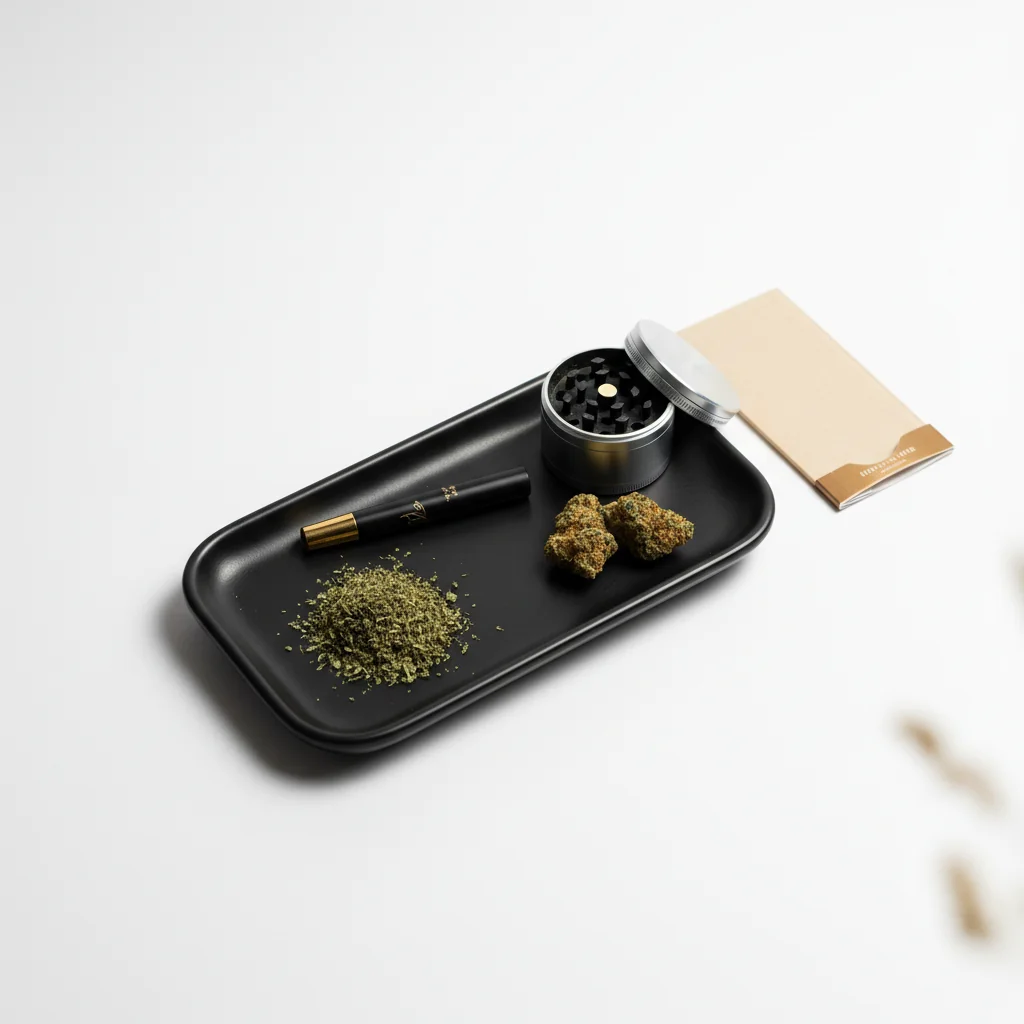
Если вы когда-нибудь замечали, что некоторые сорта каннабиса пахнут цитрусовыми, а другие пахнут соснами или дизелями, вы испытали терпены. Эти ароматические соединения делают гораздо больше, чем создают приятные ароматы — они влияют на то, как каннабис заставляет вас чувствовать себя, и могут объяснить, почему разные штаммы вызывают разные эффекты.
Понимание терпенов — это ключ к выходу за рамки базовых процентов ТГК и поиске каннабиса, который действительно работает для вас.
Быстрый ответ
Терпены — это ароматические соединения, содержащиеся в каннабисе и многих других растениях, которые создают характерные запахи и ароматы. Что еще более важно, они взаимодействуют с каннабиноидами, чтобы повлиять на ваш кайф — явление, называемое «эффектом окружения». Обычные терпены включают мирцен (земля, седативный), лимонен (цитрусовые, поднимающие), пинен (сосновый, настороженный) и линалоол (цветочный, успокаивающий). Знание ваших любимых терпенов поможет вам выбрать штаммы, соответствующие желаемым эффектам.
оглавление
- Что такое терпены?
- эффект окружения
- Основной терпены из конопли
- Терпены против ТГК: что важнее?
- Как использовать информацию о терпенах
- Сохранение терпенов
- Советы за
- часто задаваемые вопросы
Что такое терпены?
Терпены – это органические соединения, производимые растениями, в том числе каннабисом. Они отвечают за характерные ароматы многих растений — аромат лаванды, цитрусовый, свежесть сосны.
Не только каннабис
Терпены существуют по всей природе:
- лимонен: лимоны, апельсины
- хвойный: сосновые иголки, розмарин
- линалол: лаванда
- мирцен: манго, хмель
- кариофиллен: черный перец, гвоздика
Когда вы чувствуете запах этих растений, вы испытываете те же терпены, что и в конопе.
Почему растения производят терпены
В природе терпены служат растениями:
- Привлечение опылителей
- отпугивание вредителей
- Защита от воздействия окружающей среды
- Борьба с бактериями и грибками
терпены в конопля
Конопля производит более 200 различных терпенов, хотя большинство штаммов содержат лишь горстку в значительных количествах. Конкретная комбинация создает уникальный ароматический профиль каждого штамма и, возможно, его отличительные эффекты.
эффект окружения
«Эффект антуража» описывает, как соединения каннабиса работают вместе синергически, при этом терпены усиливают или модифицируют эффекты каннабиноидов.
Как это работает
а не действовать независимо:
- терпены могут усиливать поглощение ТГК
- Некоторые терпены взаимодействуют с теми же рецепторами, что и каннабиноиды
- Комбинации создают эффекты, отличные от изолированных соединений
научные доказательства
Исследования предполагают:
- мирценМожет увеличить седативные эффекты THC
- лимоненМожет повысить настроение и уменьшить беспокойство
- хвойныйМожет противодействовать ухудшению памяти, вызванной ТГК
- линалолМожет усиливать успокаивающие свойства
Почему важен полный спектр
Вот почему многие пользователи предпочитают продукты каннабиса полного спектра изолятам. Полный профиль терпенов работает с каннабиноидами, чтобы создать полный опыт.
Основной терпены из конопли
мирцен
профиль:
- аромат: Земляной, мускусный, травяной, гвоздичный
- Также найдено в: Манго, хмель, тимьян, лимонная грасс
- изобилие: Самый распространенный терпен в конопе
эффект:
- Расслабляющий, седативный
- Может усиливать эффекты ТГК
- Связано с ощущением «диван-блокировки»
- потенциально расслабляющая мышцы
Штаммы в мирцене: OG Kush, Blue Dream, дедушка фиолетовый
лимонен
профиль:
- аромат: цитрус, лимон, апельсин
- Также найдено в: цитрусовые фрукты, можжевельник
- изобилие: Второй по распространенности терпен
эффект:
- поднимает настроение, заряжает энергией
- Может поднять настроение
- потенциально уменьшает стресс и беспокойство
- Возможно антибактериальный
Штаммы с высоким содержанием лимонена: Супер лимонная дымка, Дурбанский яд, свадебный торт
хвойный
профиль:
- аромат: сосна, лес, древесный
- Также найдено в: хвоя, розмарин, базилик
- изобилие: Обычный у многих штаммов
эффект:
- бдительный, целенаправленный
- Может противодействовать ухудшению памяти ТГК
- потенциально противовоспалительные
- Бронхолипат (открывается дыхательные пути)
Штаммы с высоким содержанием пинена: Джек Герер, Синий сон, Сноп-сон
кариофиллен
профиль:
- аромат: пряный, перечный, древесный
- Также найдено в: черный перец, гвоздика, корица
- уникальная особенность: Единственный терпен, который связывается с рецепторами CB2
эффект:
- потенциально противовоспалительные
- Может уменьшить беспокойство
- гастропротекторный
- Уникальные каннабиноидные свойства
Штаммы с высоким содержанием кариофилена: GSC, оригинальный клей, Bubba Kush
линалол
профиль:
- аромат: цветочный, лаванда, сладкая
- Также найдено в: лаванда, кориандр, берестяная кора
- изобилие: Менее распространенные, но значительные
эффект:
- успокаивающий, расслабляющий
- Может уменьшить беспокойство
- потенциально седативный
- Возможно противовоспалительное
Штаммы с высоким содержанием линалола: Лаванда, До-Си-Дос, Зкиттлз
гумулен
профиль:
- аромат: Земляной, древесный, хмелевой
- Также найдено в: хмель, кориандр, базилик
- изобилие: Общий компаньон к кариофиллену
эффект:
- Потенциально подавляющий аппетит (необычно для каннабиса)
- против - воспалительные свойства
- антибактериальный потенциал
Штаммы с высоким содержанием гумулена: Белая вдова, повязка на голову, кислое дизель
терпинолин
профиль:
- аромат: Комплекс — цветочный, сосновый, травяной, цитрусовый
- Также найдено в: яблоки, тмин, сирени, чайное дерево
- изобилие: менее распространено
эффект:
- поднимающий, церебральный
- потенциально антиоксидант
- Может иметь седативные эффекты при более высоких концентрациях
Штаммы с высоким содержанием терпинолена: Джек Герер, дымка поезда, дымка, голландское угощение
цитмен
профиль:
- аромат: сладкий, травяной, древесный
- Также найдено в: мята, петрушка, орхидеи, манго
- изобилие: менее распространено
эффект:
- потенциально воодушевляющий
- Предлагаемые противовирусные свойства
- противозастойный потенциал
Штаммы с высоким содержанием оксимена: Золотая коза, клубничный кашель, космическая королева
Терпены против ТГК: что важнее?
Миф о ТГК
Многие потребители сосредотачиваются исключительно на процентах ТГК, но исследования и неофициальные данные показывают, что профили терпена могут быть столь же важны для прогнозирования эффектов.
Почему терпены заслуживают внимания
- Два штамма 25% ТГК могут ощущаться совершенно по-разномуНа основе содержания терпена
- терпены влияют на то, чувствуете ли вы себя энергичными или успокаивающими
- Ваш индивидуальный ответ на конкретные терпены индивидуален
- Вкус и аромат полностью исходят из терпенов
Найти свой профиль
Вместо того, чтобы преследовать числа THC:
1. Отметьте штаммы, которые вам понравились
2. Изучите их терпеновые профили
3. Ищите обычные терпены между фаворитами
4. Ищите новые штаммы с похожими профилями
Как использовать информацию о терпенах
в диспансере
Спросите о терпенах:
- Запросить результаты лабораторных тестов, показывающих содержимое терп
- Спросить Budtenders о доминантных терпенах в штаммах
- Используйте тест на запах — ваш нос знает, что вам нравится
Сопоставьте терпены с целями:
- Энергия/Фокус: Лимонен, Пинен, Терпинолен
- Расслабление/спящий: Мирцен, Линалоол
- поднятие настроения: лимонен, кариофиллен
- Боль/воспаление: Кариофиллен, Мирцен, Линалоол
Результаты чтения лаборатории
Тестирование терпена показывает процент по весу:
- 0,1-0,5%: Низкое присутствие
- 0,5-1%: умеренное присутствие
- 1%+: Высокое присутствие (доминантный терпен)
Ищите штаммы, где ваш любимый терпен входит в тройку лучших.
Тест носа
Не недооценивайте свои инстинкты. Если вам приятна запах, ваше тело может быть привлечено к этим терпенам. Если он пахнет отвращением, поверьте этой реакции.
Сохранение терпенов
Терпены летучие, они легко испаряются. Вот как их сохранить:
хранилище
- температура: Хранить прохладно (60-70°F), вдали от тепла
- незначительный: Хранить в темных или непрозрачных контейнерах
- вид: Используйте герметичные контейнеры
- влажность: Поддерживайте 58-62% относительной влажности
Метод потребления
Различные методы сохраняют терпены по-разному:
Оптимальная температура вейпинга
Каждый терпен имеет свою точку кипения:
- хвойный: 311°F (155°C)
- мирцен: 332°F (167°C)
- лимонен: 348°F (176°C)
- линалол: 388°F (198°C)
- кариофиллен: 266°F (130°C)
При более низкой температуре парки сохраняются терпены, но при этом активируются ТГК.
Советы за
1. Ведите дневник напряженияотмечая эффекты и смотря терпены после
2. Запах перед покупкойКогда это возможно — доверься своему носу
3. Более низкие температуры вейповСохранить больше терпенового вкуса и эффектов
4. свежий лучше— Старый конопля сначала теряет терпены
5. Посмотрите на общий процент терпена, не только отдельные терпены
6. терпеныВещи — как они сочетаются, влияет на опыт
7. Не сбрасывайте со счетов низкие штаммыЕсли у них есть убедительные терпеновые профили
8. Подобные имена не означают подобные терпены— Всегда проверяйте
9. доминирование мирценаЧасто указывает на расслабляющие эффекты независимо от названия штамма
10.медицинские льготерпены могут отличаться от рекреационных эффектов
часто задаваемые вопросы
Терпены поднимают вам настроение?
Не прямо. Терпены не связываются сильно с рецепторами CB1, такими как THC. Однако они могут изменить то, как ТГК влияет на вас, потенциально улучшая или модерируя максимум.
Могу ли я купить добавки терпена?
Да, терпеновые изоляты и смеси доступны. Некоторые люди добавляют их в коноплю или используют в ароматерапии. Однако они лучше всего работают с природным содержанием каннабиноидов в цельнорасточном каннабисе.
Почему некоторые штаммы пахнут дизельным или скунсом?
Эти запахи исходят от терпенов (и родственных соединений, называемых тиолами). Запах дизеля часто возникает из комбинаций мирцен, кариофиллен и лимонен. Ароматы скунса включают соединения серы.
Безопасны ли терпены?
Да, терпены обычно признаются безопасными. Они присутствуют в бесчисленных продуктах питания и продуктах. Однако следует использовать концентрированные изоляты терпена.
Действительно ли индика и сатива отличаются терпенами?
Исследования показывают, что профили терпена имеют большее значение, чем классификация индики/ситивы. Многие «индикаты» содержат много мирцена, в то время как многие «сативы» содержат много лимонена или терапинолена, что может объяснить их различные эффекты.
Как лучше терпенье почувствовать?
Используйте чистую стеклянную посуду, испаряйте при более низких температурах и попробуйте первый удар после очистки вашего устройства. Дым и остатки маски деликатные ароматы терпена.
Есть ли у пищевых продуктов терпены?
Большинство терпенов теряются во время декарбоксилирования и приготовления пищи. Некоторые производители добавляют терпены обратно в пищевые продукты, но они могут не затронуть вас так же, как ингаляционные терпены.
заключение
Терпены — это скрытый ключ к пониманию того, почему разные штаммы каннабиса кажутся по-разному. Выходя за рамки процента ТГК, чтобы рассмотреть профили терпена, вы можете найти штаммы, которые действительно соответствуют вашим потребностям — независимо от того, ищете ли вы энергию, расслабление, фокус или повышение настроения.
Начните с того, что вам понравится ароматы штаммов, которые вам нравятся, исследуйте их содержание терпена и ищите узоры. Со временем вы разработаете личный профиль терпена, который поможет лучше выбрать каннабис.
Исследуйте нашБаза данных перегрузкиЧтобы найти штаммы с вашими предпочтительными профилями терпена или узнать больше оИндика против сативы против гибридаЧтобы увидеть, как терпены могут объяснять традиционные классификации.
Frequently Asked Questions
Не прямо. Терпены не связываются сильно с рецепторами CB1, такими как THC. Однако они могут изменить то, как ТГК влияет на вас, потенциально улучшая или модерируя максимум.
Related Guides

Common Beginner Mistakes to Avoid When Using Cannabis
Learn the most common mistakes first-time and new cannabis users make, why they happen, and how to avoid them for a better experience.
Best Snacks to Enjoy When High: Ultimate Munchies Guide
Comprehensive guide about best snacks to enjoy when high: ultimate munchies guide. Learn everything you need to know with expert tips and detailed instructions.
Best Time of Day to Smoke Cannabis: Morning vs Evening Effects
Comprehensive guide about best time of day to smoke cannabis: morning vs evening effects. Learn everything you need to know with expert tips and detailed instructions.