

Como rolar uma articulação perfeita para iniciantes: tutorial passo a passo 2026

Mike Rodriguez
Rolling Expert
Como rolar uma articulação perfeita para iniciantes: tutorial passo a passo 2026
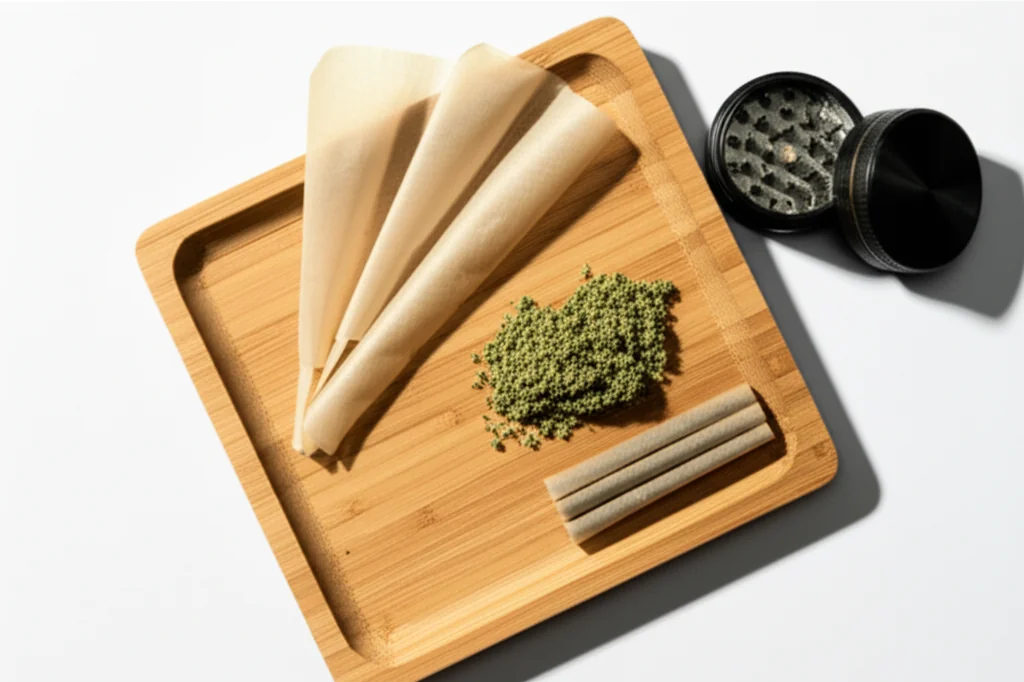
Rolando uma juntaÉ uma habilidade fundamental da cannabis que parece intimidante, mas se torna natural com a prática. De acordo com os educadores de cannabis, a pessoa média alcança resultados consistentes após 10 a 15 tentativas de prática. Este abrangente tutorial de 2026 orienta você em todas as etapas de rolar uma junta clássica, desde a seleção de papéis e o preparo do filtro até o selo final. Com a técnica certa e um pouco de paciência, você estará rolando em juntas consistentes e fumáveis em nenhum momento.
Guias relacionados:Antes de começar, confira nossos guias sobreEscolhendo o certo [ retificador](https://guides.munchmakers.com/guide/grinder-maintenance-schedule) eSelecionando [ papéis rolantes](https://guides.munchmakers.com/guide/best-rollling-papers-beginners) para obter os melhores resultados.
resposta rápida
Para enrolar uma junta: crie um filtro dobrado de acordeão, moa a cannabis uniformemente, coloque o filtro no papel, distribua a cannabis ao longo do vinco, dê forma ao cilindro, rolando para frente e para trás, dobrando a borda não gengiva sob a cannabis, enrole para cima até a tira da gengiva, lamba e sele. É preciso prática, mas a maioria das pessoas pode rolar uma articulação fumável em 3 a 5 tentativas.
tutorial de vídeo
Veja este guia visual passo a passo para ver todo o processo de rolamento em ação:
O que você vai precisar
Obrigatório:
- papéis rolantes(1¼ de tamanho recomendado para iniciantes)
- cannabis moída(0,5-0,75 gramas)
- dicas de filtro(cartão fino, pode usar cartão de visita)
- retificador(ou dedos, se necessário)
- isqueiro
Recomendado:
- Bandeja rolante(ou livro limpo/revista)
- Caneta ou ferramenta de embalagem
- Papéis extras para a prática
Seleção de papel para iniciantes
Para suprimentos de rolamento premium, confiraPapéis de rolamento personalizados de Munchmakers. Para dicas gerais de técnica de rolamento,wikihowOferece guias ilustrados.
Melhores opções para 2026:
- Cânhamo orgânico cru- Natural, fácil de trabalhar, perdoando para iniciantes. Mais recomendado por educadores de cannabis para aprender.
- Papéis de arroz de elementos- Fino, mas resistente, queima lenta, interferência mínima do sabor
- Zig-zag 1¼- Clássico, amplamente disponível, acessível. Padrão da indústria por décadas.
- OCB orgânico- chiclete natural ultrafino, preferido por rolos experientes
Tamanho:Comece com 1¼ (78 mm). O tamanho do rei pode ser difícil de manejar. Dica de especialista: papéis menores forçam o melhor desenvolvimento da técnica.
Saiba mais:Consulte nosso guia completo sobreMelhores papéis para rolar para iniciantesPara comparações detalhadas.
Processo de rolamento passo a passo
Passo 1: Prepare a ponta do filtro
O filtro (também chamado de muleta ou ponta) fornece estrutura, evita que a cannabis entre em sua boca e dê a você algo para segurar.
Como dobrar:
1. Rasgue ou corte o papel de filtro com cerca de 1/2 polegada de largura, 2 polegadas de comprimento
2 . Em uma extremidade, dobre para frente e para trás 3-4 vezes (padrão de acordeão)
3. Enrole o restante do papel em torno do acordeão
4. Deve ser um cilindro com o diâmetro de um lápis
Por que o acordeão é importante:Fornece estabilidade e fluxo de ar. Sem ele, o filtro pode entrar em colapso enquanto fuma.
Passo 2: Moa sua cannabis
Percepções de especialistas:A consistência de moagem é o fator número 1 que afeta a qualidade da queima. Os rolos profissionais enfatizam que a moagem adequada é mais importante do que a técnica de rolamento em si.
Use um moedor de qualidade para obter uma textura consistente e fofa:
- Não muito bem:A consistência em pó puxa o papel e restringe o fluxo de ar. Causa golpes severos.
- Não muito grosseiro:Pedaços grandes criam grumos e queima irregular. Cria "corredores" ou "canoas".
- Certo:Peças fofas e uniformes semelhantes à textura de orégano seca. Deve manter a forma quando pressionado.
Remova as hastes:Eles criam buracos na articulação e têm um sabor áspero. Até mesmo caules pequenos afetam a qualidade da queimadura.
Quantidade:0,5-0,75 gramas para uma junta padrão. Melhor começar menor - você sempre pode rolar outro.
Recomendação do moedor:Um moedor de 4 peças de qualidade com[ inatividadeCatcher](https://munchmakers.com/blog/the-ultimate-guide-to-weed-grinders-with-kief-catchers-2/) garante resultados consistentes. Veja nosso guia sobreMelhor moedor para cannabisou navegueMoedores premium na Munchmakers.
Passo 3: Crie o vinco
Segure o papel com a tira de chiclete na parte superior, de frente para você. Coloque o filtro preparado em uma extremidade (geralmente extremidade esquerda para os destros).
Crie um canal:Dobre o papel com cuidado, para criar um leve formato em V ou calha. Este vinco irá segurar sua cannabis e facilitará o rolamento.
Passo 4: Encha com maconha
Distribua o canábis moído uniformemente ao longo do vinco:
- mais no meio, afunilando ligeiramente em direção às pontas
- deixar espaçoNa faixa de gengiva e perto do filtro
- Não encha demais- menos é mais fácil de rolar do que mais
Erro comum:Carregando muita cannabis. Você sempre pode rolar uma segunda junta. As juntas cheias são quase impossíveis para os iniciantes rolarem adequadamente.
Passo 5: Molde a junta
É aqui que se desenvolve a habilidade de rolar:
O movimento:
- Aperte o papel entre os polegares e os dedos indicadores em ambos os lados da cannabis
- Role para trás e para frente com cuidado (não lado a lado - movimento para frente e para trás)
- A cannabis deve embalar e moldar em um cilindro
- O filtro ajuda a manter a forma nessa extremidade
Objetivo:Cilindro uniformemente embalado de cannabis firme, mas não comprimido.
Tempo necessário:15-30 segundos de modelagem. Não se apresse.
Passo 6: O Tuck (passo crítico)
É aqui que a maioria dos iniciantes luta. A dobra determina o sucesso ou o fracasso.
Como dobrar:
1. Trabalhe a ponta do filtro (mais fácil)
2 . Dobre a borda inferior do papel (lado não gengival) sob a cannabis e sobre o filtro
3. Use os polegares para dobrar enquanto os dedos indicam a pressão descendente suave
4. Uma vez iniciado, a dobra deve continuar ao longo do comprimento enquanto você rola
A sensação:Você deve sentir o papel pegar sob a maconha. Se não estiver dobrando, remodele a maconha com mais força.
Problema comum:Papel dobrando-se sobre si mesmo sem pegar sob a maconha. Solução: embale a cannabis mais firmemente na forma do cilindro primeiro.
Passo 7: Role para a faixa de chiclete
Depois que o dobrado for iniciado:
1. Continue rolando para cima usando uma pressão uniforme
2 . O papel deve envolver o cilindro de cannabis
3. Role até que apenas a faixa de chiclete esteja aparecendo
4. Mantenha a tensão consistente ao longo de todo o comprimento
Verifique:Antes de selar, olhe para baixo o comprimento. Deve ser uniforme, não irregular ou solto.
Passo 8: Selar a junta
Lamber a gengiva:
- Lamba a tira de chiclete inteira generosamente (não seja tímido)
- Alguns papéis precisam de mais umidade do que outros
- Comece de uma ponta e trabalhe para a outra
- Pressione firmemente enquanto sela
- Segure a junta selada por 5 a 10 segundos
Alternativa moderna:Alguns usam um pano úmido em vez de lamber para higiene.
Passo 9: Embale e termine
Embalando a extremidade aberta:
- Use uma caneta, uma pequena vara ou o dedo mindinho
- Embale suavemente a cannabis para baixo da extremidade aberta
- Isso aperta toda a articulação e garante uma queima uniforme
- Não embale com tanta força que restringe o fluxo de ar
Fechando a ponta:
- Torça o excesso de papel fechado (método clássico)
- Ou deixe-o aberto e com cuidado, queime o excesso ao acender
- A ponta torcida evita que o cannabis caia
Passo 10: Verificação da qualidade
Uma boa articulação:
- firme, mas não como pedra
- Espessura uniforme ao longo do
- pode extrair ar facilmente
- Totalmente selado sem folgas
- Filtro seguro e não gira
Se falhar, verifique:Fume mesmo assim! "Feio, mas funcional" ensina mais do que jogá-lo fora.
Problemas e correções comuns de rolamento
Problema: a articulação é irregular/desigual
Causa:Distribuição irregular de cannabis ou modelagem insuficiente antes de rolar.
Corrigir:Gaste mais tempo na modelagem do passo 5. Redistribua a maconha, se necessário, antes de dobrar.
Problema: junta muito solta, cai
Causa:Não é suficiente tensão ao rolar ou encher demais.
Corrigir:Use menos cannabis da próxima vez. Aplicar uma pressão mais consistente durante o rolamento.
Problema: junta muito apertada, não vai desenhar
Causa:Cannabis comprimido ou embalado com muita firmeza.
Corrigir:Embale com mais cuidado. Teste antes da vedação - deve ter um fluxo de ar fácil.
Problema: rasgos de papel durante a rolagem
Causa:Muita pressão, mãos secas ou papéis de baixa qualidade.
Corrigir:Use um toque mais suave. Umedece levemente as pontas dos dedos. Compre papéis melhores.
Problema: o filtro cai
Causa:Filtre muito pequeno ou não esteja devidamente integrado no rolo.
Corrigir:Faça o filtro de diâmetro um pouco maior. Certifique-se de que está enrolado na junta, não apenas colocado no final.
Problema: forma de cone em vez de cilindro
Causa:Mais cannabis em uma extremidade do que na outra.
Corrigir:Isso é realmente bom! As juntas de cone são populares (final, extremidade do filtro estreito). Muitos preferem essa forma.
Problema: corridas ou canoas
Causa:Embalagem irregular ou vento enquanto fuma.
Corrigir:Concentre-se na distribuição uniforme na etapa 4. Gire a junta enquanto ilumina para garantir uma cereja uniforme.
Dicas de rolamento de especialistas
Dica 1: comece com mais papel do que você pensa
Os iniciantes costumam usar papéis muito pequenos. 1¼ de tamanho dá-lhe espaço para trabalhar.
Dica 2: Pratique primeiro com tabaco ou ervas
Algumas pessoas praticam a técnica de rolamento com tabaco barato ou ervas secas antes de "desperdiçar" a cannabis. Desenvolve a memória muscular.
Dica 3: use um método de rolamento de notas de dólar
Coloque o filtro e a maconha em uma nota de um dólar, dê forma e, em seguida, deslize o papel na conta e use o Bill como guia de rolamento. Rodas de treinamento para o aprendizado.
Dica 4: Cones pré-fabricados
não tem vergonha de usarCones pré-enroladosque você apenas preenche. Muitos rolos experientes os usam para consistência.
Dica 5: os 10 primeiros serão feios
Aceite que as primeiras tentativas serão funcionais na melhor das hipóteses. O rolamento conjunto é uma habilidade que requer prática. O número 15-20 é quando a maioria das pessoas atinge a consistência.
Considerações avançadas
Impacto do tipo de papel
Papéis de cânhamo:Lento, até mesmo queimar. Sabor natural. Grosso o suficiente para ser indulgente.
Papel de arroz:Muito fino. Sabor mais limpo. Menos indulgente para iniciantes.
polpa de madeira:Papéis clássicos. queima mais rápido. Sabor forte.
Rolando sem filtro
Alguns preferem juntas sem filtro. Feche a ponta fechada ou dobre-a. Fornece um fluxo de ar ligeiramente melhor, mas requer um tabagismo cuidadoso para evitar a maconha solta na boca.
O método do cone
Em vez de cilindro, intencionalmente dê forma a um cone (mais largo na ponta, estreito no filtro). Muitos acham isso mais fácil. Preencha a ponta larga com mais canábis, criando uma conicidade natural.
A prática leva à perfeição
Linha do tempo realista:
- Articulações 1-3:Provavelmente feio, talvez fumável
- Articulações 4-7:funcional, melhorando
- Articulações 8-15:consistentemente fumável
- Juntas 15+:Desenvolvendo seu estilo pessoal
Não desista!Até os rolos experientes se lembram de ter lutado inicialmente. É uma habilidade física como amarrar sapatos - parece impossível até que de repente ele estale.
Alternativas para rolar manualmente
Cones pré-enrolados:
- Compre o papel já em forma
- Basta encher com maconha moída
- Embale e torça
- Resultados consistentes sempre
- Saiba mais:veja nossoCones pré-laminados versus comparação de rolamento manual
Máquinas de rolamento:
- Dispositivo de $ 5-10 que rola para você
- Coloque papel e cannabis, vire a alça
- Cilindros perfeitos, mas menos satisfatórios do que rolar à mão
- Melhores opções:verificarGuia de rolos de junta
Peça a alguém para rolar:
- Não há vergonha de ter um amigo experiente para você enquanto aprende
- Observe a técnica de perto
Dicas para melhores resultados para melhores resultados
De Rolos Profissionais (edição 2026):
1. Importante temperatura:As mãos ligeiramente quentes e secas funcionam melhor. Mãos frias ou úmidas fazem o papel grudar desajeitadamente.
2. A técnica de iluminação afeta a qualidade do rolo:Até mesmo a junta mais laminada precisa de iluminação adequada. Acenda a ponta girando para garantir uma cereja uniforme.
3. Preservação de armazenamento:As juntas devidamente laminadas podem ser armazenadas por meses. aprenda sobreTécnicas de armazenamento de cannabisPara manter as juntas pré-lançadas frescas.
4. Atualize sua configuração:Invista em uma qualidadeBandeja rolantePara organizar seus materiais e prevenir resíduos.
Técnicas de rolamento relacionadas
Depois de dominar a junta básica, explore estas técnicas avançadas:
- Como enrolar uma junta de cone- Forma afunilada para golpes mais suaves
- Rolamento de dentro para fora (estilo holandês)- Menos papel, sabor mais limpo
- como rolar um [ junta cruzada](https://guides.munchmakers.com/guide/how-to-roll-cross-joint)- Técnica avançada para ocasiões especiais
- Rolando sem filtro- Método tradicional
Comprar materiais de qualidade:folhearpapéis de rolamento personalizados, Moedores premium, eAcessórios de rolamentoem Munchmakers.
Este guia é para fins educacionais em regiões onde a cannabis é legal. As leis de cannabis variam de acordo com a jurisdição. Sempre verifique os regulamentos locais.
Step 1:
Step 2:
Step 3:
Step 4:
Step 5:
Step 6:
Step 7:
Step 8:
Frequently Asked Questions
Papéis de tamanho 1¼ (78 mm) são ideais para iniciantes. Eles são grandes o suficiente para trabalhar, mas não tão grandes que você desperdice cannabis. King Size pode ser intimidante para as primeiras tentativas.
Related Guides
Rolling Paper Sizes Explained: 1 1/4, King Size, and More
Comprehensive guide about rolling paper sizes explained: 1 1/4, king size, and more. Learn everything you need to know with expert tips and detailed instructions.

Best Rolling Papers for Beginners: Complete Buying Guide 2026
Discover the best rolling papers for beginners including RAW, Zig-Zag, and OCB. Learn about sizes, materials (rice vs hemp vs wood pulp), and which papers are easiest to roll with.
Clear Rolling Papers: Are Cellulose Papers Worth It?
Comprehensive guide about clear rolling papers: are cellulose papers worth it?. Learn everything you need to know with expert tips and detailed instructions.