

Guia de pavio de cânhamo: benefícios, como usar e as melhores marcas

James Wilson
Cannabis Culture Writer
Guia de pavio de cânhamo: benefícios, como usar e as melhores marcas
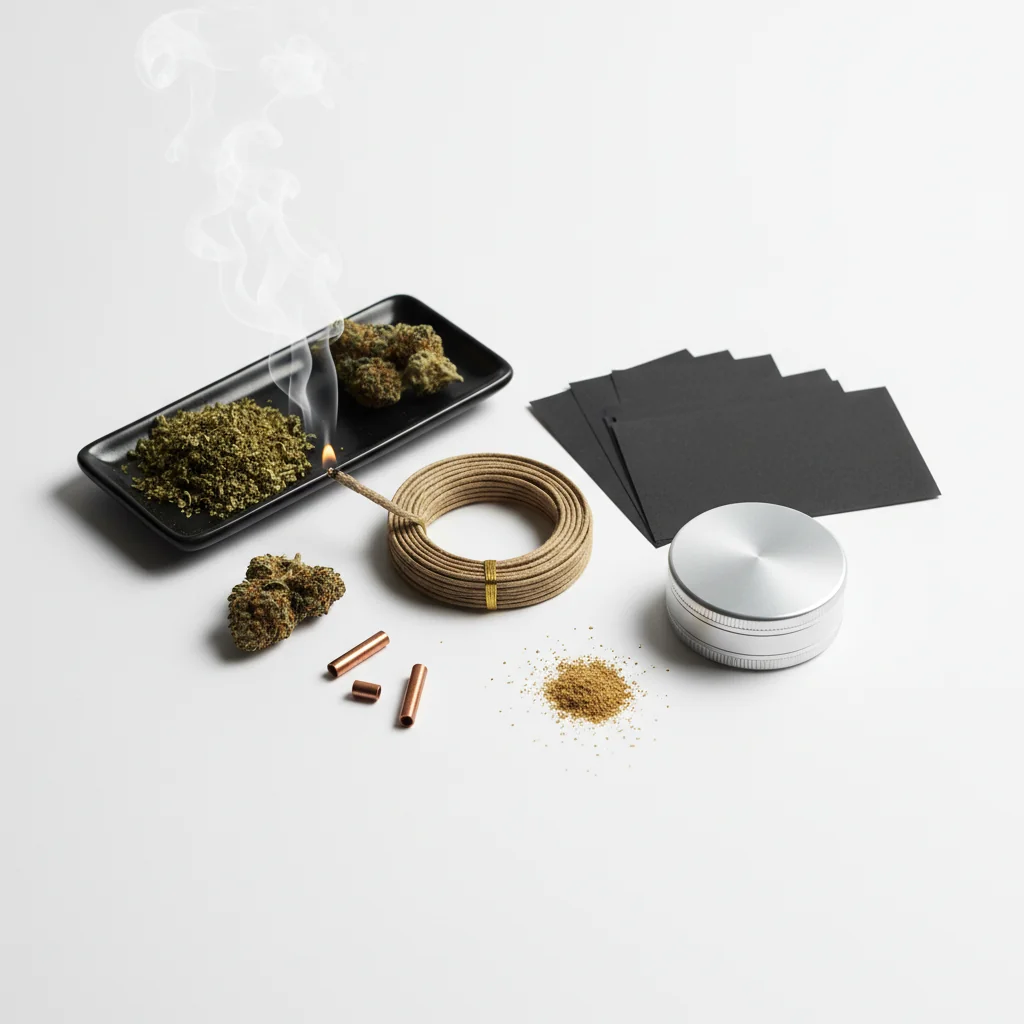
Hemp Wick é uma atualização simples que pode melhorar significativamente sua experiência com o tabagismo. Feito de fio de cânhamo natural revestido em cera de abelha, ele fornece uma chama mais limpa e de baixa temperatura que preserva o sabor e elimina a inalação de butano. Aqui está tudo o que você precisa saber.
resposta rápida
O pavio de cânhamo é uma corda de cânhamo revestida com cera de abelha que fornece uma chama natural para acender a cannabis. Ele queima a ~1500°F (vs butano 3600°F), preservando terpenos e eliminando a inalação de butano. Use-o acendendo o pavio com um isqueiro padrão e, em seguida, com o fogo do pavio para iluminar sua tigela. É melhor para fumantes com sabor e saúde.
O que é pavio de cânhamo?
Para a pesquisa de cera de abelha e materiais naturais,Serviço de Pesquisa Agrícola do USDAFornece dados científicos.
O pavio de cânhamo consiste em dois componentes naturais:
Fibra de cânhamo:O núcleo é feito de fibras de cânhamo torcidos, criando um pavio de queima lenta. O cânhamo é escolhido por suas propriedades naturais e sustentáveis.
Revestimento de cera de abelha:Uma fina camada de cera de abelha reveste o cânhamo, permitindo que ele queime lenta e uniformemente, mantendo-se fácil de acender.
O resultado é uma fonte de chamas natural e portátil que queima mais limpo e mais frio que o butano.
Benefícios do pavio de cânhamo
melhor sabor
Queima de temperatura mais baixa:
- Pavio de cânhamo: ~1500°F
- Isqueiro de butano: ~3600°F
A temperatura mais baixa significa menos destruição do terpeno. Os terpenos (os compostos que criam sabor e aroma de cannabis) são voláteis e degradam em altas temperaturas. O pavio de cânhamo preserva mais do que torna cada cepa única.
Sem inalação de butano
Quando você acende uma tigela diretamente com um isqueiro de butano, você inala pequenas quantidades de gás butano junto com sua fumaça. Embora os valores sejam geralmente considerados seguros, eliminá-los totalmente é o preferido por usuários preocupados com a saúde.
Mais controle
A chama suave do pavio de cânhamo é mais fácil de direcionar exatamente para onde você deseja. você pode:
- As tigelas de canto de forma mais eficaz
- Acenda apenas a quantidade que você quer fumar
- Evite queimar o material circundante
materiais naturais
Para quem prefere produtos naturais, o cânhamo é atraente:
- Sem derivados de petróleo
- Fonte de cânhamo sustentável
- cera de abelha natural
- biodegradável
custo-benefício
Embora pareça uma despesa adicional, o pavio de cânhamo é econômico:
- Um carretel de 200 pés custa US$ 8-15
- dura vários meses
- Usa um combustível menos leve em geral
Como usar o pavio de cânhamo
técnica básica
1. desenrole um comprimento- Puxe 6-12 polegadas do carretel
2. acenda o fim- Use qualquer isqueiro para acender o pavio de cânhamo
3. Aplicar na tigela- Use a chama do pavio para acender sua cannabis
4. Expire quando terminar- Apagar soprando ou agitando
Dicas para obter melhores resultados
Mantenha-o à mão:
Enrole o pavio de cânhamo em torno do isqueiro para fácil acesso. Muitos fumantes mantêm um pequeno carretel sempre preso ao isqueiro.
Deixe pegar:
Dê ao pavio um momento para estabelecer uma chama após a iluminação. Não tente usá-lo no instante em que ele pegar.
Controle a queima:
Incline o pavio ligeiramente para baixo para estimular a queima, subindo um pouco para retardá-lo. Com a prática, você pode manter uma chama consistente.
Não deixe pingar:
A cera de abelha quente pode pingar se você segurar a chama por muito tempo. Continue em movimento e reacende conforme necessário.
erros comuns
Erro:Tentando acender o pavio e a tigela simultaneamente
Solução:Primeiro pavio, deixe-o estabelecer, depois passe para a tigela
Erro:Usando muito pavio por sessão
Solução:6-12 polegadas é bastante; sopre e reacende conforme necessário
Erro:Armazenando molhado ou no calor
Solução:Mantenha seco e longe de altas temperaturas
Pavio de cânhamo x isqueiro butano
Quando o cânhamo vence
- Sessões focadas em sabor
- Valorização da cannabis de qualidade
- fumar com saúde
- tigelas de encurrala
- Levando seu tempo
Quando os isqueiros vencem
- sessões rápidas
- condições de vento
- prioridade de conveniência
- Juntas/embutidas de iluminação
Escolhendo o pavio de cânhamo
Opções de espessura
fino (1mm):
- queima mais rápido
- Chama mais precisa
- Melhor para tigelas pequenas
- Usa mais pavio por sessão
Padrão (2 mm):
- mais comum
- Bom equilíbrio
- Funciona para a maioria das situações
- O que a maioria das marcas vende
Espessa (3mm+):
- queima mais devagar
- Chama maior
- Melhor para uso prolongado
- mais econômico
Indicadores de qualidade
Bom pavio de cânhamo tem:
- cheiro de cera de abelha natural
- revestimento uniforme
- queimadura consistente
- Sem gotejamento excessivo
- Coloração natural (off-white a castanho claro)
Evite pavio de cânhamo com:
- cheiro químico
- espessura irregular
- gotejamento excessivo
- Revestimentos sintéticos
- Preços muito baratos (importa qualidade)
melhores marcas de pavio de cânhamo
linha de abelha
Padrão da indústria:
- cânhamo orgânico
- cera de abelha natural
- Disponível em múltiplas espessuras
- amplamente disponível
- $ 8-12 por 200 pés
pavio de cânhamo cru
Da empresa de papel:
- materiais naturais
- Qualidade consistente
- Muitas vezes empacotado com papéis
- Bom valor
- $ 5-10 por 100 pés
pavio de cânhamo humboldt
Opção Premium:
- tudo orgânico
- cera de abelha revestida com tripla
- queima muito lentamente
- preço mais alto
- $ 12-15 por 200 pés
i-tal
Amigável ao orçamento:
- qualidade básica
- funciona bem
- muito acessível
- Bom para tentar pavio de cânhamo
- $ 5-8 por 100 pés
Armazenamento e manutenção
armazenamento adequado
- Mantenha em um lugar fresco e seco
- Evite a luz solar direta
- Ideal para temperatura ambiente
- Não armazene no carro (o calor derrete a cera de abelha)
Mantendo-o à mão
Método de envoltório mais leve:
Embrulhe o pavio de cânhamo em torno de seu BIC ou clipper. Dobre a ponta em um envoltório. sempre acessível.
Método do dispensador:
Algumas marcas vendem dispensadores que seguram o carretel e alimentam o pavio conforme necessário.
bobina no kit:
Mantenha o carretel cheio em seu kit de fumar, puxe os comprimentos conforme necessário.
pavio de cânhamo diy
Para o fumante astuto, fazer pavio de cânhamo é possível:
O que você precisa
- Cordão de cânhamo (sem revestidos)
- cera de abelha natural
- Caldeira dupla ou fogão lento
- Um lugar para pendurar enquanto secar
processo básico
1. Derreta a cera de abelha em banho-maria
2 . Puxe o barbante de hempão através da cera derretida
3. Remova e deixe esfriar/secar
4. Repita para um revestimento mais grosso
5. Armazene quando totalmente resfriado
Nota:O pavio de cânhamo comercial é muito acessível. DIY é divertido, mas não necessariamente econômico.
Perguntas comuns
O pavio de cânhamo tem gosto de qualquer coisa?
Sabor muito sutil com cera de abelha que a maioria das pessoas considera agradável ou imperceptível. Muito menos impacto do sabor do que o butano.
Posso usar pavio de cânhamo para juntas?
Sim, embora seja menos conveniente que um isqueiro para juntas. Funciona melhor para tigelas onde você tem um alvo estável.
O pavio de cânhamo é mais seguro que os isqueiros?
Do ponto de vista da exposição química, sim, não inalação de butano. Do ponto de vista da segurança contra incêndio, ambos exigem um uso cuidadoso.
Como faço para colocar o pavio de cânhamo?
Apague-o como uma vela, agite-o ou pressione a ponta acesa contra algo não inflamável (como o fundo do isqueiro).
resumo
Hemp Wick é uma atualização simples e acessível que melhora o sabor e elimina a exposição ao butano. Embora adicione um pequeno passo extra ao tabagismo, os usuários preocupados com o sabor acham que vale a pena o pequeno inconveniente.
Experimente:Um pequeno carretel custa apenas alguns dólares. Experimente por uma semana e veja se você percebe a diferença.
Este guia é para fins educacionais. As leis de cannabis variam de acordo com a jurisdição.
Frequently Asked Questions
Para dar sabor, sim. O pavio de cânhamo queima a ~1500°F versus o de 3600°F de Butano, preservando mais terpenos. Você também evita a inalação de gás butano. No entanto, é menos conveniente, pois você ainda precisa de um isqueiro para acender o pavio.
O pavio de cânhamo de qualidade é revestido com cera de abelha natural. A cera de abelha ajuda a queimar lenta e uniformemente, enquanto fornece uma chama consistente. Evite pavio de cânhamo com revestimentos sintéticos.
Um carretel de 200 pés normalmente dura vários meses para fumantes regulares. Cada tigela usa cerca de 6 a 12 polegadas de pavio, dependendo da técnica. O pavio de cânhamo é muito econômico a longo prazo.
Related Guides

Best Lighters for Smoking: Complete Buying Guide
Find the best lighter for smoking cannabis. Compare Bic, Clipper, torch lighters, and plasma lighters. Learn which lighter type suits your needs and why it matters.
Best Torch Lighters for Dabbing: Top Picks for 2025
Comprehensive guide about best torch lighters for dabbing: top picks for 2025. Learn everything you need to know with expert tips and detailed instructions.
How to Refill a Butane Lighter: Step-by-Step Guide
Comprehensive guide about how to refill a butane lighter: step-by-step guide. Learn everything you need to know with expert tips and detailed instructions.