
Przewodnik po prasowaniu rosin: Jak wytwarzać koncentraty bezrozpuszczalnikowe w domu

David Martinez
Concentrate Expert
Przewodnik po prasowaniu rosin: Jak wytwarzać koncentraty bezrozpuszczalnikowe w domu
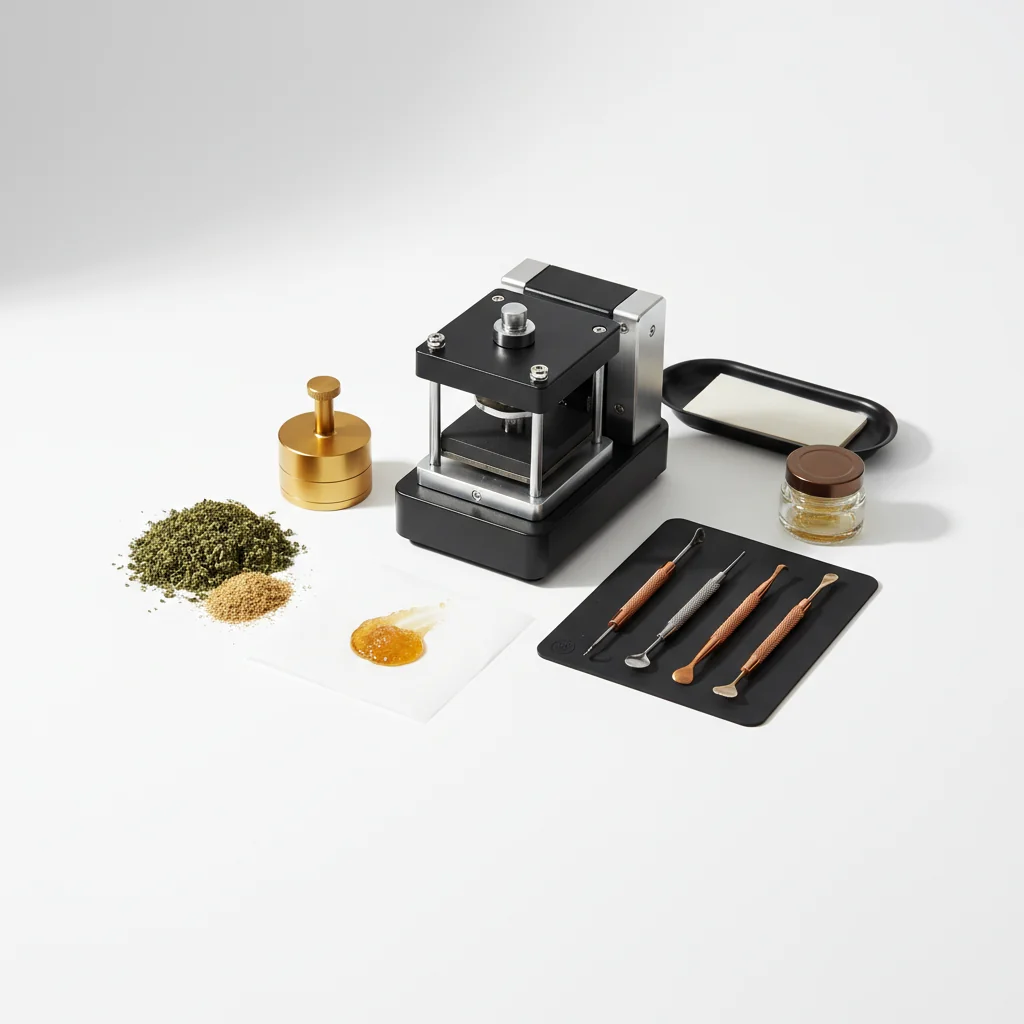
Rosin to jedna z najczystszych form koncentratu konopi — wytwarzana bez użycia jakichkolwiek rozpuszczalników, tylko za pomocą ciepła i ciśnienia. W przeciwieństwie do ekstraktów BHO lub CO2, które wymagają profesjonalnego sprzętu i potencjalnie niebezpiecznych chemikaliów, rosin można bezpiecznie wytwarzać w domu za pomocą prasy do rosin. Ten przewodnik obejmuje wszystko, co musisz wiedzieć o prasowaniu rosin, od wyboru sprzętu po doskonalenie techniki.
Szybka odpowiedź
Rosin to bezrozpuszczalnikowy koncentrat konopi wytwarzany przez zastosowanie ciepła i ciśnienia na kwiatach konopi, haszyszu lub kiefie. Prasa do rosin wykorzystuje podgrzewane płyty do wyciskania oleju bogatego w trychomy, produkując czysty, bogaty w terpeny ekstrakt. Ustawienia temperatury 180-220°F (82-104°C) najlepiej sprawdzają się dla kwiatów, z czasem prasowania wynoszącym 90-120 sekund. Jakość plonów rosin waha się od 15-25% w zależności od materiału wyjściowego.
Spis treści
- Czym jest rosin?
- Rodzaje pras do rosin
- Wybór prasy
- Podstawy prasowania rosin
- Ustawienia temperatury i ciśnienia
- Najlepszy materiał wyjściowy
- Krok po kroku przewodnik po prasowaniu
- Maksymalizacja plonów
- Profesjonalne wskazówki
- FAQ
Czym jest rosin?
Rosin to bezrozpuszczalnikowy koncentrat konopi stworzony poprzez ekstrakcję ciepłem i ciśnieniem. W przeciwieństwie do BHO (olej haszyszowy na bazie butanu) lub ekstraktów CO2, rosin nie wymaga chemicznych rozpuszczalników — co czyni go jednym z najczystszych dostępnych koncentratów.
Dlaczego rosin jest wyjątkowy
Czysty i bez zanieczyszczeń: Brak pozostałości rozpuszczalników, kiedykolwiek. Co wchodzi, to wychodzi.
Pełne spektrum: Zachowuje terpeny i minorowe kannabinoidy, gdy jest prasowany w odpowiednich temperaturach.
Przyjazny dla DIY: W przeciwieństwie do innych koncentratów, rosin można bezpiecznie wytwarzać w domu.
Natychmiastowe użycie: Brak potrzeby oczyszczania lub przetwarzania po — prasuj i dabuj.
Rosin vs inne koncentraty
Rodzaje Rosin
Rosin z kwiatów: Tłoczone bezpośrednio z pąków konopi. Najbardziej dostępne dla domowych pras.
Rosin z haszyszu: Tłoczone z haszyszu bąbelkowego lub suchego przesiewu. Wyższa jakość, czystsze wyniki.
Live rosin: Tłoczone z świeżo zamrożonego haszyszu. Produkt premium, maksymalne terpeny.
Rodzaje pras do Rosin
Metoda prostownicy do włosów
Podejście dla początkujących:
- Użyj wysokiej jakości prostownicy
- Ręczny nacisk
- Bardzo małe wydobycie
- Dobre do testowania koncepcji
Ograniczenia: Niekonsekwentna temperatura, ograniczony nacisk, małe wydobycie
Prasy ręczne/na korbkę
Prasy dedykowane na poziomie podstawowym:
- Mechanizm dźwigni lub skręcania do nacisku
- Lepsza kontrola temperatury niż prostownice do włosów
- Przystępne (200-500 USD)
- Bardziej spójne wyniki
Najlepsze do: Użytku domowego, małych partii
Prasy pneumatyczne
Jakość profesjonalna w średniej półce:
- Nacisk zasilany powietrzem
- Spójna, regulowana siła
- Cichsza praca
- Zakres 500-2000 USD
Najlepsze do: Poważni hobbyści, mała produkcja komercyjna
Prasy hydrauliczne
Ekstrakcja premium:
- Maksymalna zdolność nacisku
- Wyniki na poziomie profesjonalnym
- 1000-5000 USD+
- Możliwość konwersji pras warsztatowych
Najlepsze do: Wysoka wydajność, użycie profesjonalne
Rozważania dotyczące rozmiaru płyty
Wybór prasy
Rozważania budżetowe
Poziom podstawowy (200-400 USD):
- Odpowiednie do użytku osobistego
- Ciśnienie 2-3 tony
- Mniejsze płyty
- Ręczna obsługa
Średnia półka (400-1000 USD):
- Lepsza kontrola temperatury
- Ciśnienie 4-10 ton
- Dostępne opcje pneumatyczne
- Bardziej spójne wyniki
Premium (1000 USD+):
- Profesjonalna jakość
- Opcje maksymalnego ciśnienia
- Cyfrowe sterowanie
- Większa pojemność partii
Kluczowe cechy, na które warto zwrócić uwagę
1. Równomierne ogrzewanie: Obie płyty powinny nagrzewać się równomiernie
2. Kontrola temperatury: Wyświetlacz cyfrowy, dokładne czujniki
3. Pojemność ciśnienia: Minimum 4 tony do prasowania kwiatów
4. Materiał płyty: Aluminium spożywcze lub stal nierdzewna
5. Jakość wykonania: Solidna rama, niezawodne komponenty
Popularne marki pras
- Dabpress
- Rosineer
- Nugsmasher
- Pure Pressure
- Sasquash
Podstawy prasowania rosin
Nauka
Rosin działa poprzez podgrzewanie materiału konopnego, aż trichomy (zawierające kannabinoidy i terpeny) staną się wystarczająco płynne, aby wypłynąć pod ciśnieniem. Celem jest:
- Stopić główki trichomów
- Wycisnąć olej przez materiał roślinny
- Zebrać na papierze pergaminowym
Co wpływa na jakość
Materiał wyjściowy: Śmieci w, śmieci out. Jakościowy kwiat lub hash produkuje jakościowy rosin.
Temperatura: Wyższa temperatura = większy plon, ale mniej smaku. Niższa temperatura = mniejszy plon, ale więcej terpenów.
Ciśnienie: Stałe, równomierne ciśnienie bez rozrywania woreczków lub miażdżenia materiału roślinnego.
Czas: Zbyt krótki pozostawia olej; zbyt długi pogarsza jakość.
Ustawienia temperatury i ciśnienia
Wytyczne dotyczące temperatury
Nisko i powoli (160-190°F / 71-88°C):
- Maksymalne zachowanie terpenów
- Niższe plony (10-15%)
- Jaśniejszy kolor, konsystencja budder
- Najlepsze dla: Premium hash rosin
Średnia (190-220°F / 88-104°C):
- Zrównoważony smak i plon
- Umiarkowane plony (15-22%)
- Dobra retencja terpenów
- Najlepsze dla: Większości prasowania kwiatów
Gorąco i szybko (220-250°F / 104-121°C):
- Maksymalne plony (20-25%+)
- Bardziej zdegradowane terpeny
- Ciemniejszy kolor, bardziej stabilny
- Najlepsze dla: Starszego materiału, maksymalnej ekstrakcji
Wytyczne dotyczące ciśnienia
Kwiat: 500-1500 PSI w torbie
Hash/Kief: 300-800 PSI (mniej znaczy więcej)
Bubble hash: Bardzo delikatne ciśnienie
Wytyczne dotyczące czasu
Najlepszy materiał startowy
Wymagania dotyczące kwiatów
Na co zwrócić uwagę:
- Świeże, odpowiednio wyleżakowane (62% wilgotności)
- Widoczne trichomy
- Gęste, żywiczne pąki
- Brak pleśni ani zanieczyszczeń
Idealne cechy:
- Zebrane w szczytowej dojrzałości
- 2-4 tygodnie w procesie kuracji
- Przechowywane prawidłowo
- Strains o wysokiej zawartości żywicy
Najlepsze odmiany do rosin (wysoka żywica):
- Gorilla Glue
- Papaya
- Odmiany Chem
- Odmiany specyficzne dla rosin
Wymagania dotyczące haszyszu
Bubble hash:
- Pełne topnienie (5-6 gwiazdek) daje najlepsze rezultaty
- 73-120 mikronów zazwyczaj najlepsze
- Prawidłowo wysuszone i wyleżakowane
- Wolne od zanieczyszczeń
Suchy przesiew:
- Tylko wysokiej jakości
- Minimalne zanieczyszczenie roślin
- Prawidłowo dojrzałe
Zawartość wilgoci ma znaczenie
Zbyt suche: Słaby przepływ, niskie plony, jasny kolor
Zbyt wilgotne: Skwierczący, zanieczyszczony olej, ciemny kolor
W sam raz: ~55-62% RH, płynie czysto, dobre plony
Nawilż suchy materiał za pomocą pakietu wilgotności przez 24-48 godzin przed prasowaniem.
Przewodnik krok po kroku do prasowania
Potrzebny sprzęt
- Prasa do rosin
- Papier pergaminowy (niebielony, spożywczy)
- Worki do rosin (opcjonalne, ale zalecane dla kwiatów)
- Narzędzie do zbierania
- Forma do wstępnego prasowania (opcjonalnie)
- Stoper
- Rękawice
Prasowanie żywicy kwiatowej
Krok 1: Przygotowanie materiału
- Zacznij od 3-7g odpowiednio wyleczonego kwiatu
- Pokrusz na mniejsze kawałki (nie mielić)
- Załaduj do woreczka do żywicy (90-120 mikronów dla kwiatu)
- Wstępnie prasuj w płaską kostkę, jeśli używasz formy
Krok 2: Ustawienie prasy
- Przytnij papier do rozmiaru (większy niż płyty)
- Złóż papier, umieść worek na środku
- Ustaw temperaturę (zacznij od 200°F)
- Pozwól płytom się ustabilizować
Krok 3: Prasowanie
- Umieść papier/worek między płytami
- Na początku zastosuj lekkie ciśnienie (30-45 sekund rozgrzewania)
- Stopniowo zwiększaj do pełnego ciśnienia
- Obserwuj przepływ oleju do krawędzi
- Całkowity czas prasowania: 90-120 sekund
Krok 4: Zbieranie
- Natychmiast usuń papier
- Pozwól lekko ostygnąć (30 sekund)
- Użyj narzędzia do zbierania, aby zebrać żywicę
- Przechowuj na świeżym papierze w chłodnym miejscu
Prasowanie haszyszu żywicy
Kluczowe różnice:
- Użyj woreczków 25-37 mikronów
- Niższa temperatura (160-190°F)
- Znacznie mniejsze ciśnienie
- Krótszy czas prasowania
- Cenniejszy materiał—bądź ostrożny!
Maksymalizacja plonów
Wskazówki do wstępnego prasowania
- Wilgotność jest kluczowa: 55-62% RH dla kwiatu
- Formy do wstępnego prasowania: Tworzą jednorodne kostki dla równomiernej ekstrakcji
- Wybór worków: Dopasuj rozmiar mikronów do materiału
- Stabilizacja temperatury: Czekaj na stabilne ciepło
Podczas prasowania
- Stopniowe ciśnienie: Nie miażdż, powoli zwiększaj
- Obserwuj przepływ: Zatrzymaj się, gdy przepływ znacznie spowolni
- Umiejscowienie płyt: Wyśrodkowanie materiału na płytach
- Jednolite partie: Taki sam rozmiar/waga dla przewidywalności
Po prasowaniu
- Szybko zbierz: Ciepła żywica zbiera się łatwiej
- Ponowne prasowanie materiału: "Drugie prasowanie" w wyższej temperaturze odzyskuje część oleju
- Odpowiednie przechowywanie: Chłodne, ciemne, szczelne
Oczekiwane plony
Żywica kwiatowa: 15-25% plon to dobry wynik
Żywica haszyszowa: 60-85% plon z jakościowego haszyszu
Żywica kiefowa: 40-60% plon to norma
Plony w dużej mierze zależą od jakości materiału wyjściowego
Porady profesjonalistów
1. Świeży, żywiczny materiał ma większe znaczenie niż jakość prasy
2. Niższa temperatura = więcej terpenów, nawet jeśli plon spada
3. Formy do wstępnego prasowania znacznie poprawiają spójność
4. Technologia butelkowa (składanie kierunkowe) poprawia wzorce przepływu
5. Niech talerze się ustabilizują 5-10 minut przed prasowaniem
6. Paczki wilgotnościowe mogą uratować zbyt suche materiały
7. Zapisuj dzienniki temperatury/czasu/plonów dla każdej odmiany
8. Drugie prasowanie w +20°F odzyskuje dodatkowy olej
9. Zimne woskowanie żywicy w szczelnym słoiku dla lepszej tekstury
10. Jakość worków ma znaczenie—tanie worki pękają
FAQ
Ile żywicy mogę uzyskać z uncji kwiatów?
Przy jakościowym materiale i dobrej technice, oczekuj 4-7 gramów żywicy kwiatowej z uncji (14-25% plonu). Żywica haszyszowa daje znacznie wyższe procenty z mniejszej ilości materiału.
Czy potrzebuję worków do żywicy?
Do prasowania kwiatów, tak—worki filtrują materiał roślinny. Do prasowania haszyszu worki są niezbędne. Możesz prasować bez worków, ale żywica będzie zawierać zanieczyszczenia roślinne.
Jaka jest najlepsza temperatura dla żywicy?
Dla większości kwiatów: 190-210°F (88-99°C) równoważy plon i jakość. Hasz powinien być prasowany w niższej temperaturze 160-190°F. Eksperymentuj, aby znaleźć swoje preferencje.
Dlaczego moja żywica jest ciemna?
Ciemna żywica może być wynikiem: wysokiej temperatury prasowania, starego/zepsutego materiału, zbyt dużego ciśnienia lub problemów z wilgocią. Niższe temperatury i świeższy materiał produkują jaśniejszą żywicę.
Czy mogę palić żywicę jak zwykły wosk?
Tak! Żywica jest spożywana jak inne koncentraty—nawlekana na rig, używana w waporyzatorze lub dodawana do kwiatów. Jest gotowa do użycia natychmiast po prasowaniu.
Czy warto spróbować prasowania prostownicą do włosów?
Jako dowód koncepcji, tak. Do regularnego użytku, nie. Prostownice do włosów nie mają kontroli ciśnienia i stałych temperatur. Odpowiednia prasa to wartościowa inwestycja dla regularnych prasujących.
Jak długo żywica się utrzymuje?
Przechowywana w odpowiednich warunkach (chłodno, ciemno, szczelnie), żywica utrzymuje się 6-12 miesięcy. Może zmieniać teksturę z czasem (stać się budderem lub bardziej stabilna), ale pozostaje użyteczna.
Dlaczego nic nie wychodzi?
Typowe przyczyny: materiał zbyt suchy, temperatura zbyt niska, niewystarczające ciśnienie, słaba jakość materiału wyjściowego lub zbyt ciasne worki. Dostosuj zmienne pojedynczo.
Podsumowanie
Prasowanie żywicy to jeden z najbardziej satysfakcjonujących sposobów na tworzenie koncentratów konopi w domu. Bez rozpuszczalników i stosunkowo prostego sprzętu, możesz produkować czyste, mocne, bogate w terpeny koncentraty, które dorównują produktom komercyjnym.
Sukces pochodzi z wysokiej jakości materiałów wyjściowych, odpowiednich ustawień temperatury i ciśnienia oraz dbałości o szczegóły. Zacznij od dobrego kwiatu, dopracuj swoją technikę i prowadź zapisy tego, co działa. Z praktyką będziesz w stanie wytwarzać rosin o jakości z dispensarium we własnym domu.
Aby dowiedzieć się więcej o koncentratach, zapoznaj się z naszym przewodnikiem po rodzajach koncentratów konopi lub dowiedz się jak wziąć dab aby cieszyć się swoim świeżo wyciśniętym rosin.
Frequently Asked Questions
Przy jakościowym materiale i technice, oczekuj 4-7 gramów rosin z kwiatów z uncji (14-25% plonu). Plony rosin z haszyszu są znacznie wyższe.
Related Guides
Bubble Hash: How to Make Ice Water Hash at Home
Complete guide to making bubble hash at home: equipment needed, choosing starting material, the full extraction process, grading hash quality, proper drying, and how to use bubble hash.
Carb Cap Types: Directional, Bubble, and Spinner Caps
Comprehensive guide about carb cap types: directional, bubble, and spinner caps. Learn everything you need to know with expert tips and detailed instructions.

Carb Caps Explained: Types, Uses, and Why You Need One
Complete guide to carb caps for dabbing. Learn how carb caps work, different types (directional, bubble, spinner), and why they're essential for low-temp dabs.