

Ekrany rur: typy, zastosowania i instalacja

Emma Chen
Glass Specialist
Ekrany rur: typy, zastosowania i instalacja
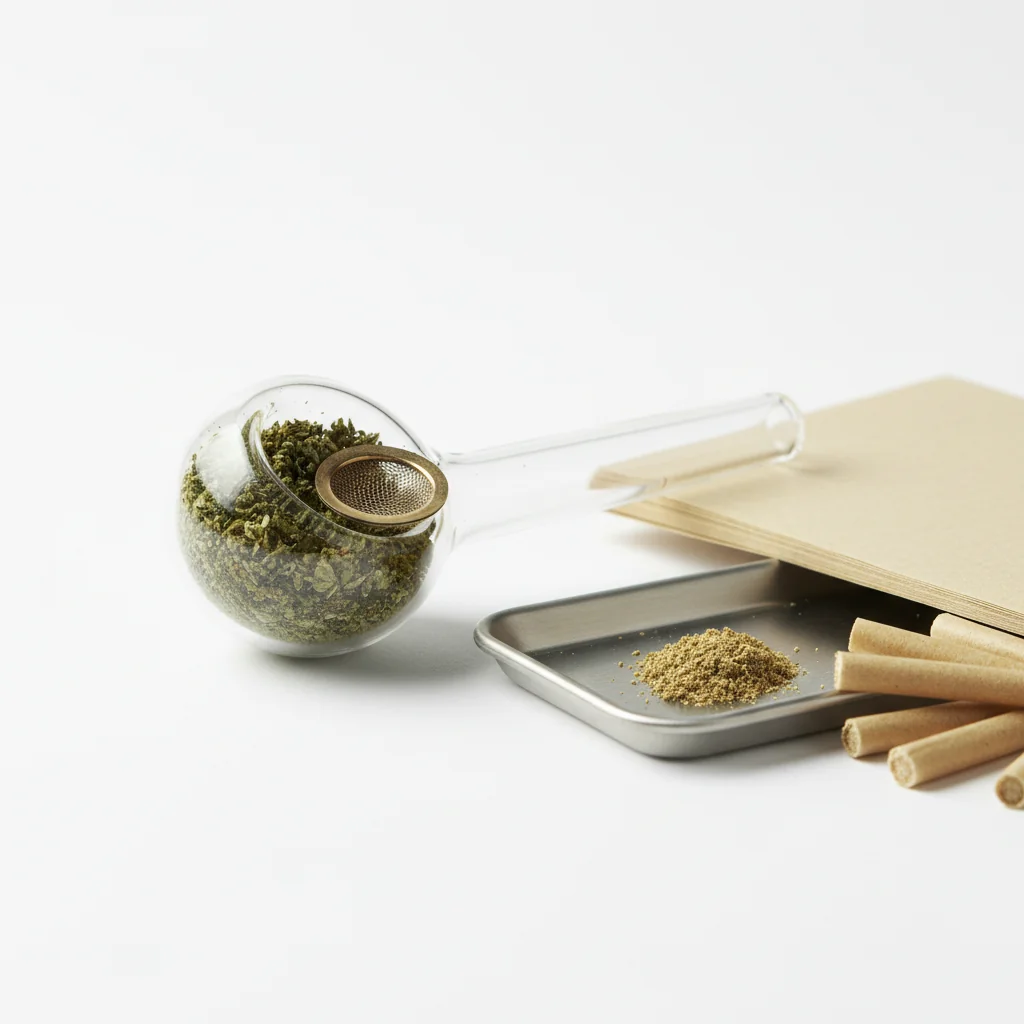
Ekrany rurowe to małe wkładki, które zapobiegają przepadaniu marihuany przez otwór miski, jednocześnie umożliwiając przepływ powietrza. Są tanie, skuteczne i rozwiązują jeden z najczęstszych problemów z rurami. Ten przewodnik obejmuje różne typy, kiedy ich użyć i odpowiednią instalację.
szybka odpowiedź
Ekrany rurowe to małe siatkowe lub perforowane wkładki umieszczone w spodniach misy, aby zapobiec przepaściu konopi. Najczęściej spotykane są mosiężne ekrany (tanie, jednorazowe, 1-3 USD za 100). Szklane stokrotki są wielokrotnego użytku i zapewniają lepszy przepływ powietrza. Stalowe ekrany są trwałe. Wrzuć ekran do miski, naciśnij w dół, zastąp, gdy zatkany.
Dlaczego warto używać ekranów rurowych?
Problemy z ekranami rozwiązują:
- Konopie spadające przez otwór w misce
- Popiół dostaje się do ust
- Zatkane w trzpieniu rury
- Zmarnowana marihuana
- "Scooby Snacks" (odpady w ustach)
Kiedy ich potrzebujesz:
- Duże otwory miski
- Drobno zmielona marihuana
- Starsze rury z zużytymi otworami
- Każda rura, przez którą przelatuje materiał
Połącz ekrany jakości zFajki do palenia od Munchmakersza najlepsze doświadczenie. W celu uzyskania wskazówek dotyczących konserwacji rur,Najwyższe czasyOd 1974 roku obejmuje akcesoria do konopi indyjskich.
Rodzaje ekranów rur
Ekrany z mosiądzu
Opis:Cienkie mosiężne koła z siatki, najczęstszy typ.
Plusy:
- Bardzo tani (1-3 USD za 100 ekranów)
- Dostępne wszędzie
- Łatwy do kształtowania do każdej miski
- dyspozycyjny
Minusy:
- Zatykaj się stosunkowo szybko
- Potrzebujesz regularnej wymiany
- trochę smaku, gdy nowy (wypala się)
- Nie nadaje się do ponownego użycia
Rozmiar:Zwykle 0,5 ", średnica 0,625" lub 0,75"
Najlepsze dla:Użytkownicy budżetowi, jednorazowa wygoda
Szklane ekrany stokrotki
Opis:Małe szklane wkładki z kształtami płatków, które tworzą kanały.
Plusy:
- Wielokrotnego użytku (czyste i ponownie wykorzystaj)
- Doskonały przepływ powietrza
- bez smaku
- estetycznie przyjemne
Minusy:
- Droższe (2-5 USD za sztukę)
- Może się złamać
- Potrzebujesz odpowiedniego rozmiaru miski
- Może poruszać się w misce
Najlepsze dla:Użytkownicy zorientowani na jakość, codzienni kierowcy
Ekrany z siatki stalowej
Opis:Koła z siatki ze stali nierdzewnej.
Plusy:
- stały
- czyszczący
- Lepsze niż mosiądz
- Brak problemów ze smakiem
Minusy:
- może być sztywny
- Czasami trudniejsze do kształtowania
- droższy niż mosiądz
Najlepsze dla:Priorytet trwałości
Ekrany tytanowe
Opis:Siatka z tytanu premium.
Plusy:
- ultra-trwały
- Nie wpłynie na smak
- Wysoka odporność na ciepło
- Wielokrotne użycie wielokrotnego użytku
Minusy:
- drogi
- Mniej powszechne
- Przesada dla większości użytkowników
Najlepsze dla:Użytkownicy premium, waporyzator
Jak zainstalować ekrany rurowe
Ekrany z siatki mosiężnej/stalowej
Krok 1: Wybierz odpowiedni rozmiar (powinny być nieco większe niż otwór miski)
Krok 2: kształt ekranu, wciskając do miski lub zakrzywiając palcami
Krok 3: wrzuć do miski, wklęsłą stroną do dołu
Krok 4: Naciśnij krawędzie palcem, aby prawidłowo osadzić
Krok 5: Dodaj marihuanę na wierzchu
klucz: Ekran powinien być płasko przylegający do dołu, całkowicie zakrywając otwór.
Szklane ekrany stokrotki
Krok 1: Dopasuj rozmiar stokrotki do rozmiaru miski
Krok 2: wrzuć do miski (nie wymaga kształtowania)
Krok 3: wyśrodkowanie nad otwor
Krok 4: dodaj marihuanę
banknot: Szklane ekrany nie kształtują - są sztywne. Uzyskaj prawidłowy rozmiar.
Rozmiary ekranu
W razie wątpliwości: idź nieco większy. Możesz kształtować, a nie w górę.
Kiedy wymieniać ekrany
Znaki Czas:
- Przepływ powietrza jest ograniczony (trudno do rysowania)
- Widoczna siatka zatykająca żywica
- Ekran ma wypalone dziury
- Metaliczny smak (ekrany mosiężne)
- Ekran jest wypaczony lub uszkodzony
Typowa długość życia:
Ekrany z mosiądzu: 3-10 zastosowań w zależności od czyszczenia
Ekrany stalowe: 10-30 zastosowań
stokrotki szklane: nieokreślony, jeśli jest regularnie czyszczony
tytan: Miesiące do lat z czyszczeniem
Ekrany do czyszczenia
Ekrany z mosiądzu/stal
Szybka metoda:
1. Trzymaj pincetą
2 , Umieść lżejszy płomień po obu stronach
3. Pozostałości się wypalają
4. Niech ostygnie, ponownie wykorzystaj
Głęboko czyszczone
1. Namoczyć w alkoholu izopropylowym
2. Szoruj delikatnie
3. Wypłucz, wysusz
przedmiotowość: Mosiężne ekrany są na tyle tanie, że większość ludzi po prostu je zastępuje.
Szklane ekrany stokrotki
Metoda:
1. Wyjmij z miski
2 Namoczyć w alkoholu izopropylowym 30+ minut
3. Spłucz ciepłą wodą
4. wysuszyć na powietrzu
5. Ponowne użycie
Szklane ekrany są warte czyszczenia- Są wielokrotnego użytku przez długi czas.
Ekrany a rozwiązania wbudowane
Rury z wbudowanymi ekranami
Niektóre rury mają:
- Zawężone przejścia (bez ekranu)
- Wbudowane szklane kulki
- Zintegrowana siatka metalowa
- Perforowane dno szklane
Jeśli twoja fajka to ma: Nie wymaga ekranu.
Gdy wbudowane to za mało
Czasami rury mają zbyt duże otwory, nawet przy wąskich przejściach. Dodaj ekran i tak, jeśli materiał się nie powiedzie.
Typowe problemy z ekranem
Problem: ekran wpada do rury
poczynić: ekran za mały, niewłaściwie ukształtowany
nastawić: Użyj większego ekranu, kształtuj, aby chwycić ściany miski
Problem: Nie mogę ciągnąć powietrza
poczynić: zatkany ekran lub używanie zbyt wielu ekranów
nastawić: Wymień ekran, używaj tylko jednego na raz
Problem: ekran przepala się
poczynić: Trzymanie płomienia na ekranie zbyt długie, tanie ekrany
nastawić: Lekka marihuana, a nie ekran. Uaktualnij do grubszych ekranów
Problem: Metaliczny smak
poczynić: nowy mosiężny ekran, wypalanie powłok
nastawić: Wypalanie powłok przed pierwszym użyciem (pusty ekran) lub przełączenie na szkło
Wskazówki dla profesjonalistów
Wskazówka 1: Kupuj luzem
Mosiężne ekrany są najtańsze w opakowaniach po 100 sztuk. Użyjesz ich.
Wskazówka 2: Kształt przed włożeniem
Użyj tylnej części pióra lub kciuka, aby wstępnie uformować siatkowe ekrany do filiżanki.
Wskazówka 3: Nie pakuj ekranów zbyt ciasnych
Ekran powinien zapobiegać wypadaniu marihuany, a nie blokować przepływu powietrza.
Wskazówka 4: Wypróbuj szklane stokrotki
Warto zainwestować dla codziennych użytkowników. Cleaner Hits, wielokrotnego użytku na zawsze.
Wskazówka 5: Dopasuj ekran do mielenia
Drobniejsze szlifowanie = potrzebna drobniejsza siatka. Gruboziarnisty grind = standardowe ekrany dobrze.
Czy zawsze potrzebujesz ekranu?
Niekoniecznie.
Ekrany nie są potrzebne, jeśli:
- Rura ma wąskie przejścia
- Używanie grubo mielonego marihuany
- Miska otwór jest mały
- Korzystanie z techniki NUG Plug (większy kawałek na dole)
Ekrany zdecydowanie potrzebne, jeśli:
- Materiał konsekwentnie spada
- Dostając „Scooby Snacks” w ustach
- Miska otwór jest duży
- Używanie drobno zmielonej marihuany
Często zadawane pytania
Czy ekrany rurowe są wielokrotnego użytku?
Mosiężne ekrany są technicznie wielokrotnego użytku, ale większość ludzi traktuje je jako jednorazowe ze względu na ich niski koszt (0,01-0,03 USD za sztukę). Szklane ekrany i stalowe ekrany są przeznaczone do wielokrotnego czyszczenia i ponownego użycia.
Jakiego rozmiaru ekranu rury potrzebuję?
Zmierz otwór w misce i wybierz nieco większy ekran. Standardowe rozmiary to 0,5" dla małych rur i 0,625" dla rur standardowych. W razie wątpliwości idź na większy - możesz kształtować siatkowe ekrany w dół, aby dopasować.
Czy ekrany szklane działają lepiej niż mosiądz?
Szklane ekrany stokrotkowe oferują lepszy przepływ powietrza i nie mają metalicznego smaku, a ponadto są wielokrotnego użytku w nieskończoność. Mosiężne ekrany są tańsze z góry, ale wymagają częstej wymiany. Dla codziennych użytkowników szkło jest warte inwestycji.
Ten przewodnik jest przeznaczony do celów edukacyjnych. Przepisy dotyczące konopi różnią się w zależności od jurysdykcji.
Frequently Asked Questions
Mosiężne ekrany są technicznie wielokrotnego użytku, ale większość ludzi traktuje je jako jednorazowe ze względu na ich niski koszt (0,01-0,03 USD za sztukę). Szklane ekrany i stalowe ekrany są przeznaczone do wielokrotnego czyszczenia i ponownego użycia.
Zmierz otwór w misce i wybierz nieco większy ekran. Standardowe rozmiary to 0,5 cala dla małych rur i 0,625 cala dla standardowych rur łyżkowych. W razie wątpliwości idź na większy - możesz kształtować siatkowe ekrany w dół, aby dopasować.
Szklane ekrany stokrotkowe oferują lepszy przepływ powietrza i nie mają metalicznego smaku, a ponadto są wielokrotnego użytku w nieskończoność. Mosiężne ekrany są tańsze z góry, ale wymagają częstej wymiany. Dla codziennych użytkowników szkło jest warte inwestycji.
Related Guides
Best Pipes for Flavor: Materials and Designs That Taste Best
Comprehensive guide about best pipes for flavor: materials and designs that taste best. Learn everything you need to know with expert tips and detailed instructions.
Bubbler vs Dry Pipe: Which is Better for You?
Comprehensive guide about bubbler vs dry pipe: which is better for you?. Learn everything you need to know with expert tips and detailed instructions.

Chillum Pipes: History, Types, and How to Use
Learn about chillum pipes - their ancient Indian origins, different types (glass, clay, stone), and proper cupped-hand smoking technique. Complete guide to this traditional straight-tube pipe.