

Rodzaje perkolatorów do bonga wyjaśnione: Kompletny przewodnik wizualny

Emma Chen
Glass Specialist
Rodzaje perkolatorów do bonga wyjaśnione: Kompletny przewodnik wizualny
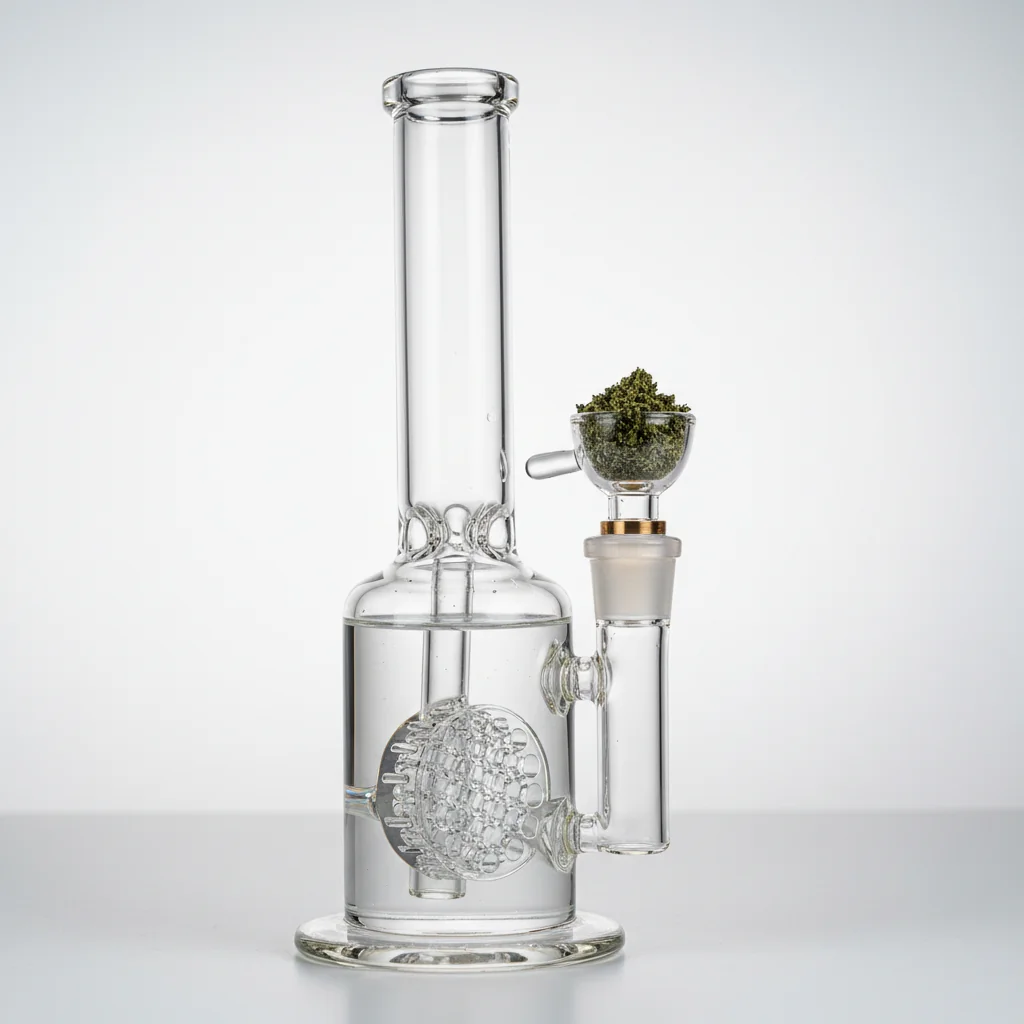
Perkolatory to systemy filtracji wewnątrz bongów, które rozbijają dym na mniejsze bąbelki, chłodząc i filtrując każde uderzenie. Badania z badań PubMed badają, jak filtracja wodna wpływa na skład dymu. Różne projekty perkolatorów oferują różne poziomy gładkości, oporu i łatwości czyszczenia. Ten przewodnik wyjaśnia każdy główny typ perkolatora, abyś mógł wybrać odpowiedni dla swoich preferencji.
Szybka odpowiedź
Najczęstsze typy perkolatorów to: perkolatory drzewkowe (wiele ramion), perkolatory kompozytowe (płaski dysk z otworami), perkolatory prysznicowe (szczelinowa kopuła), perkolatory inline (pozioma rura) i perkolatory turbinowe (kątowe szczeliny tworzące wir). Perkolatory kompozytowe i matrycowe zapewniają maksymalną dyfuzję, ale większy opór. Perkolatory drzewkowe oferują równowagę między gładkością a przepływem powietrza. Prostsze projekty, takie jak downstemy i prysznice, są najłatwiejsze do czyszczenia.
Jak działają perkolatory
Podstawowa zasada:
Wszystkie perkolatory działają, zmuszając dym do przejścia przez wodę przez małe otwory lub szczeliny. To rozbija dym na wiele małych bąbelków, które:
1. Zwiększają powierzchnię kontaktu z wodą
2. Skuteczniej chłodzą dym
3. Filtrują więcej cząsteczek
4. Dostarczają gładsze uderzenia
Kluczowy kompromis:
Większa dyfuzja (mniejsze bąbelki, więcej otworów) = gładsze uderzenia, ale trudniejszy ciąg i więcej wymagane czyszczenia.
Downstem (oryginalny perkolator)
Czym jest:
Prosta rura rozciągająca się od miski do wody, zazwyczaj z szczelinami na dole.
Jak to działa:
- Dym przemieszcza się w dół rury
- Wychodzi przez szczeliny do wody
- Podstawowa, ale skuteczna filtracja
Zalety:
- Prosta i niezawodna
- Łatwa do czyszczenia
- Łatwa do wymiany
- Minimalny opór
- Tania
Przechowuj swoją marihuanę w pojemniku zapobiegającym zapachom aby zachować jakość między sesjami.
Wady:
- Mniejsze rozproszenie niż zaawansowane perkolatory
- Może się złamać, jeśli upadnie
- Podstawowa filtracja tylko
Najlepsze dla: Początkujących, tych którzy chcą prostoty, łatwej konserwacji
Poziom rozproszenia: Niski do średniego (zależy od liczby szczelin)
Perkolator drzewkowy
Co to jest:
Wiele ramion (zazwyczaj 4-16) rozciągających się w dół z centralnego rdzenia, każde z szczelinami na dole.
Jak to działa:
- Dym wchodzi do centralnej komory
- Rozprowadza się przez wiele ramion
- Każde ramie uwalnia bąbelki przez szczeliny
- Więcej ramion = więcej rozproszenia
Wariacje:
- 4-ramienne drzewo (podstawowe)
- 8-ramienne drzewo (standardowe)
- 12-16 ramienne drzewo (intensywne rozproszenie)
- Modele stałe vs. wymienne
Zalety:
- Doskonała równowaga między rozproszeniem a oporem
- Imponujący wizualnie
- Gładkie uderzenia
- Dostępne w wielu konfiguracjach
Wady:
- Ramiona mogą się złamać
- Trudniejsze do czyszczenia niż proste perkolatory
- Droższe
- Jakość znacznie się różni
Najlepsze dla: Użytkowników pragnących gładkich uderzeń z umiarkowanym oporem, estetycznego wyglądu
Poziom rozproszenia: Średni do wysokiego
Perkolator kompozytowy
Co to jest:
Płaski dysk z dziesiątkami małych otworów, umieszczony poziomo w rurze.
Jak to działa:
- Dym przechodzi przez dysk w górę
- Każda dziura tworzy małą bańkę
- Ogromna powierzchnia kontaktu
- Często układane w stosy (2-3 dyski)
Wariacje:
- Pojedyncza kompozytowa
- Podwójnie/trzykrotnie ułożona
- Różne rozmiary otworów
- Połączone z innymi perkolatorami
Zalety:
- Maksymalna dyfuzja
- Bardzo gładkie uderzenia
- Niski profil
- Trwałe (brak delikatnych części)
- Można układać wiele dysków
Wady:
- Znaczny opór (trudniejsze zaciąganie)
- Łatwo się zatyka bez regularnego czyszczenia
- Może zmniejszać intensywność smaku
- Wymaga więcej wody
Najlepsze dla: Użytkowników, którzy priorytetowo traktują gładkość nad łatwością zaciągania, smak nie jest głównym zmartwieniem
Poziom dyfuzji: Bardzo wysoki
Perkolator prysznicowy
Czym jest:
Kopuła lub rura z szczelinami wokół dolnej krawędzi, przypominająca głowicę prysznicową.
Jak to działa:
- Dym wchodzi do komory kopuły
- Wychodzi przez szczeliny wokół obwodu
- Tworzy pierścień bąbelków
- Czysty, efektywny design
Wariacje:
- Standardowa głowica prysznicowa (pionowa kopuła)
- Perkulator UFO (spłaszczona głowica prysznicowa)
- Perkulator oponowy (poziomy dysk z krawędziowymi szczelinami)
- Różna liczba szczelin
Zalety:
- Dobra dyfuzja bez nadmiernego oporu
- Relatywnie łatwe do czyszczenia
- Trwała konstrukcja
- Spójna wydajność
Wady:
- Mniejsze rozproszenie niż w przypadku kompozytów
- Może pryskać, jeśli poziom wody jest niewłaściwy
- Jakość różni się w zależności od producenta
Najlepsze dla: Równowaga gładkości, przepływu powietrza i łatwości czyszczenia
Poziom rozproszenia: Średni do wysokiego
Perkolator inline
Czym jest:
Pozioma rura z szczelinami wzdłuż długości, umieszczona u podstawy bonga.
Jak to działa:
- Dym wchodzi do poziomej rury
- Wychodzi przez wiele szczelin wzdłuż długości
- Tworzy linię bąbelków
- Często łączony z innymi perkolatorami powyżej
Warianty:
- Standardowy inline (pojedyncza rura)
- Gridded inline (siatka szczelin)
- Stereo matrix (dwie równoległe rury)
- Różne wzory szczelin
Zalety:
- Niski opór dla dobrego rozproszenia
- Solidna konstrukcja
- Dobra baza do układania perkolatorów
- Równomierne rozkładanie bąbelków
Wady:
- Zajmuje poziomą przestrzeń
- Może być trudniejszy do czyszczenia
- Ograniczone do niektórych kształtów bongów
Najlepsze dla: Użytkowników pragnących rozproszenia z minimalnym oporem, podstawowy perkolator w układach wieloperkolatorowych
Poziom rozproszenia: Średni
Perkolator Turbine (Cyklon)
Czym jest:
Dysk z kątowymi szczelinami, które tworzą wir wodny i dymny.
Jak to działa:
- Dym przechodzi przez kątowe szczeliny
- Tworzy efekt wirującego tornada
- Woda rozpryskuje się po bokach rury
- Wizualny i funkcjonalny
Warianty:
- Pojedyncza turbina
- Podwójna turbina
- Połączona z innymi perkolatorami
- Różne konfiguracje kątowe
Zalety:
- Wizualnie oszałamiający
- Zapobiega rozpryskom
- Dobra dyfuzja
- Umiarkowany opór
Wady:
- Poziom wody musi być precyzyjny
- Mniejsza dyfuzja niż w przypadku kompozytu plastra miodu
- Może być głośny
- Wymaga czystej wody dla efektu wizualnego
Najlepsze dla: Użytkowników, którzy cenią estetykę i zapobieganie rozpryskom, umiarkowaną dyfuzję
Poziom dyfuzji: Średni
Perkolator Matrix
Czym jest:
Cylinder z poziomymi i pionowymi szczelinami tworzącymi wzór siatki.
Jak to działa:
- Dym wchodzi do środka cylindra
- Wychodzi przez siatkę szczelin
- Ogromny obszar dyfuzji
- Tworzy wiele małych bąbelków
Warianty:
- Standardowy matrix
- Matrix stereo (podwójny)
- Różne gęstości siatki
- Połączony z innymi perkolatorami
Zalety:
- Doskonała dyfuzja
- Gładkie uderzenia
- Kompaktowy design
- Trwały (brak cienkich ramion)
Wady:
- Wysoki opór
- Trudne do czyszczenia wewnątrz
- Zatyka się bez konserwacji
- Może tłumić smaki
Najlepsze dla: Poszukiwaczy maksymalnej gładkości, tych, którzy regularnie czyszczą
Poziom dyfuzji: Bardzo wysoki
Szwajcarski perkolator
Czym jest:
Pionowy dysk z dużymi otworami, przypominający szwajcarski ser.
Jak to działa:
- Dym przepływa wokół otworów
- Tworzy turbulencje i dyfuzję
- Woda wypełnia przestrzeń wokół otworów
- Unikalna estetyka
Warianty:
- Standardowy szwajcarski
- Fab egg (zaokrąglony kształt)
- Różne rozmiary i wzory otworów
Zalety:
- Bardzo gładkie uderzenia
- Piękny design
- Dobra dyfuzja przy niskim oporze
- Łatwe do zobaczenia poziomu wody
Wady:
- Złożone w produkcji (drogie)
- Może być delikatne
- Trudniejsze do czyszczenia
- Premium cena
Najlepsze dla: Kolekcjonerów, tych, którzy chcą unikalnej estetyki z funkcjonalnością
Poziom dyfuzji: Średni do wysokiego
Perkolator z dyskiem fritowanym
Czym jest:
Dysk wykonany z cząsteczek szkła spiekanego, tworzący tysiące mikroskopijnych otworów.
Jak to działa:
- Dym przechodzi przez porowaty dysk
- Tworzy niezwykle drobne bąbelki
- Maksymalne możliwe rozprzestrzenienie
- Prawie jak pianka
Zalety:
- Najgładsze możliwe uderzenia
- Maksymalna filtracja
- Unikalne doświadczenie
Wady:
- Ekstremalnie wysoki opór
- Bardzo szybko się zatyka
- Prawie niemożliwe do całkowitego wyczyszczenia
- Wymaga częstej konserwacji
- Niepraktyczne do codziennego użytku
Najlepsze dla: Okazjonalnego użytku, entuzjastów gładkości, doświadczonych użytkowników
Poziom dyfuzji: Ekstremalny
Porównanie typów perkolatorów
Pojedyncze vs. Wielokrotne perkolatory
Bongi z pojedynczym perkolatorem:
- Łatwiejsze do czyszczenia
- Mniejsze opory
- Lepsze zachowanie smaku
- Niższa cena
- Prostsza funkcja
Bongi z wieloma perkolatorami:
- Gładsze uderzenia
- Więcej filtracji
- Chłodniejszy dym
- Wyższe opory
- Większa konserwacja
- Wyższa cena
Mit o układaniu:
Więcej perkolatorów nie zawsze oznacza lepiej. Dwa wysokiej jakości perkolatory przewyższają cztery tanie. Po 2-3 perkolatorach uzyskujesz malejące korzyści i znaczny wzrost oporów.
Wybór odpowiedniego perkolatora
Priorytet: gładkość?
Wybierz: kompozytowy, matrycowy lub dysk fritowany
Oczekuj: większych oporów, więcej czyszczenia
Priorytet: łatwe ciągnięcie?
Wybierz: dolny trzon, inline lub prysznicowy
Oczekuj: mniej dyfuzji, ale nadal gładko
Priorytet: łatwe czyszczenie?
Wybierz: dolny trzon, prysznicowy lub turbina
Unikaj: perkolatorów drzewiastych, dysków fritowanych
Priorytet: smak?
Wybierz: prosty dolny trzon lub pojedynczy prysznicowy
Unikaj: perkolatorów o dużej dyfuzji (one również filtrują smak)
Priorytet: estetyka?
Wybierz: szwajcarskie, turbiny lub perkolatory drzewiaste
Te zapewniają wizualne zainteresowanie, jednocześnie dobrze funkcjonując
Utrzymanie perkolatorów
Wszystkie perkolatory wymagają regularnego czyszczenia:
- Płucz gorącą wodą po każdym użyciu
- Głębokie czyszczenie co tydzień (alkohol + sól)
- Bardziej złożone perkolatory wymagają większej uwagi
- Zatkane perkolatory nie działają prawidłowo
Znaki, że twój perkolator wymaga czyszczenia:
- Ograniczony przepływ powietrza
- Nierównomierne bąbelkowanie
- Widoczny osad
- Inny dźwięk podczas ciągnięcia
Podsumowanie
Dla początkujących: Zacznij od prostego downtube'a lub perka prysznicowego. Poznaj swoje preferencje przed zainwestowaniem w skomplikowane projekty.
Dla codziennych użytkowników: Perki prysznicowe lub inline oferują najlepszą równowagę między gładkością a konserwacją.
Dla poszukiwaczy gładkości: Perki w kształcie plastra miodu lub matrycowe zapewniają maksymalną dyfuzję, ale wymagają regularnego czyszczenia.
Dla kolekcjonerów: Perki szwajcarskie i wysokiej jakości perki drzewkowe oferują zarówno funkcjonalność, jak i estetykę.
Pamiętaj: najlepszy perkolator to taki, który będziesz rzeczywiście czyścić i konserwować. Brudny perkolator w kształcie plastra miodu działa gorzej niż czysty downtube.
Ten przewodnik ma charakter edukacyjny. Prawo dotyczące konopi różni się w zależności od jurysdykcji.
Frequently Asked Questions
Perkolatory kompozytowe i matrycowe zazwyczaj zapewniają najgładsze uderzenia dzięki maksymalnej dyfuzji przez wiele małych otworów. Jednak większa dyfuzja oznacza większy opór. Perkolatory drzewkowe z 8+ ramionami również doskonale radzą sobie z gładkością.
Niekoniecznie. Chociaż wiele perkolatorów zwiększa filtrację i gładkość, dodają również opór (trudniej się ciągnie), utrudniają czyszczenie i mogą zmniejszać intensywność smaku. 1-2 wysokiej jakości perkolatory często przewyższają 3+ tanie.
Małe otwory lub szczeliny, brudne perkolatory lub niewłaściwy poziom wody powodują nadmierny opór. Spróbuj obniżyć poziom wody, dokładnie wyczyścić lub zaakceptować, że perkolatory o dużej dyfuzji (kompozytowe, matrycowe) naturalnie mają większy opór.
Related Guides
Ash Catcher Guide: Keep Your Bong Clean Longer
Complete guide to ash catchers for bongs: what they do, types including dry and percolator ash catchers, joint sizes and angles, how to use and clean them, and how to choose the right one.

Ash Catchers: What They Do and Why Use One
Learn what ash catchers do, how they keep your bong clean, and whether you need one. Understand different types, how to choose the right size, and maintenance tips.
Beaker vs Straight Tube Bongs: Which Style is Better?
Comprehensive guide about beaker vs straight tube bongs: which style is better?. Learn everything you need to know with expert tips and detailed instructions.