

Jak czyścić silikonowe bongo i fajki: bezpieczne metody

Emma Chen
Glass Specialist
Jak czyścić silikonowe bongo i fajki: bezpieczne metody
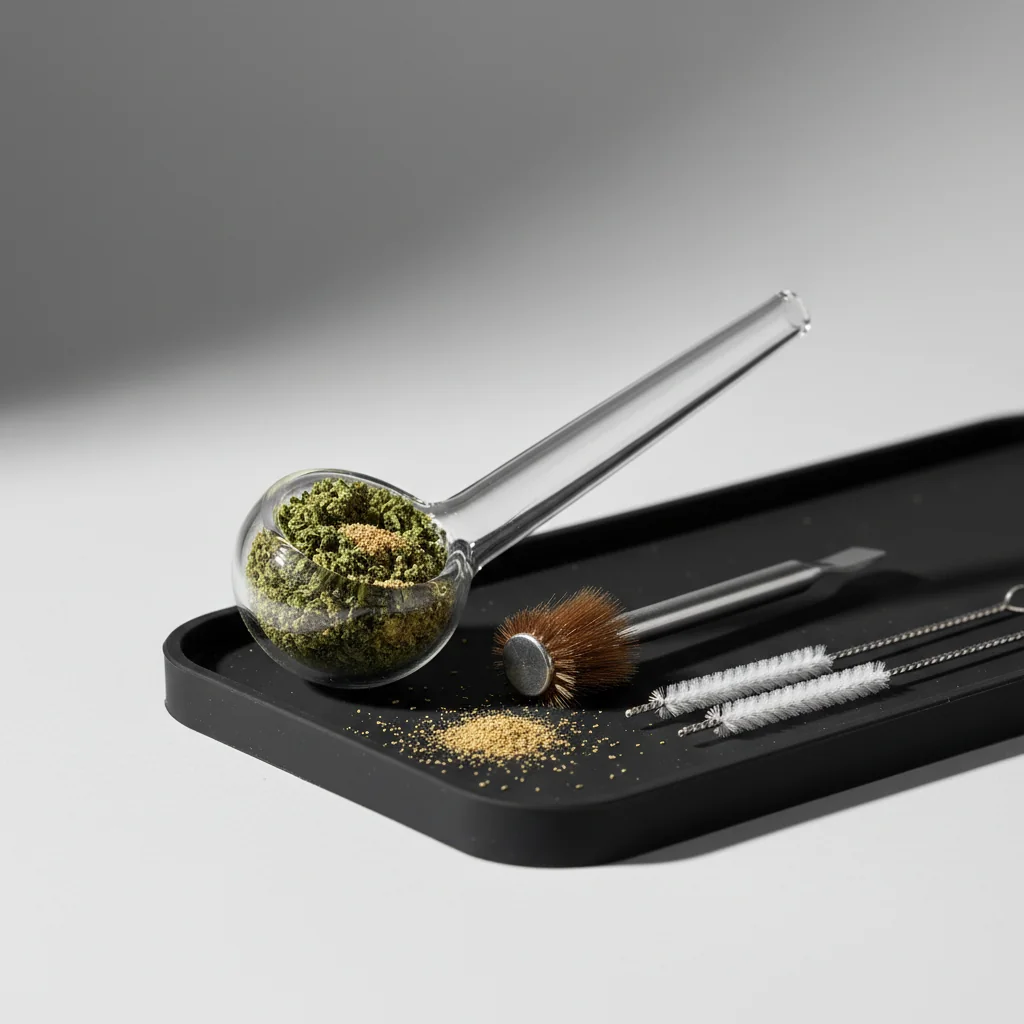
Silikonowe akcesoria do palenia są trwałe i odporne na stłuczenia, ale wymagają innych metod czyszczenia niż szkło. Użycie niewłaściwego środka czyszczącego (takiego jak alkohol izopropylowy) może trwale uszkodzić silikon. Niezależnie od tego, czy czyścisz silikonowe pojemniki z kolekcji MunchMakers do przechowywania bez zapachów czy silikonowe fajki, ten przewodnik obejmuje bezpieczne i skuteczne techniki czyszczenia.
Szybka odpowiedź
Aby wyczyścić silikon: użyj tylko ciepłej wody i mydła do naczyń - nigdy alkoholu izopropylowego. Szoruj miękką szczotką, dokładnie spłucz, całkowicie wysusz na powietrzu. Większość silikonowych elementów nadaje się do mycia w zmywarce (górny kosz, bez suszenia na gorąco). W przypadku zapachów użyj pasty z sody oczyszczonej na noc.
Dlaczego silikon wymaga innego czyszczenia
Problem z alkoholem:
- Alkohol izopropylowy degraduje silikon z czasem
- Powoduje kruchość i pęknięcia
- Może prowadzić do odbarwienia
- Może wpływać na bezpieczeństwo spożywcze
Co działa dla silikonu:
- Mydło do naczyń i woda
- Soda oczyszczona (na zapachy)
- Zmywarka (górny kosz)
- Metoda zamrażania (na uporczywą żywicę)
Artykuł na Wikipedii o silikonie wyjaśnia, jak unikalne właściwości tego materiału sprawiają, że jest odporny na ekstremalne temperatury, jednocześnie będąc podatnym na niektóre rozpuszczalniki.
Metoda mydła i wody
To jest twoja podstawowa technika czyszczenia silikonu.
Krok 1: Rozmontuj
Usuń wszystkie części, które nie są silikonowe:
- Szklane miski i rurki
- Metalowe sitka
- Wszystkie wymienne elementy
- Czyść je osobno odpowiednimi metodami
Krok 2: Płukanie ciepłą wodą
Wstępne płukanie usuwa luźne zanieczyszczenia:
- Użyj ciepłej (nie gorącej) wody
- Wstrząśnij, aby uwolnić luźne cząsteczki
- Niech woda przepływa przez wszystkie otwory
Krok 3: Dodaj płyn do naczyń
Nałóż płyn do naczyń wewnątrz:
- Kilka kropli standardowego płynu do naczyń
- Dawn, Palmolive lub podobne dobrze się sprawdzają
- Napełnij częściowo ciepłą wodą
- Wstrząśnij, aby stworzyć pianę
Krok 4: Szorowanie
Użyj szczotki z miękkim włosiem:
- Szczotki do butelek dobrze się sprawdzają
- Czyściki do rur dla wąskich miejsc
- Nie używaj szorstkich gąbek (mogą zarysować)
- Skup się na obszarach z widocznym osadem
Dla uporczywych plam: Pozwól, aby mydlana woda stała przez 30-60 minut przed szorowaniem.
Krok 5: Dokładne płukanie
Usuń cały płyn:
- Wielokrotne płukanie czystą wodą
- Wstrząśnij, aby oczyścić wszystkie przejścia
- Kontynuuj, aż woda będzie czysta
- Nie powinno pozostać resztek mydła
Krok 6: Dokładne osuchanie
Osuchaj na powietrzu przed użyciem lub przechowywaniem:
- Ustaw do góry nogami, aby odcedzić
- Upewnij się, że cała woda wypływa
- Pozwól, aby całkowicie wyschło na powietrzu
- Nie przechowuj, gdy jest wilgotne (zapobiega pleśni)
Metoda zmywarki
Większość silikonu spożywczego nadaje się do zmywarki.
Przed myciem w zmywarce
Sprawdź:
- Producent mówi, że nadaje się do zmywarki
- Usuń wszystkie szklane i metalowe części
- Upewnij się, że to silikon spożywczy
Ustawienia zmywarki
Zrób:
- Używaj tylko górnej półki
- Normalny cykl
- Standardowy detergent do naczyń
Nie rób:
- Używaj cyklu suszenia na gorąco (może odkształcić)
- Umieszczaj w pobliżu elementu grzewczego
- Używaj z ostrymi przyborami, które mogą przebić
Po myciu w zmywarce
- Sprawdź, czy pozostały resztki
- Całkowicie wysusz na powietrzu przed ponownym złożeniem
- Sprawdź, czy nie ma uszkodzeń lub odkształceń
Metoda mrożenia
Dla żywicy, która nie ustępuje pod wpływem mydła i wody.
Jak to działa
Silikon jest elastyczny, żywica nie. Mrożenie sprawia, że żywica staje się krucha, podczas gdy silikon pozostaje giętki — co pozwala na zgięcie elementu i odłamanie zamrożonej żywicy.
Kroki
1. Spłucz aby usunąć luźne zanieczyszczenia
2. Zamroź na 2-4 godziny (lub na noc)
3. Usuń z zamrażarki
4. Natychmiast zgiń silikon — zginaj, delikatnie skręcaj
5. Zamrożona żywica pęknie i odpadnie
6. Spłucz z ciepłą wodą
7. Powtórz jeśli to konieczne
Wskazówki
- Działaj szybko, zanim silikon się rozgrzeje
- Nie wymuszaj, jeśli coś nie chce się uwolnić
- Można połączyć z czyszczeniem mydłem później
Usuwanie zapachów z silikonu
Silikon może wchłaniać zapachy z czasem. Oto jak go odświeżyć:
Metoda pasty z sody oczyszczonej
Najskuteczniejsza na uporczywe zapachy:
1. Przygotuj gęstą pastę (3:1 soda oczyszczona do wody)
2. Nałóż wewnątrz elementu, pokrywając wszystkie powierzchnie
3. Pozostaw na noc (8+ godzin)
4. Dokładnie spłucz
5. Powtórz, jeśli zapach się utrzymuje
Kąpiel w sodzie oczyszczonej
Na lżejsze zapachy:
1. Rozpuść 2 łyżki sody oczyszczonej w ciepłej wodzie
2. Moczyć silikonowy element przez noc
3. Spłucz i osusz
Metoda światła słonecznego
Naturalne odświeżanie zapachów:
1. Najpierw oczyść element mydłem i wodą
2. Umieść w bezpośrednim świetle słonecznym na 4-6 godzin
Promienie UV pomagają rozkładać związki powodujące zapachy
4. Nie zostawiaj na dłuższy czas (może wyblaknąć kolory)
Płukanie octem
Łagodne odświeżanie zapachów:
1. Płucz rozcieńczonym octem białym (1:1 z wodą)
2. Następnie dokładnie spłucz wodą
3. Działa na lekkie zapachy
Czego NIE robić
Nigdy nie używaj alkoholu izopropylowego
- Degraduje strukturę silikonu
- Powoduje kruchość z czasem
- Może powodować pęknięcia i rozdarcia
- Znacząco skraca żywotność
Unikaj silnych chemikaliów
Nie używaj:
- Wybielacza
- Acetonu
- Nadtlenku wodoru (wysokie stężenia)
- Komercyjnych środków do czyszczenia szkła
- Środków czyszczących ściernych
Nie używaj ekstremalnego ciepła
- Nie wrzącej wody (może odkształcić)
- Nie używaj mikrofalówki
- Trzymaj z dala od otwartego ognia
- Pomiń podgrzewane suszenie w zmywarce
Unikaj narzędzi ściernych
- Nie używaj drucianych gąbek
- Nie używaj szczotek z twardym włosiem
- Nie używaj ściernych gąbek
- Mogą zarysować i gromadzić bakterie
Częstotliwość czyszczenia
Codziennie/Po każdym użyciu
- Opróżnij wodę
- Szybkie spłukanie czystą wodą
- Pozwól na odparowanie przed przechowywaniem
Co tydzień (dla regularnych użytkowników)
- Pełne czyszczenie mydłem i wodą
- Szoruj wszystkie powierzchnie szczotką
- Sprawdź, czy nie ma nagromadzenia zapachów
Co miesiąc (lub w razie potrzeby)
- Głębokie czyszczenie metodą zamrażania, jeśli to konieczne
- Zabieg z sodą oczyszczoną na zapachy
- Sprawdź pod kątem uszkodzeń lub zużycia
Czyszczenie różnych elementów silikonowych
Silikonowe bongo
- Najpierw usuń szklaną miseczkę i rurkę
- Czyść podstawę i szyjkę osobno
- Upewnij się, że łapacze na lód są czyste
- Elastyczny design ułatwia dostęp do wnętrza
Silikonowe fajki
- Zazwyczaj łatwiejsze do czyszczenia
- Czyściki do fajek do miseczki i komory
- Mydło i woda działają dobrze
- Może być konieczne częstsze leczenie zapachów (mniejsze kawałki zatrzymują zapach)
Pojemniki silikonowe
- Ta sama metoda mydła i wody
- Zwróć uwagę na uszczelki pokryw
- Wymień, jeśli uszczelka zostanie uszkodzona
- Nie przechowuj mokrych (może rozwijać się pleśń)
Mata/podkładki silikonowe
- Zazwyczaj wystarczy przetrzeć wilgotną szmatką
- Mydło i woda do głębszego czyszczenia
- Położyć płasko do wyschnięcia
- Często można myć w zmywarce
Zapobieganie osadom
Wskazówki dla łatwiejszego czyszczenia:
- Często zmieniaj wodę (jeśli dotyczy)
- Nie pozwól, aby żywica wyschła na powierzchniach
- Szybkie spłukanie po każdej sesji
- Przechowuj w czystym, suchym miejscu
- Używaj ekranów, aby zredukować bezpośredni kontakt
Kiedy wymienić
Silikon jest trwały, ale nie wieczny. Wymień, jeśli zauważysz:
- Pęknięcia lub rozdarcia
- Utrzymujący się zapach po głębokim czyszczeniu
- Zabarwienie, które wpływa na funkcję
- Utrata elastyczności
- Uszkodzone uszczelki lub połączenia
Średnia żywotność: 2-5 lat przy odpowiedniej pielęgnacji, w zależności od częstotliwości użytkowania.
Ten przewodnik ma charakter edukacyjny. Prawo dotyczące konopi różni się w zależności od jurysdykcji.
Step 1:
Step 2:
Step 3:
Step 4:
Step 5:
Frequently Asked Questions
Tak, większość silikonu spożywczego nadaje się do mycia w zmywarce. Użyj górnego kosza i pomiń cykl suszenia na gorąco. Najpierw usuń wszystkie szklane i metalowe części. Sprawdź wytyczne producenta.
Related Guides
Best Bong Cleaning Solutions: DIY vs Commercial Products
Comprehensive guide about best bong cleaning solutions: diy vs commercial products. Learn everything you need to know with expert tips and detailed instructions.

Cannabis Accessory Cleaning Schedule: Daily, Weekly, Monthly
Create the perfect cleaning routine for all your cannabis accessories. Learn what needs daily attention, weekly cleaning, and monthly deep cleaning for optimal hygiene.

How to Clean Pipe Screens and Bowl Pieces
Learn proper techniques for cleaning metal and glass screens, bowl pieces, and downstems. Restore airflow and extend the life of your smoking accessories.