

Wyjaśniono typy rur szklanych: Kompletny przewodnik po urządzeniach do palenia

Emma Chen
Glass Specialist
Wyjaśniono typy rur szklanych: Kompletny przewodnik po urządzeniach do palenia
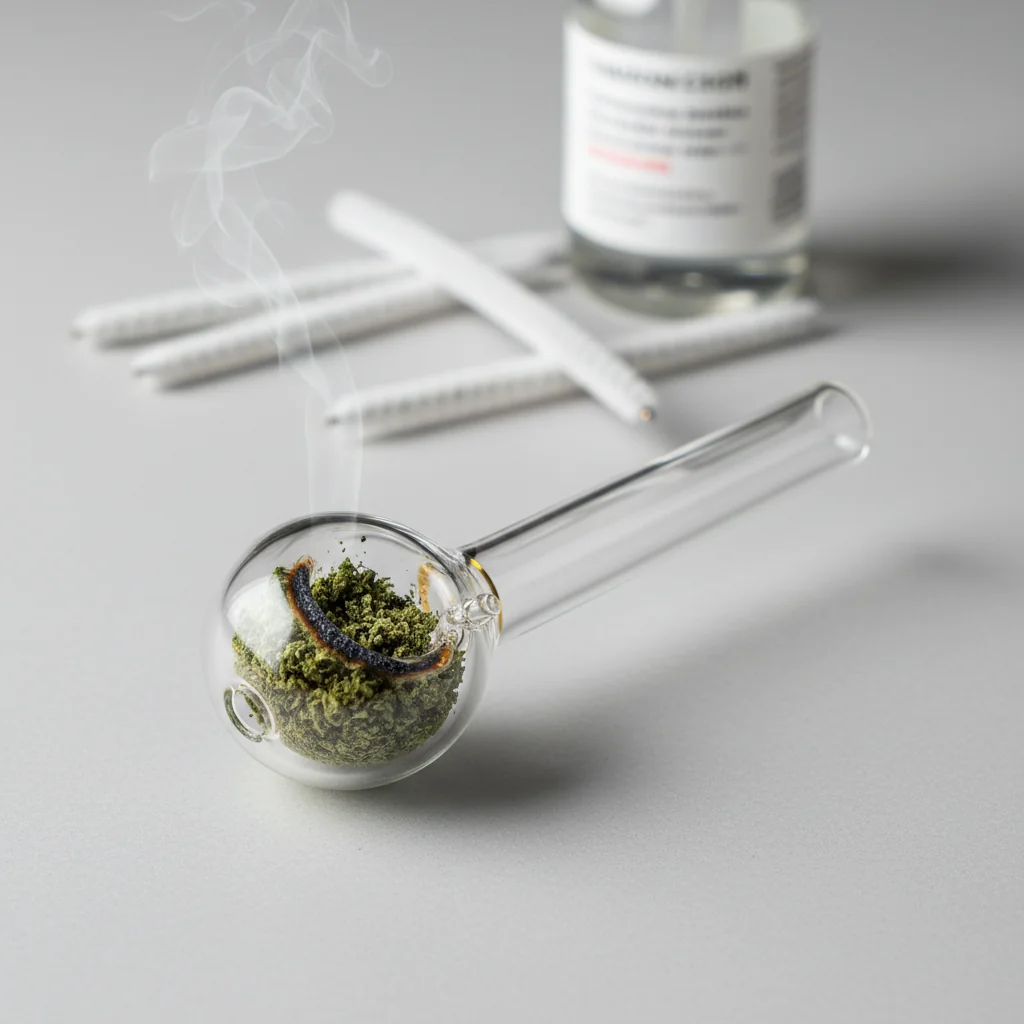
Rury szklane występują w wielu kształtach i rozmiarach, z których każda ma unikalne cechy, które wpływają na twoje wrażenia z palenia. Od prostych rur łyżkowych po złożone bubblery, zrozumienie różnic pomaga wybrać odpowiedni element do swoich potrzeb.
szybka odpowiedź
Główne typy rur szklanych to: rury łyżkowe (najczęściej zakrzywione z węglowodanami), rury Sherlock (zakrzywiona szyja, elegancka), walec parowy (uderzenia intensywne, duże węglowodany), chillums/jedno-zacisk (proste rurki, małe) i bąbelki (filtracja wody). Każdy z nich oferuje inną przenośność, intensywność trafienia i poziomy płynności.
Dlaczego szkło?
Przed zagłębieniem się w typy, dlaczego warto wybrać szkło zamiast innych materiałów?
Zalety szkła:
- czysty smak- bez dodatków smakowych z materiału
- Łatwy do czyszczenia- powierzchnia nieporowata
- Odporny na ciepło- Szkło borokrzemowe uchwyty do wysokich temperatur
- Atrakcyjność wizualna- piękne kolory i wzory
- rozmaitości- większość dostępnych stylów
Minusy:
- słabowity- Może pęknąć, jeśli upuszczony
- ciepłota- nagrzewa się podczas dłuższego użytkowania
- oceniać-Jaka jakość szkła kosztuje więcej
Przeglądaj jakośćFajki do palenia w MunchmakersDla różnych stylów i wzorów. Informacje o pielęgnacji rur szklanych,ziołoDostarcza przydatne przewodniki.
Typ 1: rury łyżkowe
Najpopularniejszy typ rury szklanej. Nazwany na cześć ich kształtu przypominającego łyżkę.
Charakterystyka:
- Okrągła miska na jednym końcu
- Otwór węglowy na boku
- zakrzywione ciało
- Prosty ustnik
- Rozmiar: zazwyczaj 3-6 cali
Plusy:
- bardzo przenośny
- Łatwy w użyciu
- Niedrogie (15-50 USD)
- Dostępna szeroka gama
- Idealny dla początkujących
Minusy:
- może być gorąco
- Brak filtracji wody
- Mniejsze trafienia niż większe kawałki
Najlepsze dla:
- początkujący
- Codzienne użytkowanie
- podróż
- Sesje solo
- Szybkie trafienia
Jak używać:
1. Miska pakowania z mieloną marihuaną
2. Przykryj węglowodany palcem
3. Jasna krawędź miski podczas wdechu
4. Wypuść węglowodany do przezroczyste
Typ 2: rury Sherlock
Nazwany na cześć kultowej zakrzywionej rury Sherlocka Holmesa. Elegancki i charakterystyczny.
Charakterystyka:
- Szyja zakrzywiona S lub zakrzywiona J
- Miska wisi pod ręką
- dłuższa ścieżka
- Często bardziej ozdobne wzory
- Rozmiar: 5-8 cali
Plusy:
- Chłodniejszy dym (dłuższa ścieżka)
- Wygodny uchwyt
- Stylowy wygląd
- Miska trzyma się z dala od twarzy
- Świetny kawałek do rozmowy
Minusy:
- Mniej przenośny (zakrzywiony kształt)
- Może być od góry ciężki
- Często droższe
- Trudniej oczyścić
Najlepsze dla:
- Do użytku domowego
- Użytkownicy zorientowani na estetykę
- Ci, którzy chcą chłodniejszych hitów
- Wyświetlacz/kolekcja
Wariacje:
- Rury Gandalf- Bardzo długa szyja (10-14 cali)
- Stojący Sherlock- Płaskie dno do wyświetlania
- Mini Sherlock- Wersja kompaktowa
Typ 3: Rury parowe walców
Cylindryczne rury znane z intensywnych, mocnych hitów.
Charakterystyka:
- Prosty kształt cylindra
- Miska na górze
- Otwórz na obu końcach
- Duży gaźnik (cały otwór przedni)
- Rozmiar: 4-12 cali
Plusy:
- Ogromne hity
- szybka dostawa
- Fajny projekt
- Brak dymu
- Popularny dla grup
Minusy:
- Bardzo intensywny dla początkujących
- Czy może marnować marihuanę, jeśli nie jest gotowe?
- Ostre hity
- Trudno regulować rozmiar trafienia
Najlepsze dla:
- Doświadczeni użytkownicy
- Sesje grupowe
- Ciężkie hity
- Osoby z wysoką tolerancją
Jak używać:
1. Przykryj przedni węglowodan z dłonią
2. Lekka miska podczas wdechu
3. Zbuduj dym w komorze
4. Zwolnij dłoń, aby wdychać wszystko
przestroga: Wrolki parowe mocno uderzają. Zacznij od małych ilości.
Typ 4: Chillums / One-Hitters
Najprostsza konstrukcja rury - prosta rura.
Charakterystyka:
- Prosty kształt rury
- Brak otworu węglowodanow
- Pojemność małej miski
- bardzo kompaktowy
- Rozmiar: 2-4 cale
Plusy:
- Niezwykle przenoś
- bardzo dyskretne
- Idealny do mikrodozowania
- Prosty w użyciu
- Niedrogie (10-30 USD)
Minusy:
- Bardzo małe trafienia
- szybko się nagrzewa
- Brak kontroli węglowodanów
- Potrzebne częste przepakowywanie
Najlepsze dla:
- Mikrodawkowanie
- Sytuacje ukradkowe
- Korzystanie z usługi
- Konserwacja marihuany
- Początkujący próbują małych kwot
Wariacje:
- Systemy ławek- Jeden hitter + etui do przechowywania
- papierosowy- Ultra-dyskretny design
- Szklane blunty- Mechanizm skręcania na dłuższych sesjach
Typ 5: Bubblery
Most między rurami a bongami - filtracja wody w formie przenośnej.
Charakterystyka:
- Wbudowana komora wodna
- Miska na górze lub z boku
- W zestawie otwór na węglowoda
- Bardziej złożony projekt
- Rozmiar: 4-8 cali
Plusy:
- Gładkie, filtrowane trafienia
- Chłodniejszy dym
- Wciąż przenośny
- Lepsze niż suche rury dla szorstkości
- Bardziej aromatyczne niż bongs
Minusy:
- Potrzebuje wody (mniej wygodne)
- Może się rozlać, jeśli zostanie napiwek
- Trudniej oczyścić
- Droższe (30-100 USD+)
- bulgotanie, gdy mało wody
Najlepsze dla:
- Ci, którzy chcą gładkości bez bongo
- Użytkowanie domowe przede wszystkim
- Użytkownicy zaniepokojeni ostrym
- środek między rurą/bong
Rodzaje bełkot:
- młotkowy bąbel- Kształt młotka, stoi pionowo
- Sherlock Bubbler- zakrzywiona szyja z komorą wodną
- Sidecar Bubbler- ustnik po stronie komory
- Podwójny bełkot- dwie komory wodne
Jak używać:
1. Napełnij komorę wodną (wystarczy, aby zakryć dół)
2. Miska pakowania
3. Pokryj gaźnik, lekki, wdech
4. Zwolnij węglowodany, aby wy
Typ 6: rury specjalistyczne
Mniej powszechne, ale ciekawe wzory:
Rury Gandalf
- Bardzo długa zakrzywiona szyja (10-18 cali)
- bardzo fajny dym
- kawałek oświadczenia
- Kruche, tylko do użytku domowego
Rury dla zwierząt/znaków
- W kształcie zwierząt, twarzy, obiektów
- Wartość kolekcjonerska
- Ekspresja artystyczna
- Różne funkcje
Rury grawitacyjne
- Użyj wody i ciśnienia powietrza
- Intensywne hity
- Unikalne doświadczenie
- Wymagana większa konfiguracja
Rury zmieniające kolor
- Srebrny/złoty dymiący w szkle
- Zmienia kolor z użyciem (żywica ujawnia wzór)
- Popularny ze względu na estety
- Ta sama funkcjonalność jak standard
Tabela porównawcza
Jak wybrać
Dla początkujących:
Zacznij od łyżki fajki
- Prosty w użyciu
- atrakcyjny
- Wybaczanie, jeśli upuszczone (grube szkło)
- Łatwa do nauczenia technika
Dla gładkich trafień:
Idź po bełkot
- Filtracja wody pomaga
- Mniej surowości
- Nadal wystarczająco przenośny
Dla ciężkich użytkowników:
Rozważ wołek parowy lub większą łyżkę
- Większe komory
- Więcej pojemności
- Wydajny do częstego użytkowania
Do dyskretnego użytku:
Wybierz chillum/jedno uderzenie
- Kompaktowy rozmiar
- Szybkie użycie
- Łatwy do ukrycia
Do wyświetlania w domu:
Sherlock lub dzieło artystyczne
- Piękne projekty
- Rozpoczęcie rozmowy
- może być sztuką funkcjonalną
Wskaźniki jakości
Dobre znaki:
- gęste szk- bardziej wytrzymały
- Gładkie stawy- bez szorstkich krawędzi
- Nawet ściany- spójna grubość
- Węglowy węglowy- Czysty otwór, dobry rozmiar
- Wygodny ustnik- Gładki, odpowiedni rozmiar
- Znana marka/artysta- reputacja jakości
Czerwone flagi:
- Bardzo cienkie szkło
- szorstkie lub ostre krawędzie
- Bąbelki lub niedoskonałości w szkle
- chwiejny lub nierówny projekt
- Zbyt dobra, aby być prawdziwa cena
- Farba zamiast przerobionego szkła
Wskazówki dotyczące pielęgnacji wszystkich typów
Ogólna konserwacja:
- Czyścić regularnie (tygodniowo do codziennego użytku)
- Nie wystawiaj na szybkie zmiany temperatury
- Przechowuj bezpiecznie, gdy nie jest używany
- W razie potrzeby użyj ekranów
- Znokautuj Asha po każdej sesji
Czyszczenie:
- Alkohol izopropylowy + metoda soli działa dla wszystkich
- Bubblery potrzebują więcej uwagi (zmieniaj wodę codziennie)
- Środki do czyszczenia rur do szczegółowej pracy
- Dokładnie spłucz przed użyciem
Często zadawane pytania
Jaka jest najłatwiejsza rura dla początkujących?
Rury łyżkowe są idealne dla początkujących. Są intuicyjne w użyciu, niedrogie i wybaczające. Otwór węglowodanowy uczy właściwej techniki i są łatwe do czyszczenia. Zacznij od grubego, prostego projektu.
Czy bubblery uderzają gładsze niż zwykłe rury?
Tak, bubblery uderzają zauważalnie gładsze, ponieważ woda filtruje i chłodzi dym. Różnica jest znacząca dla użytkowników wrażliwych na surowość. Wymagają jednak wody i są nieco mniej wygodne.
Dlaczego wrolki parowe są tak intensywne?
Wrolki parowe nie mają żadnych ograniczeń - kiedy wypuszczasz duży przedni gaźnik, natychmiast wdychasz całą komorę dymu. Nie ma stopniowego polania jak z małym otworem węglowodanowym. Pełne trafienie przychodzi na raz.
Ten przewodnik jest przeznaczony do celów edukacyjnych. Przepisy dotyczące konopi różnią się w zależności od jurysdykcji.
Frequently Asked Questions
Rury łyżkowe są idealne dla początkujących. Są intuicyjne w użyciu, niedrogie i wybaczające. Otwór węglowodanowy uczy właściwej techniki i są łatwe do czyszczenia. Zacznij od grubego, prostego projektu.
Tak, bubblery uderzają zauważalnie gładsze, ponieważ woda filtruje i chłodzi dym. Różnica jest znacząca dla użytkowników wrażliwych na surowość. Wymagają jednak wody i są nieco mniej wygodne.
Wrolki parowe nie mają żadnych ograniczeń - kiedy wypuszczasz duży przedni gaźnik, natychmiast wdychasz całą komorę dymu. Nie ma stopniowego polania jak z małym otworem węglowodanowym. Pełne trafienie przychodzi na raz.
Related Guides
Best Pipes for Flavor: Materials and Designs That Taste Best
Comprehensive guide about best pipes for flavor: materials and designs that taste best. Learn everything you need to know with expert tips and detailed instructions.
Bubbler vs Dry Pipe: Which is Better for You?
Comprehensive guide about bubbler vs dry pipe: which is better for you?. Learn everything you need to know with expert tips and detailed instructions.

Chillum Pipes: History, Types, and How to Use
Learn about chillum pipes - their ancient Indian origins, different types (glass, clay, stone), and proper cupped-hand smoking technique. Complete guide to this traditional straight-tube pipe.