

大麻濃縮物の保存方法: 効能と風味を維持する

David Martinez
Concentrate Expert
大麻濃縮物の保存方法: 効能と風味を維持する
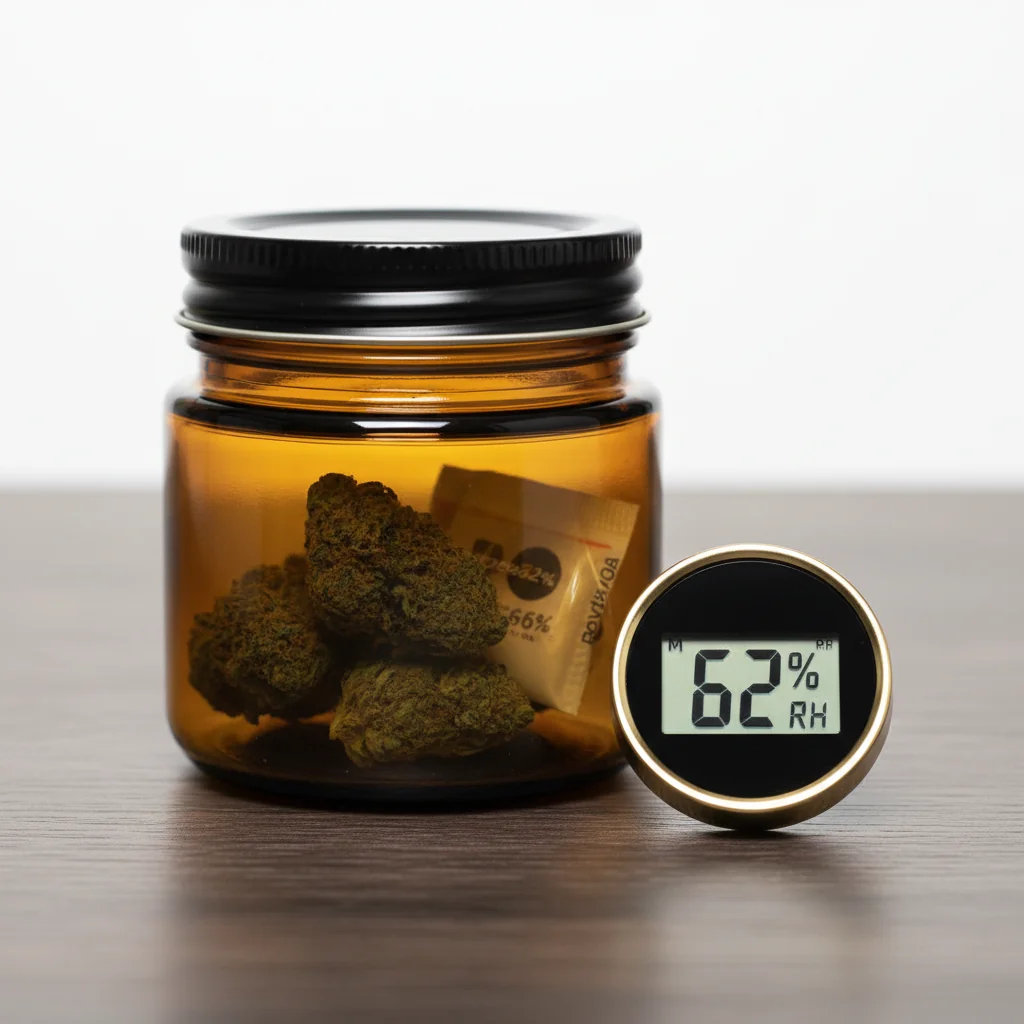
適切な保管は、プレミアム DAB と劣化した失望の違いを意味する場合があります。 濃縮液は、光、熱、空気、湿気に敏感です。保管条件が間違っていると、その効力と風味が損なわれます。 このガイドでは、濃縮物を新鮮に保つために知っておくべきことをすべて説明します。
迅速な答え
濃縮物は、軽い熱、湿気から離れた場所に密閉容器に保管してください。 粘着性の濃縮物 (ワックス、バダー) にはシリコン容器を、安定したものにはガラス/羊皮紙 (粉砕) を使用します。 短期間の場合は室温で保管するか、長期保存する場合は冷蔵してください。 プラスチック容器は避けてください。テルペンはプラスチックを分解して濃縮液を汚染します。
なぜストレージが重要なのか
食品および製品保管科学のために、食品技術者研究所保存研究を発行しています。
濃縮を分解するもの
光(特に紫外線):
- カンナビノイドを分解します
- テルペンを破壊する
- 酸化を引き起こす
- 色を暗くする
熱:
- 劣化を加速
- 一貫性の変更を引き起こす
- テルペンは蒸発する
- 溶けてテクスチャーを台無しにする
空気/酸素:
- カンナビノイドを酸化します
- 時間が経つと効力が下がる
- 味に影響を与える
- 汚染物質を導入することができます
湿気:
- カビの危険性を導入
- 一貫性に影響を与える
- 製品を汚染します
- 健康被害を引き起こす
劣化の兆候
- より暗い色(琥珀色から茶色)
- 一貫性の変更 (硬化または溶融)
- 味覚/香りの低下
- 効果の少ない効果
- いつだって味が悪い軽くたたく
コンテナの種類
シリコン容器
最適:粘着性の濃縮物 (ワックス、バダー、ライブ レジン、ソース)
利点:
- 焦げ付き防止の表面
- 簡単に削り出しやすい製品
- 耐久性があり、壊れません
- 気密シール
- 手頃な価格 ($3-10)
短所:
- 粉砕用ではありません (とにかくスティック)
- 長期保管には不可
- テルペンを長期間にわたって吸収できる
- 低品質のシリコンが浸出する可能性があります
ヒント:
- 食品グレード/医療グレードのシリコンを購入する
- 直火で放置しないでください
- 6 ~ 12 か月ごとに多量の使用に交換してください
ガラス容器
最適:すべての濃縮物、特に長期保存
利点:
- 不活性物質(反応なし)
- テルペン保存に最適
- 内容がよく見える
- 無期限に再利用可能
- UV 保護機能付き
短所:
- 壊れる
- 粘着性の濃縮物は取り除くのが難しい
- シリコンよりも高価
- 一部の一貫性にはパーチメント紙が必要です
ヒント:
- 粘着タイプには羊皮紙の裏地を使用
- ダークまたは UV で保護されたガラスを選択してください
- 気密性を確保する
羊皮紙
最適:粉砕、プルアンドスナップ、安定した一貫性
利点:
- ノンスティックリリース
- 安くて使い捨て
- 分け/輸送が簡単
- どんなコンテナでも使える
短所:
- 気密性が低い
- ワックスコーティングを転写できます
- 湿った濃縮物には適していません
- 経時的に劣化
ヒント:
- 無漂白の羊皮紙を使用する
- 包装された羊皮紙を密閉容器に保管してください
- 折りたたむ、束ねないで
避けるべきこと
プラスチック容器:
- テルペンはプラスチックを分解します
- 化学物質が濃縮液に浸出
- ねばねばした混乱
- 大麻製品には絶対に使用しないでください
ビニール袋:
- 静電気が集中する
- 光/空気からの保護はありません
- 簡単に涙が出る
- 最悪の選択肢
濃縮物の種類別の保管
打ち砕く
ストレージのニーズ:安定しているが温度に敏感
最良の方法:
1. パーチメント紙で包む
2. ガラス容器に入れる
3. 涼しく暗い場所で保管してください
避ける:熱(バダーに変わる)、直射光
ワックス/バダー
ストレージのニーズ:粘着性があり、最も速く劣化します
最良の方法:
1. シリコン容器(短期)
2. 羊皮紙入りガラス (長期)
3. 2 週間以上保管する場合は冷蔵します
避ける:熱、空気露出、室温の拡張ストレージ
ライブ樹脂/ソース
ストレージのニーズ:テルペン保存重要
最良の方法:
1. 密閉性のあるガラス容器
2. 理想的には冷蔵します
3. 空気の露出を最小限に抑える (短時間で開いてください)
避ける:熱(テルペンは蒸発する)、軽く、頻繁に開く
ロージン
ストレージのニーズ:熱に敏感で、すぐに劣化します
最良の方法:
1. ガラス容器
2. 1 週間以上保存する場合は冷蔵庫で保存します
3. ガラスの場合は羊皮紙
避ける:熱、室温の延長
ダイヤモンド/結晶
ストレージのニーズ:最も安定した形
最良の方法:
1. ガラス容器
2です . 室温許容
3. 乾いた状態を保つ
避ける:湿気、過度な取り扱い
温度ガイドライン
室温保存
適切な場合:
- 1~2週間以内に使用
- 気候制御された部屋 (65-75°F)
- 窓や熱源から離れた場所
ベスト プラクティス:
- 暗いキャビネットまたは引き出し
- 一定の温度
- 直射日光が当た
冷蔵庫の保管
適切な場合:
- 2~4週間の保存
- 非常にテルピー濃縮物 (生きた樹脂)
- 暑い気候/ACがない
ベスト プラクティス:
- 気密容器(湿気を防ぎます)
- 開く前に室温まで温めてください
- 冷蔵庫の温度が一定 (36-42°F)
冷凍庫の保管
適切な場合:
- 長期保管(月)
- まとめ買い
- ほとんどアクセスしない Stash
ベスト プラクティス:
- ダブルシール容器(保湿防止)
- 開く前に完全に解凍してください
- 凍結/解凍サイクルの繰り返しを避ける
警告:不適切な冷凍庫の保管は、湿気をもたらし、濃縮物を破滅させます。 気密封止をしてください。
光の保護
光が濃縮物を破壊する理由
紫外線はカンナビノイドの分解を加速します。 THC は CBN に変換されます (効力が低く、鎮静効果が高くなります)。 テルペンは、光にさらされると急速に分解します。
保護方法
不透明なコンテナ:
- 黒シリコン
- アンバー/コバルトガラス
- 別の暗い容器に保管されています
保管場所:
- キャビネットの内側
- 引き出し
- クローゼット
- 窓から離れて
ベスト プラクティスの
空気の露出を最小限に抑える
- コンテナを簡単に開ける
- 必要なものを取り、すぐに閉じます
- 軽くたたきながら蓋を開けないでください
クリーン ツールを使用する
- 献身的ダブツールタイプごとに
- ひずみの間のきれいなツール
- 指で濃縮液に触れないでください (油が劣化します)
セッションの一部
まとめて購入する場合:
1. 主な供給源を長期コンテナに保管する
2. 1 日から 2 週間分を出して、毎日の使用を可能にします。
3. メインの供給はめったにアクセスしない
旅行と持ち運び性
短い旅行(同じ日)
- ポケットの中のシリコン容器は大丈夫です
- 体温(内ポケット)に近づけないでください。
- 暑い車に乗らないで
長旅
- 断熱バッグまたはクーラー
- アイスパック (直接触れない)
- 気密容器の必需品
飛行 (合法的な場合)
- 防臭容器
- 機内持ち込みのままにする (温度制御)
- 目的地で現地の法律を確認する
ストレージのタイムライン
最適な品質
1~2週間:室温、暗く、気密
2~4週間:冷蔵庫
1~6ヶ月:冷蔵庫または冷凍庫
6 か月以上:冷凍庫(きちんと密閉)
まだ使える(劣化)
濃縮物が不適切に保管されているか、長すぎるか:
- 安全に使用できますが、強力ではありません
- 味が減った
- より厳しい味がするかもしれません
- それでも効果的ですが、最適ではありません
トスの時間だというサイン
- 目に見える型 (白いファジー成長)
- 奇妙な匂い(大麻ではない、何かがおかしい)
- ダークブラウン/ブラックへの大幅な色の変更
- 異常なテクスチャー (滑らかで濡れてはいけないときは濡れている)
疑わしいときは、捨ててください。リスクを冒す価値はありません。
まとめ
コンテナの選択:
- シリコン: 粘着性の濃縮物、短期
- ガラス: 全タイプ、長期
- 羊皮紙: 粉砕、安定したタイプ
- 決してプラスチックではない
温度:
- 室温: 1~2 週間
- 冷蔵庫: 2~4 週間
- 冷凍庫: 長期 (きちんと密閉)
保護:
- 暗い容器または暗い保管庫
- 気密シール
- 最小限の取り扱い/オープニング
適切な保管により、高品質の濃縮物への投資が維持されます。 適切なコンテナに数ドルを費やすと、劣化した製品にかなりの費用がかかります。
このガイドは教育目的のものです。 大麻法は法域によって異なります。
Frequently Asked Questions
短期間の保管 (数週間) の場合、涼しく暗い場所での室温で問題ありません。 長期保存 (月) の場合、冷蔵は効力を維持するのに役立ちます。 冷凍庫は非常に長時間の保管に最適ですが、湿気を防ぐために適切なシールが必要です。
Related Guides
Bubble Hash: How to Make Ice Water Hash at Home
Complete guide to making bubble hash at home: equipment needed, choosing starting material, the full extraction process, grading hash quality, proper drying, and how to use bubble hash.
Carb Cap Types: Directional, Bubble, and Spinner Caps
Comprehensive guide about carb cap types: directional, bubble, and spinner caps. Learn everything you need to know with expert tips and detailed instructions.

Carb Caps Explained: Types, Uses, and Why You Need One
Complete guide to carb caps for dabbing. Learn how carb caps work, different types (directional, bubble, spinner), and why they're essential for low-temp dabs.