

ボンパーコレーターの種類の説明: 完全なビジュアル ガイド

Emma Chen
Glass Specialist
ボンパーコレーターの種類の説明: 完全なビジュアル ガイド
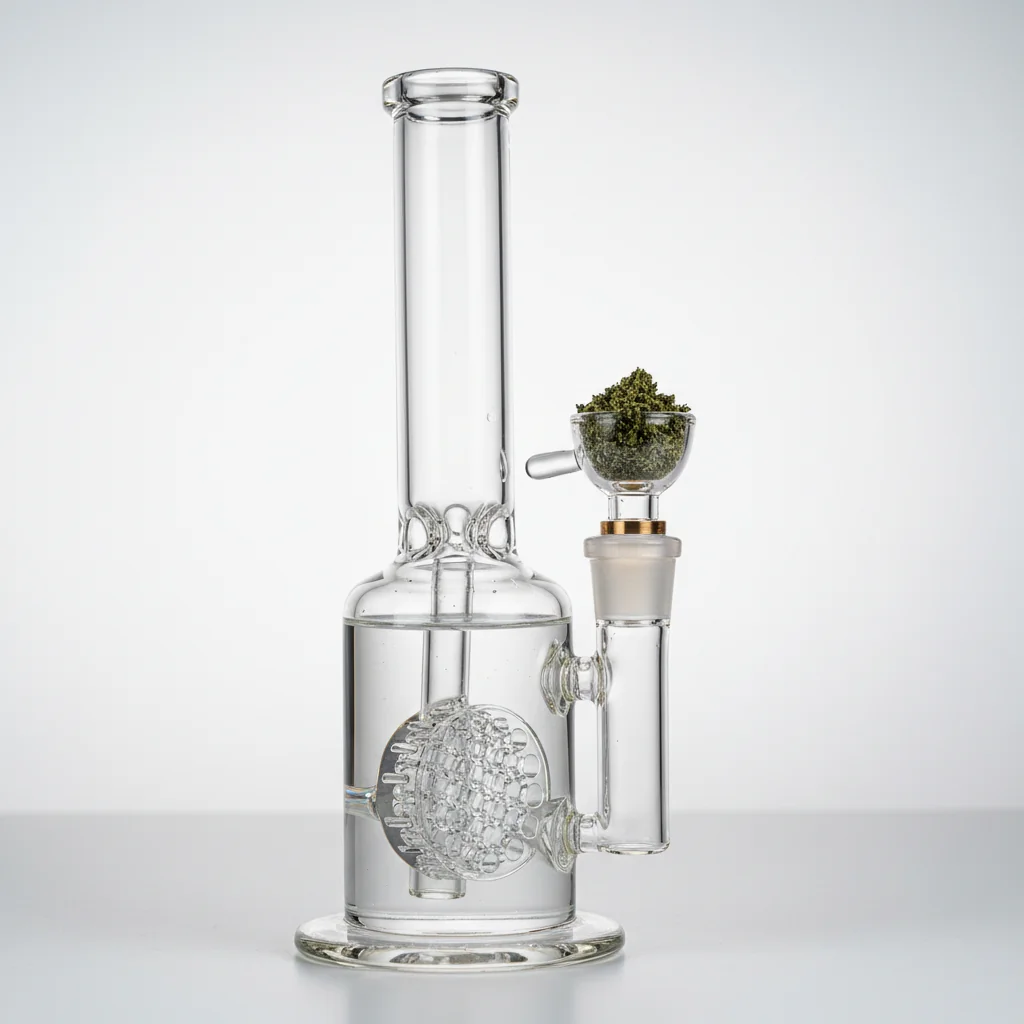
パーコレーターは、ボン内のろ過システムで、煙が小さな気泡に砕け散り、各ヒットを冷却してろ過します。 から調査するPubMed スタディ水のろ過が煙の組成にどのように影響するかを調べます。 さまざまな PERC デザインにより、さまざまなレベルの滑らかさ、ドラッグ、および掃除の容易さが提供されます。 このガイドでは、すべての主要なパーコレーター タイプについて説明しているので、好みに合わせて適切なタイプを選択できます。
迅速な答え
最も一般的なパーコレーターのタイプは、ツリー パーク (複数のアーム)、ハニカム PERC (穴のあいだのフラット ディスク)、シャワーヘッド PERC (スリット ドーム)、インライン パーク (水平チューブ)、タービン パーク (スピンを作成する角度のスリット) です。 ハニカムとマトリックスの PERC は、最大の拡散を提供しますが、より多くの抗力を提供します。 ツリー パークは、滑らかさと気流のバランスを提供します。 ダウンステムやシャワーヘッドなどのシンプルなデザインは、掃除が最も簡単です。
パーコレーターの仕組み
基本原理:
すべてのパーコレーターは、小さな穴やスリットを介して水に煙を押し込むことによって機能します。 これにより、煙が多くの小さな気泡に割り込みます。
1. 水との表面積の増加
2. スモークをより効果的に冷やす
3. より多くの微粒子をフィルタリングします
4. よりスムーズなヒットを提供します
主なトレードオフ:
より多くの拡散 (より小さな気泡、より多くの穴) = よりスムーズな打撃ですが、より硬く引っ張って、より多くのクリーニングが必要になります。
ダウンステム (元の PERC)
それは何ですか:
ボウルから水に伸びるシンプルなチューブ。通常は底にスリットがあります。
仕組み:
- 煙がチューブを下って移動します
- スリットから水に出る
- 基本的だが効果的なろ過
長所:
- シンプルで信頼性の高い
- 掃除しやすい
- 交換が簡単
- 最小限のドラッグ
- 安い
大麻を正しく保管してください防臭保存セッション間の品質を維持するため。
短所:
- 高度な PERC よりも拡散が少ない
- 落としたら壊れる
- 基本的なろ過のみ
最適:初心者、シンプルさ、メンテナンスが簡単な人
拡散レベル:低から中(スリットの数によって異なります)
木のパーコレーター
それは何ですか:
複数のアーム (通常は 4-16) が中央ハブから下方に伸び、それぞれが下部にスリットを持っています。
仕組み:
- 煙が中央の部屋に入る
- 複数の腕を通して分散
- 各腕がスリットを通して泡を放出します
- より多くの腕 = より多くの拡散
バリエーション:
- 4 アーム ツリー (基本)
- 8 アーム ツリー (標準)
- 12-16 アームツリー (激拡散)
- 固定式と取り外し可能なデザイン
長所:
- 拡散とドラッグのバランスが良い
- 視覚的に印象的
- スムーズなヒット
- 多くの構成で利用可能
短所:
- 腕が折れる
- 単純なパークよりも掃除が難しい
- もっと高い
- 品質は大きく異なります
最適:適度なドラッグで美的魅力を備えたスムーズなヒットを求めるユーザー
拡散レベル:中~高
ハニカムパーコレーター
それは何ですか:
チューブ内に水平に配置された、数十の小さな穴のあるフラット ディスク。
仕組み:
- 煙がディスクを通り抜ける
- それぞれの穴が小さな泡を作ります
- 表面積が大きい
- 積み重ねられることが多い (2 ~ 3 枚のディスク)
バリエーション:
- 単一のハニカム
- ダブル/トリプルスタック
- さまざまな穴のサイズ
- 他の PERC と組み合わせる
長所:
- 最大拡散
- 非常にスムーズなヒット
- 低プロファイルのデザイン
- 耐久性がある(壊れやすい部品はありません)
- 複数のディスクをスタックできます
短所:
- 重要なドラッグ (よりハードな引き)
- 定期的なクリーニングなしで簡単に詰まります
- フレーバーの強度を下げることが
- もっと水が必要
最適:ユーザーは、引き出しのしやすさよりも滑らかさを優先し、フレーバーは主な関心事ではありません
拡散レベル:高すぎる
シャワーヘッドパーコレーター
それは何ですか:
シャワーヘッドに似た、下端にスリットがあるドームまたはチューブ。
仕組み:
- 煙がドームの部屋に入る
- 周囲のスリットから出る
- 泡の輪を作る
- クリーンで効率的な設計
バリエーション:
- 標準シャワーヘッド (垂直ドーム)
- UFO PERC (平らなシャワーヘッド)
- タイヤ PERC (エッジ スリット付き水平ディスク)
- 異なるスリット数
長所:
- ドラッグのない良好な拡散
- 比較的掃除が簡単
- 耐久性のあるデザイン
- 一貫したパフォーマンス
短所:
- ハニカムより拡散が少ない
- 水位が間違っていると飛び散る可能性があります
- メーカーによって品質が異なります
最適:滑らかさ、気流、清浄性のバランス
拡散レベル:中~高
インラインパーコレーター
それは何ですか:
ボンの基部に位置する、長さに沿ってスリットがある水平チューブ。
仕組み:
- 煙が水平管に入る
- 長さに沿って複数のスリットから出る
- 泡線を作ります
- 上記の他の PERC と組み合わせることがよくあります
バリエーション:
- 標準インライン (単管)
- グリッド インライン (スリットのグリッド)
- ステレオ マトリックス (2 つの平行なチューブ)
- さまざまなスリット パターン
長所:
- 拡散を良好にするための低抗力
- 頑丈なデザイン
- PERC のスタッキングに適したベース
- バブル分布も
短所:
- 水平方向のスペースを占有します
- 掃除がしにくいかもしれません
- 特定のボンの形に限定
最適:マルチ PERC セットアップでのドラッグ、最小限のドラッグで拡散を希望するユーザー
拡散レベル:中
タービンパーコレーター (サイクロン)
それは何ですか:
水と煙の回転渦を作る角度の付いたスリットのあるディスク。
仕組み:
- 煙が斜めのスリットを通過
- 回転竜巻効果を作成します
- チューブの側面に水が飛び散る
- 視覚的で機能的
バリエーション:
- 単一のタービン
- 二重タービン
- 他の PERC と組み合わせる
- 異なる角度構成
長所:
- 視覚的に素晴らしい
- スプラッシュバックを防ぎます
- 良い拡散
- 中程度のドラッグ
短所:
- 水位は正確でなければなりません
- ハニカムより拡散が少ない
- うるさいことがあります
- 視覚効果にはきれいな水が必要です
最適:美学と水しぶき防止を重視するユーザー、適度な拡散
拡散レベル:中
マトリックスパーコレーター
それは何ですか:
グリッド パターンを作成する、水平方向と垂直方向のスリットの両方を持つ円柱。
仕組み:
- 煙がシリンダーの中心に入ります
- スリットのグリッドから出る
- 巨大拡散領域
- 小さな泡をたくさん作ります
バリエーション:
- 標準マトリックス
- ステレオ マトリックス (ダブル)
- グリッド密度が異なる
- 他の PERC と組み合わせる
長所:
- 優れた拡散
- スムーズなヒット
- コンパクトなデザイン
- 耐久性がある(細い腕はありません)
短所:
- 高抗力
- 中は掃除が難しい
- メンテナンスなしで詰まり
- フレーバーをミュートできますか
最適:最大限のスムーズさを求める人、定期的に掃除をする人
拡散レベル:高すぎる
スイスパーコレーター
それは何ですか:
全体に大きな穴の開いた垂直ディスクで、スイスチーズに似ています。
仕組み:
- 煙が穴の周りに流れる
- 乱流と拡散を作り出す
- 穴の周りに水が充填されています
- ユニークな美学
バリエーション:
- スタンダードスイス
- すばらしい卵(丸みを帯びた形)
- 異なる穴のサイズとパターン
長所:
- 非常にスムーズなヒット
- 美しいデザイン
- 低抗力で拡散性が良い
- 水位が見やすい
短所:
- 製造が複雑(高価)
- 壊れやすい
- 掃除がしにくい
- プレミアム価格
最適:コレクター、機能を備えたユニークな美学を求める人
拡散レベル:中~高
フリットディスクパーコレーター
それは何ですか:
ガラスの焼結粒子でできたディスクで、何千もの微細な穴を作り出します。
仕組み:
- 煙が多孔性のディスクを通過する
- 非常に細かい泡を作ります
- 可能な最大拡散
- ほとんど泡のよう
長所:
- 可能な限りスムーズなヒット
- 最大ろ過
- ユニークな体験
短所:
- 非常に高い抗力
- すぐに詰まる
- 完全に掃除することはほとんど不可能です
- 頻繁なメンテナンスが必要
- 日常的に使えるものではない
最適:たまに使う、スムーズな愛好家、経験豊富なユーザー
拡散レベル:極端
パーコレーターのタイプの比較
単一のパーコレーターと複数のパーコレーター
単一の PERC ボン:
- 掃除がしやすく
- ドラッグが少ない
- より多くのフレーバーの保存
- より安い
- よりシンプルな機能
マルチ PERC ボンズ:
- よりスムーズなヒット
- もっと濾過
- クーラースモーク
- より高いドラッグ
- より多くのメンテナンス
- より高い価格
積み重ねの神話:
PERC が増えるということは、必ずしも良い意味ではありません。 2 つの高品質の PERC は、4 つの安価なものよりも優れています。 2 ~ 3 の PERC の後、収穫量が減少し、抗力が大幅に増加します。
適切なパーコレーターの選択
滑らかさを優先しますか?
選択: ハニカム、マトリックス、またはフリット ディスク
期待: より多くのドラッグ、より多くのクリーニング
簡単に引くことを優先しますか?
選択: ダウンステム、インライン、またはシャワーヘッド
期待: 拡散は少ないが、それでも滑らか
簡単な掃除を優先しますか?
選択: ダウンステム、シャワーヘッド、またはタービン
避ける: ツリーのパーク、フリット付きディスク
味を優先しますか?
選択: シンプルなダウンステムまたはシングル シャワーヘッド
避ける: 拡散 PERC が多い (フレーバーもフィルターにかける)
美学を優先しますか?
選択: スイス、タービン、またはツリー パーク
これらは、よく機能している間、視覚的な興味を提供します
パーコレーターのメンテナンス
すべての PERC は定期的なクリーニングが必要です。
- 各セッションの後にお湯ですすぎ
- 毎週のディープクリーン(アルコール+塩)
- より複雑な PERC は、より多くの注意を払う必要
- 詰まったパークが正しく機能しない
PERC の清掃が必要な兆候:
- 制限された空気の流れ
- 不均一な泡立ち
- 目に見えるビルドアップ
- 引っ張るときの音が違う
結論
初心者向け:簡単なダウンステムまたはシャワーヘッドの PERC から始めます。 複雑なデザインに投資する前に、自分の好みを学びましょう。
毎日のユーザーの場合:シャワーヘッドまたはインライン PERC は、スムーズさとメンテナンスのバランスを最適化します。
スムーズさのチェイサーの場合:ハニカムまたはマトリックスの PERC は最大の拡散を提供しますが、定期的なクリーニングを行う必要があります。
コレクター向け:スイスの PERC と高品質のツリー パークは、機能と美的魅力の両方を提供します。
覚えておいてください: 最高のパーコレーターは、実際に掃除して維持できるものです。 汚れたハニカムは、きれいなダウンストリームよりもパフォーマンスが低下します。
このガイドは教育目的のものです。 大麻法は法域によって異なります。
Frequently Asked Questions
ハニカムとマトリックスのパーコレーターは、多くの小さな穴から最大の拡散により、通常、最もスムーズなヒットを提供します。 ただし、拡散が多いということは、より多くのドラッグを意味します。 8 つ以上の腕を持つツリー パークも滑らかさに優れています。
必ずしもそうではありません。 複数の PERC はろ過と滑らかさを増しますが、ドラッグ (引っ張りにくくなります) が加わり、洗浄がより困難になり、フレーバーの強度が低下します。 1 ~ 2 の品質の PERC は、3 つ以上の安価な PERC よりも優れていることがよくあります。
小さな穴やスリット、パークの汚れ、水位が正しくない場合、過度の抗力が発生します。 水位を下げたり、徹底的に掃除したり、大量拡散 PERC (ハニーカム、マトリックス) が自然に引っ張り抵抗性が高いことを受け入れたりしてみてください。
Related Guides
Ash Catcher Guide: Keep Your Bong Clean Longer
Complete guide to ash catchers for bongs: what they do, types including dry and percolator ash catchers, joint sizes and angles, how to use and clean them, and how to choose the right one.

Ash Catchers: What They Do and Why Use One
Learn what ash catchers do, how they keep your bong clean, and whether you need one. Understand different types, how to choose the right size, and maintenance tips.
Beaker vs Straight Tube Bongs: Which Style is Better?
Comprehensive guide about beaker vs straight tube bongs: which style is better?. Learn everything you need to know with expert tips and detailed instructions.