

どのくらいの頻度でボンウォーターを交換する必要がありますか? 完全ガイド

Emma Chen
Glass Specialist
どのくらいの頻度でボンウォーターを交換する必要がありますか? 完全ガイド
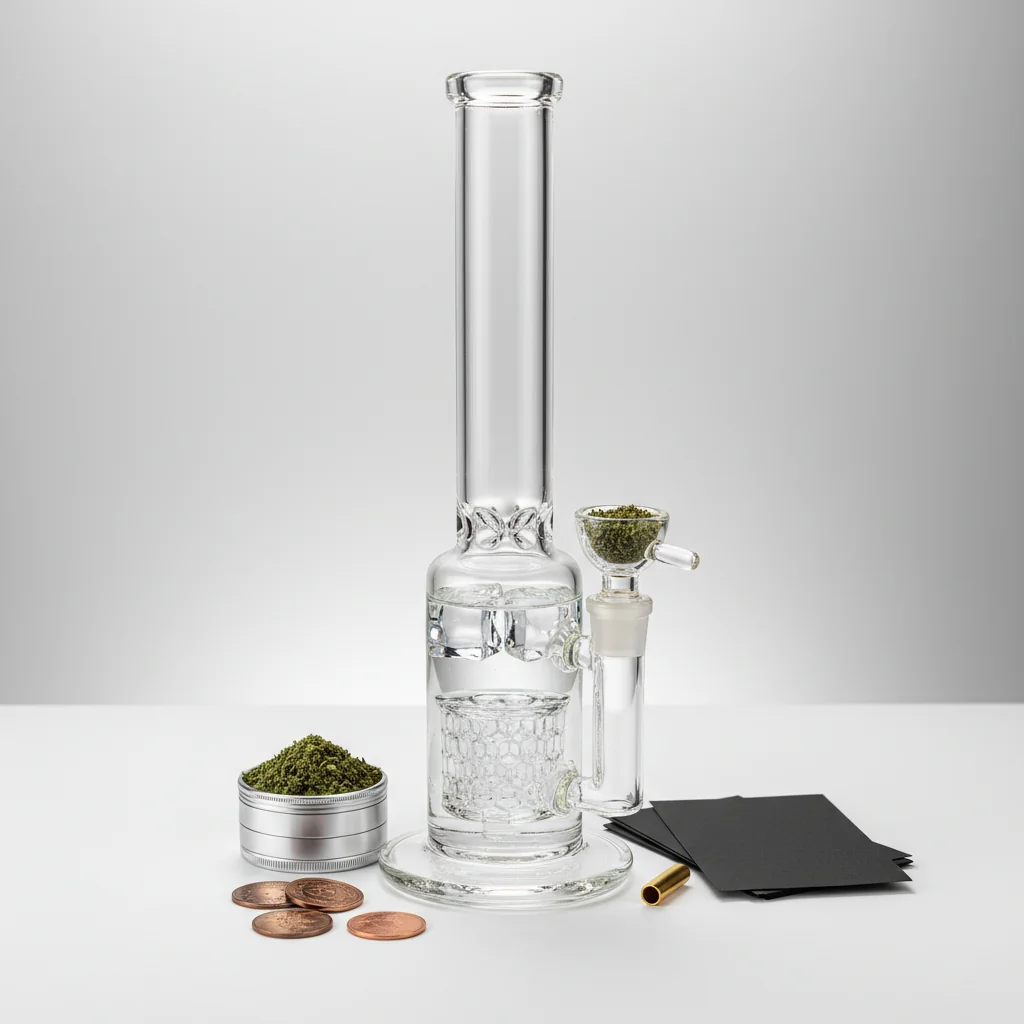
清潔で健康的なボンを体験するには、真水が不可欠です。 としてWHO 水質ガイドライン水が溜まっていると、有害な微生物が潜んでいる可能性があることに注意してください。 しかし、これは Bong メンテナンスで最も見落とされがちな側面の 1 つです。 このガイドでは、使用量、古い水の健康リスク、およびボンを新鮮に保つためのベスト プラクティスに基づいて、水を交換する頻度を正確に説明しています。
迅速な答え
最良の結果を得るために、セッションのたびにボンウォーターを交換してください。 少なくとも、24 時間以上水を放置しないでください。 使用直後に、バクテリアが肥育する水中で増殖し始めます。目に見える曇りは、変化がかなり遅れていることを意味します。 毎日のユーザーは、セッションごとに真水を使用し、使用の合間にボンをすすぎます。
なぜ淡水が重要なのか
健康上の理由
細菌の増殖:
- 理想的な条件下では、細菌は 20 分ごとに 2 倍になることがあります。
- ボンウォーターは完璧な環境を提供します (温かく、湿った、樹脂からの栄養素)
- 24 時間後に重大な細菌のコロニーが形成される
- 吸入すると呼吸器感染症を引き起こす可能性があります
カビと菌類:
- 水中で、特に湿気の多い環境で発生する
- ガラス表面にバイオフィルム (スリム層) が形成されます
- カビの胞子を吸い込み、肺に刺激を与える
あなたが呼吸していること:
- 淡水: きれいなろ過
- 古い水: 細菌、カビ、および分解物質の汚染されたスープ
品質の理由
味の劣化:
- 淡水=清潔で純粋な味
- 古い水 = 古くて濁った味
- 樹脂と破片が蓄積し、ヒットするたびに影響します
ろ過効率:
- 浄水器で効果的に粒子
- 汚れた水はすでに破片で飽和しています
- 水が汚染されると、冷却効果が低下します
定期的な水替えを適切に組み合わせる大麻の収納最も新鮮な体験のために。
使用状況によりスケジュールを変更
毎日のユーザー (1 日あたり複数のセッション)
推奨スケジュール:
- セッションごとに真水 (理想)
- 最低限: 毎朝淡水
- セッション間でボンをすすぎ
- 一晩水を放置しないでください
なぜより頻繁に:
- より多くのセッション = より迅速な汚染
- より高い樹脂蓄積
- より多くの細菌の食料源
通常のユーザー (1 日 1 回)
推奨スケジュール:
- 各セッションの前に真水
- セッション後に空にしてすすぎ
- 一晩水を置いたままにしないでください
- 使用の際のすすぎ洗い
たまにユーザー(週数数)
推奨スケジュール:
- セッションごとに常に真水を使用してください
- 使用の合間に水を放置しないでください
- 使用後は、すすぎ、乾かす
- 古い水と一緒に保管する場合は、使用前にボンをきれいにします
週末/頻度の低いユーザー
推奨スケジュール:
- 常に真水(明らかに)
- ボンを水と一緒に保管しないでください
- 毎回使用する前によく掃除してください
- 使用の合間に完全に乾いた状態で保管
水の必要な兆候が今すぐ変わります
視覚的な兆候:
- 水が濁っているか濁っている
- 水は黄色/茶色の色合いです
- 目に見える粒子が浮いている
- 水面のフィルム
- 水道のガラスに残留物
臭いの兆候:
- 不快な臭い
- かび臭い、または古い臭い
- ボンを使わなくても目立つ
味の兆候:
- 古くて不快な味
- いつもより厳しいヒット
- いつもと違う味
これらのいずれかに気付いた場合: すぐに変更
24時間ルール
ボンウォーターを 24 時間以上放置しないでください。
理由は次のとおりです。
0-1 時間:水は本質的にきれいで、煙をろ過するだけです
1 時間から 6 時間:細菌の定着が始まり、成長が最小限
6-12 時間:細菌の個体数が増加し、バイオフィルムが開始
12-24 時間:細菌の増殖が大きく、水質が低下する
24 時間以上:主要な細菌のコロニー、潜在的なカビ、健康リスクの領域
これは、次の場合でも適用されます。
- ボンはきれいに見えます
- 水がはっきりと
- 1回しか使っていない
- カバーされています
ボンウォーター中の細菌 (科学)
そこで育つもの:
一般的な細菌:
- シュードモナス(肺感染症を引き起こす可能性があります)
- 大腸菌(取り扱いから)
- ブドウ球菌 (よくあるが問題がある)
- さまざまな環境バクテリア
それがどのように起こるか:
- 煙による暖かさが理想的な温度を生み出します
- 樹脂は栄養素を提供します
- 湿った環境が成長を促進します
- あなたの口に細菌が導入されます
健康上のリスク:
- 呼吸器感染症
- 気管支炎
- まれに、重篤な肺感染症
- リスクが高い免疫システムの低下
淡水のベストプラクティス
各セッションの前に
1. 古い水を完全に空にする
2です . ぬるま湯ですすぎ
3. 新鮮できれいな水を加える
4. 照明なしで吸入して水位をテストする
各セッションの後
1. すぐに (または 1 時間以内に) 水を空にする
2です . ぬるま湯で素早くすすぎ
3. 余分な振りをする
4. すぐにもう一度使用しない場合は、自然乾燥させてください
長期休憩の場合
1. すべての水を空にする
2.アルコール/塩できれいにする
3.よくすすいでください
4.完全に乾かす
5. ドライストア
どうだろうアイス水?
氷水はスケジュールを変更しません。
- 同じ細菌のリスクがあります
- 氷が溶けて希釈するが、精製されない
- 通常の水と同じくらい頻繁に変更
- 寒さは遅くなりますが、細菌の増殖を止めません
水質に関する考慮事項
水道水
ほとんどのユーザーにとっては問題ありません。
- 市営水が処理されます
- ミネラルはボンの使用には影響しません
- 最も一般的な選択肢
考慮事項:
- 硬水は鉱物沈殿物から離れます
- 塩素の味が少し移る場合があります
ろ過された水
少し良い:
- ミネラルが少ない = 残留物が少ない
- よりクリーンな味
- とにかくフィルターがあればそれだけの価値があります
蒸留水
最もきれいなオプション:
- ミネラルなし
- 残留物の蓄積が最も少ない
- パフォーマンスがわずかに向上
- おそらくほとんどのユーザーにとってはやり過ぎです
使わないもの
- 水(池、水たまり)
- プール水(塩素、化学薬品)
- フレーバーウォーター(砂糖=バクテリア食品)
- 古いボトル入りの水 (古いボンウォーターと同じ問題)
よくある言い訳(そしてなぜ間違っているのか)
「水はまだ澄んでいるようだ」
細菌は微視的です。 水が汚れているように見える頃には、何時間も汚染されています。 24 時間以上経過した透明な水は、まだ汚染されています。
「明日変えます」
24 時間ルールは理由があって存在します。 「明日」とは、細菌が一晩中増殖することを意味します。 今すぐ変更してください。30 秒かかります。
「使っているだけです」
あなた自身のバクテリアはまだ増殖しています。 あなたの口は、使用するたびに新しいバクテリアを導入します。 シングルユーザーのボンも同じように汚れます。
「カバーしたから大丈夫」
カバーしても、すでに水中のバクテリアは殺されません。 蒸発は遅くなるかもしれませんが、新鮮さを維持しません。
「一打しか取れなかった」
1 回ヒットしても、バクテリアと煙の残留物が発生します。 汚染はすぐに始まります。
クイック リファレンス
結論
ボンウォーターの交換は次のとおりです。
- 無料
- 30秒かかる
- かなり健康的
- ヒットの味を良くする
- 簡単に形作れる習慣
水を変えないのは次のとおりです。
- 健康上のリスク
- 味に影響を与える
- 怠け者
- 不要
古いボン ウォーターを使用する正当な理由はありません。 真水を習慣にしてください - あなたの肺 (そして味覚芽) はあなたに感謝します。
このガイドは教育目的のものです。 大麻法は法域によって異なります。
Frequently Asked Questions
はい。 ボンウォーターでは、20 分ごとに細菌が 2 倍になることがあります。 一晩座っていると、細菌の増殖、バイオ フィルムの形成、カビの発生が大きくなります。 セッション後は必ずボングを空にしてください。
Related Guides
Ash Catcher Guide: Keep Your Bong Clean Longer
Complete guide to ash catchers for bongs: what they do, types including dry and percolator ash catchers, joint sizes and angles, how to use and clean them, and how to choose the right one.

Ash Catchers: What They Do and Why Use One
Learn what ash catchers do, how they keep your bong clean, and whether you need one. Understand different types, how to choose the right size, and maintenance tips.
Beaker vs Straight Tube Bongs: Which Style is Better?
Comprehensive guide about beaker vs straight tube bongs: which style is better?. Learn everything you need to know with expert tips and detailed instructions.