
大麻テルペンガイド: どのようなもので、なぜ重要なのか

Sarah Green
Cannabis Educator
大麻テルペンガイド: どのようなもので、なぜ重要なのか
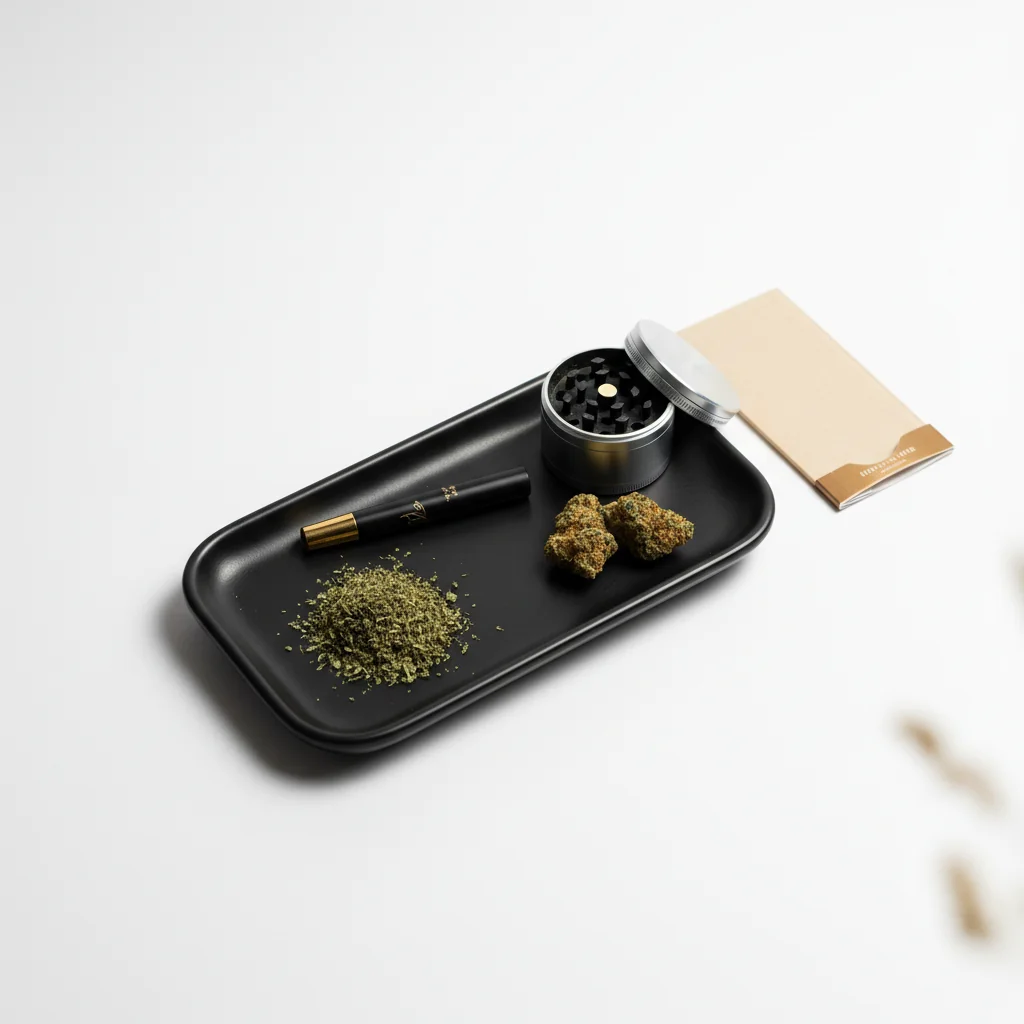
大麻の一部が柑橘類のようなにおいがするものと、松やディーゼルのようなにおいがすることに気づいたことがあるなら、テルペンを経験したことがあります。 これらの芳香族化合物は、心地よい香りを生み出すだけでなく、大麻の感覚に影響を与え、異なる株が異なる効果を生み出す理由を説明するかもしれません。
テルペンを理解することは、基本的な THC パーセンテージを超えて、本当に自分に合った大麻を見つけるための鍵です。
迅速な答え
テルペンは、大麻や他の多くの植物に含まれる芳香族化合物で、独特の香りや風味を生み出します。 さらに重要なことに、それらはカンナビノイドと相互作用して、「側近効果」と呼ばれる現象である高値に影響を与えます。 一般的なテルペンには、ミルセン (土質、鎮静剤)、リモネン (柑橘類、高揚)、ピネン (松、アラート)、リナロール (花、鎮静) が含まれます。 好みのテルペンを知ることで、希望する効果に合った菌株を選択することができます。
目次
テルペンとは何ですか?
テルペンは、大麻を含む植物によって生産される有機化合物です。 それらは、ラベンダーの香り、柑橘類の香り、松の新鮮さなど、多くの植物の特徴的な香りを生みます。
大麻だけでなく
テルペンは自然界全体に存在します。
- リモネン: レモン、オレンジ
- ピネン: 松葉、ローズマリー
- リナロール: ラベンダー
- ミルセン: マンゴー、ホップ
- カリオフィレン: 黒胡椒、クローブ
これらの植物のにおいがすると、大麻に含まれるのと同じテルペンを経験しています。
植物がテルペンを生産する理由
自然界では、テルペンは次の方法で植物を提供しています。
- 受粉者を引き付ける
- 害虫の撃退
- 環境ストレスからの保護
- 細菌や真菌と戦う
大麻のテルペン
大麻は 200 種類以上のテルペンを生産しますが、ほとんどの菌株にはかなりの量しか含まれていません。 特定の組み合わせにより、各菌株の独自のアロマ プロファイルと、その独特の効果が生まれます。
エントゥージュエフェクト
「Entourage 効果」は、カンナビノイド効果を強化または変更するテルペンと相乗的に連携してどのように連携するかを説明しています。
仕組み
独立して行動するのではなく、
- テルペンはTHCの吸収を高める可能性があります
- 一部のテルペンは、カンナビノイドと同じ受容体と相互作用します
- 組み合わせは、孤立した化合物とは異なる効果を生み出します
証拠調査
研究によると、次のことが
- ミルセンTHCの鎮静効果を高める可能性があります
- リモネン気分を高め、不安を軽減する可能性があります
- ピネンTHC による記憶障害に対抗できる可能性があります
- リナロール鎮静特性を高める可能性があります
フルスペクトルが重要な理由
これが、多くのユーザーが、分離よりもフルスペクトルの大麻製品を好む理由です。 完全なテルペン プロファイルはカンナビノイドと連携して、完全な体験を生み出します。
大麻の主要なテルペン
ミルセン
プロフィール:
- 香り: 素朴で、麝香、ハーブ、クローブのような
- にもあります: マンゴー、ホップ、タイム、レモングラス
- 豊かさ: 大麻で最も一般的なテルペン
エフェクト:
- リラックス、鎮静
- THC 効果を高める可能性があります
- 「カウチロック」の感覚に関連しています
- 筋肉のリラックスの可能性
ミルセンの高株: OG KUSH、ブルー ドリーム、おじいちゃん、紫
リモネン
プロフィール:
- 香り: 柑橘類、レモン、オレンジ
- にもあります: 柑橘類の果皮、ジュニパー
- 豊かさ: 2 番目に多いテルペン
エフェクト:
- 高揚し、活力を与える
- 気分を高めるかもしれない
- ストレスや不安を軽減する可能性があります
- 抗菌性がある可能性があります
リモネンが多い株: スーパー レモン ヘイズ、ダーバン ポイズン、ウエディング ケーキ
ピネン
プロフィール:
- 香り: パイン、フォレスト、ウッディ
- にもあります: 松葉、ローズマリー、バジル
- 豊かさ: 多くの株に共通
エフェクト:
- 注意、集中
- 記憶障害に対抗できる可能性があります
- 潜在的に抗炎症
- 気管支拡張薬 (気道を開ける)
ピネンの多い株: ジャック・ヘラー、ブルー・ドリーム、スヌープの夢
カリオフィレン
プロフィール:
- 香り: スパイシー、ペッパー、ウッディ
- にもあります: 黒胡椒、クローブ、シナモン
- ユニークな機能: CB2 受容体に結合するテルペンのみ
エフェクト:
- 潜在的に抗炎症
- 不安を軽減する可能性があり
- 胃保護
- カンナビノイドのようなユニークな特性
キャリフィレンが多い株: GSC、オリジナルの接着剤、Bubba Kush
リナロール
プロフィール:
- 香り: フローラル、ラベンダー、甘い
- にもあります: ラベンダー、コリアンダー、バーチ樹皮
- 豊かさ: あまり一般的ではないが重要
エフェクト:
- 落ち着いて、リラックス
- 不安を軽減する可能性があり
- 潜在的に鎮静剤
- 炎症を起こす可能性がある
リナロールの高い株: ラベンダー、ドシドス、ズキトルズ
フムレン
プロフィール:
- 香り: 素朴で、ウッディ、ホッピー
- にもあります: ホップ、コリアンダー、バジル
- 豊かさ: カリオフィレンの共通の仲間
エフェクト:
- 食欲抑制の可能性がある(大麻には珍しい)
- アンチ -炎症特性
- 抗菌力
フムレンが豊富な菌株: ホワイト ウィドウ、ヘッドバンド、サワー ディーゼル
テルピノレン
プロフィール:
- 香り: 複雑 - 花、松、ハーブ、柑橘類
- にもあります: りんご、クミン、ライラック、ティーツリー
- 豊かさ: あまり一般的ではあり
エフェクト:
- 高揚する、脳
- 抗酸化可能性がある可能性がある
- 高濃度で鎮静効果がある可能性があります
テルピノレンが多い株: Jack Herer、Ghost Train Haze、オランダのご褒美
オシメネ
プロフィール:
- 香り: 甘い、ハーブ、ウッディ
- にもあります: ミント、パセリ、オーキッド、マンゴー
- 豊かさ: あまり一般的ではあり
エフェクト:
- 高揚する可能性がある
- 抗ウイルス性の提案
- 輻輳除去の可能性
オシメンの高い菌株: ゴールデン ヤギ、ストロベリー 咳、スペース クイーン
テルペン対 THC: 何が重要なの?
神話
多くの消費者は、THC のパーセンテージのみに注目していますが、調査と事例証拠として、テルペン プロファイルが効果を予測するためにも同様に重要である可能性があることが示唆されています。
テルペンが注目に値する理由
- 25% THC 株が 2 つあると、まったく異なる感じがしますテルペンの含有量に基づく
- テルペンは、活力を感じているか、鎮静化されていると感じているかに影響を与えます
- 特定のテルペンに対するあなたの個々の反応は個人的なものです
- 味と香りはすべてテルペンから生まれます
プロフィールを見つける
THC 番号を追跡する代わりに、次のようにします。
1. あなたが楽しんだことをメモしてください
2. テルペンのプロファイルを調査する
3. お気に入りの一般的なテルペンを探す
4. 類似のプロファイルを持つ新しい株を探す
テルペン情報の使い方
診療所で
テルペンについて質問する:
- テルペンのコンテンツを示すラボ テスト結果をリクエストする
- 株の優勢なテルペンについてバテンダーに尋ねる
- においテストを使用する - 鼻は自分にとって何が魅力的かを知っています
テルペンをゴールに合わせる:
- エネルギー/集中力: リモネン、ピネン、テルピノレン
- リラクゼーション/睡眠: ミルセン、リナロール
- 気分のリフト: リモネン、カリオフィレン
- 痛み/炎症: Caryophyllene、Mircene、Linalool
ラボの結果を読む
テルペン検査は、重量別のパーセンテージを示しています。
- 0.1-0.5%: 低い存在
- 0.5-1%: 中程度の存在
- 1%+: 高存在感 (支配的なテルペン)
好みのテルペンが上位 3 位に入っている株を探します。
鼻のテスト
自分の本能を過小評価しないでください。 ひずみがあなたに魅力的なにおいがする場合、あなたの体はそれらのテルペンに引き寄せられる可能性があります。 不快なにおいがする場合は、その反応を信頼してください。
テルペン保存
テルペンは揮発性で、簡単に蒸発します。 保持する方法は次のとおりです。
保管
- 温度: 冷蔵庫 (60 ~ 70°F)、熱から離れて保管してください
- 軽い: 暗い容器や不透明な容器に入れておく
- 空気: 気密容器を使用する
- 湿気: 58-62% RH を維持
消費方法
異なる方法でテルペンの保存方法は異なります。
最適な蒸気温度
テルペンごとに異なる沸点があります。
- ピネン: 311°F (155°C)
- ミルセン: 332°F (167°C)
- リモネン: 348°F (176°C)
- リナロール: 388°F (198°C)
- カリオフィレン: 266°F (130°C)
低温の蒸気蒸気は、THC を活性化しながら、より多くのテルペンを保持します。
プロのヒント
1. ひずみ日記をつけておく効果に注目し、その後テルペンを調べます
2. 買う前に臭い可能な場合は、自分の鼻を信頼してください
3. より低い電子タバコより多くのテルペンの風味と効果を維持する
4. 新鮮な方がいい—古い大麻は最初にテルペンを失います
5. テルペンの総割合を見てください、個々のテルペンだけでなく、
6. テルペンの側近問題 — それらがどのように組み合わさるかが経験に影響を与える
7. 低THC株を否定しないでください説得力のあるテルペン プロファイルがある場合
8. 類似の名前は、類似のテルペンを意味しない—常にチェック
9. ミルシーヌの支配株の名前に関係なく、リラックス効果を示していることがよくあります
10。医療上のメリットテルペンの数は、レクリエーション効果とは異なる場合があります
フェイク
テルペンはあなたをハイにしますか?
直接ではありません。 テルペンは、THC のような CB1 受容体に強く結合しません。 ただし、THC があなたに与える影響を変更して、高値を強化または緩和する可能性があります。
テルペンサプリメントは買えますか?
はい、テルペン分離株とブレンドが利用可能です。 大麻に追加したり、アロマセラピーに使用したりする人もいます。 ただし、植物全体の大麻の天然カンナビノイド含有量に最も適しています。
一部のひずみがディーゼルやスカンクのようなにおいがするのはなぜですか?
これらの臭いはテルペン (およびチオールと呼ばれる関連化合物) から発生します。 ディーゼルの匂いは、ミルセン、カリオフィレン、リモネンの組み合わせから発生することがよくあります。 スカンクの香りには、硫黄化合物が含まれます。
テルペンは安全ですか?
はい、テルペンは安全であると一般に認識されています。 無数の食品や製品に含まれています。 ただし、濃縮テルペン分離株は慎重に使用する必要があります。
インドとサティバはテルペンで実際に違うのですか?
調査によると、テルペン プロファイルはインディカ/サティバの分類よりも重要です。 多くの「インディカ」はミルセンで高く、多くの「サティヴァ」はリモネンまたはテルピノレンが多く、その効果は異なる可能性があります。
テルペンの味をもっと良くするにはどうすればよいですか?
きれいなガラス製品を使用し、低温で気化し、デバイスを掃除した後に最初のヒットを試してみてください。 煙と残留物のマスクの繊細なテルペンのフレーバー。
食用食品にはテルペンがありますか?
ほとんどのテルペンは、脱炭酸と調理中に失われます。 一部の製造業者は、テルペンを食用品に戻しますが、テルペンを吸入するのと同じように影響しない場合があります。
結論
テルペンは、なぜ大麻の異なる株が異なると感じられるのかを理解するための隠された鍵です。 テルペン プロファイルを考慮するためにパーセンテージを超えると、エネルギー、リラクゼーション、集中力、気分の高揚を求めているかどうかにかかわらず、自分のニーズに合った菌株を見つけることができます。
楽しんでいる緊張の香りに注目して、テルペンの含有量を調べて、パターンを探します。 時間が経つにつれて、大麻のより良い選択を導く個人的なテルペン プロファイルが作成されます。
私たちを探検ひずみデータベース好みのテルペン プロファイルを持つ株を見つける、または詳細を学ぶにはインディカ対サティバ対ハイブリッドテルペンが従来の分類をどのように説明するかを確認するため。
Frequently Asked Questions
直接ではありません。 テルペンは、THC のような CB1 受容体に強く結合しません。 ただし、THC があなたに与える影響を変更して、高値を強化または緩和する可能性があります。
エントゥージュ効果は、大麻化合物が相乗的にどのように連携して機能するかを説明し、テルペンはカンナビノイド効果を増強または変更して、より完全な体験を実現します。
Myncene と Linalool は、通常、リラクゼーションと鎮静に関連しています。 これらのテルペンの高株は、睡眠に適している可能性があります。
はい。 調査によると、テルペン プロファイルはインディカ/サティバの分類よりも重要です。 多くのインディカはミルセンを多く含む一方で、サティアはリモネンを多く含むことが多い。
大麻は、気密容器に入れて、涼しく暗い場所に保管してください。 テルペンの風味と効果を維持するために、より低い温度での蒸気を吸い取ります。
Related Guides

Common Beginner Mistakes to Avoid When Using Cannabis
Learn the most common mistakes first-time and new cannabis users make, why they happen, and how to avoid them for a better experience.
Best Snacks to Enjoy When High: Ultimate Munchies Guide
Comprehensive guide about best snacks to enjoy when high: ultimate munchies guide. Learn everything you need to know with expert tips and detailed instructions.
Best Time of Day to Smoke Cannabis: Morning vs Evening Effects
Comprehensive guide about best time of day to smoke cannabis: morning vs evening effects. Learn everything you need to know with expert tips and detailed instructions.