

Protezione UV per la conservazione della cannabis: perché la luce distrugge la tua scorta

Lisa Thompson
Storage & Preservation Specialist
Protezione UV per la conservazione della cannabis: perché la luce distrugge la tua scorta
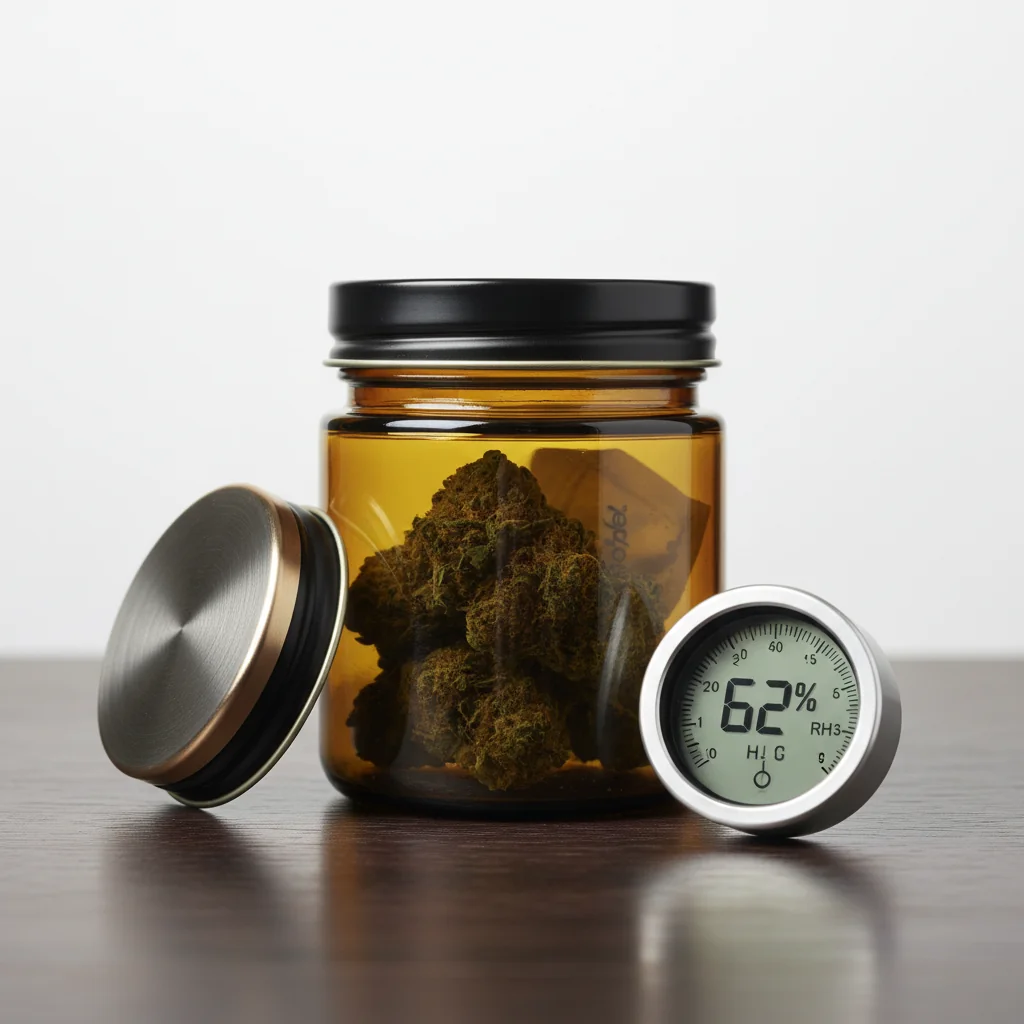
La luce è una delle maggiori minacce per la tua cannabis. I raggi UV scompongono il THC, distruggono i terpeni e possono rovinare anche il miglior fiore in poche settimane. Questa guida spiega come funziona il danno UV e i modi migliori per proteggere la tua scorta.
Risposta rapida
La luce UV (in particolare UVA 315-400nm) degrada rapidamente il THC in CBN, causando perdita di potenza e effetti alteranti. Conserva la cannabis in vetro ambrato, contenitori opachi o oscurità completa. Non utilizzare mai contenitori trasparenti in aree illuminate. Il vetro ambra blocca il 99% di raggi UV dannosi, consentendo la visibilità.
Come la luce UV danneggia la cannabis
la scienza
La radiazione UV innesca la fotodegradazione - una rottura chimica causata dall'energia luminosa:
1. THC → Conversione CBN: La luce UV converte il THC (il principale composto psicoattivo) in CBN (cannabinolo), che è sedativo piuttosto che euforico
2. evaporazione del terpene: Il calore dell'esposizione alla luce accelera la perdita di terpeni
3. Ripartizione della clorofilla: Provoca cambiamenti di colore e gusto aspro
4. accelerazione di ossidazione: UV accelera la degradazione correlata all'ossigeno
il risultato: Cannabis meno potente, più duro e più assonnato.
Per i contenitori di stoccaggio protettivi UV, visitaMunchmakers Stoccaggio antiodore. per la scienza della luce UV,EPAFornisce informazioni complete sulle radiazioni ultraviolette.
Quanto velocemente si verificano i danni ai raggi UV?
nota: Queste linee temporali presuppongono umidità e temperatura adeguate. Le cattive condizioni accelerano il degrado.
lunghezze d'onda UV e loro effetti
Non tutta la luce è ugualmente dannosa:
UVA (315-400nm)
- più dannoso per la cannabis
- penetra in vetro standard
- Provoca il degrado del THC
- presente alla luce del sole e alcune luci artificiali
UVB (280-315nm)
- meno penetrante
- bloccato dalla maggior parte del vetro
- ancora dannoso con esposizione diretta
UVC (100-280nm)
- Bloccato da atmosfera/vetro
- non è una preoccupazione significativa per lo stoccaggio
Luce visibile (400-700nm)
- Lo spettro blu/violetto provoca ancora un certo degrado
- Meno dannoso dei raggi UV ma comunque problematico
- Perché i contenitori ambra aiutano
Confronto del colore del contenitore
vetro trasparente
Protezione UV: Nessuno (0%)
Cosa succede: passano tutte le lunghezze d'onda UV. La cannabis si degrada rapidamente anche alla luce della stanza.
Quando accettabile: solo se conservato in completo buio (armadio chiuso, cassetto, ecc.)
Controllo della realtà: anche una breve esposizione quando si recupera la cannabis si somma nel tempo.
Vetro ambra/marrone
Protezione UV: Eccellente (90-99%)
cosa blocca: la maggior parte delle lunghezze d'onda della luce UV e blu
Perché funziona: Il colore ambrato deriva dall'ossido di ferro che assorbe i raggi UV
Meglio per: qualsiasi luogo di stoccaggio con esposizione alla luce, contenitori per uso quotidiano
raccomandazione: Questo è il miglior equilibrio tra protezione e praticità per la maggior parte degli utenti.
bicchiere verde
Protezione UV: Moderato (50-70%)
cosa blocca: alcuni UV, meglio che chiari
Perché è comune: Avanzi di birra/industria del vino
realtà: Meglio che chiaro, peggio di Amber. Non è l'ideale per la conservazione a lungo termine.
Vetro blu cobalto
Protezione UV: buono (60-80%)
cosa blocca: alcune lunghezze d'onda UV
Appello estetico: Popolare per l'esposizione
Meglio per: Stoccaggio a medio termine con una certa esposizione alla luce
Miron Viola Vetro
Protezione UV: Eccellente (blocchi tutti tranne Violet, 380-420nm)
reclami: Vetro "biofotonico" che conserva solo luce viola "benefica"
realtà: Eccellente blocco UV, affermazioni di "miglioramento" non provate
prezzo: $ 20-50+ per contenitore
Ne vale la pena?: Per la protezione UV Sì, per proprietà speciali rivendicate - discutibili.
Contenitori opachi (metallo, ceramica, plastica solida)
Protezione UV: completo (100%)
Migliori opzioni: acciaio inossidabile, ceramica con guarnizione, plastica spessa
compromesso: Non riesco a vedere i contenuti
Meglio per: Stoccaggio a lungo termine, massima protezione
Strategie di protezione dalla luce
Strategia 1: utilizzare il vetro ambra (consigliato)
perché: miglior equilibrio tra protezione e praticità UV
applicazione:
- Conservare in barattoli di vetro ambra
- può vedere i contenuti per monitorare le condizioni
- 99%+ Protezione UV
- Economico ($ 3-10 per vaso)
Dove acquistare: vasetti di ambra con palla/Kerr, marchi specifici per erbe, online
Strategia 2: conservare nell'oscurità completa
perché: Protezione della luce al 100% indipendentemente dal colore del contenitore
applicazione:
- Utilizzare qualsiasi contenitore ermetico
- Tieniti nell'armadio, nell'armadio, nel cassetto
- Crea "Cabinet Cannabis" dedicato allo stoccaggio
migliore pratica: anche con vetro ambrato, l'oscurità aggiunge una protezione extra
Strategia 3: utilizzare contenitori opachi
perché: massima protezione senza bisogno di storage buio
Migliori opzioni:
- CVault in acciaio inox
- Vasi in ceramica con guarnizione in silicone
- Plastica opaca di qualità (a breve termine)
compromesso: Non riesco a vedere i contenuti senza aprirlo
Strategia 4: avvolgi i contenitori trasparenti
Soluzione fai-da-te se hai vetro trasparente:
- Avvolgere in nastro o materiale opaco
- Conservare all'interno di una borsa o una scatola opaca
- Vernice Esterno (mai interiore!)
Perché funziona: Qualsiasi blocco della luce aiuta
Meglio per: soluzione temporanea fino ad ottenere contenitori adeguati
Errori comuni di esposizione ai raggi UV
Errore 1: vasetti trasparenti in mostra
il problema: molte persone espongono la loro cannabis in barattoli trasparenti sugli scaffali - Esposizione alla luce costante
la correzione: Passa all'armadio, passa al vetro ambrato o conserva all'interno di un contenitore opaco decorativo
Errore 2: vicino a Windows
il problema: anche la luce solare indiretta attraverso le finestre offre un UV significativo
la correzione: Conservare lontano da qualsiasi finestra, indipendentemente dal colore del contenitore
Errore 3: sotto le luci artificiali
il problema: Le luci fluorescenti e a LED emettono UV. Molte aree di stoccaggio (piani di cucina, scaffalature aperte) hanno illuminazione sopraelevata
la correzione: Conservare in armadietto o utilizzare contenitori ambra/opachi
Errore 4: aperture frequenti e lunghe
il problema: Ogni volta che apri il contenitore, entra la luce. Deliberazione lunga mentre il contenitore è aperto = maggiore esposizione
la correzione: Continua ad aprire breve. Sapere cosa vuoi prima di aprire. Considera la possibilità di separarti nell'uso quotidiano e nella conservazione in blocco.
Errore 5: assumere indoor = sicuro
il problema: La luce della stanza degrada ancora la cannabis, solo più lentamente della luce solare
la correzione: Tratta qualsiasi esposizione alla luce come dannosa. Usa contenitori ambra/opachi o storage buio per tutto.
Test: riesci a vedere la differenza?
Segni visivi di danni ai raggi UV:
- Cambio di colore dal verde vibrante al marrone/giallo
- Perdita di tricomi visibili (aspetto gelido diminuisce)
- consistenza secca e fragile
- Meno aroma quando si apre il contenitore
Segni di effetti:
- Più sedazione, meno euforica (conversione THC→CBN)
- Fumo/vapore più aspro
- Meno sapore
Mettiti alla prova: Conserva la cannabis identica in contenitori trasparenti rispetto all'ambra alla luce della stanza per 30 giorni. Confronta l'aspetto, l'odore e gli effetti.
Prodotti speciali per bloccare i raggi UV
barattoli di vetro UV
marche: Vasi a infinito, Miron, UV Glass Co.
livello di protezione: 99%+ Blocco UV
prezzo: $ 15-40 per barattolo
Ne vale la pena?: Il vetro ambrato fornisce una protezione simile a un costo inferiore. Il vetro UV Premium è più incentrato sull'estetica e sul marketing.
Borse per bloccaggio UV
caso d'uso: Viaggio, deposito temporaneo
tutela: Variabile (controlla le specifiche del produttore)
limitazione: non ermetico, necessita ancora di un contenitore adeguato
Scatole di scorta con protezione UV
opzioni: Scatole di scorta foderate, inserti in schiuma a bloccaggio UV
Meglio per: Display Storage, Regalo
Controllo della realtà: basta usare contenitori opachi all'interno di qualsiasi scatola di scorta
La configurazione completa della protezione UV
Budget ($ 10-20)
- Barattoli di vetro ambra (8 once, 16 once)
- Riporre nell'armadio o nell'armadio
- addizionareimpacco di umidità
risultato: Ottima protezione, costo minimo
Standard ($ 30-50)
- Vetro ambrato di qualità con guarnizione in silicone
- Posizione di archiviazione oscura dedicata
- Pacchetto umidità + igrometro
risultato: Protezione quasi perfetta con monitoraggio
Premium ($ 75-150)
- Miron o vetro speciale UV
- CVault in acciaio inox per backup
- Igrometro per il monitoraggio
- Taglie multiple per quantità diverse
risultato: massima protezione con stile
Riferimento rapido: gerarchia di protezione UV
1. migliore: Contenitore opaco in posizione buia
2. eccellente: Vetro ambrato in posizione buia
3. molto buono: Vetro ambrato con luce della stanza
4. buono: qualsiasi contenitore in completo buio
5. accettabile: Vetro trasparente in completo buio (luce breve all'accesso)
6. magro: vetro trasparente con luce della stanza
7. la peggiore: qualsiasi contenitore alla luce diretta del sole
Domande frequenti
D: Il vetro ambrato è davvero molto meglio di Clear?
R: Sì. Ambra blocca il 99% di UV mentre Clear blocca lo 0%. In condizioni di luce della stanza, questa è la differenza tra mesi e settimane di conservazione della qualità.
D: Le luci a LED danneggiano la cannabis?
R: Alcuni lo fanno. Mentre i LED emettono meno UV rispetto a fluorescenti, molti producono ancora abbastanza per causare una degradazione graduale. Tratta qualsiasi luce come potenzialmente dannosa.
D: Posso usare solo i miei vecchi flaconi per medicinali?
A: I flaconi ambrati prescritti offrono una protezione UV decente ma sigilli scadenti. Va bene per il breve termine, non ideale per la conservazione a lungo termine.
Questa guida è a scopo didattico. Le leggi sulla cannabis variano a seconda della giuris Conserva sempre la cannabis al sicuro lontano da bambini e animali domestici.
Frequently Asked Questions
si. Ambra blocca il 99% di UV mentre Clear blocca lo 0%. In condizioni di luce della stanza, questa è la differenza tra mesi e settimane di conservazione della qualità.
Related Guides

Best Cannabis Storage Containers 2026: Complete Buying Guide
# Best Cannabis Storage Containers 2026: Complete Buying Guide ## Introduction In the evolving world of cannabis, the importance of proper storage cannot be overstated. As cannabis enthusiasts continue to seek the optimal experience, maintaining the freshness, potency, and flavor of their stash be
Best Weed Jars: Cannabis Storage Containers Guide
Complete guide to cannabis storage jars and containers: why storage matters, best jar types including mason jars, humidity control, what to avoid, and storage tips for different quantities.
Boveda Packs for Cannabis: Complete Humidity Control Guide
Learn how to use Boveda humidity packs for cannabis storage. Understand 58% vs 62% RH, pack sizing, replacement timing, and why humidity control matters for your weed.