
Tipi di concentrati di cannabis: shatter, cera, colofonia e altro

David Martinez
Concentrate Expert
Tipi di concentrati di cannabis: shatter, cera, colofonia e altro
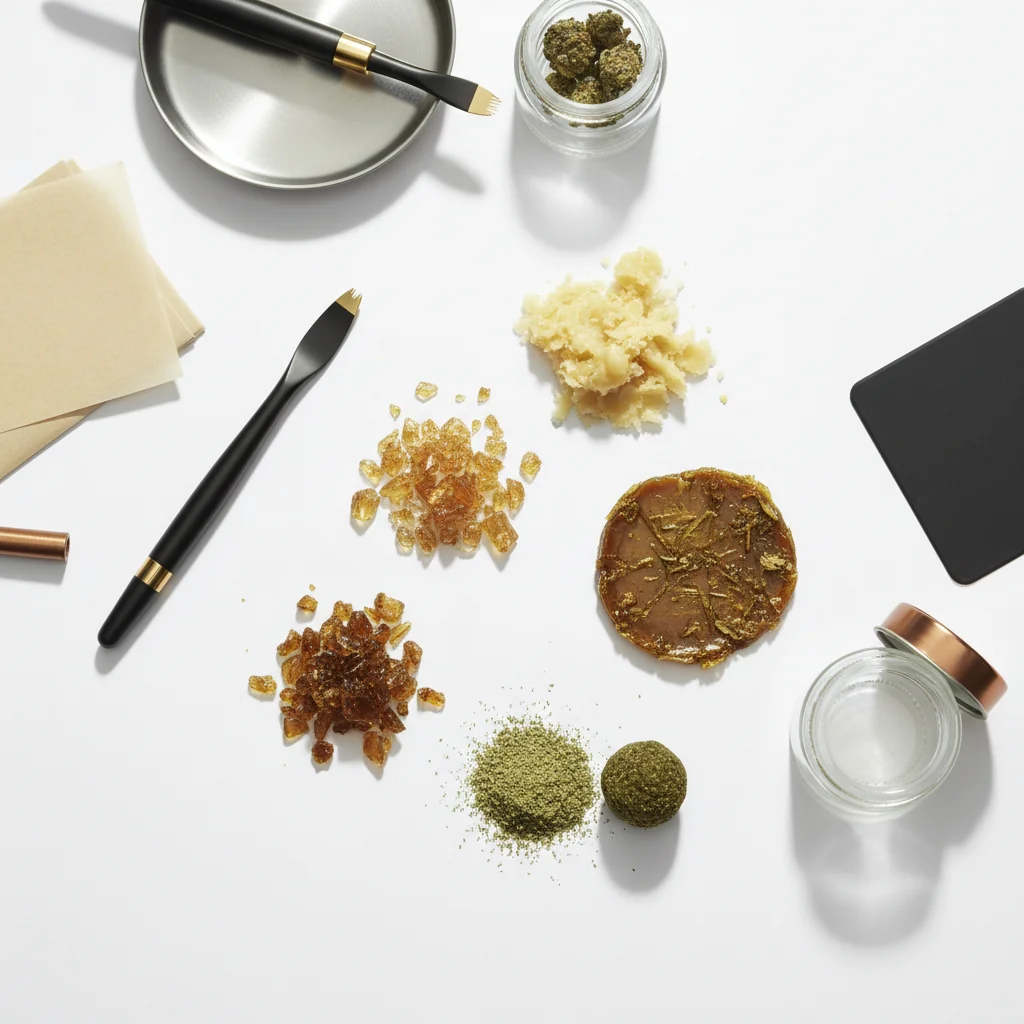
I concentrati di cannabis hanno rivoluzionato il modo in cui gli appassionati apprezzano i ricchi sapori e gli effetti potenti della pianta. Con una varietà sempre crescente di concentrati disponibili, può essere travolgente scegliere quello giusto per le tue esigenze. Dalla frantumazione alla cera alla colofonia, ogni tipo offre vantaggi ed esperienze uniche.
Comprendere i diversi tipi di concentrati di cannabis è fondamentale sia per i principianti che per i consumatori stagionati. Questa guida esplorerà i concentrati più popolari, le loro caratteristiche e come usarli in modo sicuro ed efficace. Che tu sia interessato a massimizzare il sapore, la potenza o la facilità d'uso, c'è un concentrato adatto alle tue preferenze.
Risposta rapida
I concentrati di cannabis sono potenti estratti della pianta di cannabis, che offrono un modo raffinato per consumare cannabinoidi e terpeni. I tipi popolari includonofrantumarsi, cera, ecolofonia, ciascuno diverso per consistenza, potenza e metodo di produzione. La scelta del concentrato giusto dipende dall'esperienza e dal metodo di consumo desiderati.
sommario
1. Cosa sono i concentrati di cannabis?
2. Shatter: il concentrato simile al vetro
4. Rosin: senza solvente e puro
6. Come usare i concentrati di cannabis
7. Sicurezza e uso responsabile
8. conclusione
Cosa sono i concentrati di cannabis?
I concentrati di cannabis sono prodotti che sono stati lavorati per estrarre composti desiderabili come THC e CBD, lasciando dietro di sé materiale vegetale. Questo processo si traduce in un prodotto più potente che offre un potente pugno di cannabinoidi e terpeni.
- tipo: I concentrati possono essere solidi, semisolidi o liquidi, a seconda del metodo di estrazione e della lavorazione finale.
- potenza: Questi prodotti in genere contengono livelli di THC più elevati rispetto al fiore tradizionale, che può variare dal 10 al 25% di THC.
- Metodi di consumo: i concentrati possono essere consumati attraversotamponamento, svapo o anche mescolando con il fiore per effetti potenziati.
Shatter: il concentrato simile al vetro
Shatter è un tipo di concentrato di cannabis chiamato per la sua consistenza fragile simile al vetro. È noto per la sua elevata potenza e aspetto traslucido.
caratteristiche
- consistenza: fragile e vitreo, si rompe facilmente in frammenti.
- apparenza: Va dall'ambra all'oro chiaro.
- potenza: Spesso contiene il 70-90% di THC, rendendolo uno dei concentrati più potenti disponibili.
Come usare Shatter
1. tamponamento: Usa adab rige una torcia per riscaldare l'unghia prima di applicare un pezzetto di frantumazione.
2. vaporizzazione: Alcuni vaporizzatori sono progettati specificamente per concentrati e possono ospitare shatter.
Per i passaggi dettagliati sull'utilizzo di un rig DAB, visita la nostra guida suCome fare un dab.
Cera: morbida e flessibile
La cera è un'altra forma popolare di concentrato di cannabis, noto per la sua consistenza più morbida e flessibile. Offre un'esperienza potente e saporita.
caratteristiche
- consistenza: cremoso e facile da manipolare.
- apparenza: spesso opaco e può variare di colore.
- potenza: In genere varia dal 60-80% di THC.
Come usare la cera
- tamponamento: La cera è ideale per la tamponamento grazie alla sua maneggevolezza e all'elevata potenza.
- rivestimento: Cospargere una piccola quantità sopra una ciotola o un giunto per un calcio in più.
Per ulteriori informazioni sulla pulizia e la manutenzione del tuo rig, consulta la nostra guidaCome pulire un dab rig.
Rosin: senza solvente e puro
La colofonia si distingue come un concentrato senza solvente, estratto utilizzando calore e pressione anziché solventi chimici. Questo lo rende uno dei preferiti tra coloro che cercano un prodotto puro e naturale.
caratteristiche
- consistenza: può variare da sappy a solido, a seconda del metodo di estrazione.
- apparenza: spesso dorato e traslucido.
- potenza: Contiene alti livelli di cannabinoidi, di solito intorno al 60-70% di THC.
Come fare la colofonia
1. Prepara il fiore: Usa una qualitàmacinaamunchmakerPer garantire una trama uniforme.
2. torchio: Applicare calore e pressione utilizzando una pressa per capelli o una piastra per capelli.
3. riunire: raschiare la carta da forno con aStrumento per il tocco.
Altri concentrati popolari
Oltre a shatter, cera e colofonia, molti altri concentrati offrono esperienze uniche:
- resina viva: noto per il suo ricco profilo terpenico, che offre un sapore e un aroma potenziati.
- sterminio: Ha una consistenza montata a forma di burro ed è facile da maneggiare.
- frantumare: secco e friabile, ideale per guarnire il fiore in abongo pipa.
Come usare i concentrati di cannabis
Quando si utilizzano concentrati, considerare i seguenti metodi:
1. tamponamento: il metodo più comune, utilizzando un rig specificamente progettato per concentrati.
2. vaporizzazione: I vaporizzatori portatili offrono praticità e facilità d'uso.
3. mescolanza: Migliora il fiore aggiungendo concentrati a giunture o ciotole.
Sicurezza e uso responsabile
- Inizia basso: Inizia con una piccola quantità per misurare la tua tolleranza, poiché i concentrati sono molto potenti.
- informare: Comprendi gli effetti e la potenza del concentrato che scegli.
- conservazione corretta: Conservare in un luogo fresco e buio per mantenere la potenza e la freschezza.
conclusione
Esplorare il mondo dei concentrati di cannabis può essere un viaggio emozionante, offrendo una gamma di sapori, effetti ed esperienze. Comprendendo le caratteristiche di Shatter, Wax, Rosin e altri concentrati popolari, puoi prendere decisioni informate in linea con le tue preferenze e il tuo stile di vita. Dai sempre la priorità alla sicurezza e all'uso responsabile per godere di tutti i benefici che i concentrati di cannabis hanno da offrire.
Frequently Asked Questions
I concentrati di cannabis sono prodotti realizzati estraendo i composti più desiderabili dalla pianta di cannabis, come cannabinoidi e terpeni, risultando in una sostanza altamente potente. Si presentano in varie forme come shatter, cera e colofonia.
Related Guides
Bubble Hash: How to Make Ice Water Hash at Home
Complete guide to making bubble hash at home: equipment needed, choosing starting material, the full extraction process, grading hash quality, proper drying, and how to use bubble hash.
Carb Cap Types: Directional, Bubble, and Spinner Caps
Comprehensive guide about carb cap types: directional, bubble, and spinner caps. Learn everything you need to know with expert tips and detailed instructions.

Carb Caps Explained: Types, Uses, and Why You Need One
Complete guide to carb caps for dabbing. Learn how carb caps work, different types (directional, bubble, spinner), and why they're essential for low-temp dabs.