

Precisione della scala rispetto alla precisione: cosa significano davvero i numeri

Lisa Thompson
Storage & Preservation Specialist
Precisione della scala rispetto alla precisione: cosa significano davvero i numeri
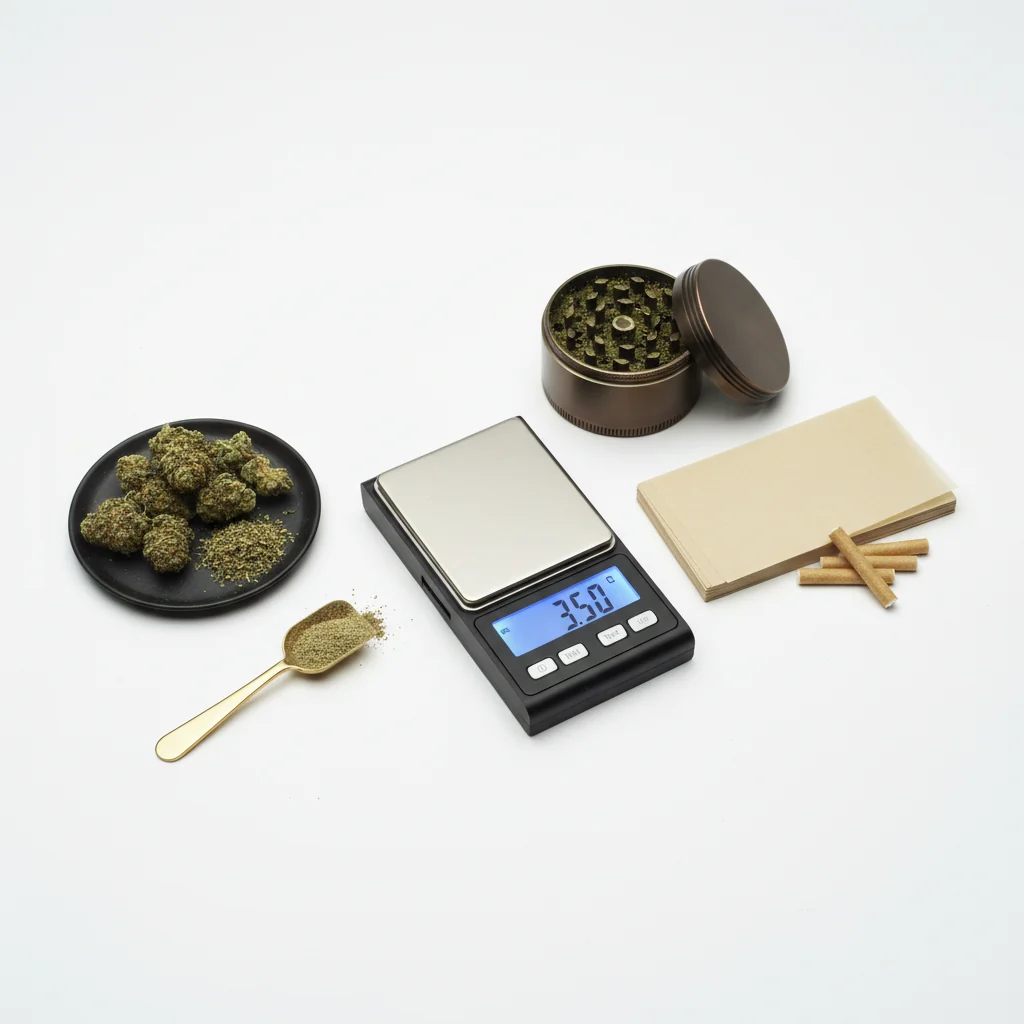
Le specifiche di scala possono creare confusione. Cosa significa effettivamente "precisione 0,1 g"? La "leggibilità" è uguale a "accuratezza"? Questa guida spiega le specifiche della scala in un linguaggio semplice in modo da poter scegliere la scala giusta e capire cosa ti dicono davvero le tue letture.
Risposta rapida
La precisione è quanto vicino al vero peso, la precisione è quanto coerente. Una scala di 0,1 g può rilevare differenze di 0,1 g (un decimo grammo). Per il fiore, 0,1 g funziona bene. Per i concentrati, è necessario 0,01 g o 0,001 g. Leggibilità = incremento più piccolo visualizzato. Precisione = affidabilità di misurazione effettiva. Sono correlati ma non identici.
Capire le specifiche della scala
Per concetti statistici nell'accuratezza della misurazione,Manuale di statistiche di ingegneria del NISTFornisce una guida tecnica.
leggibilità (risoluzione)
cos'è:Il minimo incremento del peso visualizzato dalla bilancia.
Esempio:
- 0.1G di leggibilità mostra: 1.0, 1.1, 1.2, ecc.
- 0.01G di leggibilità mostra: 1.00, 1.01, 1.02, ecc.
- 0.001G di leggibilità mostra: 1.000, 1.001, 1.002, ecc.
Punto chiave:Questo è ciò che vedi, non necessariamente ciò che è vero.
accuratezza
cos'è:quanto è vicino al peso effettivo la lettura.
Esempio:
Una bilancia potrebbe visualizzare 3,5 g quando il peso reale è 3,48 g o 3,52 g. L'accuratezza indica la deviazione prevista.
Specifiche di precisione comuni:
- "±0.1g" significa che la lettura potrebbe essere disattivata fino a 0,1 g
- Una lettura da 3,5 g potrebbe effettivamente essere da 3,4 g a 3,6 g
Precisione (ripetibilità)
cos'è:quanto costantemente la scala fornisce la stessa lettura per lo stesso elemento.
Buona precisione:Pesare lo stesso articolo 5 volte, ottenere 3,50 g ogni volta.
Scarsa precisione:Pesare lo stesso articolo 5 volte, ottenere 3,48 g, 3,52 g, 3,49 g, 3,51 g, 3,50 g.
La relazione
Cosa significano in pratica diverse precisioni
Precisione di 0,1 g (scala tascabile)
Cosa puoi misurare in modo affidabile:
- 1G e oltre con fiducia
- 0,5 g con ragionevole precisione
- sotto lo 0,5 g diventa inaffidabile
Ideale per:
- verificando ottavi, quarti, once
- Pesatura generale dei fiori
- Uso quotidiano
non ottimo per:
- acquisti a mezzo grammo singolo
- concentrato
- Dosaggio di precisione
Interpretazione della lettura:
Quando la bilancia mostra 3,5 g, il peso effettivo è probabilmente 3,4-3,6 g.
Precisione 0,01 g (scala tascabile di precisione)
Cosa puoi misurare in modo affidabile:
- 0,1 g e oltre con alta fiducia
- 0,05 g con ragionevole precisione
- Meglio per piccole quantità
Ideale per:
- Verifica degli acquisti più piccoli
- Pesatura dei fiori più accurata
- Pesatura concentrata di bilancio
- Dosaggio commestibile migliore
Interpretazione della lettura:
Quando la bilancia mostra 3,50 g, il peso effettivo è probabilmente 3,48-3,52 g.
Precisione 0,001 g (scale milligrammo)
Cosa puoi misurare in modo affidabile:
- 0,01 g e oltre con alta fiducia
- 0,005 g con ragionevole precisione
- estrema precisione
Ideale per:
- concentrato
- Precisa realizzazione commestibile
- precisione scientifica
- Uso professionale
Interpretazione della lettura:
Quando la bilancia mostra 3.500 g, il peso effettivo è probabilmente 3,498-3,502 g.
Precisione vs precisione illustrata
entrambi buoni (ideali)
Letture: 3.50, 3.50, 3.50, 3.50, 3.50
Peso vero: 3,50 g
Risultato:Perfetto: preciso e preciso.
preciso ma impreciso
Letture: 3.55, 3.55, 3.55, 3.55, 3.55
Peso vero: 3,50 g
Risultato:costantemente sbagliato. necessita di calibrazione.
Preciso ma impreciso
Letture: 3.48, 3.52, 3.49, 3.51, 3.50
Peso vero: 3,50 g
Risultato:Media corrette ma le letture individuali variano. Probabile questione ambientale.
Nessuno dei due (scala scadente)
Letture: 3.45, 3.58, 3.42, 3.61, 3.49
Peso vero: 3,50 g
Risultato:inaffidabile. sostituire o riparare la scala.
Accuratezza corrispondente allo scopo
per fiori di cannabis
Linea di fondo:0.1G funziona per la maggior parte dei fiori. 0,01 g è meglio per piccole quantità.
per concentrati
Linea di fondo:0,001 g è davvero l'unica precisione appropriata per i concentrati.
per gli edibili
Comprensione del margine di errore
cosa significa ±
Quando le specifiche dicono "±0.1g":
- Leggere di 5.0G significa che effettivo potrebbe essere 4.9-5.1g
- Leggere di 3,5 g significa che l'attuale potrebbe essere 3,4-3,6 g
Composti di errore con pesi piccoli
A pesi maggiori:
5,0 g ± 0,1 g = 2% di errore potenziale
A pesi più piccoli:
0,5 g ± 0,1 g = 20% di errore potenziale
Lezione:La precisione conta di più per quantità minori.
Perché le scale economiche sono peggio
Scale migliori:
- precisione effettiva più stretta rispetto alle specifiche
- più coerente
- meglio ai bordi della gamma
Bilance economiche:
- potrebbe non soddisfare le specifiche dichiarate
- peggio a piccoli pesi
- Maggiore sensibilità ambientale
Testare la precisione della tua bilancia
Usando pesi noti
Pesi di calibrazione (migliore):
- Peso preciso noto
- utilizzare per verificare e calibrare
Monete (adeguate):
- Nichel americano = 5,00 g
- Penny USA (post-1982) = 2,50 g
- pila per pesi più grandi
prova di precisione
1. Pesare lo stesso articolo 5 volte
2. Registra ogni lettura
3. Tutto lo stesso = buona precisione
4. Variazione = Problema di precisione
Prova di precisione
1. Pesare il peso noto (peso di calibrazione o monete)
2. Confronta con il valore noto
3. Chiudi = buona precisione
4. OFF = necessita di calibrazione o sostituzione
Migliorare le tue letture
Fattori ambientali
Per la migliore precisione:
- superficie piana e stabile
- lontano dalle correnti d'aria
- temperatura costante
- Nessuna vibrazione
Fattori di utilizzo
Per la migliore precisione:
- Calibrare regolarmente
- Batterie nuove
- Lascia che la scala si scaldi
- Non affrettare le letture
Fattori di scala
Per la migliore precisione:
- Marchio di qualità
- Precisione appropriata per l'attività
- Manutenzione adeguata
- non superare la capacità
Riferimento rapido
Precisione per tipo di scala
Quando le letture contano di più
- Verifica degli acquisti: necessita di precisione
- Dosaggio costante: necessita di precisione
- Realizzare commestibili: bisogno di entrambi
- Uso casuale: entrambi funziona
riassunto
Capire le specifiche della scala ti aiuta:
1. Scegli la giusta precisionePer le tue esigenze
2. Interpretare le letturecorrettamente
3. identificare i problemiQuando si verificano
4. Non pagare più del dovutoPer una precisione inutile
Per la maggior parte dell'uso di fiori di cannabis, è sufficiente una precisione di 0,1 g. Per concentrati o lavori di precisione, 0,001 g è essenziale. Non lasciarti ingannare da luoghi decimali extra: la leggibilità non è la stessa cosa della precisione.
Questa guida è a scopo didattico. Rispettare sempre le leggi locali sulla cannabis.
Frequently Asked Questions
La precisione è quanto vicino al peso reale si legge la bilancia. La precisione è la costanza che dà la stessa lettura. Una scala può essere precisa ma imprecisa (costantemente sbagliata) o accurata ma imprecisa (varia ma media corretta). Le buone scale sono entrambe.
Per i fiori, 0,1 g sono sufficienti per la maggior parte degli scopi. 0,01 g aiuta a verificare quantità minori (mezzo grammi) in modo più preciso. Per i concentrati, 0,01 g è minimo e 0,001 g preferiti. La differenza di prezzo è di solito $ 5-15.
Le variazioni derivano da: superficie instabile, correnti d'aria, batteria scarica, variazioni di temperatura o lo spostamento dell'elemento sulla piattaforma. Inoltre, le scale hanno un ±margine al loro limite di precisione. Calibrare regolarmente e garantire condizioni stabili.
Related Guides

Best Scales for Cannabis: Complete Buying Guide
Find the perfect scale for weighing cannabis. Compare pocket scales, milligram scales, and kitchen scales with recommendations for different needs and budgets.

How to Calibrate a Digital Scale: Step-by-Step Guide
Learn how to properly calibrate your digital scale for accurate cannabis measurements. Step-by-step instructions for calibration weights, DIY methods, and troubleshooting.

Understanding Cannabis Measurements: Grams to Ounces Explained
# Understanding Cannabis Measurements: Grams to Ounces Explained ## Introduction Navigating the world of cannabis can be a bit daunting, especially when it comes to understanding the various measurements used to quantify it. Whether you're a seasoned consumer or new to the scene, knowing the standa