

Schermi di pipe: tipi, usi e installazione

Emma Chen
Glass Specialist
Schermi di pipe: tipi, usi e installazione
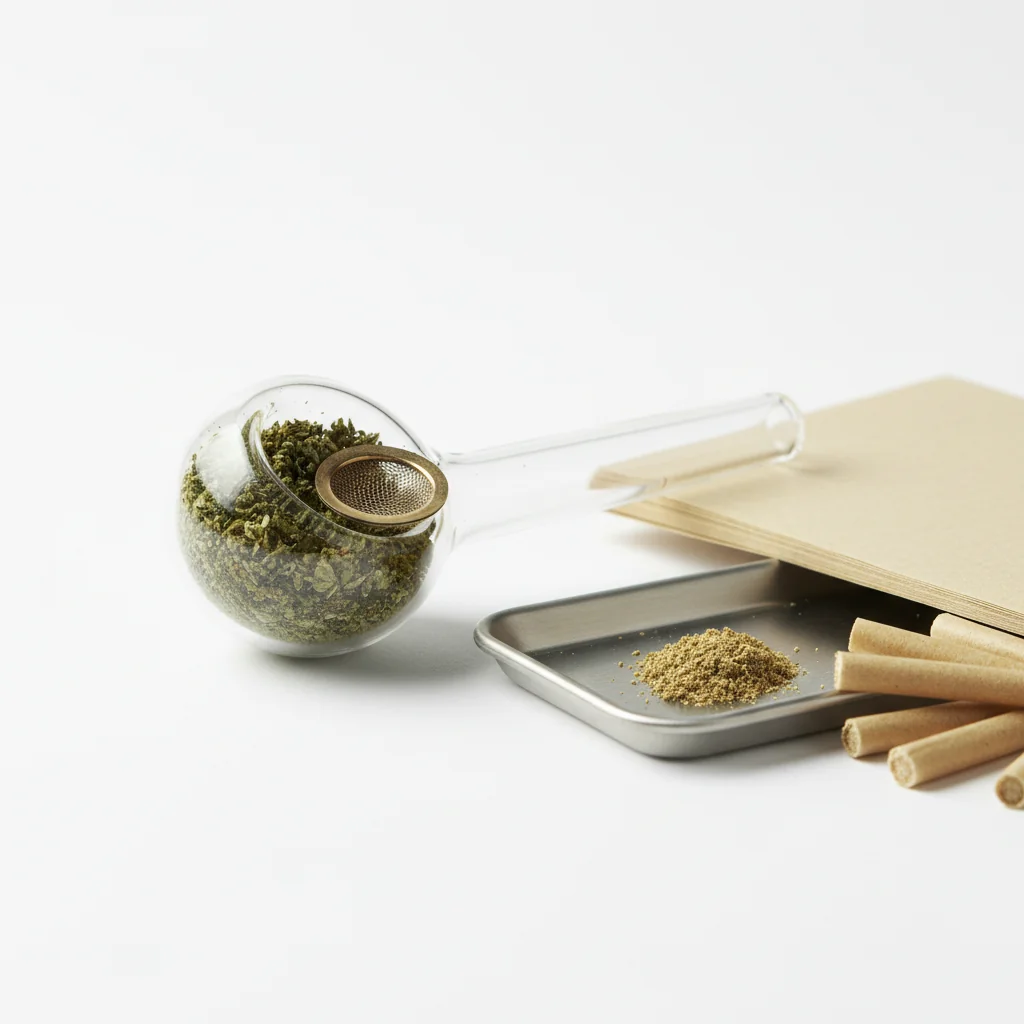
Gli schermi a tubo sono piccoli inserti che impediscono alla cannabis di cadere attraverso il foro della ciotola consentendo al flusso dell'aria. Sono economici, efficaci e risolvono uno dei problemi di pipa più comuni. Questa guida copre i diversi tipi, quando usarli e l'installazione corretta.
Risposta rapida
Gli schermi a tubo sono piccoli inserti in rete o traforati posti nei fondi della ciotola per evitare che la cannabis cada. Gli schermi in ottone sono i più comuni (economici, usa e getta, $ 1-3 per 100). Gli schermi a margherita in vetro sono riutilizzabili e forniscono un migliore flusso d'aria. Gli schermi in acciaio sono resistenti. Rilasciare lo schermo nella ciotola, premere, sostituire quando intasato.
Perché usare gli schermi dei tubi?
Problemi risolti:
- Cannabis che cade attraverso il buco della
- Cenere che entra in bocca
- Zoccoli nel gambo del tubo
- Cannabis sprecata
- "Spuntini di Scooby" (detriti in bocca)
Quando ne hai bisogno:
- fori per vaschetta grandi
- Cannabis finemente macinato
- Tubi più vecchi con fori usurati
- qualsiasi tubo in cui il materiale cade
Abbina schermi di qualità conPipe da fumo da MunchmakerPer la migliore esperienza. Per consigli per la manutenzione dei tubi,Tempi altiHa coperto accessori di cannabis dal 1974.
Tipi di schermi per tubi
Schermi di ottone
Descrizione:Cerchi sottili in mesh in ottone, tipo più comune.
Pro:
- Molto economico ($ 1-3 per 100 schermi)
- Disponibile ovunque
- Facile da modellare in qualsiasi ciotola
- disponibile
Contro:
- intasarsi in modo relativamente rapido
- bisogno di una sostituzione regolare
- Alcuni assaggiano quando sono nuovi (brucia)
- Non riutilizzabile
Taglia:Di solito 0,5 ", 0,625", o 0,75" di diametro
Ideale per:Utenti economici, comodità usa e getta
Schermi a margherita di vetro
Descrizione:Piccoli inserti in vetro con forme a petalo che creano canali.
Pro:
- Riutilizzabile (pulito e riutilizzabile)
- Ottimo flusso d'aria
- Divieto di sosta
- Esteticamente gradevole
Contro:
- Più costoso ($ 2-5 ciascuno)
- può rompersi
- Hai bisogno di dimensioni corrette per la ciotola
- Può muoversi nella ciotola
Ideale per:Utenti incentrati sulla qualità, driver giornalieri
Schermi in maglia d'acciaio
Descrizione:Cerchi in maglia in acciaio inossidabile.
Pro:
- durevole
- depurabile
- Meglio dell'ottone
- Nessun problema di gusto
Contro:
- Può essere rigido
- A volte più difficile da modellare
- Più costoso dell'ottone
Ideale per:Priorità alla durata
Schermi in titanio
Descrizione:Rete di titanio premium.
Pro:
- ultra-durevole
- non influirà sul gusto
- Alta resistenza al calore
- riutilizzabile molte volte
Contro:
- caro
- Meno comune
- Eccesso per la maggior parte degli utenti
Ideale per:Utenti premium, vaporizzatori
come installare schermi di tubi
Schermi in ottone/mesh in acciaio
Passaggio 1: Seleziona la dimensione corretta (dovrebbe essere leggermente più grande del foro della ciotola)
Passaggio 2: Forma dello schermo premendo nella ciotola o curva con le dita
Passaggio 3: Immergiti nella ciotola, con il lato concavo verso il basso
Passaggio 4: Premere i bordi verso il basso con il dito per posizionarsi correttamente
Passaggio 5: Aggiungi la cannabis in cima
chiave: Lo schermo dovrebbe essere piatto sul fondo, coprendo completamente il foro.
Schermi a margherita di vetro
Passaggio 1: Abbina la dimensione della margherita alla dimensione della ciotola
Passaggio 2: Cacciare nella ciotola (non è necessaria la sagomatura)
Passaggio 3: centro sopra il foro
Passaggio 4: Aggiungi cannabis
nota: Gli schermi in vetro non si modellano, sono rigidi. Ottieni la dimensione corretta.
Dimensioni dello schermo
In caso di dubbio: Vai leggermente più grande. Puoi modellare, non su.
Quando sostituire gli schermi
Segni È ora:
- Il flusso d'aria è limitato (difficile da disegnare)
- Resina intasata in resina visibile
- Lo schermo ha dei buchi bruciati
- Gusto metallico (schermi in ottone)
- lo schermo è deformato o danneggiato
Durata tipica della vita:
Schermi di ottone: 3-10 usi a seconda della pulizia
schermi in acciaio: 10-30 usi
margherite di vetro: indefinito se pulito regolarmente
titanio: Mesi ad anni con la pulizia
Schermi di pulizia
Schermi in ottone/acciaio
Metodo veloce:
1. Tieni le pinzette
2 Fai scorrere la fiamma più leggera su entrambi i lati
3. I residui si bruciano
4. Lascia raffreddare, riutilizza
Pulizia profonda:
1. Immergere in alcol isopropilico
2. Strofina delicatamente
3. Risciacquare, asciugare
realtà: Gli schermi in ottone sono abbastanza economici che la maggior parte delle persone li sostituisce.
Schermi a margherita di vetro
Metodo:
1. togliere dalla ciotola
2 Immergere in alcol isopropilico 30+ minuti
3. Risciacquare con acqua tiepida
4. essiccare
5. Riutilizzo
Gli schermi di vetro valgono la pena di essere puli- Sono riutilizzabili per molto tempo.
Screens vs soluzioni integrate
Tubi con schermi integrati
Alcuni tubi hanno:
- Passaggi ristretti (non è necessaria alcuna schermata)
- Marmi in vetro da incasso
- Rete metallica integrata
- Fondo in vetro traforato
Se la tua pipa ha questo: Nessuno schermo necessario.
Quando integrato non è sufficiente
A volte i tubi hanno fori troppo grandi anche con passaggi stretti. Aggiungi comunque uno schermo se il materiale cade.
Problemi comuni sullo schermo
Problema: lo schermo cade nel tubo
causa: Schermo troppo piccolo, non sagomato correttamente
guaio: Usa uno schermo più grande, forma per afferrare le pareti della ciotola
Problema: non riesco a attirare l'aria
causa: schermo intasato o utilizzando troppi schermi
guaio: Sostituisci lo schermo, usane solo uno alla volta
Problema: lo schermo brucia
causa: Tenendo la fiamma sullo schermo troppo lungo, schermi economici
guaio: cannabis leggero, non schermo. Passa a schermi più spessi
Problema: gusto metallico
causa: nuovo schermo in ottone, rivestimenti che bruciano
guaio: Bruciare i rivestimenti prima del primo utilizzo (schermo a fiamma vuota) o passare al vetro
Suggerimenti per professionisti
Suggerimento 1: acquista in blocco
Gli schermi in ottone sono più economici in confezioni da 100. Li userai.
Suggerimento 2: forma prima dell'inserimento
Usa il dorso di una penna o il pollice per preformare gli schermi in mesh in una tazza.
Suggerimento 3: non imballare gli schermi troppo stretti
Uno schermo dovrebbe impedire la caduta della cannabis, non il blocco del flusso d'aria.
Suggerimento 4: prova le margherite di vetro
Vale l'investimento per gli utenti quotidiani. Colpi più puliti, riutilizzabili per sempre.
Suggerimento 5: abbina lo schermo da macinare
Macinatura più fine = rete più fine necessaria. Grind grossolano = schermi standard bene.
Hai sempre bisogno di uno schermo?
non necessariamente.
Schermi non necessari se:
- La pipa ha passaggi stretti
- Usando cannabis macinata grossolanamente
- il buco della ciotola è piccolo
- Utilizzo della tecnica del tappo Nug (pezzo più grande in basso)
Schermi sicuramente necessari se:
- il materiale cade costantemente
- Ottenere "Scooby Snacks" in bocca
- il buco della ciotola è grande
- Usando cannabis finemente macinato
Domande frequenti
Gli schermi dei tubi sono riutilizzabili?
Gli schermi in ottone sono tecnicamente riutilizzabili, ma la maggior parte delle persone li tratta come usa e getta a causa del loro basso costo ($ 0,01-0,03 ciascuno). Gli schermi a margherita in vetro e gli schermi in acciaio sono progettati per essere puliti e riutilizzati molte volte.
Di che misura ho bisogno dello schermo del tubo?
Misura il buco della ciotola e scegli uno schermo leggermente più grande. Le dimensioni standard sono 0,5 "per tubi piccoli e 0,625" per tubi a cucchiaio standard. In caso di dubbio, diventa più grande: puoi modellare gli schermi in mesh per adattarli.
Gli schermi di vetro funzionano meglio dell'ottone?
Gli schermi in vetro Daisy offrono un migliore flusso d'aria e nessun gusto metallico, inoltre sono riutilizzabili indefinitamente. Gli schermi in ottone sono più economici in anticipo ma necessitano di frequenti sostituzioni. Per gli utenti quotidiani, il vetro vale l'investimento.
Questa guida è a scopo didattico. Le leggi sulla cannabis variano a seconda della giuris
Frequently Asked Questions
Gli schermi in ottone sono tecnicamente riutilizzabili, ma la maggior parte delle persone li tratta come usa e getta a causa del loro basso costo ($ 0,01-0,03 ciascuno). Gli schermi a margherita in vetro e gli schermi in acciaio sono progettati per essere puliti e riutilizzati molte volte.
Related Guides
Best Pipes for Flavor: Materials and Designs That Taste Best
Comprehensive guide about best pipes for flavor: materials and designs that taste best. Learn everything you need to know with expert tips and detailed instructions.
Bubbler vs Dry Pipe: Which is Better for You?
Comprehensive guide about bubbler vs dry pipe: which is better for you?. Learn everything you need to know with expert tips and detailed instructions.

Chillum Pipes: History, Types, and How to Use
Learn about chillum pipes - their ancient Indian origins, different types (glass, clay, stone), and proper cupped-hand smoking technique. Complete guide to this traditional straight-tube pipe.