

Mini bong vs full-size: quale taglia è giusta per te?

Emma Chen
Glass Specialist
Mini bong vs full-size: quale taglia è giusta per te?
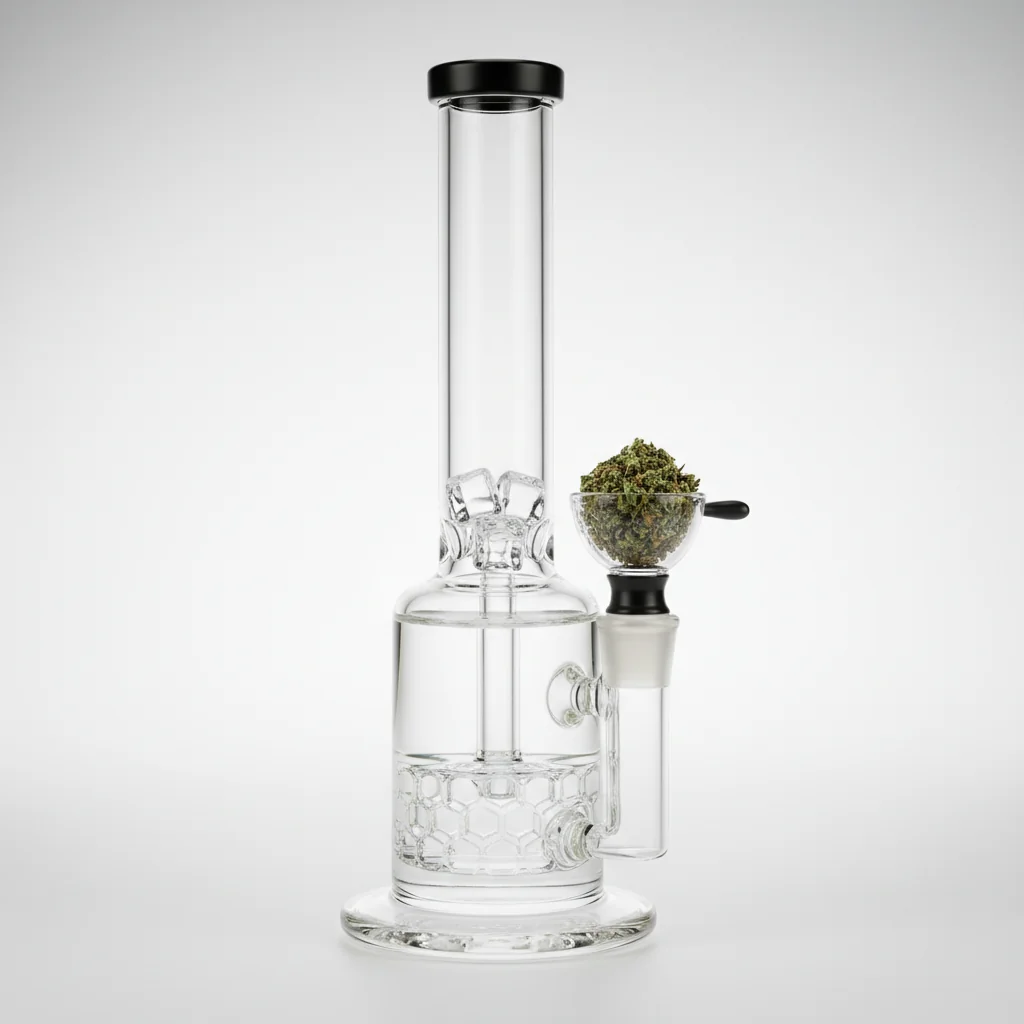
La dimensione del bong influisce in modo significativo sulla tua esperienza di fumo, dall'intensità del colpo alla portabilità. Mantieni la tua cannabis fresca conDeposito speciale per scortaIndipendentemente dalle dimensioni del bong. Questa guida confronta i mini bong (sotto gli 8 pollici) con i pezzi a grandezza naturale (12+ pollici) su ogni fattore che conta, aiutandoti a scegliere la taglia giusta per le tue esigenze.
Risposta rapida
I mini bong (sotto gli 8") offrono portabilità, pulizia più facile e colpi più piccoli, ideali per principianti, viaggi e uso discreto. I bong a grandezza naturale (12"+) forniscono colpi più fluidi attraverso più acqua/percolazione, camere più grandi ed un'estetica drammatica, il migliore per l'uso domestico e i fumatori esperti. Scegli in base a dove lo utilizzerai, al tuo livello di esperienza e alla situazione di archiviazione.
Classificazioni delle dimensioni del bong
Mini bong:Sotto gli 8 pollici
- Compatto e portatile
- Camera più piccola e colpi
- spesso singolo o nessun caffettiera
Bong medio:8-12 pollici
- compromesso equilibrato
- Percolazione decente possibile
- opzione più versatile
Bong a grandezza naturale:12+ pollici
- volume massimo di fumo
- Sistemi di percolazione complessi
- Incentrato sull'uso domestico
Bong di festa/novità:24+ pollici
- Pezzi di dichiarazione
- poco pratico per uso regolare
- Visualizza gli elementi
Mini bong: vantaggi
portabilità
- Si adatta a borse, zaini
- Facile da trasportare
- Festa e viaggi adatti
- Dimensione discreta
Pulizia più facile
- Meno superficie da pulire
- Disegni più semplici
- Manutenzione più veloce
- Meno punti difficili da raggiungere
Prezzo più basso
- Meno materiale = costo inferiore
- $ 20-60 Range tipico
- Meno rischio finanziario
- Buono per sperimentare
Amichevole per principianti
- colpi più piccoli, meno tosse
- più facile da imparare i livelli dell'acqua
- Esperienza meno travolgente
- perdonare gli errori
efficiente in termini di spazio
- Facile da riporre e nascondere
- Si adatta a piccoli spazi
- Appartamento amichevole
- Impronta minima
durata
- Più corto = meno mance
- baricentro inferiore
- Meno superficie da rompere
- resistente al viaggio
Mini bong: svantaggi
colpi più piccoli
- Meno volume della camera
- Più colpi necessari per l'effetto
- può sentirsi limitato
fumo più duro
- Meno acqua per il raffreddamento
- Percorso del fumo più breve
- Meno filtrazione
- Più calore diretto
Percolazione limitata
- Semplice o nessun Percs
- Meno diffusione
- non così liscio
- Filtrazione di base
Meno fascino visivo
- Disegni più semplici
- Meno impressionante
- Opzioni artistiche limitate
- funzionale all'estetica
Bong a grandezza naturale: vantaggi
Colpi più fluidi
- Più volume d'acqua
- Percorso di fumo più lungo
- Migliore raffreddamento
- Meno duro su gola/polmoni
Percolazione complessa
- Più opzioni PERC
- Massima diffusione
- fumo più liscio possibile
- Ingegneria del vetro scienti
Camere più grandi
- colpi più grandi possibili
- Più deposito di fumo
- Latte drammatico
- Soddisfazione visiva
impatto estetico
- Bellissimi pezzi da esposizione
- Possibilità artistiche
- Disegni impressionanti
- Appello da collezione
Migliore raffreddamento
- Più contatto con l'acqua
- Percorso d'aria più lungo
- ghiacciaOpzioni ricevitore
- Fumo notevolmente più fresco
Bong a grandezza naturale: svantaggi
fragilità
- baricentro più alto
- più propenso a dare la mancia
- Più vetro da rompere
- Più PERC = punti più fragili
Pulizia difficile
- Più superficie
- Percs complessi difficili da raggiungere
- impiega più tempo
- richiede più forniture
prezzo più alto
- Più materiale = costo più elevato
- I perc complessi aggiungono i costi
- $ 80-300+ gamma tipica
- Investimento significativo
non portatile
- Troppo grande per i viaggi
- Richiede una configurazione stabile
- Solo uso domestico
- Sfide di archiviazione
Più difficile da usare
- necessaria più capacità polmonare
- Cancellazione di grandi camere
- Livelli dell'acqua più critici
- Curva di apprendimento più ripida
confronto diretto
chi dovrebbe scegliere mini bong
Ideale per:
- I principianti imparano a usare i bong
- Viaggiatori frequenti
- frequentatori di festival ed eventi
- Abitanti con spazio limitato
- Acquirenti attenti al budget
- Quelli che rompono le cose spesso
- Proprietari di pezzi secondari/di backup
Scegli Mini se:
- Valore portabilità rispetto alla scorrevolezza
- avere uno spazio di archiviazione limitato
- Vuoi una facile manutenzione
- stanno comprando il tuo primo bong
- Hai bisogno di qualcosa di discreto
- Viaggia con il tuo pezzo
Chi dovrebbe scegliere bong a grandezza naturale
Ideale per:
- Fumatori esperti
- Utenti solo a casa
- Prioritizzatori di levigatezza
- collezionisti
- quelli con spazi per fumatori dedicati
- Utenti che desiderano la massima filtrazione
Scegli a grandezza naturale se:
- Fumare solo a casa
- desiderare più colpi possibili
- avere spazio di archiviazione sicuro
- Dai priorità all'esperienza rispetto alla convenienza
- può impegnarsi per una pulizia regolare
- Apprezzare l'estetica
L'opzione "Best of Both Mondi"
Molti utenti possiedono entrambi:
Full-size per casa:
- Autista quotidiano
- Massimo comfort
- Migliore esperienza
Mini per il viaggio:
- sessioni all'aperto
- eventi e incontri
- pezzo di riserva
Questa combinazione copre tutti gli scenari e in genere costa meno di un pezzo di dimensioni standard premium.
Considerazioni sulle dimensioni per esigenze specifiche
Per i principianti
Consigliato:Mini o Medio (6-10 pollici)
- colpi più piccoli durante l'apprendimento
- più facile da gestire
- Costi di sostituzione inferiori se rotti
- Costruisce le basi per pezzi più grandi in seguito
Per uso quotidiano pesante
Consigliato:Da medio a grandezza (10-14 pollici)
- L'efficienza conta con il volume
- La morbidezza previene l'irritazione
- Investimento giustificato dall'uso
- Percolazione di qualità importante
per uso occasionale
Consigliato:Mini o Medio (6-10 pollici)
- Meno pulizia richiesta
- Facile da riporre quando non in uso
- Non c'è bisogno di una configurazione complessa
- conveniente
per gruppi/condivisione
Consigliato:Da medio a grandezza (10-16 pollici)
- Camera più grande serve gruppi
- Impressionante per le impostazioni sociali
- Filtrazione migliore per molti utenti
- Vale l'investimento per uso condiviso
Livelli dell'acqua per dimensione
Mini bong:
- Livello dell'acqua più critico (piccolo margine)
- Di solito 1-1,5 pollici sopra il downstem
- Troppe cause splashback
- Troppo poco non filtra
Bong a grandezza naturale:
- Più perdonare i livelli dell'acqua
- Più PERC hanno bisogno di livelli individuali
- Controlla che ogni PERC sia sommerso
- Più spazio per l'errore
Confronto delle puli
Pulizia di un mini bong:
- 5-10 minuti
- Meno alcol necessario
- Il metodo del semplice agitazione funziona
- Poche aree difficili da raggiungere
Pulizia di un bong a grandezza naturale:
- 15-30+ minuti
- più forniture necessarie
- Potrebbe aver bisogno di scovolini per Percs
- più camere da affrontare
rapporto prezzo-qualità
Mini bong:
- $ 20-40: funzione di base, durata limitata
- $ 40-60: vetro di qualità, percolazione decente
- $ 60-100: Mini Premium con funzionalità
Bong a grandezza naturale:
- $ 60-100: becher di base, percs minimo
- $ 100-200: vetro scientifico di qualità, buoni percs
- $ 200-400: vetro premium, percs multipli
- $ 400+: pezzi artistici/collettori
Raccomandazione del valore:La fascia media in entrambe le categorie offre il miglior rapporto qualità-prezzo.
il compromesso del bong medio
Per chi non è in grado di decidere, i bong medi (8-12 pollici) offrono:
- Portabilità ragionevole
- scorrevolezza decente
- Opzioni di percolazione
- Prezzo moderato
- Sforzo di pulizia equilibrato
- Casi d'uso versatili
Molti considerano questo il "punto debole" per l'uso quotidiano.
la linea di fondo
Scegli Mini se:La portabilità, il budget, la facilità d'uso e la manutenzione contano di più. Perfetto per principianti, viaggiatori e persone con vincoli di spazio.
Scegli a grandezza naturale se:La morbidezza, la qualità dell'esperienza e l'estetica contano di più. Ideale per uso domestico, fumatori esperti e collezionisti.
Considera entrambi se:Fumi in vari contesti e puoi investire in pezzi complementari.
Non esiste una dimensione oggettivamente "migliore" - solo migliore per la tua situazione specifica. Valuta dove lo utilizzerai, con quale frequenza lo pulirai e quale esperienza dai la priorità.
Questa guida è a scopo didattico. Le leggi sulla cannabis variano a seconda della giuris
Frequently Asked Questions
no I mini bong offrono gli stessi composti: prendi solo colpi più piccoli a causa del volume della camera inferiore. Potresti aver bisogno di più colpi per ottenere lo stesso effetto, ma la potenza per colpo è identica.
Related Guides
Ash Catcher Guide: Keep Your Bong Clean Longer
Complete guide to ash catchers for bongs: what they do, types including dry and percolator ash catchers, joint sizes and angles, how to use and clean them, and how to choose the right one.

Ash Catchers: What They Do and Why Use One
Learn what ash catchers do, how they keep your bong clean, and whether you need one. Understand different types, how to choose the right size, and maintenance tips.
Beaker vs Straight Tube Bongs: Which Style is Better?
Comprehensive guide about beaker vs straight tube bongs: which style is better?. Learn everything you need to know with expert tips and detailed instructions.