

Tutorial rolling (olandese/backroll): la tecnica del giunto definitivo

Mike Rodriguez
Rolling Expert
Tutorial rolling (olandese/backroll): la tecnica del giunto definitivo
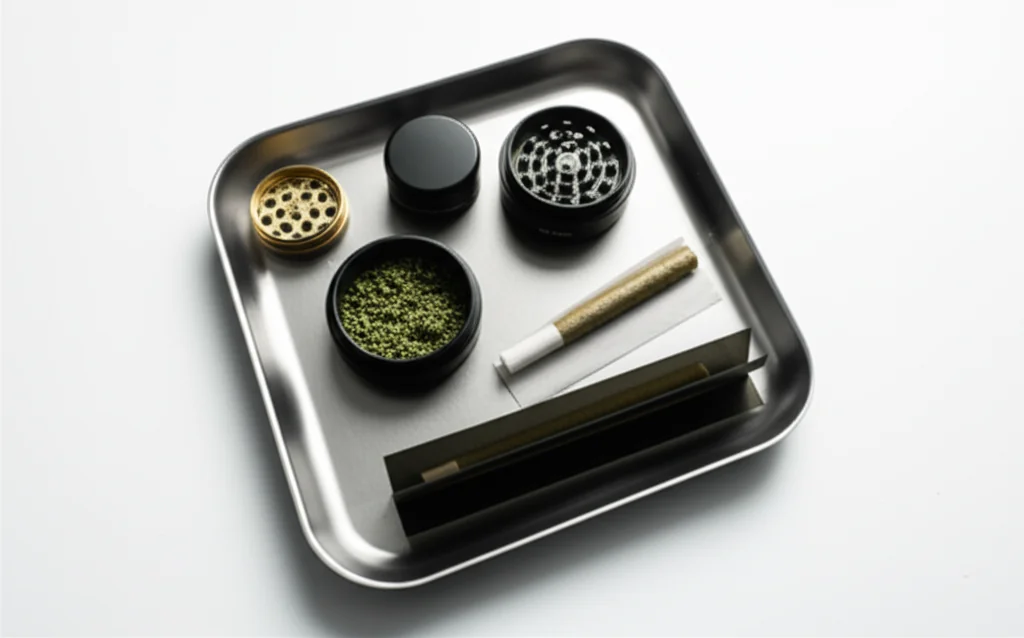
Il rolling rolling (chiamato anche rolling olandese, backrolling o rotolamento inverso) è una tecnica avanzata di rotolamento dei giunti che utilizza carta minima per un gusto più pulito e una combustione più lenta. Questa guida ti insegna come padroneggiare questa abilità impressionante.
Risposta rapida
Per rotolare al rovescio: capovolgere la carta capovolta (giro rivolto verso il basso), aggiungere filtro e cannabis normalmente, rotolare e modellare, infilare il bordo inferiore (non gengivale) sotto, rotolare fino a quando la linea della gomma non si vede attraverso la carta dall'interno, leccare all'esterno dell'articolazione per attivare la gomma attraverso la carta, sigillare, strappare la carta in eccesso. Utilizza il 50% di carta in meno rispetto al normale rollio.
Cos'è il rotolamento rotolamento?
Il concetto:
Laminazione normale:
- Striscia di gomma a faccia in su
- rotoli verso la gomma
- Sigillo leccando la gomma sopra
- Tutti gli strati di carta rimangono
Rotolamento rotolamento:
- Striscia di gomma a faccia in giù (verso la superficie)
- Inizialmente rotoli dalla gomma
- La gomma finisce all'interno
- Leccare la carta per attivare la gomma
- Strappare lo strato di carta esterno in eccesso
risultato: circa il 50% in meno di carta, gusto più pulito, ustione più lenta
Perché rotolare al rovescio?
Vantaggi:
- Meno carta = gusto migliore: Il sapore della cannabis domina, il sapore minimo di carta
- Brucia più lenta: Meno carta significa ustione più lenta e controllata
- impressionante: mostra la padronanza del rotolamento, impressiona altri fumatori
- Fumo più liscio: Riduzione della durezza da meno carta
- addetto alle puli: Nessun gusto adesivo (gomma sigillata dall'interno)
Svantaggi:
- difficile: Richiede prima solide abilità di rollio
- tasso di fallimento più alto: facile da sbagliare durante l'apprendimento
- Rifiuti Carte: Aspettati molti fallimenti durante l'apprendimento
- non più veloce: richiede più tempo del normale rollio
Chi dovrebbe provare: rulli esperti che possono rotolare costantemente giunti regolari
Padroneggia il tuo rotolamento con la qualitàabitudine [ rotolamentoda munchmakers](https://munchmakers.com/product-category/custom-rolling-papers/). Per le tecniche avanzate di rolling,420 RivistaCopre la cultura della cannabis dal 1993.
prerequisiti
Prima di tentare al rovescio, dovresti essere in grado di:
- Tira un giunto regolare con successo per l'80%+ delle volte
- Rotolare senza laminare
- Comprendi la tecnica del tuck-and-roll
- avere una buona destrezza delle dita e controllo della carta
Se non riesci ancora a tirare le articolazioni regolari in modo coerente: Masterizza prima il rotolamento di base. Provare al rovescio troppo presto farà solo sprecare carta e ti frustra.
COSA HAI BISOGNO
- Carte sottili(Il riso o la canapa sottile funzionano meglio)
- Suggerimenti per il filtro
- Cannabis macinata (0,5-0,75 g)
- macina
- Documenti di pratica (previdi di sprecare 10-20 apprendimento)
Raccomandazione cartacea: OCB, Elementi o Carte di Riso grezzo. Le carte sottili ti consentono di vedere la linea della gomma attraverso di esse (critica per questa tecnica).
Passo dopo passo: rotolamento rotolamento
Passaggio 1: capovolgere la carta
Mettere la carta da rotolamento con ilstriscia di gomma rivolta verso il bassoverso la superficie di rotolamento. Questo è l'opposto del normale rolling.
controllo visivo: Il lato appiccicoso della gomma dovrebbe toccare il vassoio o le dita rotanti, non rivolte verso di te.
Perché questo è importante: Questo orientamento consente alla gomma di finire all'interno dell'articolazione dopo il rotolamento.
Passaggio 2: posiziona il filtro e la cannabis
Esattamente come il normale rollio:
- Posizionare il filtro a un'estremità (di solito a sinistra per i mancini)
- Distribuire la cannabis macinata in modo uniforme lungo la carta
- Importo: 0,5-0,75 g (leggermente inferiore al normale - più facile da controllare)
Promemoria chiave: La gomma è sotto/rivolta verso il basso, ma stai posizionando tutto allo stesso modo di un'articolazione normale.
Passaggio 3: rotolare e modellare
rotolare avanti e indietro tra i pollici e le dita per modellare l'articolazione,Esattamente come il normale rollio.
Il movimento di rotolamento è identico- Stai solo lavorando con la carta capovolta.
importante: Datelo bene qui. Buona forma = rimboccatura più facile nel passaggio successivo.
Passaggio 4: la piega critica (diversa dal normale)
Ecco dove si differenzia all'insù:
normale rotolamento: Infila il bordo più vicino a te (lato delle gengive) sotto la cannabis
rovescio: Rimbocca il bordo più lontano da te (lato non gengivale) sotto la cannabis
perché: Poiché la gomma è rivolta verso il basso, infila il bordo opposto. La gomma verrà e si incontrerà dall'interno.
questa è la parte più difficile da visualizzare. Il bordo non gengivale si infila sotto, rotola intorno alla cannabis e alla fine la gomma (proveniente da sotto) si mostrerà attraverso il foglio.
Passaggio 5: rotolare per esporre la gomma attraverso la carta
Continuare a rotolare il giunto chiuso. Mentre rotoli:
Fai attenzione alla linea delle gengive: Vedrai una linea leggermente più scura/lucida che appare attraverso la carta dall'interno. Questa è la striscia di gomma che si vede attraverso.
Richieste carte sottili: Ecco perché le carte di riso/canapa sottili funzionano meglio: devi vedere la linea della gomma attraverso la carta.
Come appare: una linea più scura e debolmente che corre per tutta la lunghezza dell'articolazione, visibile attraverso lo strato esterno di carta.
Passaggio 6: leccare la carta (il passo magico)
Una volta che vedi la linea della gomma attraverso il foglio:
Lecca l'esternodel giunto lungo quella linea. La tua saliva si impregnerà attraverso la carta sottile e attiverà la gomma all'interno.
Tecnica:
- Leccate generose (non essere timido - la saliva deve penetrare in carta)
- Segui l'intera linea gengivale
- può leccare in sezioni o tutto in una volta
Cosa sta succedendo: saliva → attraverso la carta esterna → attiva la gomma all'interno → bastoncini di gomma sulla carta di cannabis/interiore
Passaggio 7: sigillare e tenere
Premere con decisione lungo la linea leccata per 5-10 secondi.
stai sigillando dall'interno: La gomma sta attaccando gli strati interni di carta, anche se hai leccato dall'esterno.
quadretta: Il giunto dovrebbe sentirsi sigillato. La gomma si è attivata attraverso la carta.
Passaggio 8: strappare la carta in eccesso
Ora la parte soddisfacente:
la carta in eccessoQuello rotolato all'esterno (lo strato extra) può essere strappato via.
Come rimuovere:
- Opzione A: strappalo con cura lungo la linea di tenuta
- opzione B: Brucialo quando accendi l'articolazione (più comune)
- Opzione C: Lecca lungo la linea che vuoi strappare, quindi strappare (l'umidità lo rende più facile)
risultato: carta minima rimanente - solo uno strato sottile attorno alla cannabis invece di due.
Problemi di rotolamento al rotolamento al rove
Problema: non riesco a vedere la linea delle gengive attraverso la carta
causa: carta troppo spessa o non è stata arrotolata abbastanza
Soluzione:
- Usa fogli più sottili (le carte di riso funzionano meglio)
- Tieni il giunto alla luce per vedere la linea gengivale
- Rotola ulteriormente - la linea gengivale diventa visibile una volta che gli strati interni ed esterni si sovrappongono
Problema: la gomma non si attacca quando si lecca all'esterno
causa: non abbastanza saliva, o carta troppo spessa
Soluzione:
- Lecca più generosamente - Bagnalo davvero
- Usa fogli più sottili
- Tenere premuto e premere più a lungo (10-15 secondi)
- prova a respirare aria calda su di esso per aiutare ad attivare la gomma
Problema: l'articolazione si rompe durante la lacerazione in eccesso
causa: La gomma non si è sigillata correttamente
Soluzione:
- Non strappare - brucia solo l'eccesso quando si accendono
- Assicurarsi che la gomma sia completamente attivata prima di strappare
- Premere il sigillo più a lungo prima di tentare di strappare
Problema: confuso su quale bordo infilare
causa: Disorientamento dell'orientamento della carta
Trucco visivo:
- Rotolo normale: gomma up → Tuck Near Edge
- Inside-Out: Gum Down → Rimbocca il bordo più lontano
- Infila il bordo che non ha la gomma sotto di esso
Problema: sprecare troppa cannabis durante i tentativi falliti
Soluzione:
- Esercitati prima con il tabacco o la miscela di erbe aroma
- Usa meno cannabis (0,3-0,5 g) mentre impari
- accettare che i fallimenti fanno parte dell'apprendimento
- Salva i tentativi falliti di cannabis per il prossimo tentativo
Inside-Out vs Rolling regolare
Gusto:
Inside-out:
- Meno gusto di carta
- Il sapore della cannabis domina
- Fumo più pulito
Regolare:
- Più gusto di carta
- Aroma di carta mescolato con cannabis
vincitore: Inside-Out (soggettivo ma ampiamente concordato)
Tasso di bruciatura:
Inside-out:
- Brucia più lenta (meno carta da bruciare)
- sessione più controllata
- dura più a lungo
Regolare:
- Brucia più veloce
- Durata della sessione standard
vincitore: Inside-Out
Difficoltà:
Inside-out:
- Tecnica avanzata
- tasso di fallimento più alto
- richiede pratica
Regolare:
- Difficoltà moderata
- Più perdono
- Più facile da imparare
vincitore: Regolare (per principianti)
Praticità:
Inside-out:
- impiega più tempo
- Più concentrazione richiesta
- Non è l'ideale per sessioni veloci
Regolare:
- più a lungo
- più conveniente
- Buono per qualsiasi situazione
vincitore: Regolare (per velocità)
la connessione della cultura olandese
Il rolling al rotolo è originario dei Paesi Bassi (quindi "Dutch Roll"), dove la cultura della cannabis enfatizza:
- Minimalismo ed efficienza
- Qualità oltre la quantità
- Padronanza della tecnica
- Esperienza di fumo pulita e saporita
nelle caffetterie di Amsterdam: Il rollio rotolamento è comune e previsto tra i fumatori esperti.
Significato culturale: mostra che sai cosa stai facendo, rispetto per l'artigianato
Le migliori carte per rotolare all'insù
LE SCELTE PRINCIP
1. Premio OCB (riso):
- ultrasottile
- linea di gomma molto visibile
- Facile da vedere
- Il migliore per l'apprendimento
2 Elementi ultra sottili:
- carta di riso
- molto sottile
- Visibilità della linea gengivale chiara
- Scelta professionale
3. Nero crudo (canapa sottile):
- Più sottile del normale crudo
- Funziona per Inside-Out
- Ancora perdonando
scansare:
- Zig-zag (troppo spesso, non riesco a vedere la gomma)
- Carte di canapa spesse
- Carte aromatizzate (di solito più spesse)
Progressione pratica
Settimana 1: capire il flip
- Esercitati a capovolgere la carta e visualizzare la tecnica
- Fai corse a secco senza cannabis
- Mettiti comodo con l'orientamento capovolto
Settimana 2: primi tentativi con il tabacco
- Prova con tabacco o mix di erbe (più economico della cannabis)
- Aspettati un tasso di fallimento del 90%
- Concentrati sul vedere la linea delle gengive attraverso la carta
Settimana 3: tecnica di raffinazione
- Il tasso di successo dovrebbe raggiungere il 30-40%
- Inizia a usare la cannabis
- Lavora su una piega coerente
Settimana 4+: padronanza
- Tasso di successo 60-80%
- Rotolamento più veloce
- Pulire lo strappo della carta in eccesso
Totale giunti di pratica necessari: 30-50 tentativi di essere coerenti
Suggerimenti avanzati
Suggerimento 1: il test della luce
Se non riesci a vedere la linea gengivale,Tenere l'articolazione a una fonte di luce. La gomma verrà mostrata come una linea più scura attraverso la carta.
Suggerimento 2: controllo dell'umidità
Troppo secco: La gomma non si attiva tramite la carta
Troppo bagnato: La carta si strappa, le articolazioni cadono a pezzi
giusto: La gomma si attiva, la carta rimane intatta
Suggerimento 3: brucia non strappare
Quando si inizia,Non strappare la carta in eccesso. Basta accendere l'articolazione e lasciare che l'eccesso si bruci. più sicuro e più facile.
Suggerimento 4: usa leggermente meno cannabis
Le articolazioni al rovescio sonopiù difficile arrotolare il grasso. Usa 0,5-0,75 g di max durante l'apprendimento. Le articolazioni grasse e rovesciate sono di livello esperto.
Suggerimento 5: filtra come punto di riferimento
L'estremità del filtro è tuaancora. Tienilo stretto e perfetto: costruisci la tecnica al rovescio attorno a un filtro solido.
Mettere in mostra le tue abilità
Il rollio rotolamento èimmediatamente riconoscibilea fumatori esperti.
Segni di un'articolazione al rovescio:
- carta minima
- Aspetto pulito
- bordo strappato dove è stato rimosso l'eccesso
- straordinariamente sottile
impatto sociale: Altri fumatori noteranno e rispetteranno la tecnica. È l'equivalente rotolamento di un trucco di skateboard.
Idee sbagliate comuni
mito: "Inside-Out è solo per mettersi in mostra"
realtà: Ci sono vantaggi reali (gusto, velocità di combustione, meno carta)
mito: "Hai bisogno di carte speciali"
realtà: qualsiasi carta sottile funziona, le carte di riso sono semplicemente più facili da vedere
mito: "È impossibile imparare"
realtà: difficile ma realizzabile con la pratica - la maggior parte delle persone può imparare in 20-40 tentativi
mito: "Le articolazioni al rovescio sono più forti/più potenti"
realtà: Stessa potenza - solo meno carta, gusto più pulito
Quando utilizzare rotolamento rotativo
Situazioni migliori:
- Fumo solo (tempo per concentrarsi sulla tecnica)
- Impressionare i fumatori esperti
- Quando vuoi il massimo sapore
- Occasioni speciali in cui qualità > velocità
Salta al rovescio quando:
- precipitoso
- Fumare con i principianti (non lo apprezzeranno)
- Condizioni ventose (più difficili da controllare)
- Usando le carte spesse (non funzionerà bene)
Guida alla risoluzione dei problemi
"Ho capovolto la carta ma ora sono confuso"
soluzione: Mettilo giù. Guardalo. La gomma dovrebbe essere di fronte al tavolo. Se riesci a vedere la striscia di gomma lucida che guarda la carta, è sbagliato: capovolgila.
"Non riesco a vedere nessuna linea di gomma attraverso il foglio"
Soluzioni:
1. Usa fogli più sottili (riso)
2. Tieni premuto per la luce
3. Rotola ulteriormente - ha bisogno di più sovrapposizione per vedere attraverso
4. Verifica di non averlo rotolato all'indietro
"L'articolazione è andata in pezzi quando l'ho leccata"
causa: troppa saliva, carta troppo sottile, non a forma di abbastanza stretto
Soluzione:
- Usa meno saliva ma applica più attentamente
- Forma più stretta prima della sigillatura
- Premi subito dopo aver leccato
"La carta in eccesso non si stacca in modo pulito"
Questo è normale!La maggior parte delle persone lo brucia quando si accende. Lacrimazione richiede pratica.
Alternativa: il "semi-inside-out"
Per chi trova troppo difficile al rovescio:
tecnica: capovolgere la carta ma utilizzare meno carta in eccesso. Rotola abbastanza lontano da permettere alla gomma di raggiungere, leccare, sigillare, ma c'è meno eccesso di strappi.
giovare: più facile che completo al rovescio, utilizza comunque meno carta del normale
risultato: Riduce ancora la carta di ~30-40% rispetto al normale rollio
Questa guida è a scopo didattico. Le leggi sulla cannabis variano a seconda della giuris
Step 1:
Step 2:
Step 3:
Step 4:
Step 5:
Step 6:
Step 7:
Step 8:
Frequently Asked Questions
Il rotolamento al rovescio utilizza meno carta (si strappa in eccesso), con conseguente gusto più pulito di cannabis, ustioni più lente e meno durezza. È anche impressionante da guardare e mostrare maestria.
È avanzato: richiede prima solide abilità di rolling di base. Aspettati 10-20 tentativi falliti durante l'apprendimento. Esercitati con le carte a buon mercato fino a quando non ottieni la tecnica.
Sì, ma le carte più sottili (riso, canapa) funzionano meglio: devi vedere la linea della gomma attraverso la carta. Le carte di pasta di legno sono più spesse e più difficili da vedere.
Related Guides
Rolling Paper Sizes Explained: 1 1/4, King Size, and More
Comprehensive guide about rolling paper sizes explained: 1 1/4, king size, and more. Learn everything you need to know with expert tips and detailed instructions.

Best Rolling Papers for Beginners: Complete Buying Guide 2026
Discover the best rolling papers for beginners including RAW, Zig-Zag, and OCB. Learn about sizes, materials (rice vs hemp vs wood pulp), and which papers are easiest to roll with.
Clear Rolling Papers: Are Cellulose Papers Worth It?
Comprehensive guide about clear rolling papers: are cellulose papers worth it?. Learn everything you need to know with expert tips and detailed instructions.