
Quanto tempo sta bene l'erba? Guida allo stoccaggio e alla freschezza

Sarah Green
Cannabis Educator
Quanto tempo sta bene l'erba? Guida allo stoccaggio e alla freschezza
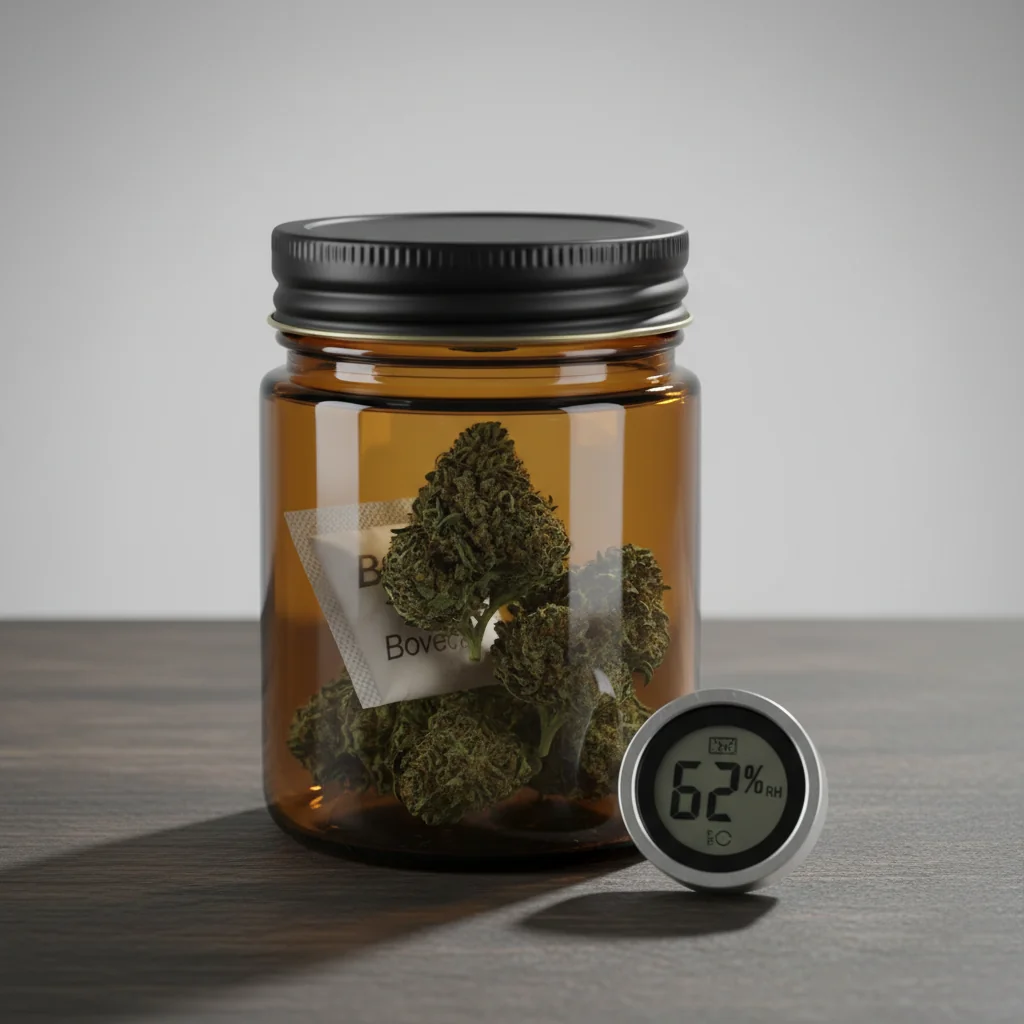
Sia che tu abbia fatto scorta durante una vendita, abbia trovato una vecchia scorta durante la pulizia o che desideri semplicemente far durare più a lungo la tua cannabis, capire quanto tempo rimane bene l'erba è una conoscenza essenziale per qualsiasi consumatore. La cannabis adeguatamente conservata può rimanere potente e divertente per mesi, mentre il fiore conservato in modo improprio può degradarsi rapidamente.
Questa guida completa copre la durata di conservazione della cannabis, le migliori pratiche di conservazione, i segni di degrado e come massimizzare la longevità della tua scorta.
Risposta rapida
La cannabis adeguatamente conservata rimane buona per 6 mesi a 1 anno, mantenendo la maggior parte della sua potenza e sapore. Dopo un anno, il THC inizia a degradarsi in CBN (un cannabinoide meno psicoattivo) e i terpeni evaporano. La cannabis conservata in un contenitore ermetico fresco e buio con umidità controllata (58-62% di umidità relativa) durerà più a lungo. La vecchia erba non ti farà ammalare ma sarà meno potente e saporita.
sommario
- Nozioni di base sulla durata di conservazione della cannabi
- Cosa degrada la cannabis?
- Come capire se l'erba è andata a male
- Condizioni di conservazione ottimali
- I migliori contenitori per la conservazione
- Errori di archiviazione da evitare
- Rianimare la vecchia cannabis
- Edibili e concentrato di conservazione
- Suggerimenti per professionisti
- FAQ
Nozioni di base sulla durata di conservazione della cannabi
Cronologia generale
In condizioni ottimali:
Ricerca sul degrado del THC
Uno studio pubblicato sul Journal of Pharmacy and Pharmacology ha rilevato che la cannabis perde il THC ai seguenti tassi se immagazzinata a temperatura ambiente:
- Dopo 1 anno: ~16% di perdita di THC
- Dopo 2 anni: ~26% di perdita di THC
- Dopo 3 anni: ~34% di perdita di THC
- Dopo 4 anni: ~41% di THC perdita
Questi numeri rappresentano le medie: la scarsa storage accelera il degrado, mentre lo storage ottimale lo rallenta.
Cosa succede quando la cannabis invecchia
Con l'invecchiamento della cannabis, si verificano diversi cambiamenti:
1. Il THC si converte in CBN: Il THC si ossida in CBN (cannabinolo), che è meno psicoattivo ma può avere proprietà sedative
2. I terpeni evaporano: i composti aromatici che conferiscono al suo sapore la cannabis e contribuiscono agli effetti dissipano
3. Perdita di umidità: Il fiore diventa secco e fragile
4. Ripartizione della clorofilla: Il colore sbiadisce dal verde al marrone
Cosa degrada la cannabis?
Quattro fattori principali accelerano la degradazione della cannabis:
1. Luce
La luce è il più grande nemico della cannabis. I raggi UV abbattono rapidamente cannabinoidi e terpeni. Uno studio dell'Università di Londra ha rilevato che l'esposizione alla luce era il singolo fattore più importante nella degradazione dei cannabinoidi.
soluzione: Conservare in contenitori opachi in luoghi bui.
2 Aria/ossigeno
L'ossigeno ossida i cannabinoidi, convertendo il THC in CBN. Inoltre, asciuga i fiori e permette ai terpeni di evaporare.
soluzione: Utilizzare contenitori ermetici con spazio d'aria minimo.
3. Temperatura
Le alte temperature accelerano il degrado e possono seccare i fiori. Il calore molto alto decarbossila il THCA in THC prematuramente, fine per gli edibili, ma non è l'ideale per fumare.
Le temperature superiori a 25°C (77°F) possono anche favorire la crescita della muffa se è presente l'umidità.
soluzione: Conservare in ambienti freschi (60-70°F / 15-21°C).
4. Umidità
Troppa umidità (oltre il 65%) favorisce la crescita di muffe e muffe. Troppo poca umidità (sotto il 55%) asciuga i fiori e degrada i tricomi.
soluzione: Mantenere il 58-62% di umidità relativa utilizzando impacchi di umidità.
Come capire se l'erba è andata a male
Segni di cannabis degradata
Modifiche alla trama:
- Si sbriciola in polvere quando viene toccato (eccessivamente secco)
- Si sente spugnoso o non si rompe facilmente (troppo umido, potenziale muffa)
- gli steli si agganciano invece di piegarsi leggermente
Cambiamenti visi:
- colore marrone o sbiadito (era una volta verde brillante)
- I tricomi appaiono opachi o ambrati (erano una volta lattiginosi/chiari)
- Muffa visibile (macchie bianche o cinghie)
L'odore cambia:
- Odore di muffa o ammuffito (pericoloso, non consumare)
- Odore di fieno o erba (terpeni degradati)
- Poco o nessun aroma (perdita di terpeni)
qualità fumo/vapore:
- Gusto duro e sgradevole
- meno liscio del fiore fresco
- Effetti minimi rispetto alla cannabis fresca
Quando buttarlo via
scartare la cannabis se noti:
- Qualsiasi muffa (macchie bianche pelose, macchie scure o materiale simile al web)
- Odore di muffa o "off"
- Insetti o uova visibili
La cannabis ammuffita può causare problemi respiratori e non dovrebbe mai essere consumata.
Condizioni di conservazione ottimali
L'ambiente ideale
febbre: 60-70°F (15-21°C)
- Fresco ma non freddo
- Evita le fluttuazioni della temperatura
- Non conservare mai vicino a fonti di calore
umidità: 58-62% di umidità relativa
- Utilizzare i pacchetti di controllo dell'umidità (Boveda o Integra Boost)
- 62% per un po' più di umidità
- 58% per preferenza essiccatore
fanale: oscurità completa
- Preferiti contenitori opachi
- Posizione di archiviazione oscura
- Nessuna luce solare diretta
trasmettere: Ermetico con spazio di testa minimo
- Riempi i contenitori in modo appropriato
- La tenuta sottovuoto funziona a lungo termine
- Evita di aprirti frequentemente
dove conservare la cannabis
Buone posizioni:
- cassetto o mobile lontano dalle finestre
- ripiano per armadi
- Seminterrato fresco (se non umido)
- Scatola di immagazzi
CATTIVE LOCATI:
- vicino a finestre o fonti di luce
- Cucina (fluttuazioni di temperatura)
- Bagno (fluttuazioni di umidità)
- Auto (cambiamenti di temperatura estremi)
- Congelatore (controverso, vedi FAQ)
I migliori contenitori per la conservazione
Vasi di vetro (migliori in assoluto)
impresariotto:
- tenuta stagna
- non influisce sul gusto
- riutilizzabile
- Disponibile nelle versioni opache/resistenti ai raggi UV
contro:
- fragile
- Il vetro trasparente ha bisogno di una conservazione buia
- Statico può disturbare i tricomi
Migliori opzioni: barattoli di vetro con coperchi nuovi, barattoli di vetro protetti dai raggi UV, barattoli specializzati per la cannabis
Contenitori speciali di cannabis
I contenitori appositamente costruiti spesso sono dotati di:
- Protezione UV
- controllo dell'umidità
- Guarnizioni ermetiche
- Portapacchi di umidità incorporati
I marchi popolari includono CVault, Herb Guard e Tightvac.
Contenitori in titanio/metallo
impresariotto:
- alla luce
- durevole
- Opzioni ermetiche disponibili
contro:
- può influenzare l'umidità
- Alcuni metalli possono interagire con i terpeni
- Spesso più costoso
Cosa evitare
sacchetti di plastica: Lo statico tira fuori i tricomi, non ermetico, la plastica può influenzare il gusto
contenitori di plastica: può causare sudorazione, può lisciviare sostanze chimiche, problemi statici
carta o cartone: non ermetico, assorbe l'umidità e i terpeni
umidificatori: Gli humidor di cedro fatti per i sigari possono trasferire oli che influenzano il gusto della cannabis
Errori di archiviazione da evitare
1. Conservazione nel congelatore
Anche se sembra logico, il congelamento della cannabis fa sì che i tricomi diventino fragili e si rompano quando vengono maneggiati. Se devi congelare per una conservazione a lungo termine, non maneggiare fino a completo scongelamento.
2. Usando sacchetti di plastica
il peggior metodo di archiviazione comune. L'elettricità statica attira i tricomi, le borse non sono ermetiche e la plastica può influenzare il gusto.
3. immagazzinare insieme ceppi diversi
I ceppi sfumano aromi e potenzialmente trasferiranno l'umidità. Conserva ogni ceppo nel suo contenitore.
4. Riempimento eccessiva o sottotelecomando
Il riempimento eccessivo provoca danni da compressione. Un riempimento insufficiente significa maggiore esposizione all'ossigeno. Riempi i contenitori per circa il 75%.
5. Utilizzo di essiccanti senza confezioni di umidità
Essiccanti regolari (gel di silice) possono essiccare la cannabis eccessivamente. Utilizzare confezioni di umidità bidirezionali che aggiungono e rimuovano l'umidità secondo necessità.
6. macinazione prima della conservazione
La cannabis macinata si degrada molto più velocemente del fiore intero a causa della maggiore esposizione alla superficie. Macina solo quello che userai presto.
7 . Controllo troppo frequente
Ogni volta che apri il contenitore, introduci aria fresca e permetti ai terpeni di scappare. Accedi solo quando necessario.
Rianimare la vecchia cannabis
Se la tua cannabis è diventata troppo secca, puoi tentare di reidratarla:
Metodo del pacchetto di umidità (più sicuro)
1. Metti la cannabis secca in un contenitore ermetico
2 Aggiungi un pacchetto di umidità del 62% (Boveda o Integra Boost)
3. Sigilla e attendi 24-72 ore
4. Controllare il livello di umidità e ripetere se necessario
Metodo di buccia di frutta (usare con attenzione)
1. Metti un pezzetto di scorza d'arancia o di limone nel contenitore
2. Non lasciare che Peel tocchi la cannabis
3. Controllare dopo 1-2 ore
4. Rimuovere la buccia prontamente per evitare la muffa
avvertimento: Questo metodo può introdurre l'umidità troppo rapidamente e promuovere la muffa. Il metodo dell'impasto dell'umidità è più sicuro.
Metodo di lattuga/tortilla
Simile alle bucce di frutta: mettere brevemente la lattuga umida (non bagnata) o una tortilla nel contenitore. Rimuovi dopo qualche ora.
Cosa non puoi aggiustare
La reidratazione può ripristinare un po' di umidità, ma non può:
- Ripristina THC perso (già degradato in CBN)
- Riporta i terpeni evaporati
- Ripara la cannabis ammuffita (non provare mai a salvarla)
La vecchia cannabis sarà sempre meno potente e saporita della fresca, indipendentemente dalla reidratazione.
Edibili e concentrato di conservazione
commestibili
Gli edibili commerciali in genere includono una data migliore. Linee guida generali:
- prodotti da forno: 1-2 settimane (refrigerare)
- caramelle/caramelle: 6-12 mesi (freddo, buio)
- cioccolatini: 6-12 mesi (evitare il calore)
- bevande: Controllare la data di scadenza
- tinture: 1-3 anni (conservare in un luogo buio e fresco)
concentrato
I concentrati in genere durano più a lungo del fiore:
- frantumarsi: 6-12 mesi (a tenuta d'aria, conservazione fresca)
- Cera/Budder: 6-12 mesi (evitare il calore che provoca un cambiamento di consistenza)
- resina viva: 6-12 mesi (refrigerare per la migliore conservazione)
- colofonia: 3-6 mesi a temperatura ambiente, più lungo se refrigerato
- distillato: 1-2 anni (molto stabile)
Per ulteriori informazioni sullo stoccaggio del concentrato, vedere il nostroMemorizzazione della guida dei concentrati.
Cartucce di vaporizzazione
Le cartucce durano 6-12 mesi se conservate in posizione verticale in un luogo fresco e buio. Evita di partire con le auto calde.
Suggerimenti per professionisti
1. Etichetta i tuoi contenitoricon nome del ceppo e data di acquisto
2. Investi in spazio di archiviazione di qualitàFin dall'inizio: ripaga in potenza preservata
3. Acquista pacchetti di umidità alla rinfusa—Sono convenienti ed essenziali
4. Conserva un barattolo di stoccaggio per ogni ceppoacquisti regolarmente
5. Conservare in un cassetto dedicatoLontano dagli oggetti per l'uso quotidiano
6. Non conservare la cannabis con macinatrici o pipe—Il residuo crea odori indesiderati
7. acquistare quantità minoriSe consumi lentamente, la fresca è sempre meglio
8. Tenuta sottovuoto per conservazione a lungo termine(mesi+)
9. Controllare mensilmente la cannabisPer eventuali segni di muffa
10.Scrivi la data "Aperta".Su contenitori per tracciare la freschezza
FAQ
La vecchia erba può farti ammalare?
La vecchia erba che si è semplicemente seccata non ti fa ammalare, è solo meno potente e più aspro da fumare. Tuttavia, la cannabis ammuffita può causare problemi respiratori, reazioni allergiche o infezioni. Non consumare mai cannabis con segni di muffa.
È sicuro fumare erba davvero vecchia?
Se non c'è muffa, è sicuro ma probabilmente non divertente. Il fumo sarà aspro, gli effetti diminuiranno e il sapore scarso. Non ti farà male, ma la cannabis fresca è sempre preferita.
L'erba scade?
La cannabis non "scade" come il cibo che diventa pericoloso. Si degrada, perdendo potenza, sapore e levigatezza nel tempo. Pensalo come spezie che perdono sapore piuttosto che cibo che si deteriora.
Devo congelare la mia cannabis?
In genere, no. Il congelamento rende i tricomi fragili e si rompono quando vengono maneggiati. Se è necessario congelare per una conservazione a lungo termine (6+ mesi), sigillare prima il sottovuoto e non maneggiare fino a completo scongelamento.
Quanto durano i pacchetti boveda?
Imballaggi Boveda durano 2-4 mesi in contenitori regolarmente aperti o 6-12 mesi in contenitori sigillati. Sono esauriti quando si sentono croccanti invece che morbidi.
Tenere l'erba in frigo aiuta?
I frigoriferi possono funzionare ma non sono l'ideale. Le fluttuazioni di temperatura durante l'apertura e i livelli di umidità possono causare problemi. Un cabinet fresco e scuro di solito è migliore.
In che modo i dispensari immagazzinano la loro cannabis?
I dispensari professionali utilizzano lo stoccaggio climatizzato con temperatura e umidità ottimali, spesso in grandi contenitori con controllo dell'umidità. Ruotano prima le scorte per vendere prima l'inventario più vecchio.
Posso conservare la cannabis con altre erbe?
no . Erbe forti come la menta o la lavanda trasferiranno gli aromi alla tua cannabis, influenzandone il sapore. Conserva la cannabis nel suo contenitore dedicato.
conclusione
Con una conservazione adeguata, la cannabis può rimanere potente e divertente per un massimo di un anno, a volte più a lungo. I tasti controllano la luce, l'aria, la temperatura e l'umidità. Investi in contenitori ermetici di qualità, usa pacchetti di umidità, conserva in un luogo buio e fresco e macina solo ciò che consumerai presto.
Mentre la vecchia cannabis non ti danneggerà (a meno che la muffa non ti danneggi), Fresh Flower offre la migliore esperienza. Se ti trovi con la cannabis degradata, puoi tentare la reidratazione, ma non puoi ripristinare i cannabinoidi e i terpeni perduti.
Per informazioni relative all'archiviazione, consulta le nostre guide suContenitori di cannabis adeguatio sfoglia il nostroDatabase di ceppoPer trovare nuove varietà da aggiungere alla tua collezione.
Frequently Asked Questions
La vecchia erba che si è semplicemente seccata non ti fa ammalare, è solo meno potente e più aspro da fumare. Tuttavia, la cannabis ammuffita può causare problemi respiratori e non dovrebbe mai essere consumata.
Related Guides

Common Beginner Mistakes to Avoid When Using Cannabis
Learn the most common mistakes first-time and new cannabis users make, why they happen, and how to avoid them for a better experience.
Best Snacks to Enjoy When High: Ultimate Munchies Guide
Comprehensive guide about best snacks to enjoy when high: ultimate munchies guide. Learn everything you need to know with expert tips and detailed instructions.
Best Time of Day to Smoke Cannabis: Morning vs Evening Effects
Comprehensive guide about best time of day to smoke cannabis: morning vs evening effects. Learn everything you need to know with expert tips and detailed instructions.