

Tipi di tubi di vetro spiegati: Guida completa ai dispositivi per fumare

Emma Chen
Glass Specialist
Tipi di tubi di vetro spiegati: Guida completa ai dispositivi per fumare
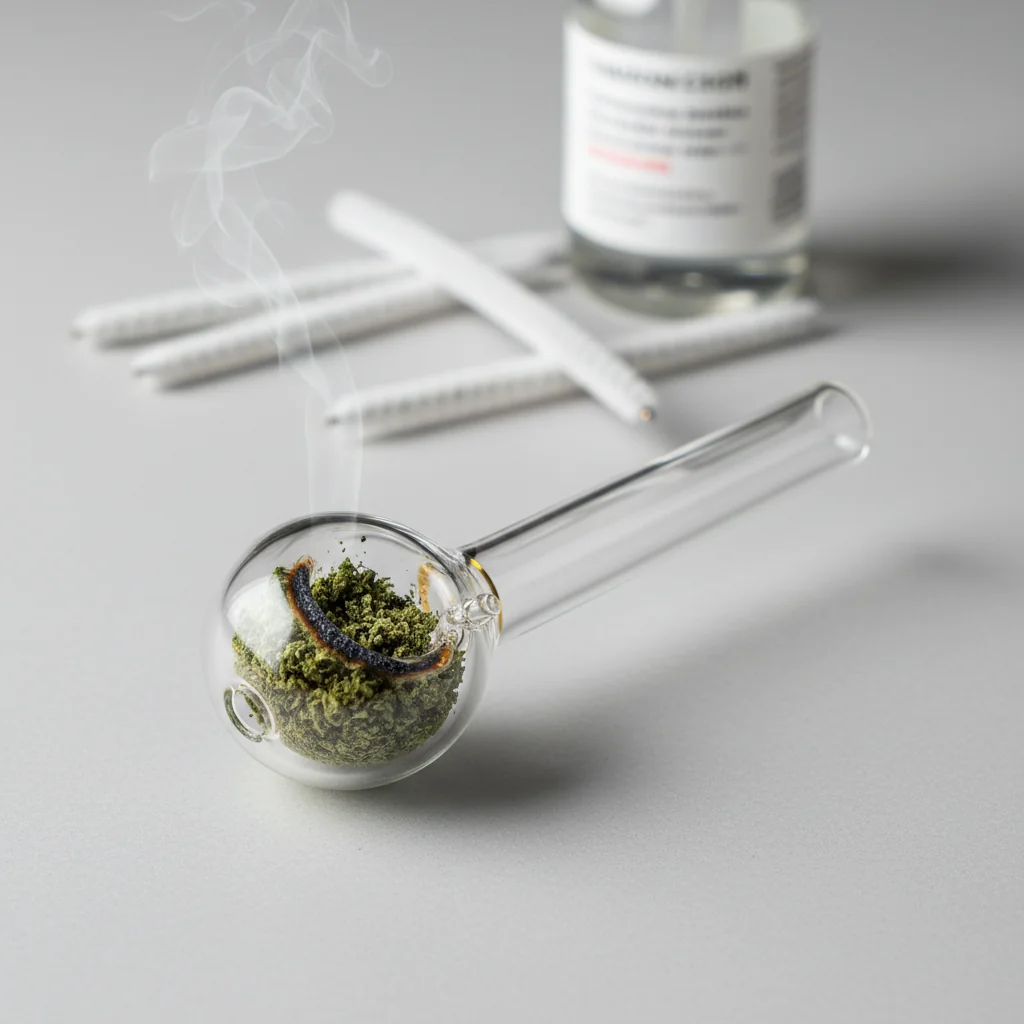
Le pipe di vetro sono disponibili in molte forme e dimensioni, ognuna con caratteristiche uniche che influenzano la tua esperienza di fumo. Dalle semplici pipe a cucchiaio ai bubbler complessi, capire le differenze ti aiuta a scegliere il pezzo giusto per le tue esigenze.
Risposta rapida
I tipi di tubi di vetro principali sono: tubi a cucchiaio (più comuni, curvi con carboidrati), tubi di sherlock (collo curvo, eleganti), rulli a vapore (colpi intensi, carboidrati grandi), chilum/one-hitter (tubo dritto, piccolo) e gorgogliatori (filtrazione dell'acqua). Ognuno offre diversi livelli di portabilità, intensità di successo e fluidità.
Perché il vetro?
Prima di immergersi nei tipi, perché scegliere il vetro rispetto ad altri materiali?
Pro di vetro:
- gusto puro- Nessun sapore aggiunto dal materiale
- Facile da pulire- superficie non porosa
- resistente al calore- Maniglie in vetro borosilicato ad alte temperature
- Appello visivo- Bellissimi colori e disegni
- varietà- La maggior parte degli stili disponibili
Contro:
- fragile- può rompersi se caduto
- febbre- Si scalda durante l'uso prolungato
- prezzare- Il vetro di qualità costa di più
Sfoglia la qualitàPipe per fumare a MunchmakersPer vari stili e design. Per informazioni sulla cura dei tubi in vetro,erbaFornisce guide utili.
Tipo 1: Tubi a cucchiaio
Il tipo di tubo di vetro più popolare. chiamato per la loro forma a cucchiaio.
Caratteristiche:
- Ciotola rotonda a un'estremità
- Foro di carboidrato laterale
- Corpo curvo
- Bocchino dritto
- Dimensioni: 3-6 pollici in genere
Pro:
- molto portatile
- Facile da usare
- Economico ($ 15-50)
- Varietà disponibile
- Perfetto per i principianti
Contro:
- può scaldarsi
- Nessuna filtrazione dell'acqua
- colpi più piccoli rispetto a pezzi più grandi
Ideale per:
- principianti
- Uso quotidiano
- viaggiare
- Sessioni personali
- colpi veloci
Come usare:
1. Pack Ciotola con cannabis macinata
2. Coprire i carboidrati con il dito
3. Bordo leggero della ciotola durante l'inalazione
4. Rilasciare i carboidrati nella camera di pulizia
Tipo 2: tubi di Sherlock
Prende il nome dal tubo curvo iconico di Sherlock Holmes. Elegante e distintivo.
Caratteristiche:
- Collo curvo o curva a S
- La ciotola è appesa sotto la mano
- Percorso di fumo più lungo
- spesso più ornati disegni
- Dimensioni: 5-8 pollici
Pro:
- Fumo più freddo (percorso più lungo)
- Comoda presa
- Aspetto elegante
- La ciotola sta lontano dalla faccia
- Ottimo pezzo di conversazione
Contro:
- Meno portatile (forma curva)
- Può essere pesante
- Spesso più costoso
- Più difficile da pulire
Ideale per:
- uso domestico
- Utenti incentrati sull'estetica
- quelli che vogliono colpi più freddi
- display/raccolta
Variazioni:
- Tubi Gandalf- Collo extra lungo (10-14 pollici)
- Sherlock in piedi- fondo piatto per la visualizzazione
- Mini Sherlock- Versione compatta
Tipo 3: tubi a rullo a vapore
Tubi cilindrici noti per colpi intensi e potenti.
Caratteristiche:
- Forma del cilindro dritto
- Ciotola in cima
- Aperto su entrambe le estremità
- Carboidrato grande (intera apertura frontale)
- Dimensioni: 4-12 pollici
Pro:
- Grandi colpi
- Consegna veloce
- bel design
- Nessun fumo persistente
- Popolare per i gruppi
Contro:
- Molto intenso per i principianti
- può sprecare cannabis se non pronto
- colpi duri
- Difficile regolare la dimensione del colpo
Ideale per:
- Utenti esperti
- Sessioni di gruppo
- battitori pesanti
- quelli con alta tolleranza
Come usare:
1. Coprire i carboidrati davanti con palmo
2. Ciotola leggera durante l'inspirazione
3. Costruisci il fumo nella camera
4. Rilascia il palmo per inalare tutto
avvertimento: Rullo a vapore colpito duramente. Inizia con piccole quantità.
Tipo 4: Chillums / One-Hitters
Il design del tubo più semplice: un tubo dritto.
Caratteristiche:
- Forma del tubo dritto
- Nessun buco di carboidrati
- Capacità vaschetta piccola
- molto compatto
- Dimensioni: 2-4 pollici
Pro:
- estremamente portatile
- molto discreto
- Perfetto per microdosaggio
- Semplice da usare
- Economico ($ 10-30)
Contro:
- colpi molto piccoli
- si scalda rapidamente
- Nessun controllo dei carboidrati
- Necessario reimballaggio frequente
Ideale per:
- microdosaggio
- Situazioni di furtività
- Uso in movimento
- Conservazione della cannabis
- Principianti che provano piccole quantità
Variazioni:
- Sistemi di pilu- Cassa di stoccaggio a un colpo +
- a forma di sigaretta- Design ultra discreto
- smussati di vetro- Meccanismo di torsione per sessioni più lunghe
Tipo 5: Bubblers
Il ponte tra tubi e bong - filtrazione dell'acqua in forma portatile.
Caratteristiche:
- Camera d'acqua incorporata
- Ciotola sopra o lato
- Foro di carboidrato incluso
- Design più complesso
- Dimensioni: 4-8 pollici
Pro:
- Colpi fluidi e filtrati
- Fumo più fresco
- Ancora portatile
- Meglio dei tubi a secco per la durezza
- Più saporito dei bong
Contro:
- Ha bisogno di acqua (meno conveniente)
- può fuoriuscire se mancia
- Più difficile da pulire
- Più costoso ($ 30-100+)
- gorgoglia quando è a corto di acqua
Ideale per:
- Chi vuole la morbidezza senza un bong
- Uso domestico principalmente
- Utenti infastiditi da fumo aspro
- Terra di mezzo tra tubo/bong
Tipi di bubbler:
- Bubbler a martello- Forma a martello, sta in piedi
- Bubbler di Sherlock- collo curvo con camera d'acqua
- Bubbler per sidecar- Bocchino sul lato della camera
- doppio gorgogliatore- due camere d'acqua
Come usare:
1. Riempire la camera dell'acqua (quanto sufficiente per coprire il fusto del fondo)
2. Pacchetto ciotola
3. Coprire carburatore, leggero, inalare
4. Rilascia i carboidrati per cancellare
Tipo 6: tubi speciali
Disegni meno comuni ma interessanti:
Tubi Gandalf
- Collo curvo extra lungo (10-18 pollici)
- Fumo molto fresco
- pezzo di dichiarazione
- Fragile, solo uso domestico
Tubi animali/personaggio
- A forma di animali, volti, oggetti
- valore collezionabile
- espressione artistica
- Funzionalità varia
Tubi a gravità
- Usa la pressione dell'acqua e dell'aria
- colpi intensi
- Esperienza unica
- Più configurazione richiesta
Tubi che cambiano colore
- Fumante d'argento/oro in vetro
- Cambia colore con l'uso (la resina rivela il motivo)
- Popolare per l'estetica
- Stessa funzionalità dello standard
grafico di confronto
Come scegliere
Per principianti:
Inizia con una pipa da cucchiaio
- Semplice da usare
- abbordabile
- Perdonare se caduto (vetro spesso)
- Tecnica facile da imparare
Per colpi fluidi:
Vai per un gorgogliatore
- La filtrazione dell'acqua aiuta
- Meno durezza
- ancora abbastanza portatile
Per utenti pesanti:
Considera un rullo compressore o un cucchiaio più grande
- Camere più grandi
- Più capacità
- Efficiente per uso frequente
Per uso discreto:
Scegli un chillum/un battitore
- dimensione compatta
- uso rapido
- Facile da nascondere
Per l'esposizione domestica:
Sherlock o pezzo artistico
- bei disegni
- inizio conversazione
- può essere arte funzionale
Indicatori di qualità
buoni segni:
- vetro spesso- più resistente
- articolazioni lisce- Nessun bordo ruvido
- anche muri- spessore consistente
- carburatore- Foro pulito, di buone dimensioni
- Bocchino comodo- Dimensione liscia, giusta
- Marchio/artista noto- Reputazione di qualità
Bandiere rosse:
- vetro molto sottile
- spigoli vivi o taglienti
- bolle o imperfezioni in vetro
- Design traballante o irregolare
- Prezzo troppo buono per essere vero
- vernice invece di vetro lavorato
Suggerimenti per la cura per tutti i tipi
Manutenzione generale:
- Pulire regolarmente (settimana per l'uso quotidiano)
- Non esporre a rapidi sbalzi di temperatura
- Conservare in sicurezza quando non in uso
- Usa schermate se necessario
- Elimina Ash dopo ogni sessione
Pulizia:
- L'alcool isopropilico + il metodo del sale funziona per tutti
- I Bubblers hanno bisogno di più attenzione (cambia acqua ogni giorno)
- scovolini per lavori dettagliati
- Risciacquare abbondantemente prima dell'uso
Domande frequenti
Qual è la pipa più semplice per i principianti?
I tubi a cucchiaio sono ideali per i principianti. Sono intuitivi da usare, convenienti e perdonatori. Il buco del carburatore insegna la tecnica corretta e sono facili da pulire. Inizia con un design spesso e semplice.
I bollente colpiscono più agevolmente rispetto ai normali tubi?
Sì, i bollente colpiscono notevolmente più agevolmente perché l'acqua filtra e raffredda il fumo. La differenza è significativa per gli utenti sensibili alla durezza. Tuttavia, richiedono acqua e sono leggermente meno convenienti.
Perché i rulli a vapore sono così intensi?
I rulli a vapore non hanno restrizioni: quando rilasci il grande carboidrato anteriore, inspiri all'istante l'intera camera di fumo. Non c'è una radura graduale come con un piccolo buco di carboidrati. Il colpo completo arriva tutto in una volta.
Questa guida è a scopo didattico. Le leggi sulla cannabis variano a seconda della giuris
Frequently Asked Questions
I tubi a cucchiaio sono ideali per i principianti. Sono intuitivi da usare, convenienti e perdonatori. Il buco del carburatore insegna la tecnica corretta e sono facili da pulire. Inizia con un design spesso e semplice.
Sì, i bollente colpiscono notevolmente più agevolmente perché l'acqua filtra e raffredda il fumo. La differenza è significativa per gli utenti sensibili alla durezza. Tuttavia, richiedono acqua e sono leggermente meno convenienti.
I rulli a vapore non hanno restrizioni: quando rilasci il grande carboidrato anteriore, inspiri all'istante l'intera camera di fumo. Non c'è una radura graduale come con un piccolo buco di carboidrati. Il colpo completo arriva tutto in una volta.
Related Guides
Best Pipes for Flavor: Materials and Designs That Taste Best
Comprehensive guide about best pipes for flavor: materials and designs that taste best. Learn everything you need to know with expert tips and detailed instructions.
Bubbler vs Dry Pipe: Which is Better for You?
Comprehensive guide about bubbler vs dry pipe: which is better for you?. Learn everything you need to know with expert tips and detailed instructions.

Chillum Pipes: History, Types, and How to Use
Learn about chillum pipes - their ancient Indian origins, different types (glass, clay, stone), and proper cupped-hand smoking technique. Complete guide to this traditional straight-tube pipe.