

Come riparare un giunto in canoa: prevenire e correggere la combustione irregolare

Mike Rodriguez
Rolling Expert
Come riparare un giunto in canoa: prevenire e correggere la combustione irregolare
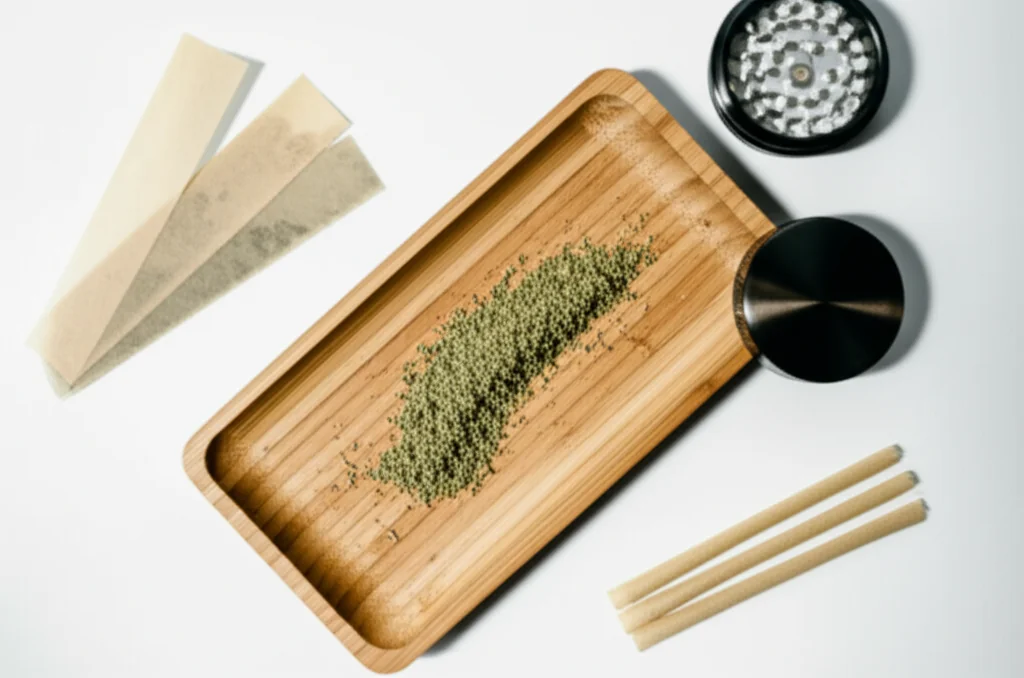
Un giunto di canoa (chiamato anche corsa o tunneling) brucia in modo non uniforme da un lato, sprecando cannabis e creando colpi duri. Questa guida ti insegna come riparare la canoa mentre fumi e impedire che accada in primo luogo.
Risposta rapida
Per fissare un giunto in canoa: inumidire il lato a combustione rapida con la saliva per rallentarlo, ruotare frequentemente l'articolazione mentre fuma o bruciare con cura la carta in eccesso sul lato veloce. Previeni la canoa distribuendo la cannabis in modo uniforme, rotolando bene per tutto il tempo, macinando bene ed evitando il vento.
Cos'è la canoa?
canoaSuccede quando un lato dell'articolazione brucia più velocemente dell'altro, creando un modello di combustione irregolare che assomiglia a una canoa o una barca.
visuale:
- Un lato è bruciato in modo significativo
- L'altro lato ha ancora carta/ciliegia intatta
- Crea un "Runner" - Linea di bruciatura veloce che viaggia su un lato
- Sembra che qualcuno ti abbia scolpito una canoa dalla tua articolazione
risultato: cannabis sprecata, fumo aspro, frustrazione
Prevenire la canoa con un prodotto uniformemente macinato utilizzando apregio [ macinada munchmakers](https://munchmakers.com/product-category/custom-grinders/). Per la risoluzione dei problemi di rotolamento,Blog GrassscityCopre comuni problemi di fumo.
Perché le articolazioni canoa
Causa n. 1: distribuzione irregolare della cannabis (più comune)
il problema:
- più cannabis da una parte che dall'altra
- lacune o sacche d'aria
- Ciuffi densi in alcune aree
Come provoca la canoa:
- Lato denso brucia più lentamente (più materiale)
- Lato sparso brucia più velocemente (meno resistenza)
- Crea bruciatura irregolare
Causa n. 2: tenuta al rotolamento incoerente
il problema:
- arrotolato più stretto su un lato
- macchie sciolte nell'articolazione
- Pressione irregolare durante il rotolamento
Come provoca la canoa:
- Le aree sciolte ottengono più ossigeno
- Più ossigeno = brucia più veloce
- Le aree strette bruciano più lentamente
Causa n. 3: squilibrio di umidità
il problema:
- saliva da un lato dalla sigillatura
- Cannabis umida da un lato
- cannabis essiccata in modo non uniforme
Come provoca la canoa:
- Il lato bagnato brucia più lentamente
- Il lato secco brucia più velocemente
- Crea corridore sul lato asciutto
Causa #4: steli e pezzi
il problema:
- Pezzi grandi o steli nella macinazione
- Dimensione incoerente
- I blocchi creano lacune
Come provoca la canoa:
- Gli steli non bruciano bene
- i blocchi creano canali d'aria
- Densità materiale irregolare
Causa #5: vento e flusso d'aria
il problema:
- Fumare fuori nel vento
- Ventilatore che soffia sul giunto
- Esposizione all'aria irregolare
Come provoca la canoa:
- Il lato rivolto al vento ottiene più ossigeno
- brucia più velocemente
- crea canoa persistente
Correzioni immediate (mentre fuma)
Correzione n. 1: la saliva smorzata
Quando utilizzare: Canoa in fase iniziale (appena all'inizio)
Come:
1. Leccati il dito
2. Inumidire il lato a combustione veloce (il corridore)
3. Questo rallenta temporaneamente quel lato
4. L'altro lato si riprende
consiglio professionale: Non bagnare troppo o le articolazioni si inzuppano
Correzione n. 2: ruota e soffia
Quando utilizzare: Prevenire la canoa o la canoa delicata
Come:
1. tirare
2. Ruotare il giunto di 90-180 gradi
3. Prendi il prossimo sbuffo dalla posizione ruotata
4. Continua a ruotare ogni 2-3 soffi
Perché funziona: anche l'esposizione all'aria su tutti i lati
Correzione n. 3: brucia il corridore
Quando utilizzare: Canoa grave (un lato avanti)
Come:
1. Accendi con cura solo la carta sul lato veloce
2. Brucialo indietro per abbinarlo al lato lento
3. Non bruciare la cannabis
4. scoppiare quando anche
avvertimento: tecnica avanzata, facile da bruciare o sprecare cannabis
Correzione #4: Ashing strategico
Quando utilizzare: Canoa delicata con cenere lunga
Come:
1. Cenere prima il lato a combustione veloce
2. Lascia che laterale lenta brucia per 1-2 piumini in più
3. Poi cenere quel lato
4. Crea effetto serale
Prevenzione: tecniche di rollio
Prevenzione n. 1: distribuzione uniforme
passo criticoNella prevenzione delle canoe:
1. macinare fine e coerente- Niente pezzi, senza steli
2. distribuire in modo uniformelungo l'intera lunghezza della carta
3. Tocca e agitaLa sagomata per insediare la cannabis
4. controllo visivo- dovrebbe apparire densità uniforme
saggiare: Prima di sigillare, guarda le articolazioni di lato: la cannabis dovrebbe essere piatta, non sbilenca
Prevenzione n. 2: tenuta coerente
Come rotolare uniformemente stretto:
1. Usa entrambe le manicon pressione uniforme
2. Passa dal filtro alla puntamantenendo la stessa pressione
3. Non stringere eccessivamente un'estremitàe sottoserrare gli altri
4. Prova di pareggioPrima della sigillatura - dovrebbe avere una resistenza costante
paragone: dovrebbe sembrare un cilindro fisso continuo, non aderente a tenuta stagna
Prevenzione n. 3: macinatura di qualità
Tecnica del macinino:
- Macinare per 10-15 secondi (non 3-5)
- girare la smerigliatrice più volte
- Controlla la coerenza - dovrebbe essere soffice, non grosso
- Rimuovere gli steli prima di macinare
Alternativa a rottura a mano:
- rompere molto bene
- Rimuovere tutti gli steli
- più dispendioso in termini di tempo ma efficace
Prevenzione n. 4: imballaggio corretto
Dopo il rotolamento ma prima di fumare:
1. imballare dalla manciadelicatamente
2. Toccare il tavolo sul tavoloPer abolire la cannabi
3. ripiegarese necessario
4. traguardo: fermo, uniforme in tutto
non fare: Over-pack (limita il flusso d'aria, causa problemi)
Prevenzione n. 5: ambiente controllato
Condizioni di fumo ideali:
- spazio all'aperto o tranquillo all'aperto
- Niente vento o ventole
- Ruota l'articolazione in modo naturale mentre
- Non sempre tenere lo stesso
Evita:
- Giornate ventose (canoa garantita)
- Flusso d'aria diretto della ventola
- mantenendo la stessa posizione congiunta per tutto il tempo
Prevenzione avanzata della canoa
Il metodo del quarto di giro
mentre fuma:
- Dopo ogni soffio, girare l'articolazione di 90 gradi
- crea anche l'esposizione all'ustione
- diventa automatico con la pratica
Perché funziona: nessun lato rimane rivolto verso il vento o dominante
L'ispezione pre-luce
Prima dell'illuminazione:
1. Tieni premuto per illuminare- Controllare la presenza di punti densi (aree più scure)
2. Senti per i grumi- ridistribuire se trovato
3. Prova di pareggio- Dovrebbe avere una resistenza costante
4. scansione visiva- dovrebbe essere simmetrico
Se noti problemi: Srotola e ritiri. meglio della canoa.
La scelta della carta conta
Carte meno probabili alla canoa:
- Carte di riso sottili (elementi, OCB)
- Canapa di alta qualità (nero grezzo)
- Marchi a combustione uniforme
Carte più probabili alla canoa:
- Carte di pasta di legno spesse
- Marche economiche incoerenti
- Carte aromatizzate (rivestimento irregolare)
Scenari di canoa comuni
Scenario: "Sempre canoe dalla stessa parte"
diagnosi: lo tieni allo stesso modo ogni volta
soluzione: ruota consapevolmente mentre fumi, alternati quale mano tiene le articolazioni
Scenario: "Canoe all'estremità del filtro"
diagnosi: stretto alla punta, sciolto al filtro o umidità dalla bocca
soluzione:
- Filtro rotolo più stretto
- Non leccare eccessivamente durante la sigillatura dell'area del filtro
- Disegna più delicatamente (meno umidità dalla bocca)
Scenario: "Canoe nel mezzo"
diagnosi: tasca d'aria o punto sciolto nel mezzo
soluzione:
- imballare con più attenzione
- Toccare l'articolazione prima di fumare per stabilirsi al
- Quando si rotola, presta attenzione alla sezione centrale
Scenario: "Canoe all'esterno nel vento"
diagnosi: esposizione al vento
soluzione:
- Coppa con mano per bloccare il vento
- Faccia lontano dal vento
- Trova un posto riparato
- Ruota più frequentemente
La canoa è pericolosa?
No, la canoa è solo fastidiosa, non dannosa.
preoccupazioni che le persone hanno:
- "Sto sprecando erba?" - Sì, in modo significativo
- "È più duro?" - Sì, brucia irregolare = colpi duri
- "Significa che non posso rotolare?" - non necessariamente, potrebbero essere solo condizioni
Il vero problema: cannabis sprecata e scarsa esperienza di fumo, non sicurezza
Canoa contro corsa vs. tunneling
canoa: Brucia laterale (termine più comune)
consecutivo: Come la canoa
tunnel: Il centro brucia più velocemente che all'esterno (problema diverso)
Questa guida copre: canoa e corsa (stessa cosa)
Quando semplicemente ripetere
Se le tue canoe articolari gravementeNei primi soffi:
Segni per il nuovo roll:
- Canoa nel primo 25% dell'articolazione
- Grave ustione irregolare (differenza superiore a 1 cm)
- Impossibile riparare con smorzamento/rotazione
- Sprecare troppa cannabis
Come salvare:
1. Srotolare con attenzione l'articolazione rimane
2 Risparmia cannabis
3. con riferimento a -Rotolare correttamente
4. Meglio che fumare un'articolazione mal laminata
Non essere testardo: A volte il rollio è la scelta intelligente
Esercizio di pratica: test di combustione perfetto
Metti alla prova il tuo miglioramento rolling:
1. rotolare un giuntoCon attenzione con tutte le tecniche di prevenzione
2. Fumo in ambiente controllato (interni, senza vento)
3. Non ruotare intenzionalmente: lascialo bruciare naturalmente
4. Vedi se è canoa
Risultati:
- Divieto di canoa: la tua tecnica di rotolamento è solida
- Canoa mite: necessita di miglioramento ma accettabile
- canoa grave: Pratica di più i passaggi di prevenzione
traguardo: ustione naturale senza canoa, nessuna rotazione necessaria
Suggerimenti per professionisti
Suggerimento n. 1: La maggior parte della "canoa" è in realtà solo una distribuzione irregolare durante il rotolamento. Risolvi il 90% delle canoe distribuindo meglio.
Suggerimento n. 2: La rotazione durante il fumo dovrebbe essere abitudine. Anche le articolazioni perfette beneficiano della rotazione.
Suggerimento n. 3: Grind Quality conta più di quanto pensi. Investi tempo in una macinatura costante.
Suggerimento n. 4: Se le articolazioni sono sempre in canoa dallo stesso lato, hai un bias rotolante. compensare consapevolmente.
Suggerimento n. 5: Carte di riso Canoa meno della polpa di legno (brucia più lentamente, più uniformemente).
Questa guida è a scopo didattico. Le leggi sulla cannabis variano a seconda della giuris
Step 1:
Step 2:
Step 3:
Step 4:
Step 5:
Step 6:
Frequently Asked Questions
Giunti a causa della distribuzione irregolare della cannabis, rotolamento sciolto, steli/pezzi nella macinatura, vento che soffia su un lato o squilibrio dell'umidità. Risolvi distribuendo uniformemente, rotolando più stretto, macinando più fine e fumando in condizioni di calma.
Sì - Inumidire il lato a combustione veloce con la saliva, ruotare frequentemente l'articolazione mentre fumate o bruciare con cura la carta in eccesso sul lato veloce con un accendino.
La canoa non è pericolosa, solo dispendiosa e fastidiosa. Spreca la cannabis, crea colpi duri e rende il giunto più difficile da fumare. È un problema di tecnica rotante, non un problema di salute.
Related Guides
Rolling Paper Sizes Explained: 1 1/4, King Size, and More
Comprehensive guide about rolling paper sizes explained: 1 1/4, king size, and more. Learn everything you need to know with expert tips and detailed instructions.

Best Rolling Papers for Beginners: Complete Buying Guide 2026
Discover the best rolling papers for beginners including RAW, Zig-Zag, and OCB. Learn about sizes, materials (rice vs hemp vs wood pulp), and which papers are easiest to roll with.
Clear Rolling Papers: Are Cellulose Papers Worth It?
Comprehensive guide about clear rolling papers: are cellulose papers worth it?. Learn everything you need to know with expert tips and detailed instructions.