

Anatomia di un bong: ogni parte spiegata

Emma Chen
Glass Specialist
Anatomia di un bong: ogni parte spiegata
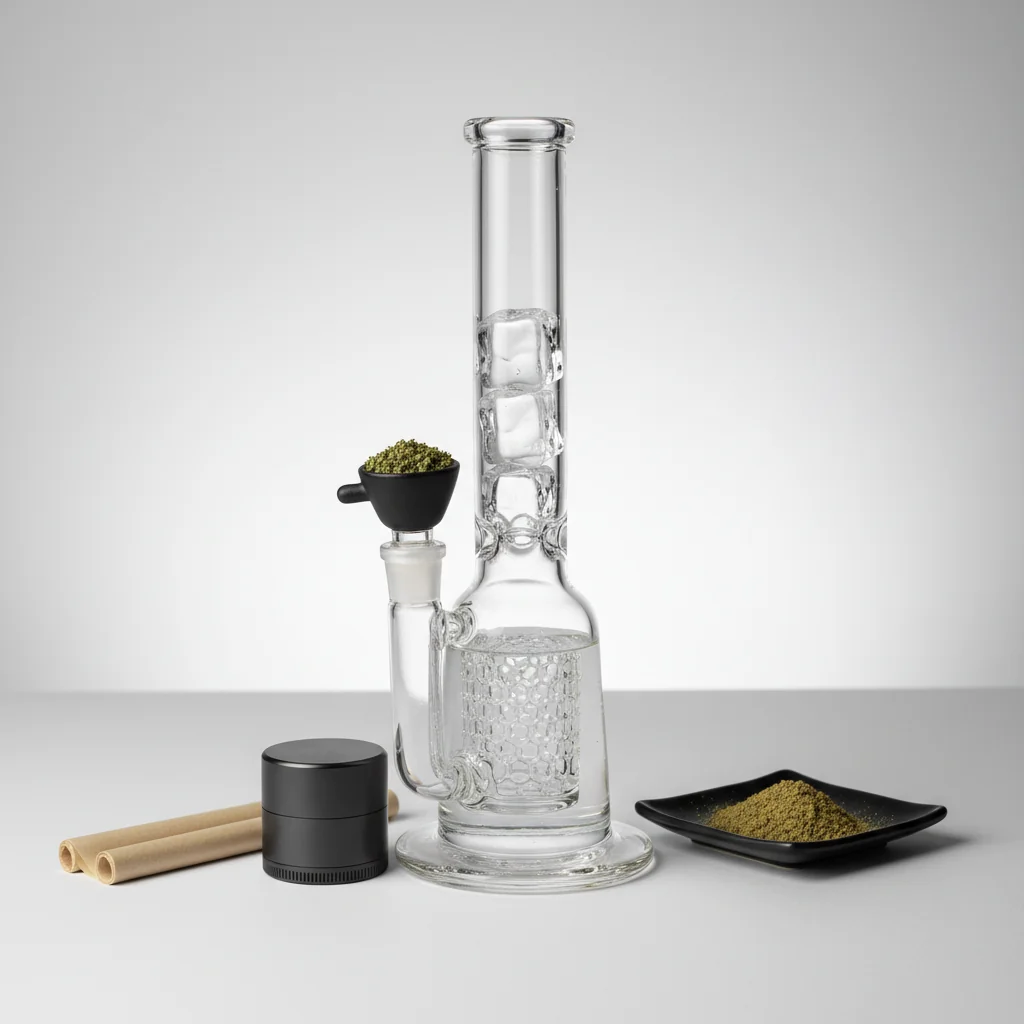
Comprendere l'anatomia del tuo bong ti aiuta a usarlo correttamente, risolvere i problemi e prendere decisioni informate sull'acquisto. Abbina il tuo bong a una qualità[ macinacaffè](https://munchmakers.com/product-category/4-piece-grinders/) per risultati ottimali. Sia che tu stia acquistando il tuo primo bong o aggiornando i componenti, sapere cosa fa ogni parte è essenziale.
Risposta rapida
Un bong di base ha queste parti essenziali: tubo (camera principale), base (serbatoio d'acqua), boccaglio (apertura superiore), downstem (tubo che si estende in acqua) e ciotola (dove si imballa la cannabis). I componenti opzionali includono percolatori (filtrazione extra),ghiacciaCatchers (raffreddamento del fumo), paraspruzzi e acchiappaceneri.
Parti essenziali (ogni bong ha queste)
il tubo/camera
Il corpo verticale principale del bong dove il fumo si raccoglie prima di inalare.
Funzione:
- trattiene il fumo prima di pulire
- ti permette di vedere la densità di fumo
- Contiene funzioni opzionali come casse e catcher di ghiaccio
Materiali:
- specchio: gusto più comune, pulito, fragile -Standard ASTMDefinire la qualità del borosilicato
- silicone: Durevole, portatile, flessibile
- acrilico: economico, resistente, non ideale per il gusto
- ceramica: artistico, pesante, fragile
Le dimensioni contano:
- Tubi piccoli (8-10"): Meno fumo, più facile da pulire, portatile
- Tubi medi (12-16"): equilibrio tra morbidezza e praticità
- Tubi grandi (18"+): Capacità massima del fumo, solo uso domestico
la base
La sezione inferiore che trattiene l'acqua e fornisce stabilità.
Forme comuni:
Base del bicchiere:
- Largo, triangolare (come il becher da laboratorio)
- Design più stabile
- Contiene più acqua = più filtrazione
- Angoli più difficili da pulire
Tubo dritto:
- Cilindro uniforme dall'alto verso il basso
- Meno stabile (richiede una superficie piana)
- Più facile da pulire
- Meno capacità idrica
Base rotonda:
- forma di bolla o sfera
- Stabilità moderata
- Aspetto artistico
- Capacità idrica moderata
Funzione:
- trattiene l'acqua per la filtrazione
- Fornisce stabilità
- Base più grande = più acqua = più fredde e colpi più fluidi
il bocchino
L'apertura nella parte superiore dove metti le labbra.
Tipi di design:
Bocchino svasato:
- I bordi si curvano verso l'esterno
- Sigillo comodo
- Design più comune
Bordo dritto:
- Estremità del tubo senza bagliore
- Alcuni trovano meno comodo
- può aggiungere attacco bocchino
Collo piegato:
- Il tubo si piega prima del bocchino
- Angolato per il comfort
- Mantiene l'acqua più lontana dal viso
- Riduce il rischio di spruzzi
Uso corretto:
- Le labbra vanno leggermente all'interno dell'apertura
- Crea sigillo ermetico
- Non avvolgere le labbra all'esterno (perde il sigillo)
il downstem
Un tubo che si estende dal giunto della ciotola fino all'acqua. È qui che accade la magia.
Funzione:
- Trasporta il fumo dalla ciotola nell'acqua
- crea bolle che filtrano il fumo
- I fori/fessure in basso determinano la dimensione della bolla
Tipi:
Downstem standard:
- Tubo semplice con un'apertura o poche fessure
- Filtrazione di base
- Facile da pulire
- più conveniente
Diffusolente inferiore:
- Più fessure o fori in basso
- Crea bolle più piccole = più filtrazione
- Colpi più fluidi
- più costoso
Corretto il downstem:
- Integrato nel bong (non rimovibile)
- Alcuni bong scientifici lo usano
- Non può essere aggiornato o facilmente pulito
Dimensionamento:
- dimensione articolare: 14 mm o 18 mm (deve corrispondere al tuo bong)
- lunghezza: misurato in pollici, varia da bong
- dovrebbe estendersi per circa 1" nell'acqua quando il bong è riempito
Nota di sostituzione:
I ganci sono consumabili: si rompono o si intasano. Avere un ricambio è intelligente.
La ciotola / scivolo
Il pezzo rimovibile in cui imballa la cannabis. Chiamato anche "diapositiva" perché lo fai scorrere dentro e fuori.
Funzione:
- detiene la canna
- Rimovibile per pulire il fumo (la maggior parte dei bong)
- può aggiornare per esperienze diverse
Tipi:
Ciotola standard:
- Semplice forma cono o tazza
- Varie dimensioni (dal personale alla festa)
- più comune
Ciotola dello schermo:
- Lo schermo integrato previene i detriti
- più costoso
- Dura più a lungo senza schermi di sostituzione
Spingere la ciotola:
- scivola dentro piuttosto che sollevarsi
- Meno comune
Dimensioni articolare:
- 14 mm: bong più comune, medio
- 18 mm: bong grandi, ciotole più grandi
- 10 mm: Piccoli/Mini Bong (rari)
La ciotola deve corrispondere alle dimensioni dell'articolazione di Bong(o utilizzare l'adattatore).
Componenti opzionali (bong migliorati)
Cassette (percs)
Ulteriori dispositivi di filtrazione all'interno del tubo che si raffreddano ulteriormente e filtrano il fumo.
Come funzionano:
Forza il fumo attraverso l'acqua o piccoli fori più volte, creando più bolle e filtrazione.
Tipi comuni:
Albero Perc:
- Braccia multiple che pendono
- Ogni braccio ha fessure
- Buona filtrazione, look iconico
- Può essere fragile
Perc a nido d'ape:
- disco piatto con molti fori
- crea piccole bolle
- Grande filtrazione
- Relativamente durevole
soffione doccia:
- Tubo con fessure rivolte verso il basso
- Come un soffione (quindi nome)
- Buona filtrazione
- Facile da pulire
Turbina/Cyclone PERC:
- crea un effetto acqua rotante
- Appello visivo + filtrazione
- Trascina moderata
Perc in linea:
- Tubo orizzontale con fessure
- spesso in base ai bong scientifici
- Ottima diffusione
matrice perc:
- Combina più stili PERC
- Massima filtrazione
- trascinamento superiore
compromesso:
Più percs = colpi più fluidi ma più resistenza (più difficile da tirare) e più difficile da pulire.
Pizzico di ghiaccio / Pizzico di ghiaccio
tacche o pizzichi nel tubo che reggono i cubetti di ghiaccio sopra l'acqua.
Funzione:
- Il ghiaccio raffredda il fumo mentre passa
- Risultati in colpi più freddi e fluidi
- Particolarmente utile per i grandi successi
Disegna:
- Di solito 3 piccole tacche di vetro
- posizionato sopra la linea di galleggiamento
- Alcuni bong hanno invece camere per il ricevitore di ghiaccio
Usando il ghiaccio:
- Aggiungere i cubetti di ghiaccio dopo aver riempito l'acqua
- goccia attraverso il bocchino
- Cattureranno le tacche
- Sostituisci mentre si sciolgono
Nota:
Non tutti i bong hanno picchiatori di ghiaccio. È una funzione opzionale da cercare al momento dell'acquisto.
paraspruzzi
Una cupola o una barriera sopra l'acqua che impedisce all'acqua di raggiungere la bocca.
Funzione:
- Blocca gli schizzi d'acqua durante le inalazioni dure
- Consente livelli d'acqua più elevati
- Comune nei bong con più percs
Disegna:
- Piccola cupola con aperture per fumo
- posizionato sopra l'acqua/perc
- Il fumo passa, l'acqua non può
ricevitore di ceneri
Attaccamento esterno che cattura cenere e detriti prima che entri nel bong principale.
Funzione:
- Prefiltri di fumo
- Mantiene il bong principale più pulito
- spesso aggiunge un'altra caffettiera
Allegato:
- va tra la ciotola e il downstem
- ha la sua camera d'acqua
- Corrisponde alla dimensione dell'articolazione di Bong
compromesso:
Aggiunge complessità e altezza, ma riduce significativamente la frequenza di pulizia del bong principale.
buco in carburatore
Un foro sul lato del tubo (invece della ciotola rimovibile).
Funzione:
- coprire mentre inala
- Rilascio in camera di pulizia
- Alternativa alla ciotola rimovibile
Più comune su:
- Bong più semplici/economici
- Tubi (funzione standard)
- Disegni più vecchi
La maggior parte dei bong in vetro moderni usa invece ciotole rimovibili.
Come funzionano le parti insieme
Il processo:
1. annaffiareRiempie la base e copre le fessure del fondo del fondo
2. recipientedetiene la cannabis, seduta in un'articolazione sopra il downstem
3. tu light bowl eInspirare attraverso il bocchino
4. downstemTrasporta fumo sott'acqua, creando bolle
5. caffettiere(se presente) aggiungere più filtrazione
6. Il fumo sale attraversometrò
7. salvadighia(se presente) raffredda ulteriormente il fumo
8. tu rimuovirecipiente(o rilasciare carboidrati) per cancellare
9. paraspruzzi(se presente) impedisce all'acqua di entrare nella bocca
10. Il fumo entra nei polmoniportavoce
Aggiornamento del tuo bong
Molti componenti sono intercambiabili:
Aggiornamenti facili:
- Ciotola migliore (dimensioni diverse, schermo incluso)
- Downstem diffuso (sostituisce lo standard)
- Ash Catcher (aggiunge)
Giunti abbinati:
Tutto deve corrispondere alle dimensioni del giunto del tuo bong (in genere 14 o 18 mm).
Adattatori:
Consenti dimensioni di miscelazione:
- Bong da 18 mm con ciotola da 14 mm? Utilizzare adattatore da 18 mm a 14 mm
- Apre le opzioni degli accessori
Scelta in base alle parti
Per principianti:
- tubo semplice o becher
- Downstem standard (forse diffuso)
- Nessun Percs o singolo perc
- Facile da usare e da pulire
Per colpi fluidi:
- Cassette multiple
- salvadighia
- Downstem diffuso
- Più complesso ma più liscio
Per una facile pulizia:
- Disegno a tubo dritto
- Percs minimi (o disegni facili da pulire come Honeycomb)
- Rimovibile Downstem
- Evita i perc degli alberi intricati
Per la durata:
- Vetro spesso (5 mm+)
- Silicone (se non vetro)
- Design semplice (meno parti fragili)
- Base del bicchiere (più stabile)
Questa guida è a scopo didattico. Le leggi sulla cannabis variano a seconda della giuris
Frequently Asked Questions
Il downstem è probabilmente il più importante: collega la ciotola all'acqua e crea la filtrazione. Senza un corretto downstem, il fumo non verrebbe filtrato. Il livello dell'acqua (che copre il downstem) determina la qualità della filtrazione.
Related Guides
Ash Catcher Guide: Keep Your Bong Clean Longer
Complete guide to ash catchers for bongs: what they do, types including dry and percolator ash catchers, joint sizes and angles, how to use and clean them, and how to choose the right one.

Ash Catchers: What They Do and Why Use One
Learn what ash catchers do, how they keep your bong clean, and whether you need one. Understand different types, how to choose the right size, and maintenance tips.
Beaker vs Straight Tube Bongs: Which Style is Better?
Comprehensive guide about beaker vs straight tube bongs: which style is better?. Learn everything you need to know with expert tips and detailed instructions.