

Cara Membersihkan Bong dan Pipa Silikon: Metode Aman

Emma Chen
Glass Specialist
Cara Membersihkan Bong dan Pipa Silikon: Metode Aman
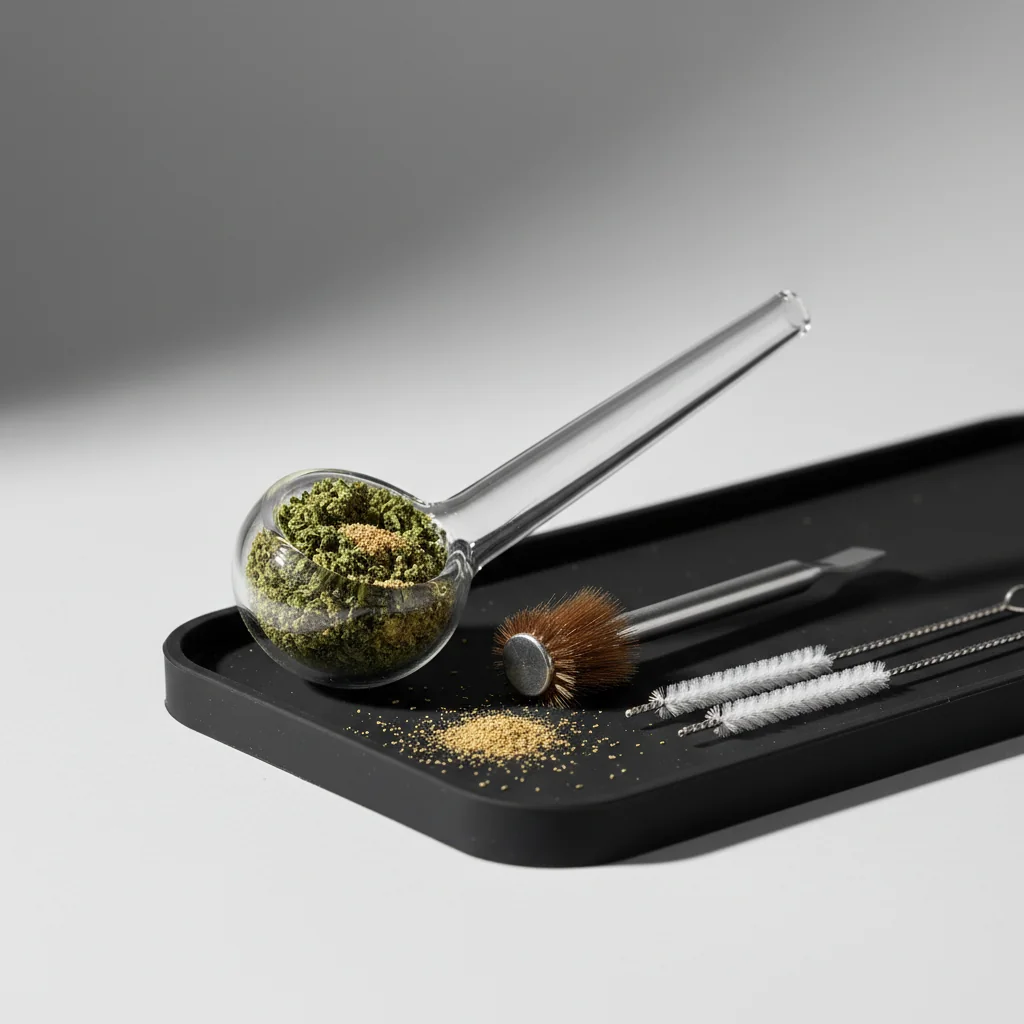
Aksesori merokok silikon tahan lama dan tidak mudah pecah, tetapi memerlukan metode pembersihan yang berbeda dibandingkan kaca. Menggunakan pembersih yang salah (seperti alkohol isopropil) dapat merusak silikon secara permanen. Apakah Anda membersihkan wadah silikon dari koleksi penyimpanan tahan bau MunchMakers atau pipa silikon, panduan ini mencakup teknik pembersihan yang aman dan efektif.
Jawaban Singkat
Untuk membersihkan silikon: Gunakan air hangat dan sabun piring saja—jangan pernah alkohol isopropil. Gosok dengan sikat lembut, bilas hingga bersih, dan keringkan dengan udara sepenuhnya. Sebagian besar bagian silikon aman untuk mesin pencuci piring (rak atas, tanpa pengeringan panas). Untuk bau, gunakan pasta baking soda semalaman.
Mengapa Silikon Memerlukan Pembersihan yang Berbeda
Masalah dengan alkohol:
- Alkohol isopropil merusak silikon seiring waktu
- Menyebabkan kerapuhan dan retakan
- Dapat menyebabkan perubahan warna
- Mungkin mempengaruhi keamanan makanan
Apa yang efektif untuk silikon:
- Sabun piring dan air
- Baking soda (untuk bau)
- Mesin pencuci piring (rak atas)
- Metode pembekuan (untuk resin yang membandel)
Artikel Wikipedia tentang silikon menjelaskan bagaimana sifat unik material ini membuatnya tahan terhadap suhu ekstrem sambil rentan terhadap pelarut tertentu.
Metode Sabun dan Air
Ini adalah teknik pembersihan utama Anda untuk silikon.
Langkah 1: Bongkar
Lepaskan semua bagian yang bukan silikon:
- Mangkuk kaca dan downstem
- Saringan logam
- Bagian yang dapat dilepas
- Bersihkan ini secara terpisah dengan metode yang sesuai
Langkah 2: Bilas dengan Air Hangat
Bilas awal menghilangkan kotoran yang longgar:
- Gunakan air hangat (bukan panas)
- Goyangkan untuk mengeluarkan partikel yang longgar
- Biarkan air mengalir melalui semua lubang
Langkah 3: Tambahkan Sabun Cuci Piring
Oleskan sabun cuci piring di dalam:
- Beberapa tetes sabun cuci piring standar
- Dawn, Palmolive, atau merek serupa bekerja dengan baik
- Isi sebagian dengan air hangat
- Goyangkan untuk membuat busa
Langkah 4: Gosok
Gunakan sikat berbulu lembut:
- Sikat botol bekerja dengan baik
- Pembersih pipa untuk area sempit
- Jangan gunakan sikat abrasif (dapat menggores)
- Fokus pada area dengan penumpukan yang terlihat
Untuk noda yang membandel: Biarkan air sabun mengendap selama 30-60 menit sebelum menggosok.
Langkah 5: Bilas Secara Menyeluruh
Hapus semua sabun:
- Bilas beberapa kali dengan air bersih
- Goyangkan untuk membersihkan semua saluran
- Lanjutkan hingga air mengalir jernih
- Tidak ada residu sabun yang harus tersisa
Langkah 6: Keringkan Sepenuhnya
Keringkan udara sebelum digunakan atau disimpan:
- Letakkan terbalik untuk mengalirkan
- Pastikan semua air keluar
- Biarkan udara mengering sepenuhnya
- Jangan simpan saat lembab (mencegah jamur)
Metode Pencuci Piring
Sebagian besar silikon yang aman untuk makanan aman untuk dicuci dengan mesin pencuci piring.
Sebelum Mencuci Piring
Periksa:
- Pabrikan mengatakan aman untuk mesin pencuci piring
- Lepaskan semua bagian kaca dan logam
- Pastikan itu silikon yang aman untuk makanan
Pengaturan Mesin Pencuci Piring
Lakukan:
- Gunakan rak atas saja
- Siklus normal
- Detergen piring standar
Jangan:
- Gunakan siklus pengeringan panas (dapat melengkung)
- Tempatkan dekat elemen pemanas
- Gunakan dengan peralatan tajam yang dapat menusuk
Setelah Mencuci Piring
- Periksa sisa residu yang tersisa
- Keringkan udara sepenuhnya sebelum merakit kembali
- Periksa adanya kerusakan atau pelengkungan
Metode Pembekuan
Untuk resin yang tidak bisa hilang dengan sabun dan air.
Cara Kerjanya
Silikon fleksibel, resin tidak. Pembekuan membuat resin rapuh sementara silikon tetap lentur—memungkinkan Anda untuk membengkokkan bagian tersebut dan memecahkan resin yang beku.
Langkah-langkah
1. Bilas untuk menghilangkan kotoran yang longgar
2. Bekukan selama 2-4 jam (atau semalaman)
3. Keluarkan dari freezer
4. Segera lenturkan silikon—bengkokkan, putar dengan lembut
5. Resin beku akan retak dan jatuh
6. Bilas dengan air hangat
7. Ulangi jika diperlukan
Tips
- Bekerja dengan cepat sebelum silikon menghangat
- Jangan paksa jika sesuatu tidak bisa dilepaskan
- Dapat digabungkan dengan pembersihan sabun setelahnya
Menghilangkan Bau dari Silikon
Silikon dapat menyerap bau seiring waktu. Berikut cara untuk menghilangkan bau:
Metode Pasta Baking Soda
Paling efektif untuk bau yang membandel:
1. Buat pasta kental (3:1 baking soda dengan air)
2. Oleskan di bagian dalam, melapisi semua permukaan
3. Diamkan semalaman (8+ jam)
4. Bilas hingga bersih
5. Ulangi jika bau masih ada
Rendam Baking Soda
Untuk bau yang lebih ringan:
1. Larutkan 2 sendok makan baking soda dalam air hangat
2. Rendam bagian silikon semalaman
3. Bilas dan keringkan
Metode Sinar Matahari
Penghilang bau alami:
1. Bersihkan bagian dengan sabun dan air terlebih dahulu
2. Tempatkan di bawah sinar matahari langsung selama 4-6 jam
3. Sinar UV membantu memecah senyawa penyebab bau
4. Jangan tinggalkan terlalu lama (dapat memudarkan warna)
Bilas Cuka
Penghilang bau ringan:
1. Bilas dengan cuka putih yang diencerkan (1:1 dengan air)
2. Ikuti dengan bilasan air yang menyeluruh
3. Bekerja untuk bau ringan
Apa yang TIDAK Harus Dilakukan
Jangan Pernah Menggunakan Alkohol Isopropil
- Merusak struktur silikon
- Menyebabkan kerapuhan seiring waktu
- Dapat menyebabkan retakan dan robekan
- Memperpendek umur pakai secara signifikan
Hindari Bahan Kimia Keras
Jangan gunakan:
- Pemutih
- Aseton
- Hidrogen peroksida (konsentrasi tinggi)
- Pembersih kaca komersial
- Pembersih abrasif
Jangan Gunakan Panas Ekstrem
- Tidak ada air mendidih (dapat melengkung)
- Tidak ada microwave
- Jauhkan dari api terbuka
- Lewati pengeringan panas di mesin pencuci piring
Hindari Alat Abrasif
- Tidak ada wol baja
- Tidak ada sikat berbulu keras
- Tidak ada spons abrasif
- Dapat menggores dan menampung bakteri
Frekuensi Pembersihan
Harian/Setelah Setiap Penggunaan
- Kosongkan air
- Bilas cepat dengan air bersih
- Biarkan udara keluar sebelum penyimpanan
Mingguan (Pengguna Reguler)
- Bersihkan dengan sabun dan air secara menyeluruh
- Sikat semua permukaan
- Periksa penumpukan bau
Bulanan (Atau Sesuai Kebutuhan)
- Bersihkan secara mendalam dengan metode pembekuan jika diperlukan
- Perawatan baking soda untuk bau
- Periksa kerusakan atau keausan
Membersihkan Berbagai Bagian Silikon
Bong Silikon
- Lepaskan mangkuk kaca dan downstem terlebih dahulu
- Bersihkan dasar dan leher secara terpisah
- Pastikan penangkap es dibersihkan
- Desain fleksibel memudahkan akses ke bagian dalam
Pipa Silikon
- Biasanya lebih mudah dibersihkan
- Pembersih pipa untuk mangkuk dan ruang
- Sabun dan air bekerja dengan baik
- Mungkin perlu perawatan bau yang lebih sering (potongan yang lebih kecil menangkap bau)
Wadah Silikon
- Metode sabun dan air yang sama
- Perhatikan segel tutup
- Ganti jika segel menjadi rusak
- Jangan simpan dalam keadaan basah (dapat tumbuh jamur)
Mat/Pad Silikon
- Biasanya cukup dibersihkan dengan kain lembab
- Sabun dan air untuk pembersihan yang lebih mendalam
- Datar untuk mengering
- Sering kali bisa dicuci di mesin pencuci piring
Mencegah Penumpukan
Tips untuk pembersihan yang lebih mudah:
- Ganti air secara teratur (jika berlaku)
- Jangan biarkan resin mengering di permukaan
- Bilas cepat setelah setiap sesi
- Simpan di tempat yang bersih dan kering
- Gunakan saringan untuk mengurangi kontak langsung
Kapan Harus Diganti
Silikon tahan lama tetapi tidak permanen. Ganti jika Anda melihat:
- Retakan atau robekan
- Bau yang persisten setelah pembersihan mendalam
- Pewarnaan yang mempengaruhi fungsi
- Kehilangan fleksibilitas
- Segel atau koneksi yang rusak
Rata-rata umur pakai: 2-5 tahun dengan perawatan yang tepat, tergantung pada frekuensi penggunaan.
Panduan ini untuk tujuan edukasi. Hukum tentang ganja bervariasi menurut yurisdiksi.
Step 1:
Step 2:
Step 3:
Step 4:
Step 5:
Frequently Asked Questions
Ya, sebagian besar silikon makanan aman untuk mesin pencuci piring. Gunakan rak atas dan lewati siklus pengeringan panas. Lepaskan semua bagian kaca dan logam terlebih dahulu. Periksa panduan pabrikan.
Related Guides
Best Bong Cleaning Solutions: DIY vs Commercial Products
Comprehensive guide about best bong cleaning solutions: diy vs commercial products. Learn everything you need to know with expert tips and detailed instructions.

Cannabis Accessory Cleaning Schedule: Daily, Weekly, Monthly
Create the perfect cleaning routine for all your cannabis accessories. Learn what needs daily attention, weekly cleaning, and monthly deep cleaning for optimal hygiene.

How to Clean Pipe Screens and Bowl Pieces
Learn proper techniques for cleaning metal and glass screens, bowl pieces, and downstems. Restore airflow and extend the life of your smoking accessories.