

चम्मच पाइप बनाम शर्लक पाइप: पूर्ण तुलना गाइड

Emma Chen
Glass Specialist
चम्मच पाइप बनाम शर्लक पाइप: पूर्ण तुलना गाइड
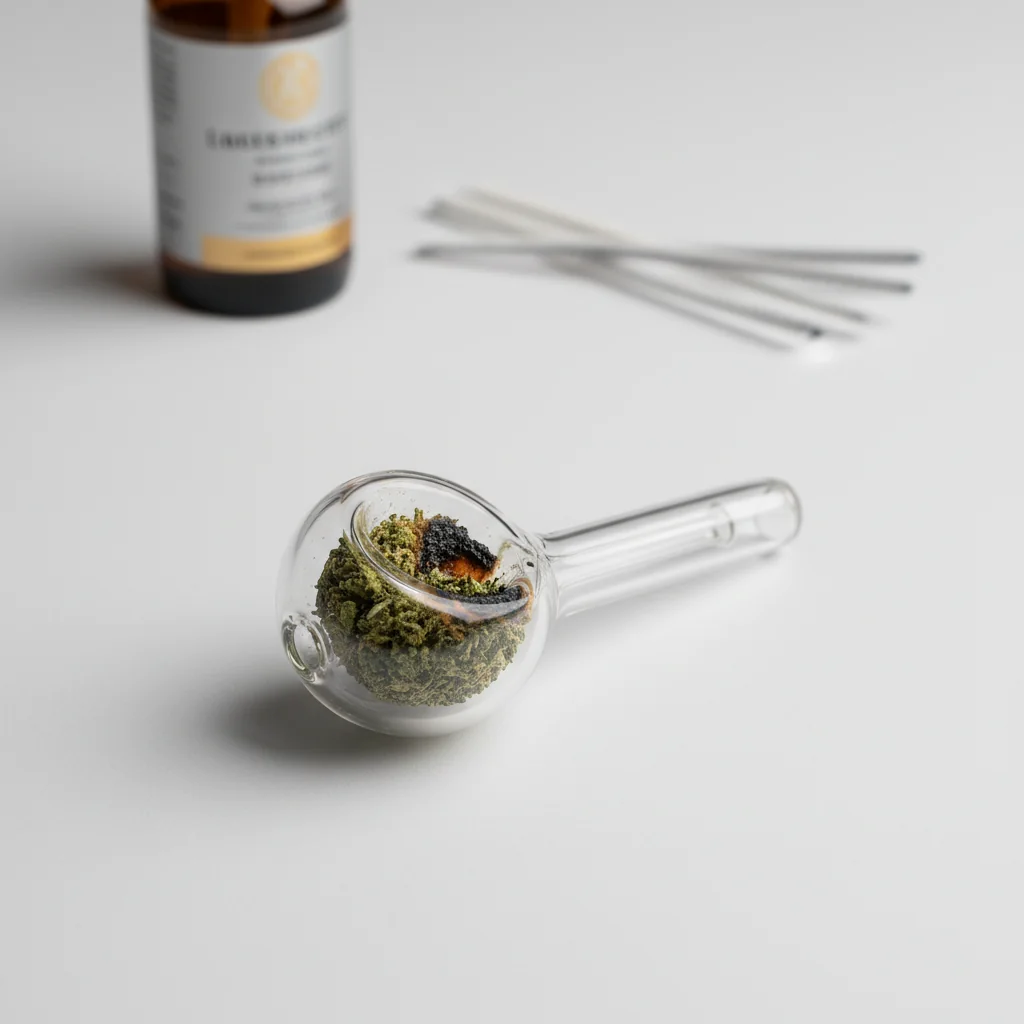
एक चम्मच पाइप और एक शर्लक पाइप के बीच चयन प्राथमिकताओं के लिए नीचे आता है: पोर्टेबिलिटी बनाम धूम्रपान गुणवत्ता, सादगी बनाम शैली, बजट बनाम सौंदर्यशास्त्र। दोनों अलग-अलग फायदे के साथ उत्कृष्ट ग्लास पाइप हैं। यह गाइड आपको निर्णय लेने में मदद करने के लिए आमने-सामने की तुलना करता है।
शीघ्र उत्तर
चम्मच पाइप कॉम्पैक्ट, किफायती ($ 15-40), परिवहन के लिए आसान और रोजमर्रा के उपयोग के लिए एकदम सही हैं। शर्लक पाइप में एक सुरुचिपूर्ण एस-घुमावदार गर्दन होती है जो धुएं को बेहतर तरीके से ठंडा करती है, विशिष्ट दिखती है, लेकिन इसकी लागत अधिक ($ 30-100+) है और यह कम पोर्टेबल है। व्यावहारिकता के लिए चम्मच, घरेलू उपयोग और सौंदर्यशास्त्र के लिए शर्लक चुनें।
डिज़ाइन अंतर
चम्मच पाइप डिजाइन
आकार:
- एक चम्मच सिर जैसा दिखने वाला गोल कटोरा
- अपेक्षाकृत सीधा, कॉम्पैक्ट शरीर
- कटोरे के किनारे कार्ब होल
- 3-5 इंच आमतौर पर
मुख्य विशेषताएं:
- सरल, सहज आकार
- कटोरा स्टेम में वक्र
- हाथ में आसानी से फिट बैठता है
- लोप्रोफाइल
शर्लक पाइप डिजाइन
आकार:
- शर्लक होम्स पाइप के नाम पर
- एस-कर्व्ड या जे-कर्व्ड नेक
- कटोरा हाथ की स्थिति के नीचे लटका हुआ है
- 5-8 इंच आमतौर पर
मुख्य विशेषताएं:
- विशिष्ट घुमावदार तना
- कटोरा नीचे की ओर इंगित करता है
- सुरुचिपूर्ण, कलात्मक उपस्थिति
- अक्सर अधिक अलंकृत
गुणवत्ता का अन्वेषण करेंमंच निर्माताओं पर ग्लास पाइपचम्मच और शर्लक दोनों शैलियों के लिए। पाइप चयन मार्गदर्शन के लिए,कैनबिस बिजनेस टाइम्सउद्योग के रुझान और उत्पादों को शामिल करता है।
तुलना सारणी
सुवाह्यता
चम्मच पाइप: विजेता
लाभ:
- कॉम्पैक्ट, जेब के अनुकूल आकार
- सरल आकार आसानी से फिट बैठता है
- सीधे डिजाइन के कारण कम नाजुक
- यात्रा के लिए तैयार
अधिकांश चम्मच पाइपटूटने के जोखिम के बिना एक छोटी जेब या थैली में फिट।
शर्लक पाइप: कम पोर्टेबल
चुनौतियां:
- घुमावदार गर्दन उभरी हुई
- अधिक समग्र पदचिह्न
- वक्र बिंदुओं पर अधिक नाजुक
- समर्पित भंडारण की आवश्यकता है
शर्लाकसघर पर सबसे अच्छा रखा जाता है या गद्देदार मामलों में ले जाया जाता है। घुमावदार गर्दन एक टूटने का खतरा है।
धुएँ की गुणवत्ता
शर्लक पाइप: विजेता
क्यों ठंडा धुआं:
- लंबा धुआं पथ (गर्दन वक्र दूरी जोड़ता है)
- होठों तक पहुँचने से पहले धुआँ आगे बढ़ता है
- ठंडा करने का समय = चिकना हिट
- चेहरे से दूर स्थित कटोरा
अंतर ध्यान देने योग्य हैलेकिन नाटकीय नहीं। भारी उपयोगकर्ता अक्सर कूलर हिट पसंद करते हैं।
चम्मच पाइप: पर्याप्त
विशेषताएँ:
- कम धुआं पथ
- गर्म हिट
- अधिकांश उपयोगकर्ताओं के लिए अभी भी आरामदायक
- शीघ्र वितरण
चम्मच पाइपमानक ग्लास पाइप अनुभव प्रदान करें। कठोर नहीं, लेकिन शर्लक से अधिक गर्म।
उपयोग में आसानी
दोनों टाई: आसान
चम्मच पाइपथोड़ा अधिक सहज हैं:
- प्राकृतिक पकड़
- स्पष्ट कटोरा और कार्ब स्थिति
- कुछ भी जटिल नहीं
शर्लक पाइपमामूली समायोजन की आवश्यकता है:
- अलग हाथ की स्थिति
- कटोरा नीचे लटकता है
- एक बार परिचित आसान
पूर्ण शुरुआती के लिए, चम्मच पाइप सादगी के कारण आगे बढ़ जाते हैं। लेकिन शर्लक मुश्किल नहीं हैं।
सफ़ाई
चम्मच पाइप: विजेता
आसान क्यों:
- सीधा या सरल पथ
- मानक पाइप क्लीनर काम करते हैं
- जल्दी सोखने का समय
- निरीक्षण करने में आसान
सफाई का तरीका: शराब + बैग में नमक, हिलाओ, कुल्ला करो। 15-30 मिनट।
शर्लक पाइप: अधिक काम
चुनौतियां:
- घुमावदार गर्दन जाल अवशेष
- लचीले पाइप क्लीनर की आवश्यकता है
- अधिक समय तक भीगने का समय
- अंदर के वक्र देखना कठिन है
सफाई का तरीका: एक ही अल्कोहल + नमक, लेकिन लंबे समय तक सोखने (1-2 घंटे) और विशेष ब्रश की आवश्यकता होती है।
सौंदर्यशास्त्र
शर्लक पाइप: विजेता
दृश्य अपील:
- विशिष्ट, सुरुचिपूर्ण आकार
- क्लासिक साहित्यिक संघ
- कारीगरों को डिजाइन पसंद है
- प्रदर्शन योग्य
- बातचीत का टुकड़ा
कई शर्लकजटिल कांच के काम, रंग और डिजाइन के साथ सच्चे कला के टुकड़े हैं।
चम्मच पाइप: कार्यात्मक
दृश्य अपील:
- साफ, सरल डिजाइन
- कलात्मक हो सकता है लेकिन आमतौर पर सरल
- फॉर्म से अधिक कार्य के बारे में
- कम प्रदर्शन-योग्य
चम्मच पाइपकार्य को प्राथमिकता दें। कलात्मक विकल्प मौजूद हैं लेकिन कम आम हैं।
मूल्य
चम्मच पाइप: अधिक किफायती
मूल्य सीमा:
- मूल: $ 10-20
- गुणवत्ता: $ 20-40
- प्रीमियम/कलात्मक: $40-80
सर्वोत्तम मूल्यकार्यात्मक दैनिक उपयोग के लिए।
शर्लक पाइप: उच्च लागत
मूल्य सीमा:
- मूल: $ 25-40
- गुणवत्ता: $ 40-80
- प्रीमियम/कलात्मक: $80-200+
उच्च आधार मूल्यअधिक जटिल कांच के काम के कारण। प्रीमियम के टुकड़े महंगे हो सकते हैं।
स्थायित्व
दोनों: समान
चम्मच लाभ:
- सरल आकार = कम कमजोर बिंदु
- कॉम्पैक्ट = कम उजागर
शर्लक चुनौतियां:
- घुमावदार गर्दन तनाव बिंदु है
- अधिक सतह क्षेत्र उजागर
- बड़ा = दस्तक देना आसान
दोनों टूट गए तो टूट जाते हैं।कांच कांच है। लेकिन कॉम्पैक्ट डिजाइन के कारण चम्मच पाइपों में मामूली बढ़त है।
सबसे अच्छा उपयोग के मामले
चम्मच पाइप चुनें यदि:
- बजट के प्रति जागरूक: $15-30 गुणवत्ता प्राप्त करता है
- सुवाह्यता की आवश्यकता: यात्रा, पॉकेट-कैरी
- पहला पाइप: सरल सीखने की अवस्था
- दैनिक चालक: विश्वसनीय दैनिक उपयोग
- आसान सफाई: कम रखरखाव प्राथमिकता
- त्वरित सत्र: तेज और कार्यात्मक
शर्लक पाइप चुनें यदि:
- मुख्य रूप से घरेलू उपयोग: घर पर प्रदर्शन टुकड़ा
- ठंडा धुआं चाहिए: चिकना हिट मैटर
- सौंदर्य फोकस: एलिगेंट लुक से प्यार
- संकलन-कखा: एक संग्रह का निर्माण
- उपहार खरीद: प्रभावशाली वर्तमान
- आरामदायक बजट: $50+ कोई समस्या नहीं
रूपांतर
चम्मच पाइप विविधताएं
रंग बदलने वाला: सिल्वर/गोल्ड फ्यूमिंग उपयोग के साथ रंग बदलता है
हथौड़ा: हैंडल पीछे की ओर फैला हुआ है
छोटा चमचा: अल्ट्रा-कॉम्पैक्ट (2-3 इंच)
बड़ा कटोरा: अतिरिक्त क्षमता
शर्लक रूपांतर
भट्ठी: अतिरिक्त लंबी गर्दन (10-14 इंच)
स्थायी शर्लक: डिस्प्ले के लिए फ्लैट बेस
मिनी शर्लक: कॉम्पैक्ट घुमावदार डिजाइन
बबलर शर्लक: निर्मित जल कक्ष
क्या आप दोनों के मालिक हो सकते हैं?
बिल्कुल - नियमित उपयोगकर्ताओं के लिए अनुशंसित।
आदर्श सेटअप:
- चम्मच पाइप दैनिक / यात्रा उपयोग के लिए
- घर/विशेष अवसरों के लिए शर्लक
इसमें सभी परिदृश्य शामिल हैं: व्यावहारिक दैनिक उपयोग और उन्नत घरेलू अनुभव।
गुणवत्ता संकेतक (दोनों प्रकार)
अच्छे संकेत:
- मोटी, सम कांच की दीवारें
- चिकना मुखपत्र किनारे
- स्वच्छ कार्ब छेद
- ठोस आधार (डब नहीं करता)
- ज्ञात कलाकार/ब्रांड
लाल झंडे:
- पतला, असमान ग्लास
- धार
- कुटिल कटोरा
- बहुत कम कीमत
- काम किए गए रंग के बजाय पेंट करें
धुआं पथ स्पष्टीकरण
शर्लक का धुआं ठंडा क्यों है
भौतिकी:
- कटोरे में गर्म धुआं प्रवेश करता है
- घुमावदार गर्दन के माध्यम से यात्रा
- दूरी = समय = शीतलन
- होठों तक पहुँचता है ठंडा धुआँ
चम्मच पाइप पथ: बाउल → शॉर्ट स्ट्रेट सेक्शन → माउथपीस (3-4 इंच)
शर्लक पथ: बाउल → एस-वक्र → माउथपीस (कर्व्स के माध्यम से 6-10 इंच)
अधिक दूरी = अधिक शीतलन।सरल भौतिकी।
भ्रामक मिथक
मिथक: शर्लक सिर्फ दिखावे के लिए हैं
यथार्थता: वे पूरी तरह कार्यात्मक हैं और वास्तविक लाभ (कूलर धुआं) प्रदान करते हैं। सिर्फ सजावटी नहीं।
मिथक: चम्मच पाइप कम गुणवत्ता वाले हैं
यथार्थता: गुणवत्ता टुकड़े से भिन्न होती है, शैली से नहीं। प्रीमियम चम्मच पाइप किसी भी कांच को प्रतिद्वंद्वी करते हैं।
मिथक: शर्लक नाजुक होते हैं
यथार्थता: चम्मच के समान कांच की मोटाई। वक्र थोड़ी नाजुकता जोड़ता है लेकिन ठीक से संभाला जाता है, वे टिकाऊ होते हैं।
मिथक: एक "बेहतर" है
यथार्थता: विभिन्न आवश्यकताओं के लिए विभिन्न उपकरण। न तो निष्पक्ष रूप से बेहतर है।
सिफारिश सारांश
अक्सर पूछे जाने वाले प्रश्न
शुरुआती, चम्मच या शर्लक के लिए कौन सा पाइप बेहतर है?
शुरुआती लोगों के लिए चम्मच पाइप बेहतर हैं। वे उपयोग करने में आसान हैं, अधिक किफायती ($ 15-30 बनाम $ 30-80), परिवहन के लिए आसान, और व्यापक रूप से उपलब्ध हैं। एक बार जब आप आराम से हों तो शर्लक पाइप एक बेहतरीन दूसरा पाइप है।
क्या शर्लक पाइप कूलर का धुआं प्रदान करते हैं?
हां, लंबे धुएं के पथ के कारण शर्लक काफी ठंडा धुआं देते हैं। एस-कर्व्ड गर्दन लौ और होंठों के बीच की दूरी जोड़ती है, जिससे धुआं ठंडा हो जाता है। अंतर ध्यान देने योग्य है लेकिन नाटकीय नहीं है।
क्या शर्लक पाइप को साफ करना कठिन है?
जी हां, घुमावदार गर्दन सफाई को और मुश्किल बना देती है। आपको लचीले पाइप क्लीनर और अधिक भिगोने के समय की आवश्यकता होगी। चम्मच पाइपों में एक सरल पथ होता है और तेजी से साफ होता है।
यह गाइड शैक्षिक उद्देश्यों के लिए है। कैनबिस कानून क्षेत्राधिकार के अनुसार भिन्न होते हैं।
Frequently Asked Questions
शुरुआती लोगों के लिए चम्मच पाइप बेहतर हैं। वे उपयोग करने में आसान हैं, अधिक किफायती ($ 15-30 बनाम $ 30-80), परिवहन के लिए आसान, और व्यापक रूप से उपलब्ध हैं। एक बार जब आप आराम से हों तो शर्लक पाइप एक बेहतरीन दूसरा पाइप है।
Related Guides
Best Pipes for Flavor: Materials and Designs That Taste Best
Comprehensive guide about best pipes for flavor: materials and designs that taste best. Learn everything you need to know with expert tips and detailed instructions.
Bubbler vs Dry Pipe: Which is Better for You?
Comprehensive guide about bubbler vs dry pipe: which is better for you?. Learn everything you need to know with expert tips and detailed instructions.

Chillum Pipes: History, Types, and How to Use
Learn about chillum pipes - their ancient Indian origins, different types (glass, clay, stone), and proper cupped-hand smoking technique. Complete guide to this traditional straight-tube pipe.