
रोसिन प्रेस गाइड: घर पर सॉल्वेंटलेस कंसंट्रेट कैसे बनाएं

David Martinez
Concentrate Expert
रोसिन प्रेस गाइड: घर पर सॉल्वेंटलेस कंसंट्रेट कैसे बनाएं
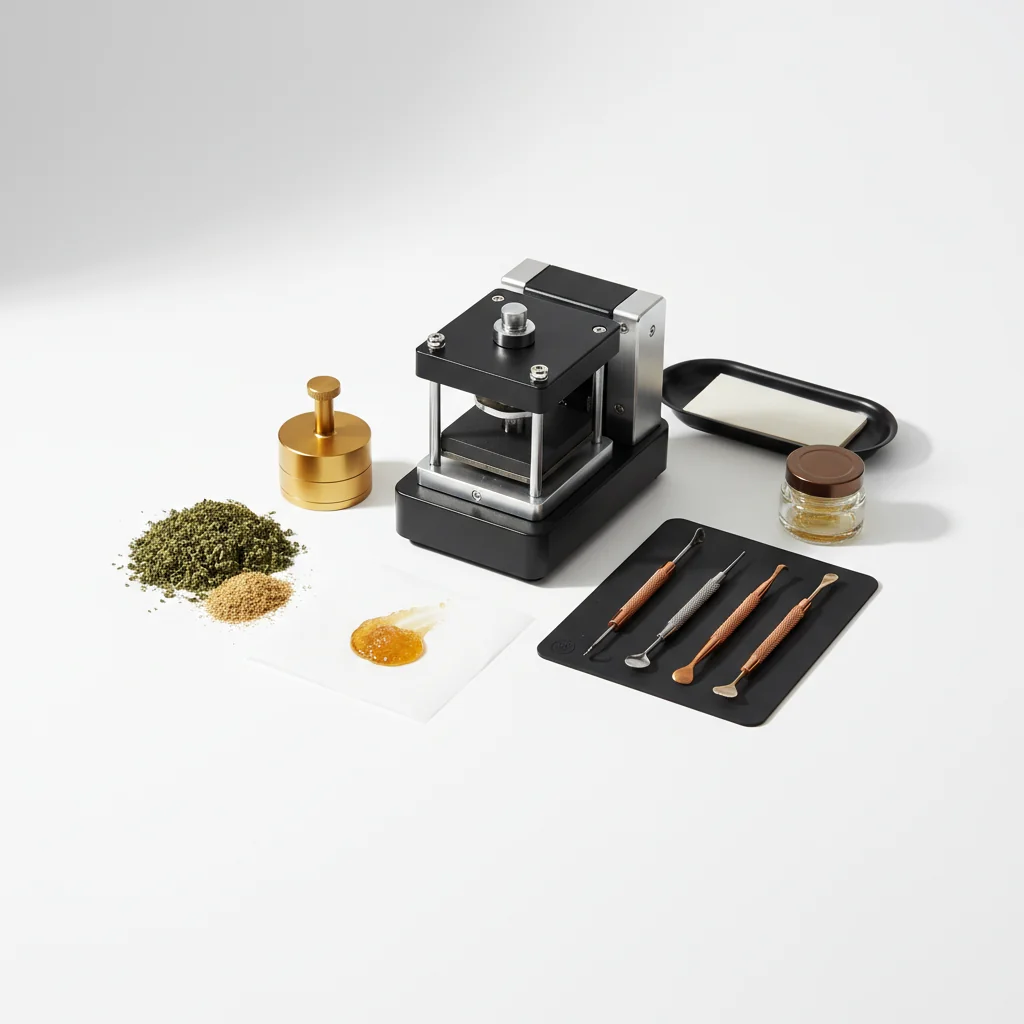
रोसिन कैनबिस कंसंट्रेट के सबसे शुद्ध रूपों में से एक है—बिना किसी सॉल्वेंट के, केवल गर्मी और दबाव से बनाया गया। BHO या CO2 एक्सट्रैक्ट के विपरीत, जिन्हें पेशेवर उपकरण और संभावित रूप से खतरनाक रसायनों की आवश्यकता होती है, रोसिन को घर पर सुरक्षित रूप से एक रोसिन प्रेस के साथ बनाया जा सकता है। यह गाइड आपको रोसिन प्रेसिंग के बारे में जानने के लिए आवश्यक सभी जानकारी प्रदान करती है, उपकरण चुनने से लेकर आपकी तकनीक को परिपूर्ण करने तक।
त्वरित उत्तर
रोसिन एक सॉल्वेंटलेस कैनबिस कंसंट्रेट है जो कैनबिस फूल, हैश, या कीफ पर गर्मी और दबाव लागू करके बनाया जाता है। एक रोसिन प्रेस गर्म प्लेटों का उपयोग करके ट्राइकोम-समृद्ध तेल को निचोड़ता है, जिससे एक शुद्ध, टरपीन-समृद्ध एक्सट्रैक्ट उत्पन्न होता है। फूल के लिए 180-220°F (82-104°C) के तापमान सेटिंग सबसे अच्छी होती हैं, जिसमें 90-120 सेकंड का प्रेस समय होता है। गुणवत्ता वाले रोसिन की उपज प्रारंभिक सामग्री के आधार पर 15-25% के बीच होती है।
सामग्री की तालिका
- रोसिन क्या है?
- रोसिन प्रेस के प्रकार
- एक प्रेस चुनना
- रोसिन प्रेसिंग के मूल बातें
- तापमान और दबाव सेटिंग
- सर्वश्रेष्ठ प्रारंभिक सामग्री
- चरण-दर-चरण प्रेसिंग गाइड
- उपज को अधिकतम करना
- प्रो टिप्स
- अक्सर पूछे जाने वाले प्रश्न
रोसिन क्या है?
रोसिन एक सॉल्वेंटलेस कैनबिस कंसंट्रेट है जो गर्मी और दबाव निष्कर्षण के माध्यम से बनाया जाता है। BHO (ब्यूटेन हैश ऑयल) या CO2 एक्सट्रैक्ट के विपरीत, रोसिन को किसी भी रासायनिक सॉल्वेंट की आवश्यकता नहीं होती—जिससे यह उपलब्ध सबसे साफ कंसंट्रेट में से एक बनता है।
रोसिन विशेष क्यों है
शुद्ध और साफ: कभी भी कोई अवशिष्ट सॉल्वेंट नहीं। जो अंदर जाता है, वही बाहर आता है।
पूर्ण स्पेक्ट्रम: उचित तापमान पर प्रेस करने पर टरपीन और छोटे कैनाबिनोइड्स को संरक्षित करता है।
DIY-फ्रेंडली: अन्य कंसंट्रेट के विपरीत, रोसिन को घर पर सुरक्षित रूप से बनाया जा सकता है।
तत्काल उपयोग: कोई पर्जिंग या पोस्ट-प्रोसेसिंग की आवश्यकता नहीं—प्रेस करें और डैब करें।
रोसिन बनाम अन्य कंसंट्रेट
रोसिन के प्रकार
फ्लावर रोसिन: कैनबिस कलियों से सीधे दबाया गया। घरेलू प्रेसर्स के लिए सबसे सुलभ।
हैश रोसिन: बबल हैश या ड्राई सिफ्ट से दबाया गया। उच्च गुणवत्ता, साफ परिणाम।
लाइव रोसिन: ताजे-फ्रोजन हैश से दबाया गया। प्रीमियम उत्पाद, अधिकतम टेरपीन।
रोसिन प्रेस के प्रकार
हेयर स्ट्रेटनर विधि
शुरुआती का दृष्टिकोण:
- उच्च गुणवत्ता वाला फ्लैट आयरन का उपयोग करें
- हाथ से दबाव
- बहुत छोटे उत्पादन
- संकल्पना का परीक्षण करने के लिए अच्छा
सीमाएँ: असंगत तापमान, सीमित दबाव, छोटे उत्पादन
हाथ से संचालित/हैंड क्रैंक प्रेस
प्रवेश स्तर के समर्पित प्रेस:
- दबाव के लिए लीवर या मोड़ तंत्र
- बालों को सीधा करने वाले उपकरणों की तुलना में बेहतर तापमान नियंत्रण
- सस्ती ($200-500)
- अधिक सुसंगत परिणाम
सर्वश्रेष्ठ के लिए: आकस्मिक घरेलू उपयोग, छोटे बैच
प्न्यूमैटिक प्रेस
मध्यम श्रेणी की पेशेवर गुणवत्ता:
- हवा द्वारा संचालित दबाव
- सुसंगत, समायोज्य बल
- शांत संचालन
- $500-2000 रेंज
सर्वश्रेष्ठ के लिए: गंभीर शौकिया, छोटे वाणिज्यिक
हाइड्रोलिक प्रेस
प्रीमियम निष्कर्षण:
- अधिकतम दबाव क्षमता
- पेशेवर-ग्रेड परिणाम
- $1000-5000+
- दुकान प्रेस रूपांतरण संभव
सर्वश्रेष्ठ के लिए: उच्च मात्रा, पेशेवर उपयोग
प्लेट आकार पर विचार
एक प्रेस का चयन करना
बजट पर विचार
प्रवेश स्तर ($200-400):
- व्यक्तिगत उपयोग के लिए उपयुक्त
- 2-3 टन दबाव
- छोटे प्लेट
- हाथ से संचालन
मध्यम श्रेणी ($400-1000):
- बेहतर तापमान नियंत्रण
- 4-10 टन दबाव
- प्न्यूमैटिक विकल्प उपलब्ध
- अधिक स्थिर परिणाम
प्रीमियम ($1000+):
- पेशेवर गुणवत्ता
- अधिकतम दबाव विकल्प
- डिजिटल नियंत्रण
- बड़ी बैच क्षमता
देखने के लिए प्रमुख विशेषताएँ
1. समान गर्मी: दोनों प्लेटों को समान रूप से गर्म होना चाहिए
2. तापमान नियंत्रण: डिजिटल डिस्प्ले, सटीक सेंसर
3. दबाव क्षमता: फूल प्रेसिंग के लिए न्यूनतम 4 टन
4. प्लेट सामग्री: खाद्य-ग्रेड एल्यूमीनियम या स्टेनलेस स्टील
5. निर्माण गुणवत्ता: मजबूत फ्रेम, विश्वसनीय घटक
लोकप्रिय प्रेस ब्रांड
- Dabpress
- Rosineer
- Nugsmasher
- Pure Pressure
- Sasquash
रोसिन प्रेसिंग के मूल बातें
विज्ञान
रोसिन काम करता है जब कैनाबिस सामग्री को गर्म किया जाता है जब तक कि ट्राइकोम (जो कैनाबिनोइड और टरपीन होते हैं) इतना तरल नहीं हो जाते कि दबाव में बाहर निकल सकें। लक्ष्य है:
- ट्राइकोम सिर को पिघलाना
- पौधों की सामग्री के माध्यम से तेल को निचोड़ना
- पेपर पर इकट्ठा करना
गुणवत्ता को प्रभावित करने वाले कारक
शुरुआती सामग्री: कचरा अंदर, कचरा बाहर। गुणवत्ता वाले फूल या हैश गुणवत्ता वाला रोसिन उत्पन्न करते हैं।
तापमान: उच्च तापमान = अधिक उपज लेकिन कम स्वाद। कम तापमान = कम उपज लेकिन अधिक टरपीन।
दबाव: लगातार, समान दबाव बिना बैग फटने या पौधों की सामग्री को कुचलने के।
समय: बहुत कम समय तेल छोड़ देता है; बहुत अधिक समय गुणवत्ता को खराब करता है।
तापमान और दबाव सेटिंग्स
तापमान दिशानिर्देश
कम और धीमा (160-190°F / 71-88°C):
- अधिकतम टरपीन संरक्षण
- कम उपज (10-15%)
- हल्का रंग, बटर जैसी स्थिरता
- सर्वश्रेष्ठ के लिए: प्रीमियम हैश रोसिन
मध्यम (190-220°F / 88-104°C):
- संतुलित स्वाद और उपज
- मध्यम उपज (15-22%)
- अच्छा टरपीन संरक्षण
- सर्वश्रेष्ठ: अधिकांश फूलों को दबाने के लिए
गर्म और तेज (220-250°F / 104-121°C):
- अधिकतम उपज (20-25%+)
- अधिक विघटित टरपीन
- गहरा रंग, अधिक स्थिर
- सर्वश्रेष्ठ: पुराना सामग्री, अधिकतम निष्कर्षण
दबाव दिशानिर्देश
फूल: 500-1500 PSI बैग पर
हैश/कीफ: 300-800 PSI (कम अधिक है)
बबल हैश: बहुत हल्का दबाव
समय दिशानिर्देश
सर्वश्रेष्ठ प्रारंभिक सामग्री
फूल की आवश्यकताएँ
क्या देखना है:
- ताजा, सही तरीके से सुखाया गया (62% आर्द्रता)
- दृश्यमान ट्राइकोम
- घने, रेजिनयुक्त कलियाँ
- कोई फफूंदी या संदूषण नहीं
आदर्श विशेषताएँ:
- परिपक्वता के चरम पर काटा गया
- 2-4 सप्ताह तक सुखाया गया
- सही तरीके से संग्रहीत
- उच्च रेजिन सामग्री वाली किस्में
रोसिन के लिए सर्वश्रेष्ठ किस्में (उच्च रेजिन):
- गोरिल्ला गोंद
- पपीता
- केम किस्में
- रोसिन-विशिष्ट किस्में
हैश आवश्यकताएँ
बबल हैश:
- पूर्ण पिघलना (5-6 स्टार) सबसे अच्छे परिणाम देता है
- 73-120 माइक्रोन आमतौर पर सबसे अच्छे होते हैं
- सही तरीके से सूखे और सुखाए गए
- संदूषण से मुक्त
सूखी छानना:
- केवल उच्च गुणवत्ता
- न्यूनतम पौधे का संदूषण
- सही तरीके से वृद्ध
नमी की मात्रा महत्वपूर्ण है
बहुत सूखा: खराब प्रवाह, कम उपज, हल्का रंग
बहुत गीला: चटकता, संदूषित तेल, गहरा रंग
सही: ~55-62% RH, साफ प्रवाह, अच्छी उपज
दबाने से पहले 24-48 घंटों के लिए नमी पैक के साथ सूखी सामग्री को फिर से हाइड्रेट करें।
चरण-दर-चरण दबाने का गाइड
आवश्यक उपकरण
- रोसिन प्रेस
- पार्चमेंट पेपर (ब्लीच नहीं किया गया, खाद्य-ग्रेड)
- रोसिन बैग (वैकल्पिक लेकिन फूल के लिए अनुशंसित)
- संग्रह उपकरण
- पूर्व-प्रेस मोल्ड (वैकल्पिक)
- टाइमर
- दस्ताने
फूल रोसिन को प्रेस करना
चरण 1: सामग्री तैयार करें
- 3-7 ग्राम सही तरीके से सुखाए गए फूल से शुरू करें
- छोटे नग्स में तोड़ें (पीसें नहीं)
- रोसिन बैग में लोड करें (फूल के लिए 90-120 माइक्रोन)
- यदि मोल्ड का उपयोग कर रहे हैं तो फ्लैट पक में पूर्व-प्रेस करें
चरण 2: प्रेस सेट करें
- पार्चमेंट को आकार में काटें (प्लेटों से बड़ा)
- पार्चमेंट को मोड़ें, बैग को केंद्र में रखें
- तापमान सेट करें (200°F से शुरू करें)
- प्लेटों को स्थिर होने दें
चरण 3: प्रेस करें
- पार्चमेंट/बैग को प्लेटों के बीच रखें
- शुरुआत में हल्का दबाव डालें (30-45 सेकंड का वार्म-अप)
- धीरे-धीरे पूर्ण दबाव बढ़ाएं
- तेल के किनारों की ओर बहाव पर ध्यान दें
- कुल प्रेस समय: 90-120 सेकंड
चरण 4: संग्रह करें
- पार्चमेंट को तुरंत हटा दें
- थोड़ा ठंडा होने दें (30 सेकंड)
- रोसिन इकट्ठा करने के लिए संग्रह उपकरण का उपयोग करें
- ताजा पार्चमेंट पर ठंडी जगह पर स्टोर करें
हैश रोसिन को प्रेस करना
मुख्य अंतर:
- 25-37 माइक्रोन बैग का उपयोग करें
- कम तापमान (160-190°F)
- बहुत कम दबाव
- छोटा प्रेस समय
- अधिक मूल्यवान सामग्री—सावधान रहें!
उपज को अधिकतम करना
पूर्व-प्रेस टिप्स
- नमी महत्वपूर्ण है: फूल के लिए 55-62% आरएच
- पूर्व-प्रेस मोल्ड: समान निष्कर्षण के लिए समान पक्स बनाएं
- बैग चयन: सामग्री के लिए माइक्रोन आकार मिलाएं
- तापमान स्थिरीकरण: लगातार गर्मी के लिए प्रतीक्षा करें
दबाने के दौरान
- धीमी दबाव: कुचलें नहीं—धीरे-धीरे बढ़ाएं
- प्रवाह पर नज़र रखें: जब प्रवाह काफी धीमा हो जाए तो रोकें
- प्लेट स्थान: प्लेटों पर सामग्री को केंद्रित करें
- संगत बैच: भविष्यवाणी के लिए समान आकार/वजन
पोस्ट-प्रेस
- जल्दी इकट्ठा करें: गर्म रेजिन आसानी से इकट्ठा होता है
- सामग्री को फिर से दबाएं: "दूसरी प्रेस" उच्च तापमान पर कुछ तेल पुनः प्राप्त करती है
- सही भंडारण: ठंडा, अंधेरा, एयरटाइट
अपेक्षित उपज
फूल रेजिन: 15-25% उपज अच्छी है
हैश रेजिन: गुणवत्ता वाले हैश से 60-85% उपज
कीफ रेजिन: 40-60% उपज सामान्य है
उपज शुरूआती सामग्री की गुणवत्ता पर बहुत निर्भर करती है
प्रो टिप्स
1. ताजा, रेजिनयुक्त सामग्री प्रेस गुणवत्ता से अधिक महत्वपूर्ण है
2. कम तापमान = अधिक टरपीन, भले ही उपज गिर जाए
3. पूर्व-प्रेस मोल्ड संगति में नाटकीय रूप से सुधार करते हैं
4. बॉटल तकनीक (दिशात्मक मोड़) प्रवाह पैटर्न में सुधार करता है
5. प्लेटों को दबाने से पहले 5-10 मिनट के लिए स्थिर होने दें 5-10 मिनट के लिए स्थिर होने दें
6. नमी पैक अत्यधिक सूखे सामग्री को बचा सकते हैं
7. तापमान/समय/उपज के लॉग रखें प्रत्येक स्ट्रेन के लिए
8. +20°F पर दूसरा प्रेस अतिरिक्त तेल पुनः प्राप्त करता है
9. ठंडा इलाज किया गया रेजिन बेहतर बनावट के लिए एक सील किए गए जार में
10. गुणवत्ता वाले बैग इसके लायक हैं—सस्ते बैग फट जाते हैं
अक्सर पूछे जाने वाले प्रश्न
मैं एक औंस फूल से कितना रेजिन बना सकता हूँ?
गुणवत्ता वाली सामग्री और अच्छे तकनीक के साथ, एक औंस (14-25% उपज) से 4-7 ग्राम फूल रेजिन की अपेक्षा करें। हैश रेजिन कम सामग्री से बहुत उच्च प्रतिशत उपज देता है।
क्या मुझे रेजिन बैग की आवश्यकता है?
फूल प्रेसिंग के लिए, हाँ—बैग पौधों की सामग्री को छानते हैं। हैश प्रेसिंग के लिए, बैग आवश्यक हैं। आप बिना बैग के प्रेस कर सकते हैं लेकिन रेजिन में पौधों का संदूषण होगा।
रेजिन के लिए सबसे अच्छा तापमान क्या है?
अधिकांश फूलों के लिए: 190-210°F (88-99°C) उपज और गुणवत्ता को संतुलित करता है। हैश को 160-190°F पर ठंडा दबाया जाना चाहिए। अपनी पसंद खोजने के लिए प्रयोग करें।
मेरा रेजिन काला क्यों है?
काले रेजिन का परिणाम हो सकता है: उच्च दबाव तापमान, पुरानी/खराब सामग्री, बहुत अधिक दबाव, या नमी की समस्याएँ। कम तापमान और ताजा सामग्री हल्का रेजिन उत्पन्न करती है।
क्या मैं रेजिन को सामान्य मोम की तरह धूम्रपान कर सकता हूँ?
हाँ! रेजिन को अन्य संकेंद्रित पदार्थों की तरह खाया जाता है—एक रिग पर डब किया जाता है, एक वेपराइज़र में उपयोग किया जाता है, या फूल में जोड़ा जाता है। इसे दबाने के तुरंत बाद उपयोग के लिए तैयार है।
क्या बालों को सीधा करने वाला प्रेस आजमाने लायक है?
एक अवधारणा के प्रमाण के रूप में, हाँ। नियमित उपयोग के लिए, नहीं। बालों को सीधा करने वाले उपकरणों में दबाव नियंत्रण और लगातार तापमान की कमी होती है। एक उचित प्रेस नियमित प्रेसरों के लिए एक मूल्यवान निवेश है।
रेजिन कितने समय तक रहता है?
सही तरीके से संग्रहीत (ठंडा, अंधेरा, वायुरोधी), रेजिन 6-12 महीने तक रहता है। यह समय के साथ बनावट बदल सकता है (बडर बन सकता है या अधिक स्थिर हो सकता है) लेकिन उपयोगी बना रहता है।
कुछ भी क्यों नहीं निकल रहा है?
सामान्य कारण: सामग्री बहुत सूखी, तापमान बहुत कम, पर्याप्त दबाव नहीं, खराब गुणवत्ता वाली प्रारंभिक सामग्री, या बैग बहुत तंग। एक बार में एक चर को समायोजित करें।
निष्कर्ष
रेजिन प्रेसिंग घर पर कैनबिस संकेंद्रित पदार्थ बनाने के सबसे पुरस्कृत तरीकों में से एक है। बिना सॉल्वेंट और अपेक्षाकृत सरल उपकरणों के साथ, आप साफ, शक्तिशाली, टरपीन-समृद्ध संकेंद्रित पदार्थ उत्पन्न कर सकते हैं जो व्यावसायिक उत्पादों के समान होते हैं।
सफलता उच्च गुणवत्ता वाली प्रारंभिक सामग्री, उचित तापमान और दबाव सेटिंग्स, और विवरण पर ध्यान देने से आती है। अच्छे फूल से शुरू करें, अपनी तकनीक को सही करें, और जो काम करता है उसका रिकॉर्ड रखें। अभ्यास के साथ, आप अपने घर में डिस्पेंसरी-गुणवत्ता का रोसिन बना सकेंगे।
कंसेंट्रेट्स के बारे में अधिक जानने के लिए, हमारी कैनाबिस कंसेंट्रेट्स के प्रकारों की गाइड या जानें कि डैब कैसे लें ताकि आप अपने ताजे-प्रेस किए गए रोसिन का आनंद ले सकें।
Frequently Asked Questions
गुणवत्ता वाले सामग्री और तकनीक के साथ, एक औंस (14-25% उपज) से 4-7 ग्राम फूल रोसिन की अपेक्षा करें। हैश रोसिन की उपज बहुत अधिक प्रतिशत होती है।
फूल प्रेसिंग के लिए, हाँ—बैग पौधों की सामग्री को छानते हैं। हैश के लिए, बैग आवश्यक हैं। बैग के बिना प्रेसिंग करने से पौधों का संदूषण होता है।
फूल के लिए: 190-210°F (88-99°C) उपज और गुणवत्ता को संतुलित करता है। हैश को 160-190°F पर ठंडा प्रेस किया जाना चाहिए।
गहरे रोसिन का परिणाम उच्च तापमान, पुरानी सामग्री, बहुत अधिक दबाव, या नमी की समस्याओं से होता है। कम तापमान और ताजा सामग्री हल्का रोसिन उत्पन्न करती है।
एक प्रमाण के रूप में, हाँ। नियमित उपयोग के लिए, नियंत्रित तापमान और दबाव के साथ एक उचित प्रेस एक अच्छा निवेश है।
Related Guides
Bubble Hash: How to Make Ice Water Hash at Home
Complete guide to making bubble hash at home: equipment needed, choosing starting material, the full extraction process, grading hash quality, proper drying, and how to use bubble hash.
Carb Cap Types: Directional, Bubble, and Spinner Caps
Comprehensive guide about carb cap types: directional, bubble, and spinner caps. Learn everything you need to know with expert tips and detailed instructions.

Carb Caps Explained: Types, Uses, and Why You Need One
Complete guide to carb caps for dabbing. Learn how carb caps work, different types (directional, bubble, spinner), and why they're essential for low-temp dabs.