

חוט קנאביס מול מציתים 2026: מה עדיף לקנאביס?

James Wilson
Cannabis Culture Writer
חוט קנאביס מול מציתים 2026: מה עדיף לקנאביס?
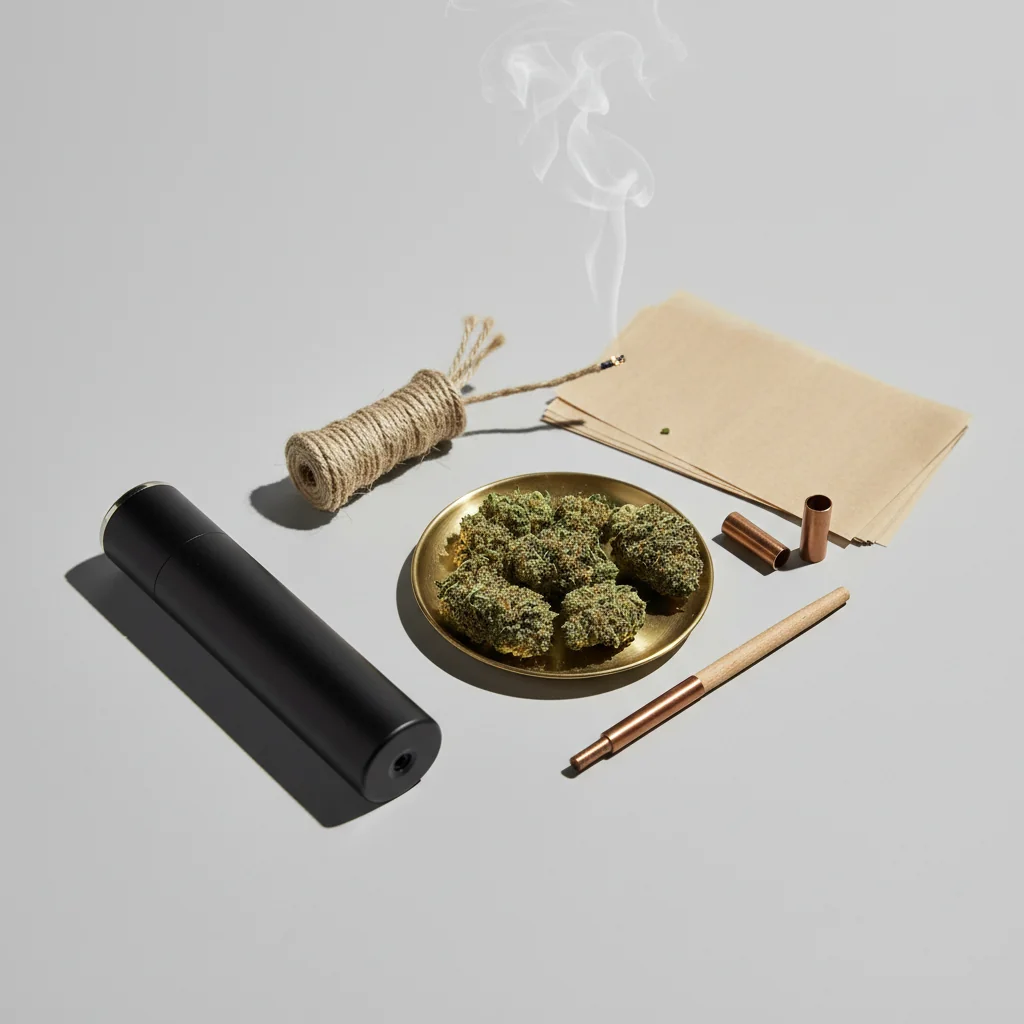
הדיון בין חוט קנאביס למציתים מסורתיים חילק את חובבי הקנאביס במשך שנים. לשניהם יש תומכים נלהבים שטוענים לטעם עליון, יתרונות בריאותיים וחוויה כוללת טובה יותר. מדריך מקיף זה משווה בין שתי השיטות באופן אובייקטיבי.
תשובה מהירה
חוט קנאביס מספק להבה בטמפרטורה נמוכה, ללא בוטאן, שרבים טוענים שהיא מייצרת טעם נקי יותר והקשות חלקות יותר. מציתים מציעים נוחות, אמינות ועלות נמוכה יותר. הבחירה "הטובה ביותר" תלויה בעדיפויות שלך: טהורי הטעמים לרוב מעדיפים חוט קנאביס, בעוד שמשתמשים שממוקדים בנוחות נשארים עם מציתים. רבים מהמשתמשים המנוסים שומרים על שניהם זמינים.
מהו חוט קנאביס?
למדע הבעירה ולמחקר טמפרטורה, NIST (המכון הלאומי לתקנים וטכנולוגיה) מספק נתוני מדידה סטנדרטיים.
חוט קנאביס הוא חלופה טבעית למציתי בוטאן, המורכב מ:
- ליבה: חוט קנאביס אורגני
- ציפוי: דונג דבורים טבעי
- בעירה: להבה איטית ומבוקרת
- טמפרטורה: נמוכה יותר מבוטאן (~700°F מול 3,500°F)
איך להשתמש: הדלק את חוט הקנאביס עם מצית, ואז השתמש בלהבת חוט הקנאביס כדי להדליק את הקנאביס שלך. כבה על ידי טלטול או לחיצה.
חוט קנאביס: יתרונות וחסרונות
יתרונות
יתרונות טעם:
- אין הפרעה בטעם בוטאן
- רבים מדווחים על טעם קנאביס "נקי" יותר
- שומר על פרופילי טרפנים טוב יותר
- הקשות חלקות יותר, פחות קשות
יתרונות שליטה:
- טמפרטורה נמוכה = פחות בעירה
- מיקום להבה מדויק יותר
- קצב בעירה איטי יותר
- סיכון מופחת לשריפה
יתרונות בריאות פוטנציאליים:
- אין שאיפת בוטאן
- שעוות דבורים טבעית (נחשבת בדרך כלל לבטוחה)
- טמפרטורת בעירה נמוכה יותר
- סיבי המפ אורגניים
חסרונות
בעיות נוחות:
- דורש מצית כדי להדליק בהתחלה
- רוח משפיעה משמעותית על הלהבה
- תהליך הדלקה איטי יותר
- צריך לנהל/לעטוף את הפתיל
דאגות מעשיות:
- עלות גבוהה יותר בטווח הארוך מאשר מציתים
- יכול להיות מבולגן (שאריות שעוות דבורים)
- עקומת למידה למתחילים
- לא כל כך נייד
מציתים: יתרונות וחסרונות
סוגי מציתים
סגנון BIC (להבה רכה):
- מצית חד פעמי סטנדרטי
- מציתי BIC מותאמים אישית עם עיצובים מותאמים אישית
- אמין, משתלם, זמין באופן נרחב
להבת ג'ט/טורצ':
- מציתי להבת ג'ט מותאמים אישית לעמידות בפני רוח
- טמפרטורה גבוהה יותר, להבה ממוקדת
- טוב יותר לשימוש חיצוני
קליפר/ניתן למילוי:
- אפשרות ידידותית לסביבה
- כלי פוקר מובנה
- חסכוני בטווח הארוך
יתרונות המצית
נוחות:
- פעולה ביד אחת
- עובד בכל מצב
- להבה מיידית
- נייד מאוד
- אין צורך בהכנה
אמינות:
- ביצועים עקביים
- אפשרויות עמידות לרוח זמינות
- אורך חיים ארוך לכל יחידה
- זמין בכל מקום
עלות:
- זול יותר מאשר חוט קנאביס בטווח הארוך
- מצתים של BIC מחזיקים שבועות עד חודשים
- אין צורך בכלים נוספים
חסרונות מצתים
חששות פוטנציאליים:
- טעם בוטאן (קל, שנוי במחלוקת)
- טמפרטורת בעירה גבוהה יותר
- חשיפה קצרה לבוטאן
- שליטה פחות מדויקת על הלהבה
השוואה ישירה
מבחן הטעם
מה משתמשי חוט הקנאביס אומרים:
- "ההבדל בטעם הוא כמו יום ולילה"
- "טועם כמו הקנאביס עצמו, לא שרוף"
- "הכשות חלקות יותר, פחות גירוי בגרון"
- "יכול להרגיש הבדלים בזנים טוב יותר"
מה משתמשי המצתים אומרים:
- "אני לא טועם בוטאן בכלל"
- "אין הבדל ניכר"
- "כל הבוטאן נשרף לפני השאיפה"
- "העדפה, לא צורך"
המציאות:
רגישות הטעם משתנה בין אנשים. אלו עם חיך מעודן או שמעשנים קנאביס פרימיום לעיתים קרובות מבחינים בהבדלים. משתמשים מזדמנים עשויים לא להרגיש שינוי משמעותי.
שיקולי בריאות
חשיפה לבוטאן
עובדות:
- בוטאן נחשב בדרך כלל לרעילות נמוכה
- נשרף כמעט לחלוטין בעת בעירה
- חשיפה קצרה במהלך ההדלקה
- אין מחקרים משמעותיים המראים נזק
חלופה לחוט קנאביס:
- אין בוטאן בכלל
- שעוות דבורים בטוחה למזון
- קנאביס הוא חומר צמחי אורגני
- בעירה נמוכה עשויה להפחית טאר
שורה תחתונה: שניהם אינם מציבים סיכוני בריאות משמעותיים. חוט הקנאביס מסלק משתנה אחד (בוטאן) אך בעירת קנאביס באופן כללי היא הדאגה הבריאותית העיקרית ללא קשר למקור ההדלקה.
טמפרטורה ובעירה
למה הטמפרטורה חשובה
בעירת קנאביס:
- קנבינואידים מתאדים בטמפרטורות של 315-440°F
- בעירה מלאה מתרחשת סביב 450°F+
- טמפרטורות גבוהות = בעירה יותר מלאה
- טמפרטורות נמוכות = יותר טעם, פחות חריף
חוט קנאביס (~700°F):
- עדיין מעל סף בעירה
- בעירה פחות אגרסיבית
- שומר על יותר טרפנים
- חימום איטי ומבוקר
מצית בוטאן (~3,500°F):
- עולה בהרבה על הטמפרטורה הנדרשת
- בעירה מיידית ואגרסיבית
- עשוי להרוס כמה טרפנים
- מהיר ויעיל
ניתוח עלויות
עלויות חוט קנאביס
מחירים טיפוסיים:
- ספול של 50 רגל: $5-8
- ספול של 200 רגל: $12-18
- נמשך 2-3 חודשים (שימוש רגיל)
- עלות שנתית: $40-60
בנוסף: עדיין צריך מצית כדי להדליק את החוט
עלויות מציתים
BIC/חד פעמי:
- $2-3 לכל מצית
- נמשך 3-4 שבועות (שימוש רגיל)
- עלות שנתית: $25-40
- $3-8 לכל יחידה
- אותה תוחלת חיים
- עיצובים מותאמים אישית זמינים
ניתנים למילוי מחדש (קליפר/זיפו):
- $5-15 עלות ראשונית
- $3-5 מילויים בשנה
- עלות שנתית: $5-10
מקרי שימוש הטובים ביותר
בחר חוט קנאביס אם:
- הטעם הוא העדיפות העליונה שלך
- אתה צורך קנאביס פרימיום
- אתה מעדיף טקסיות ומכוונות
- אופטימיזציה לבריאות חשובה לך
- אתה מעשן בעיקר בתוך הבית
- אתה רוצה שליטה מדויקת בטמפרטורה
בחר מציתים אם:
- נוחות היא חיונית
- אתה מעשן בחוץ לעיתים קרובות
- מודעות לעלות היא עדיפות
- אתה מעדיף פשטות
- אתה לא שם לב להבדלי טעמים
- מפגשים מהירים הם טיפוסיים
השתמש בשניהם אם:
- אתה רוצה את הטוב משני העולמות
- מצבים שונים דורשים כלים שונים
- אתה עדיין מחליט על העדפתך
- אתה משתף עם אחרים עם העדפות שונות
איך להשתמש בחוט קנאביס
הגדרה
1. עטוף את החוט סביב מצית לאחסון
2. השאר 1-2 אינצ'ים חשופים
3. שמור על הגליל נגיש
הדלקה
1. הדלק את קצה החוט עם מצית
2. חכה שהבוטאן יישרף (1-2 שניות)
3. הנח את להבת החוט על הקנאביס
4. שלוט על ידי הטיית או הזזת החוט
5. כבה על ידי טלטול או לחיצה
טיפים
- רוח: כוס יד סביב הלהבה
- אורך: שמור על 2-3 אינצ'ים דלוקים לשליטה הטובה ביותר
- אחסון: אחסן במקום יבש
- שילוב: השתמש עם איכות [מגשי רולינג](https://munchmakers.com/product-category/custom-rolling-trays/) כדי לתפוס טיפות שעווה
מוצרים מומלצים
חוט קנאביס
מותגים פופולריים:
- Bee Line
- Humboldt Hemp Wick
- Raw Hemp Wick
- I-Tal Hemp Wick
מה לחפש:
- קנאביס אורגני
- ציפוי דונג דבורים טהור
- קצב בעירה אחיד
- ללא תוספים
מצתים
האפשרויות הטובות ביותר:
- מצתים מותאמים אישית של BIC - אמינים עם סגנון אישי
- מצתים עם להבת ג'ט - עמידים בפני רוח
- מצתים ממלאים Clipper - אפשרות ידידותית לסביבה
- Zippo - קלאסי, עמיד
הגישה ההיברידית
רבים מהמשתמשים המנוסים משתמשים בשניהם:
בבית (חוט קנאביס):
- זמן לטקס נכון
- סביבה מבוקרת
- מיקוד בטעם
- ללא דאגות רוח
בדרכים (מצת):
- נוחות מהירה
- עמיד בפני רוח (להבת ג'ט)
- אביזרים מינימליים
- ביצועים אמינים
שילוב עם:
- צנצנות [אחסון מותאמות אישית](https://munchmakers.com/product/custom-stash-jar) לאחסון
- מגשי רולינג לארגון
- שקיות חסינות ריח לניידות
סיכום
חוט קנאביס הכי טוב עבור:
- חובבי טעמים
- משתמשים מודעים לבריאות
- סשנים פנימיים
- קנאביס פרימיום
מצתים הכי טוב עבור:
- מחפשי נוחות
- שימוש חיצוני
- סשנים מהירים
- משתמשים עם תקציב מוגבל
ההכרעה: אף אחד מהם לא "טוב יותר" באופן אובייקטיבי - זה תלוי בעדיפויות שלך. אם לא ניסית חוט קנאביס, שווה לנסות כדי לראות אם אתה שם לב להבדל. רבים מהמשתמשים שניסו אותו לא חוזרים; אחרים מוצאים שהמצתים מספיקים בהחלט.
המדריך הזה מיועד למטרות חינוכיות. חוקים לגבי קנאביס משתנים לפי תחום שיפוט.
Frequently Asked Questions
חוט קנאביס נשרף בטמפרטורה נמוכה יותר מבוטאן (מונע שאיפת בוטאן פוטנציאלית) ומשתמש בציפוי דונג דבורים טבעי. רבים מהמשתמשים מדווחים על טעם נקי יותר וחוויה חלקה יותר, אם כי מחקרים מדעיים על הבדלים בריאותיים מוגבלים.
Related Guides

Best Lighters for Cannabis 2026: BIC, Torch, Hemp Wick & More
Complete guide to choosing the best lighter for cannabis. Compare soft flame BICs, torch lighters, hemp wick, and electric plasma options. Find the perfect lighter for your consumption method.

Budget Smoking Setup Under $50: Complete Starter Kit 2026
Build a complete quality smoking setup for under $50. Smart shopping guide for grinders, rolling trays, storage, and accessories without sacrificing quality.

Ultimate Cannabis Gift Guide 2026: Accessories for Every Budget
Complete cannabis gift guide with accessory recommendations for every budget. From stocking stuffers to premium gifts, find perfect presents for cannabis enthusiasts.