
What Is a Bong? How They Work, Types, and Why People Use Them

Emma Chen
Glass Specialist
What Is a Bong? How They Work, Types, and Why People Use Them
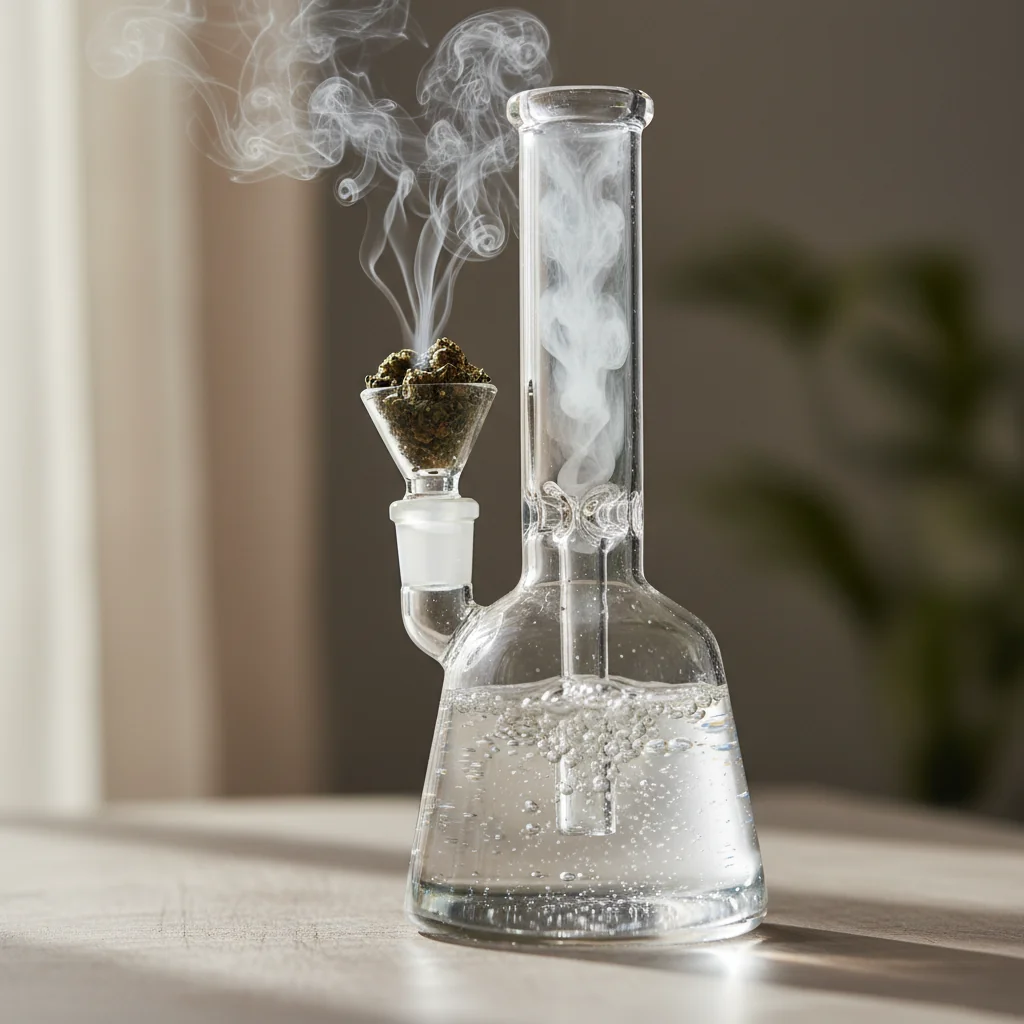
A bong is a water pipe used to smoke cannabis or tobacco, and despite the simple appearance, it's one of the more engineered ways to consume herb. The water serves a specific purpose, the geometry of the chamber matters, and the difference between a $30 bong and a $300 bong shows up in real ways during use. If you're considering buying your first bong or just want to understand what makes them different from joints and pipes, this guide covers what bongs are, how they work, and why they remain one of the most popular cannabis tools decades after they entered widespread use.
Quick Answer
A bong is a water pipe that filters cannabis smoke through a chamber of water before you inhale it. Smoke enters through a bowl, travels down a submerged stem, bubbles through water, and rises into the main chamber where it cools before reaching your lungs. The water filters ash, removes some of the harsh particulates, and cools the smoke, producing a smoother, larger hit than a dry pipe. Bongs come in glass, silicone, ceramic, and acrylic, with prices ranging from $20 to $1000+.
Table of Contents
- How a Bong Works
- The Main Parts of a Bong
- Common Types of Bongs
- Why People Choose Bongs Over Other Methods
- Common Mistakes
- Tips for Buying a Bong
- Frequently Asked Questions
- Conclusion
How a Bong Works
A bong filters and cools smoke using two simple principles: water diffusion and chamber expansion.
When you light cannabis in the bowl and inhale, the suction pulls smoke down through the downstem and into the water at the bottom of the chamber. The smoke breaks into hundreds of small bubbles as it passes through the water, and three things happen during that fraction of a second. First, the water absorbs heat from the smoke, dropping the temperature significantly. Second, ash and large particulates get caught in the water rather than your lungs. Third, the bubbles release the smoke back into the chamber as cooled, slightly cleaner vapor.
The smoke then rises into the main chamber of the bong and accumulates. When you remove the bowl (or pull the carb hole on certain designs), fresh air rushes in and you inhale the accumulated smoke from the chamber. This two-stage system is what gives bongs their distinctive feel — bigger, smoother hits than a dry pipe can deliver.
The water doesn't filter THC or other active compounds in any meaningful way, which is a common misconception. The compounds that produce the cannabis effect remain in the smoke after water filtration. What the water removes is harshness, ash, and some of the irritants that make smoking uncomfortable.
The Main Parts of a Bong
Every bong has four core components, and understanding each helps you compare designs.
The bowl is the small dish where you pack ground flower. Bowls are removable on most modern bongs (called "slides") and seat into the downstem. Bowl sizes range from small one-hitter bowls to large bowls that hold a full session's worth of flower.
The downstem is the tube that connects the bowl to the water chamber. It carries smoke from the bowl down into the water at the bottom of the chamber. Some downstems are simple straight tubes; others have built-in diffusers (slits or holes at the submerged end) that break the smoke into smaller bubbles for better filtration.
The chamber is the main body of the bong, sometimes called the can or the body. It holds the water and the cooled, accumulated smoke before you inhale. Chambers come in straight tubes, beaker shapes (wider base for stability), recycler designs (where water flows in a closed loop), and specialty geometries.
The mouthpiece is the opening at the top of the chamber where you inhale. It's typically slightly flared or contoured to seal against your lips.
Some bongs add percolators — extra filtration chambers above the water line that break the smoke into even more bubbles. Tree percs, honeycomb percs, and showerhead percs all do roughly the same thing through different geometries: more bubbles equals smoother smoke.
A carb hole appears on simple cylindrical bongs without removable bowls. You cover it with your thumb while inhaling, then release to clear the chamber. Most modern glass bongs use removable slides instead, which serves the same function.
Common Types of Bongs
Bongs are categorized by chamber shape, material, and filtration features.
Straight tube bongs are the simplest design and the easiest to clean. They clear quickly because the smoke has a direct path from the chamber to your lungs.
Beaker bongs sit lower and resist tipping over. The wider water chamber holds more water, which means more contact between smoke and water for cooling. Beaker bongs are the most common style sold today.
Bubblers are small bongs designed to be held rather than placed on a table. They're a hybrid between a glass pipe and a full bong — water filtration in a portable size.
Percolator bongs add extra filtration features that produce smoother hits. The tradeoff is they're harder to clean and more fragile.
Recyclers continuously move water and smoke through a closed loop, producing very smooth hits. They're typically used for concentrates and dabs rather than flower.
Materials matter too. Glass is the most common — it produces clean flavor and is easy to clean, but it's fragile. Silicone is unbreakable and dishwasher-safe, but the silicone material can subtly affect taste. Ceramic offers great heat tolerance and decorative options. Acrylic is the cheapest option but produces the worst flavor and is hardest to clean properly.
Why People Choose Bongs Over Other Methods
Bongs have specific advantages that explain why they've stayed popular for decades despite competition from joints, pipes, and vaporizers.
Smoother smoke from water filtration is the main reason. Compared to a glass pipe or a joint, a bong hit feels noticeably easier on the throat and lungs. The water cools the smoke from around 700°F at the cherry to 200-300°F by the time it reaches your mouth.
Bigger hits per session suit experienced smokers who want efficient delivery. A single bong rip can deliver as much THC as several pulls from a joint, which makes bongs efficient for established tolerance users.
No paper, no waste matters to environmentally conscious smokers. A bong reuses the same glass for years; joints consume papers, filters, and time to roll.
Dose control is better with a bong than with a pre-rolled joint because you pack the bowl with whatever amount you want. A bong with a small bowl is actually a precise dosing tool.
Consistent flavor is a benefit over joints because you're tasting only the cannabis, not the paper combustion or any flavor additives. Glass bongs in particular produce the cleanest flavor of any smoking method except vaporizers.
The downsides are mobility (bongs aren't pocketable), water management (the water has to be changed regularly to stay clean), and learning curve (bigger hits can overwhelm new smokers).
Common Mistakes
A handful of bong mistakes show up over and over, especially with new owners.
Filling the water too high. Water should cover the downstem holes by about half an inch — typically 1 to 2 inches above the bottom of the chamber. Too much water and you'll splash water into your mouth on the inhale. Too little and the smoke doesn't get filtered properly.
Never changing the water. Bong water turns into a layer of tar and bacteria within a day or two. Stale water tastes terrible and is unhygienic. Empty and refill with fresh, room-temperature water before each session, or at minimum daily.
Pulling too hard on a percolator bong. Heavy percolators want a slow, steady inhale. Yanking hard creates a vacuum lock and pulls water up where it shouldn't go.
Using hot water. Some smokers fill bongs with warm or hot water thinking it's smoother. Hot water actually reduces the temperature differential that cools the smoke, making the hit harsher.
Not cleaning the bong regularly. A dirty bong tastes burnt, builds resin in the downstem (which restricts airflow), and looks unappealing. A 5-minute clean every week or two with isopropyl alcohol and salt keeps the bong functioning and looking good.
Tips for Buying a Bong
Choosing a bong is mostly about matching the design to how you'll use it.
Start with a beaker bong if you're new. They're stable, easy to clean, and produce great hits without the complexity of percolators. A 10-12 inch borosilicate beaker bong in the $40-$80 range is the most universally recommended starter.
Pick borosilicate glass. This thicker, more heat-resistant glass is the standard for quality bongs. Cheap bongs use thinner soda-lime glass that breaks easily and can crack from temperature changes.
Avoid acrylic for daily use. Acrylic bongs are cheap and unbreakable but produce noticeably worse flavor and can leach plastic compounds when heated. They're fine for travel but not for serious daily use.
Match bowl size to your sessions. Solo smokers want a small bowl that holds one session's worth of flower. If you smoke socially, a larger bowl reduces how often you have to repack.
Consider a percolator only if you smoke daily. Percs deliver smoother hits but they're harder to clean and easier to break. If you smoke a couple times a week, a simple bong works just as well.
Check the joint size and angle. Standard joint sizes are 14mm and 18mm. Get a bong that uses one of these — finding a custom-sized bowl down the road is annoying. The angle should be 90° (vertical bowl) for most uses; 45° angled bongs are more comfortable for some users.
Frequently Asked Questions
Does a bong filter THC out?
No. Water doesn't meaningfully absorb THC or other cannabinoids — those compounds remain in the smoke after passing through water. What the water filters out is some of the ash, particulates, and harsh-feeling irritants. The high you get from a bong is roughly equivalent to the high from the same amount of cannabis in a joint or pipe.
How often should I change my bong water?
Ideally before every session, and at minimum once per day. Old bong water turns into a layer of tar and bacteria, smells terrible, and produces noticeably worse-tasting smoke. Fresh, cool water is the single biggest factor in how good a bong hit tastes.
What's the difference between a bong and a bubbler?
A bong is typically larger and meant to be set on a table; a bubbler is smaller and held in the hand like a pipe. Both use water filtration. Bongs deliver larger hits and more cooling because of the bigger water chamber; bubblers are more portable but produce smaller, slightly harsher hits.
Are glass bongs better than silicone bongs?
Glass produces cleaner flavor and is easier to clean thoroughly, but it's fragile. Silicone is unbreakable and dishwasher-safe but can subtly affect taste. For home use, glass is usually preferred. For travel or rough environments, silicone wins.
How much should a beginner bong cost?
A solid beginner bong runs $40 to $80 — borosilicate glass, beaker shape, 10-12 inches tall, with a removable downstem and slide. Below $30 you're typically getting thin glass that breaks easily. Above $150 you're paying for percolators, ice catchers, or aesthetic features that aren't necessary for a first bong.
Conclusion
A bong is a water-filtered smoking tool that produces smoother, larger hits than a dry pipe by cooling smoke through a water chamber before it reaches your lungs. The simple design — bowl, downstem, water chamber, mouthpiece — is the same across the dozens of bong styles on the market, and the differences come down to chamber shape, material, and how much filtration the design adds. For most home smokers, a borosilicate glass beaker bong in the $40-$80 range is the right balance of price, durability, and smoking quality. Whatever bong you choose, fresh water and regular cleaning are the difference between great hits and terrible ones.
Frequently Asked Questions
No. Water doesn't meaningfully absorb THC or other cannabinoids — those compounds remain in the smoke. What the water filters out is some ash, particulates, and harsh-feeling irritants.
Ideally before every session, and at minimum once per day. Old bong water turns into a layer of tar and bacteria, smells terrible, and produces noticeably worse-tasting smoke.
A bong is typically larger and meant to be set on a table; a bubbler is smaller and handheld. Both use water filtration. Bongs deliver larger hits with more cooling; bubblers are more portable.
Glass produces cleaner flavor and is easier to clean thoroughly but is fragile. Silicone is unbreakable and dishwasher-safe but can subtly affect taste. For home use, glass is usually preferred.
A solid beginner bong runs $40-$80 — borosilicate glass, beaker shape, 10-12 inches tall. Below $30 the glass is too thin; above $150 you're paying for features beginners don't need.
Related Guides
Ash Catcher Guide: Keep Your Bong Clean Longer
Complete guide to ash catchers for bongs: what they do, types including dry and percolator ash catchers, joint sizes and angles, how to use and clean them, and how to choose the right one.

Ash Catchers: What They Do and Why Use One
Learn what ash catchers do, how they keep your bong clean, and whether you need one. Understand different types, how to choose the right size, and maintenance tips.
Beaker vs Straight Tube Bongs: Which Style is Better?
Comprehensive guide about beaker vs straight tube bongs: which style is better?. Learn everything you need to know with expert tips and detailed instructions.