
Weed Hangover: Symptoms, Causes, and How to Feel Better

Sarah Green
Cannabis Educator
Weed Hangover: Symptoms, Causes, and How to Feel Better
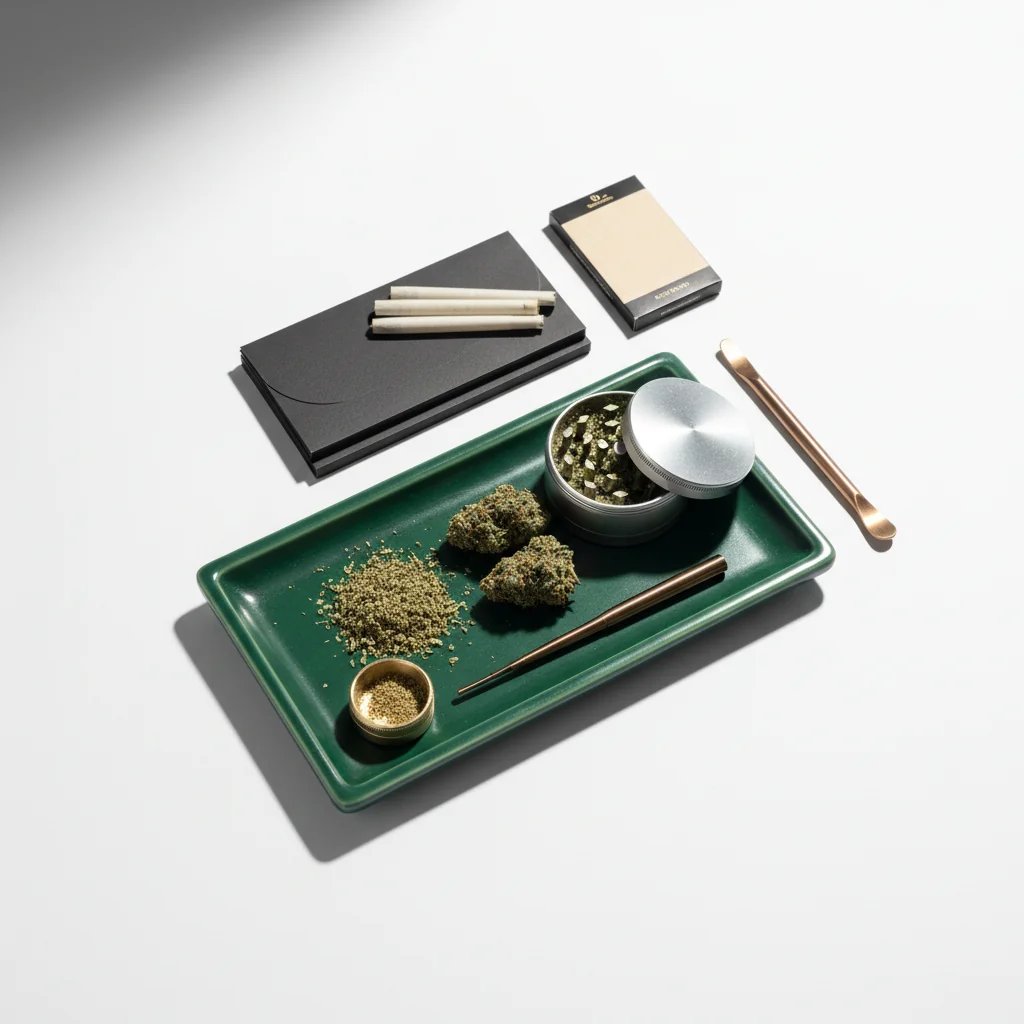
You wake up after a cannabis-filled evening and something feels... off. Your head is foggy, you're groggy, maybe a bit dehydrated. Welcome to the weed hangover—a real phenomenon that many cannabis users experience, though it's rarely talked about compared to its notorious alcohol counterpart.
This guide explores what causes weed hangovers, common symptoms, and proven ways to feel better quickly.
Quick Answer
A weed hangover is the lingering foggy, tired feeling some people experience the morning after consuming cannabis, especially in higher doses. Symptoms include brain fog, fatigue, dry eyes, mild headache, and dehydration. Unlike alcohol hangovers, weed hangovers are generally mild and resolve within a few hours with hydration, food, light activity, and time.
Table of Contents
- What is a Weed Hangover?
- Common Symptoms
- What Causes Weed Hangovers?
- How to Cure a Weed Hangover
- Prevention Tips
- Weed Hangover vs Alcohol Hangover
- Pro Tips
- FAQ
What is a Weed Hangover?
A weed hangover refers to the residual effects experienced the day after cannabis consumption. While not everyone experiences them—and they're significantly milder than alcohol hangovers—many regular users are familiar with that next-day foggy feeling.
Is It Real?
Yes. Scientific research has confirmed that cannabis can produce lingering effects. A 1985 study in the journal Drug and Alcohol Dependence documented residual effects including behavioral changes the morning after smoking. More recent research supports these findings.
Who Gets Weed Hangovers?
Several factors influence whether you'll experience next-day effects:
- Dose consumed: Higher doses = more likely
- THC percentage: High-THC products increase likelihood
- Consumption method: Edibles are more likely to cause hangovers than smoking
- Individual metabolism: Some people clear THC faster than others
- Frequency of use: New or occasional users may be more susceptible
- Sleep quality: Poor sleep amplifies symptoms
Common Symptoms
Weed hangover symptoms are typically mild compared to alcohol but can still affect your day:
Brain Fog
The most common complaint. You might experience:
- Difficulty concentrating
- Slower mental processing
- Feeling "out of it" or spaced out
- Trouble with word recall
- General mental haziness
Fatigue
- Tiredness despite adequate sleep
- Low energy or motivation
- Desire to stay in bed
- Heavy, sluggish feeling
Dehydration Symptoms
- Dry mouth (cottonmouth that extended overnight)
- Mild headache
- Dry, irritated eyes
- General thirst
Physical Symptoms
- Slight grogginess
- Mild nausea (rare, more common with edibles)
- Congestion or sinus pressure
- Appetite changes (either increased or decreased)
Duration
Most weed hangover symptoms resolve within 2-4 hours of waking. By afternoon, most people feel completely normal. Unlike alcohol hangovers that can last all day, cannabis after-effects are typically short-lived.
What Causes Weed Hangovers?
Several factors contribute to next-day effects:
1. THC Staying in Your System
THC is fat-soluble and stored in fat cells. After heavy consumption, THC releases slowly from fat stores, potentially causing lingering effects. The higher the dose, the more THC remains for gradual release.
2. Edible Metabolism
Edibles produce 11-hydroxy-THC, a more potent metabolite, through liver processing. This stays in your system longer than inhaled THC, making edible hangovers more common and pronounced.
3. Sleep Disruption
While cannabis can help you fall asleep, it may:
- Reduce REM sleep (affecting sleep quality)
- Cause restlessness as effects wear off
- Lead to waking during the night
Poor sleep quality contributes significantly to next-day grogginess.
4. Dehydration
Cannabis causes dry mouth and may reduce your water intake during consumption. Waking up dehydrated contributes to headaches and fatigue.
5. Strain Effects
Indica-dominant strains with heavy sedative effects may leave you groggier the next morning than sativa-dominant options.
6. Time of Consumption
Consuming cannabis late at night doesn't give your body time to process it before sleep, increasing residual effects.
How to Cure a Weed Hangover
1. Hydrate Immediately
Start your day with water—lots of it:
- Drink 1-2 glasses immediately upon waking
- Continue drinking throughout the morning
- Consider electrolyte drinks if you're very dehydrated
- Avoid coffee immediately (it can worsen dehydration)
2. Eat a Balanced Breakfast
Food helps stabilize blood sugar and provides energy:
- Complex carbs (oatmeal, whole grain toast)
- Protein (eggs, yogurt)
- Fresh fruit (natural sugars and hydration)
- Avoid greasy, heavy foods if feeling nauseous
3. Take a Shower
A shower can work wonders:
- Warm water relaxes muscles
- Steam helps with any congestion
- The routine signals your body to "wake up"
- End with cool water for an energy boost
4. Get Moving
Light physical activity clears the fog:
- Short walk outside
- Gentle stretching or yoga
- Light exercise (nothing intense)
- Fresh air and sunlight
Exercise increases blood flow and helps metabolize remaining THC.
5. Use Eye Drops
If dry eyes are bothering you:
- Lubricating eye drops provide relief
- Avoid redness-reducing drops if possible (rebound effect)
- Cool compresses also help
6. Caffeine (Carefully)
Coffee can help alertness but use moderately:
- Wait until you've had water first
- Don't overdo it—caffeine can worsen dehydration
- Green tea is a gentler option
- L-theanine supplements may help focus
7. CBD
Some users report that CBD helps clear THC-related fog:
- CBD may counteract some THC effects
- Consider a small dose of CBD oil or gummies
- Results vary by individual
8. Give It Time
The most reliable cure is simply time. Most symptoms resolve within a few hours. Take it easy in the morning if possible.
Prevention Tips
Dose Carefully
The biggest factor in weed hangovers is consumption amount:
- Start with lower doses
- Wait between doses to assess effects
- With edibles, start with 5-10mg max
- Remember: you can always have more, not less
Stay Hydrated While Consuming
- Drink water throughout your session
- Keep water by your bed for overnight hydration
- Match each joint/bowl with a glass of water
Time Consumption Earlier
- Consume earlier in the evening
- Give 3-4 hours between consumption and sleep
- This allows initial effects to subside
Choose Lower-THC Options
- Consider balanced THC:CBD strains
- Try strains with moderate THC levels
- High-THC products increase hangover likelihood
Eat Before and During
- Don't consume on an empty stomach
- Have snacks available
- Proper nutrition supports better sleep
Prioritize Sleep Quality
Even if cannabis helps you fall asleep:
- Maintain consistent sleep schedule
- Create a comfortable sleep environment
- Give yourself enough time to get adequate rest
Track Your Experiences
Keep notes on:
- What you consumed
- How much
- Time of consumption
- Next-day effects
This helps identify patterns and problem products.
Weed Hangover vs Alcohol Hangover
Why Weed Hangovers Are Milder
Alcohol hangovers involve:
- Processing toxic byproducts (acetaldehyde)
- Severe dehydration
- Electrolyte imbalances
- Inflammation
- Stomach irritation
Cannabis doesn't produce toxic metabolites or cause the same systemic stress.
Pro Tips
1. Keep water by your bed—you'll thank yourself in the morning
2. Avoid mixing cannabis and alcohol—the combination significantly worsens hangovers
3. Try microdosing—smaller doses provide effects without next-day consequences
4. Consider CBD-rich strains—they may produce fewer hangover effects
5. Don't drive or operate machinery if you're still feeling foggy
6. Plan consumption around your schedule—heavy sessions before important mornings aren't ideal
7. Morning exercise is one of the most effective hangover cures
8. Fresh fruit provides hydration and natural energy
9. Avoid "hair of the dog"—more cannabis doesn't cure the hangover
10. Accept it as information—hangovers tell you something about your dosing
FAQ
Are weed hangovers real?
Yes. Scientific studies have documented residual effects from cannabis use, including cognitive impairment, fatigue, and mood changes the morning after consumption. While milder than alcohol hangovers, they're a genuine phenomenon.
How long does a weed hangover last?
Most weed hangover symptoms resolve within 2-4 hours of waking. Edible-induced hangovers may last slightly longer. By afternoon, most people feel completely normal.
Does everyone get weed hangovers?
No. Individual factors like metabolism, tolerance, and consumption amount affect whether you'll experience after-effects. Many regular users rarely or never experience noticeable hangovers.
Do edibles cause worse hangovers?
Generally yes. Edibles produce 11-hydroxy-THC through liver metabolism, which is more potent and stays in your system longer. This increases the likelihood and duration of next-day effects.
Will CBD help a weed hangover?
Some users report that CBD helps clear THC-related fog, possibly by counteracting some of THC's effects on cannabinoid receptors. Results vary, but it's worth trying if other remedies aren't helping.
Can you call in sick for a weed hangover?
That's your call, but weed hangovers are typically mild enough to function through. Hydrating, eating, and light activity usually resolve symptoms within a few hours.
Why do I feel more hungover sometimes?
Variables include: dose consumed, THC percentage, edibles vs. smoking, sleep quality, hydration during consumption, and individual factors like stress or fatigue going into the session.
Does weed hangover mean I'm still high?
Not exactly. You may have residual THC in your system, but the active "high" has passed. The brain fog is more of an after-effect than continued intoxication. However, cognitive impairment may still be present—avoid driving if you feel foggy.
Conclusion
Weed hangovers are real but manageable. Unlike alcohol hangovers that can ruin an entire day, cannabis after-effects are typically mild and short-lived. The best approaches are simple: hydrate, eat well, get moving, and give it time.
Prevention is even better than cure. Moderating your dose, staying hydrated during consumption, and timing your sessions earlier are the best ways to avoid next-day grogginess altogether.
If you're new to cannabis, check out our first-time smoker's guide for more tips on managing your consumption, or explore our guide on greening out if you've ever consumed too much.
Frequently Asked Questions
Yes. Scientific studies have documented residual effects from cannabis use, including cognitive impairment, fatigue, and mood changes the morning after consumption.
Most symptoms resolve within 2-4 hours of waking. Edible-induced hangovers may last slightly longer. By afternoon, most people feel completely normal.
Generally yes. Edibles produce 11-hydroxy-THC which is more potent and stays in your system longer, increasing the likelihood and duration of next-day effects.
Some users report that CBD helps clear THC-related fog. Results vary, but it's worth trying if other remedies aren't helping.
Stay hydrated, consume moderate doses, avoid edibles close to bedtime, and give yourself 3-4 hours between consumption and sleep.
Related Guides

Common Beginner Mistakes to Avoid When Using Cannabis
Learn the most common mistakes first-time and new cannabis users make, why they happen, and how to avoid them for a better experience.
Best Snacks to Enjoy When High: Ultimate Munchies Guide
Comprehensive guide about best snacks to enjoy when high: ultimate munchies guide. Learn everything you need to know with expert tips and detailed instructions.
Best Time of Day to Smoke Cannabis: Morning vs Evening Effects
Comprehensive guide about best time of day to smoke cannabis: morning vs evening effects. Learn everything you need to know with expert tips and detailed instructions.