

Rolling Tray vs Rolling Mat: Which Is Better?

James Wilson
Cannabis Culture Writer
Rolling Tray vs Rolling Mat: Which Is Better?
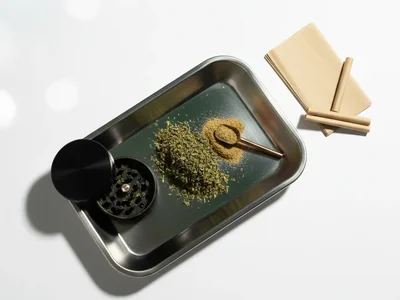
Rolling trays and rolling mats serve the same basic purpose—providing a clean surface for rolling—but they're quite different in practice. This guide compares both options to help you decide which fits your lifestyle.
Quick Answer
Rolling trays are better for: home use, organization, containing spillage, displaying collections. Rolling mats are better for: portability, travel, easy cleaning, minimalist setups. Many enthusiasts own both—a tray at home and mat for travel. Neither is universally "better."
For product comparison methodology, Business Insider Reviews provides expert buying guides.
What's the Difference?
Rolling Trays
Definition: Rigid surfaces with raised edges, usually metal, wood, or plastic. Designed to contain materials and organize accessories.
Characteristics:
- Raised edges prevent spillage
- Rigid/solid structure
- Often includes designs or artwork
- May have compartments
- Typically stays in one location
Rolling Mats
Definition: Flexible, flat surfaces made from silicone, rubber, or fabric. Designed for portability and easy rolling.
Characteristics:
- Flat with no raised edges
- Flexible, can roll up
- Usually plain or simple design
- Minimalist approach
- Easy to transport
Direct Comparison
Rolling Trays: Pros and Cons
Pros:
Containment
Raised edges are the main advantage. Nothing rolls off, nothing spills, everything stays contained. You can walk away and come back without losing material.
Organization
Many trays have compartments or space to organize grinder, papers, lighter, and tools. Everything has its place.
Aesthetics
Wide variety of designs, artwork, custom options. Can be a display piece as much as a functional tool.
Durability
Metal trays last forever. They don't degrade, crack, or wear out with normal use.
Work Surface
Rigid surface provides stable platform for rolling. Can apply pressure without flexing.
Cons:
Not Portable
Even small trays are awkward to transport. Contents move around, can spill during travel.
Storage
Takes up space when not in use. Can't fold or compress.
Weight
Metal and wood trays have noticeable weight. Not ideal for carrying around.
Price
Quality trays with designs cost more than simple mats.
Rolling Mats: Pros and Cons
Pros:
Portability
Roll up, fold, or slip into pocket/bag. Perfect for travel, outings, and on-the-go rolling.
Easy Cleaning
Silicone mats rinse clean in seconds. No crevices or corners for buildup.
Non-Stick Surface
Silicone doesn't grab material. Easy to sweep everything into paper or container.
Affordable
Quality mats cost $10-20. Much cheaper than comparable trays.
Minimal Storage
Rolls up to almost nothing. Can store anywhere.
Cons:
No Containment
Materials can roll right off the edge. Requires more attention and care.
No Organization
Just a flat surface. No compartments, pockets, or designated spots.
Less Stable
Flexible surface can shift or move during rolling. Some find this annoying.
Limited Design Options
Most mats are plain or have minimal branding. Few artistic options.
Materials Compared
Tray Materials:
Metal (Most Common)
- Ultra-durable
- Easy to clean
- Can have printed designs
- Feels professional
- Cold to touch
Wood
- Natural aesthetic
- Warm feel
- Requires maintenance
- Can absorb odors
- Premium look
Plastic/Acrylic
- Lightweight
- Affordable
- Can crack
- Less premium feel
Mat Materials:
Silicone (Most Common)
- Non-stick
- Dishwasher safe
- Flexible
- Durable
- Can stain over time
Rubber
- Good grip
- Durable
- Can have odor
- Heavier than silicone
Fabric/Hemp
- Natural material
- Lightweight
- Harder to clean
- Absorbent
Best Use Cases
Choose a Rolling Tray If:
- You primarily roll at home
- Organization is important to you
- You want to display art or custom design
- Spillage prevention is priority
- You have dedicated rolling space
- You want a complete station setup
Choose a Rolling Mat If:
- You travel or move around frequently
- Portability is essential
- You prefer minimalist approach
- Easy cleaning is priority
- You're on a budget
- Storage space is limited
Using Both Together
Many enthusiasts use BOTH:
At Home: Rolling tray as main station
On the Go: Rolling mat for travel
Combined Use:
Place silicone mat ON TOP of metal tray. The mat provides grip and non-stick surface, the tray provides containment. Best of both worlds.
This combo is especially good for:
- People who hate cleaning trays
- Those who want custom tray designs visible but protected
- Travel kit assembly (mat lives in travel case, comes out for home tray)
Price Comparison
Budget Options:
Trays: $10-20 (basic metal, simple design)
Mats: $5-15 (silicone, rubber)
Mid-Range:
Trays: $25-50 (quality metal, designs, compartments)
Mats: $15-25 (brand name, premium silicone)
Premium:
Trays: $50-150+ (custom, wood, matching sets)
Mats: $25-40 (limited options at this tier)
MunchMakers Rolling Trays
For quality custom rolling trays, MunchMakers offers:
Personal:
- Custom designs and artwork
- Multiple sizes
- Matching grinder sets
Business:
- Dispensary branding
- Wholesale pricing
- Promotional items
Contact MunchMakers for custom rolling trays and complete station setups.
Cleaning Comparison
Cleaning a Tray:
Quick Clean:
1. Tap out loose material
2. Wipe with damp cloth
3. Dry immediately (if metal)
Deep Clean:
1. Isopropyl alcohol spray
2. Let sit 2-3 minutes
3. Wipe thoroughly
4. Rinse (if safe for material)
5. Dry completely
Time: 5-10 minutes
Cleaning a Mat:
Quick Clean:
1. Roll toward center to collect material
2. Dump or brush off
3. Done
Deep Clean:
1. Rinse under water
2. Soap if needed
3. Air dry or towel dry
Time: 1-3 minutes
The Verdict
There's no wrong choice. Both serve the purpose of providing a rolling surface.
Get a tray if: Home rolling is your focus and you want organization and containment.
Get a mat if: You're mobile, want simplicity, or need easy travel option.
Get both if: You roll at home AND on the go—which is most people.
FAQ
Can I use both a tray and mat together?
Yes! Many people use a silicone mat on top of their metal tray. The mat provides grip and the tray provides containment and organization. It's a popular combination.
Which is easier to clean?
Mats are generally easier—just wipe or rinse and they're clean. Trays with detailed designs or multiple compartments take more effort to clean thoroughly.
Which lasts longer?
Quality metal trays last essentially forever with no degradation. Silicone mats can last years but may eventually stain or lose tackiness. Wood trays need maintenance but also last very long.
This guide is for educational purposes. Cannabis laws vary by jurisdiction.
Frequently Asked Questions
Yes! Many people use a silicone mat on top of their metal tray. The mat provides grip and the tray provides containment and organization. It's a popular combination.
Related Guides
Custom Rolling Trays: Personalize Your Setup
Comprehensive guide about custom rolling trays: personalize your setup. Learn everything you need to know with expert tips and detailed instructions.

DIY Rolling Tray Ideas: Custom and Upcycled Options
Creative DIY rolling tray projects from simple upcycling to custom builds. Learn to make picture frame trays, resin pours, cigar box stations, and more with material safety guide.

How to Clean Your Rolling Tray: Complete Maintenance Guide
Learn how to properly clean and maintain rolling trays made of metal, wood, silicone, and plastic. Includes cleaning schedules, stubborn residue removal, and material-specific care tips.