
How to Use a Nectar Collector: Complete Beginner's Guide

David Martinez
Concentrate Expert
How to Use a Nectar Collector: Complete Beginner's Guide
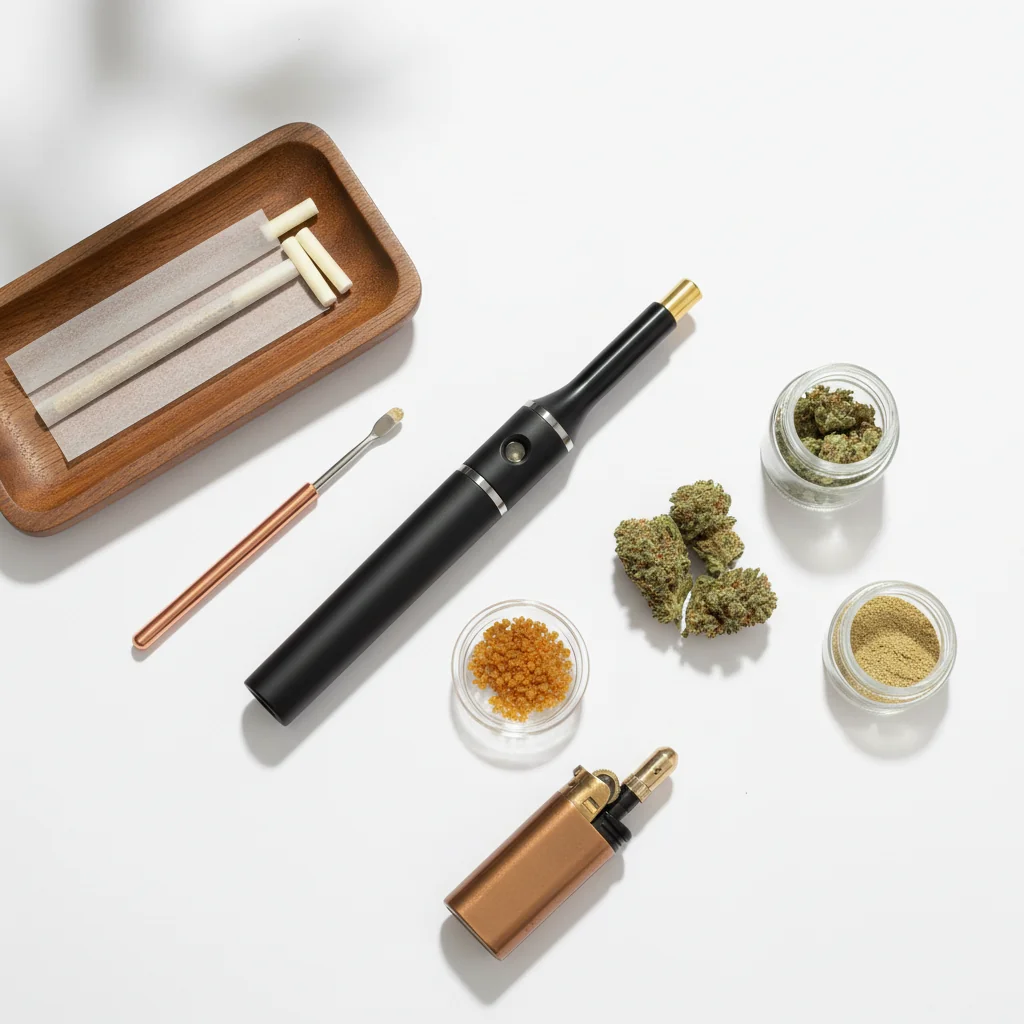
Nectar collectors have revolutionized how people consume cannabis concentrates. Unlike traditional dab rigs, which require loading concentrate onto a heated nail, nectar collectors let you dip directly into your concentrate—making them simpler, more portable, and incredibly efficient.
Whether you're new to concentrates or looking for a more convenient dabbing solution, this guide covers everything you need to know about nectar collectors, from basic setup to advanced techniques.
Quick Answer
A nectar collector (also called a dab straw or honey straw) is a vertical dabbing device with a heated tip that you dip directly into concentrate. Heat the tip with a torch until it glows, let it cool slightly, then touch it to your concentrate while inhaling through the mouthpiece. It's simpler and more portable than a traditional dab rig.
Table of Contents
- What is a Nectar Collector?
- Types of Nectar Collectors
- How to Use a Nectar Collector
- Nectar Collector vs Dab Rig
- Choosing the Right Tip
- Temperature and Technique
- Cleaning and Maintenance
- Best Concentrates for Nectar Collectors
- Pro Tips
- FAQ
What is a Nectar Collector?
A nectar collector is a portable dabbing device that resembles a large straw or small pipe. Unlike traditional dab rigs where you heat a nail and drop concentrate onto it, nectar collectors work in reverse—you heat the tip and bring it to the concentrate.
The Name Origin
The name "nectar collector" comes from how you use it: dipping into concentrate like a hummingbird or bee collecting nectar from a flower. It's also commonly called a:
- Dab straw
- Honey straw
- Vertical vaporizer
- Concentrate straw
Basic Components
A standard nectar collector consists of:
1. Mouthpiece: The end you inhale through (often made of glass or silicone) 2. Body/Chamber: May include a water chamber for cooling 3. Tip: The heated end that vaporizes concentrate (titanium, quartz, or ceramic)
Why Nectar Collectors Became Popular
Nectar collectors offer several advantages:
- Portability: Much smaller than traditional rigs
- Efficiency: Less concentrate waste
- Control: Precise dosing—take exactly what you want
- Simplicity: Fewer parts, easier to use
- Speed: Quick sessions without elaborate setup
Types of Nectar Collectors
Glass Nectar Collectors
Traditional nectar collectors are made entirely of glass, often featuring: - Water percolation chambers - Artistic designs - Interchangeable tips - See-through construction
Pros: Pure flavor, aesthetically pleasing, often include water filtration Cons: Fragile, not ideal for travel
Silicone Nectar Collectors
Silicone bodies with detachable metal or quartz tips offer: - Near-indestructible durability - Easy cleaning - Travel-friendly design - Affordable pricing
Pros: Virtually unbreakable, portable, budget-friendly Cons: Some worry about heat near silicone, less pure flavor
Electric Nectar Collectors
Battery-powered options with temperature control: - No torch required - Precise temperature settings - USB rechargeable - Consistent heating
Pros: No torch, temperature control, convenient Cons: More expensive, batteries die, electronic components can fail
Mini/Micro Nectar Collectors
Compact versions for ultimate portability: - Pocket-sized designs - Quick sessions - Often lack water filtration
Pros: Extremely portable, discreet, fast Cons: No water cooling, shorter tip means more heat near mouth
How to Use a Nectar Collector
What You'll Need
- Nectar collector
- Torch lighter (butane)
- Concentrate of your choice
- Heat-resistant surface or silicone mat
- Silicone container or glass dish for concentrate
Step-by-Step Guide
#### Step 1: Assemble Your Nectar CollectorIf your nectar collector has separate pieces, connect them securely: - Attach the tip to the body - If water-filtered, add water to the appropriate level - Check that all connections are tight
#### Step 2: Prepare Your ConcentratePlace your concentrate on a heat-resistant surface. Never dab directly from plastic containers—transfer to: - Silicone dab container - Glass dish - Parchment paper on a silicone mat
#### Step 3: Heat the TipUsing a butane torch, heat the very end of the tip: - Hold the flame to the tip for 15-30 seconds - Heat until the tip glows red/orange - Rotate slightly for even heating
#### Step 4: Let It CoolThis is crucial for flavor and safety: - Wait 10-30 seconds after removing flame - Quartz tips: wait 15-20 seconds - Titanium tips: wait 10-15 seconds - Lower temperatures = better flavor
#### Step 5: Dip and InhaleWith the tip at proper temperature: - Position the tip just above your concentrate - Begin inhaling gently through the mouthpiece - Touch the tip lightly to the concentrate - Move the tip slowly across the concentrate while inhaling - Don't press hard—light contact is sufficient
#### Step 6: Exhale and RepeatRemove the tip from concentrate, finish your inhale, and exhale. You can reheat and repeat as desired.
Nectar Collector vs Dab Rig
When to Choose a Nectar Collector
- Traveling or on-the-go use
- Quick, small doses
- Limited storage space
- Budget-conscious purchases
- Beginners to concentrates
When to Choose a Dab Rig
- At-home sessions
- Maximum vapor quality
- Larger doses
- Experienced concentrate users
- Premium smoking experience
Many concentrate enthusiasts own both, using rigs at home and nectar collectors for travel.
Choosing the Right Tip
The tip material significantly affects your experience:
Titanium Tips
Pros: - Most durable—virtually indestructible - Heats quickly - Retains heat well - Less likely to break from thermal shock
Cons: - Can affect flavor at high temperatures - Metallic taste if overheated - Lower-quality titanium can off-gas
Best for: Durability, quick sessions, travel
Quartz Tips
Pros: - Best flavor—pure, clean taste - Even heat distribution - No metallic taste - Heats evenly
Cons: - Fragile—can crack from drops or rapid temperature changes - Doesn't retain heat as long - More expensive
Best for: Flavor enthusiasts, home use, connoisseurs
Ceramic Tips
Pros: - Excellent flavor - Even heat distribution - Retains heat well
Cons: - Most fragile option - Can crack from thermal shock - Less common
Best for: Flavor priority, careful handlers
Temperature and Technique
Finding Your Ideal Temperature
Temperature dramatically affects your dabbing experience:
Low Temperature (300-400°F) - Maximum flavor/terpene preservation - Smoother vapor - Lighter effects - More residue left behind
Medium Temperature (400-550°F) - Balance of flavor and vapor production - Most popular range - Efficient concentrate use
High Temperature (550-700°F) - Maximum vapor production - Strongest immediate effects - Harsher on throat/lungs - Can destroy terpenes
Visual Temperature Guide
Since most nectar collectors lack temperature displays: - Glowing red: Too hot—wait! - Stopped glowing, very hot: Still too hot for best flavor - Warm to sight: Sweet spot for most users - No visible heat: May be too cool
Low-Temp Technique
For the best flavor: 1. Heat until tip glows 2. Wait 20-30 seconds (longer than you think) 3. Test with a tiny dab first 4. If it puddles without vaporizing much, reheat slightly
Cold Start Technique
Some users try cold starting with nectar collectors: 1. Place tip in contact with concentrate without heating 2. Begin heating while inhaling 3. Remove heat once vapor appears
This is tricky with nectar collectors but can preserve maximum terpenes.
Cleaning and Maintenance
Regular cleaning ensures the best flavor and longest lifespan.
After Each Session
- Wipe the tip while warm (not hot) with a dry cotton swab
- This prevents buildup from hardening
- Use dry swabs only—isopropyl can cause issues when heating
Deep Cleaning (Weekly)
For Glass Bodies: 1. Disassemble completely 2. Soak in isopropyl alcohol (91% or higher) 3. Use salt as an abrasive for stubborn buildup 4. Rinse thoroughly with hot water 5. Let dry completely before use
For Silicone Bodies: 1. Separate silicone from tip 2. Wash silicone with warm soapy water 3. Clean tip with isopropyl alcohol 4. Rinse and dry all components
For Tips: 1. Heat the tip to burn off residue (torch clean) 2. Or soak in isopropyl alcohol 3. Scrub with cotton swabs 4. Rinse and dry before reattaching
Signs You Need to Clean
- Reduced airflow
- Off flavors
- Visible residue buildup
- Clogged percolators
- Sticky mouthpiece
Best Concentrates for Nectar Collectors
Nectar collectors work with all concentrate types, but some are easier to use:
Excellent Choices
Wax/Budder: - Easy to manage consistency - Vaporizes efficiently - Great for beginners
Shatter: - Easy to portion - Clean to handle - Works well at various temperatures
Crumble: - Easy to work with - No sticky mess - Vaporizes cleanly
Workable Options
Live Resin: - Excellent flavor - Can be sticky - May require lower temperatures
Rosin: - Clean, solventless option - Variable consistency - Great flavor
Challenging Options
Sauce/Terp Sauce: - Very runny consistency - Can be messy - May drip when heated - Requires careful technique
Distillate: - Very runny - Can clog tips - Works but requires care
Pro Tips
1. Use a silicone mat or glass dish—never dab from plastic, cardboard, or parchment alone 2. Invest in a quality tip—cheap tips affect flavor and may not be safe 3. Don't touch the tip to verify temperature—it stays hot longer than you think 4. Start with small dabs until you know your tolerance 5. Keep concentrate portions small—you can always take more 6. Clean regularly for best flavor and longevity 7. Let water-filtered models drain completely before storing 8. Travel with the tip detached to prevent damage 9. Use a quality butane torch—cheap torches cause headaches 10. Consider an electric option if you want temperature control
FAQ
Are nectar collectors worth it?
Yes, especially for portability and efficiency. They waste less concentrate than many other methods and offer excellent dose control. They're an affordable entry into concentrates.
Do nectar collectors get you higher than dab rigs?
Not necessarily. The effects depend on the amount and quality of concentrate consumed, not the device. Both can deliver potent doses when used properly.
How much should I spend on a nectar collector?
Functional options start around $20-30. Quality glass or silicone versions with good tips run $40-80. Premium glass or electric versions can exceed $100.
Can I use a nectar collector for dry herb?
No. Nectar collectors are designed specifically for concentrates. Using dry herb would require combustion temperatures and would likely damage the device.
Why is my nectar collector harsh?
The tip is likely too hot. Wait longer after heating before dipping. Also ensure you're not inhaling too forcefully—gentle draws produce smoother vapor.
How often should I replace the tip?
With proper care, quality tips last years. Replace when you notice: - Cracks or chips - Permanent discoloration affecting flavor - Uneven heating - Flavor that won't improve after cleaning
Can I use a regular lighter instead of a torch?
For titanium tips, a regular lighter won't get hot enough efficiently. Quartz tips require even more heat. Butane torches are essential for proper use.
Is it safe to use a nectar collector?
Yes, when used properly. Key safety tips: - Use in well-ventilated areas - Never touch heated tip - Place on heat-resistant surface - Don't use while impaired - Keep away from children and pets
Conclusion
Nectar collectors offer a convenient, efficient, and portable way to enjoy cannabis concentrates. Whether you choose a simple silicone model for travel or a premium glass piece for home use, the direct dipping method provides excellent dose control and minimal waste.
Start with quality concentrate, heat your tip properly, wait for the right temperature, and dip gently. With practice, you'll master the technique and appreciate why so many concentrate enthusiasts have added a nectar collector to their arsenal.
For more on concentrates, explore our how to take a dab guide or browse our concentrate storage guide to keep your products fresh.
Frequently Asked Questions
Yes, especially for portability and efficiency. They waste less concentrate than many other methods and offer excellent dose control. They're an affordable entry into concentrates.
Not necessarily. The effects depend on the amount and quality of concentrate consumed, not the device. Both can deliver potent doses when used properly.
Functional options start around $20-30. Quality glass or silicone versions with good tips run $40-80. Premium glass or electric versions can exceed $100.
For titanium tips, a regular lighter won't get hot enough efficiently. Quartz tips require even more heat. Butane torches are essential for proper use.
The tip is likely too hot. Wait longer after heating before dipping. Also ensure you're not inhaling too forcefully—gentle draws produce smoother vapor.
Related Guides
Bubble Hash: How to Make Ice Water Hash at Home
Complete guide to making bubble hash at home: equipment needed, choosing starting material, the full extraction process, grading hash quality, proper drying, and how to use bubble hash.
Carb Cap Types: Directional, Bubble, and Spinner Caps
Comprehensive guide about carb cap types: directional, bubble, and spinner caps. Learn everything you need to know with expert tips and detailed instructions.

Carb Caps Explained: Types, Uses, and Why You Need One
Complete guide to carb caps for dabbing. Learn how carb caps work, different types (directional, bubble, spinner), and why they're essential for low-temp dabs.