

Metal vs Acrylic vs Wood Grinders: Complete Material Comparison 2026

Lisa Thompson
Storage & Preservation Specialist
Metal vs Acrylic vs Wood Grinders: Complete Material Comparison 2026
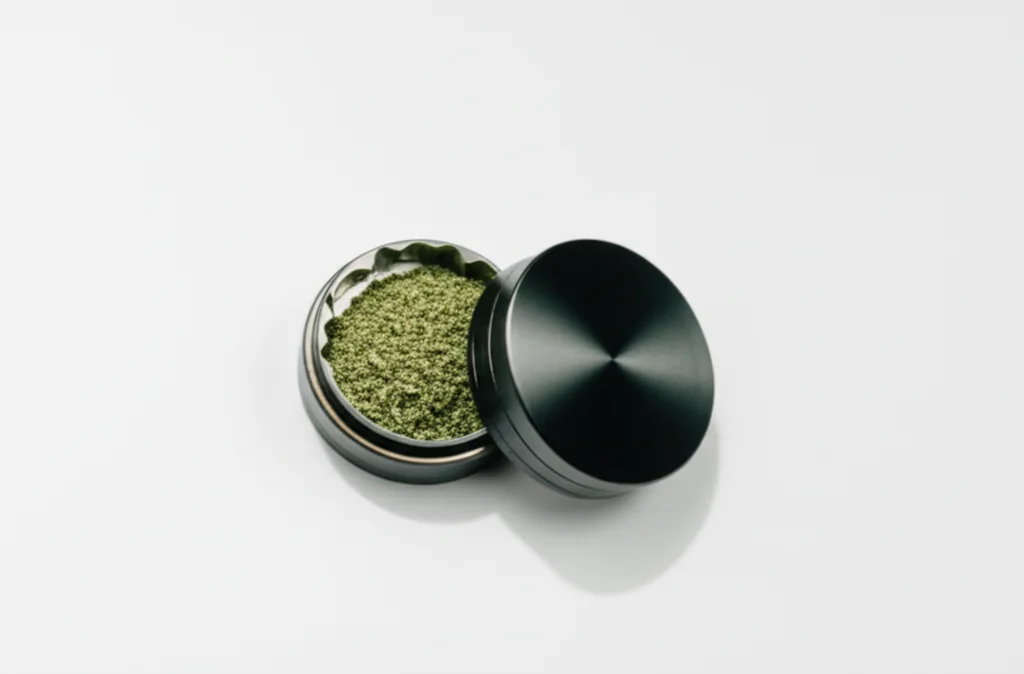
Choosing a cannabis grinder starts with material selection. Metal, acrylic, and wood grinders each have distinct advantages and drawbacks. Whether you're considering a custom aluminum grinder or wood organic grinders from MunchMakers, this guide compares all three materials to help you find the perfect grinder for your needs and budget.
Quick Answer
Metal grinders (aluminum/titanium) are best for durability, sharp teeth, and long-term value ($20-60, lasts 5-10+ years). Acrylic grinders are cheapest ($5-15, lasts 1-2 years) but teeth dull quickly. Wood grinders look beautiful ($20-40, lasts 2-4 years) but require maintenance and can absorb odors. For most users, metal is the clear winner.
Material Comparison Overview
Metal Grinders: The Gold Standard
Types of Metal Grinders
Aluminum (Most Common):
- CNC-machined for precision
- Aircraft-grade aluminum popular
- Anodized coating prevents oxidation
- Price: $15-40
Titanium:
- Strongest grinder material
- Won't scratch or dent
- Premium price point
- Price: $40-80+
Zinc Alloy:
- Heavy and sturdy
- Budget metal option
- Can chip over time
- Price: $10-25
For understanding material safety in cannabis accessories, Americans for Safe Access provides helpful consumer guidance.
Metal Grinder Advantages
1. Superior Tooth Sharpness
- Diamond-shaped teeth stay sharp for years
- Consistent grind every time
- Can handle sticky cannabis
2. Extreme Durability
- Won't crack or break from drops
- Teeth don't wear down quickly
- Can last 10+ years with care
3. Kief Collection
- 4-piece designs have kief catchers
- Collect trichomes over time
- Build potent kief stash
4. Easy Maintenance
- Won't absorb odors
- Quick alcohol cleaning
- Dishwasher-safe (most)
5. Precision Manufacturing
- Tight tolerances for even grind
- Smooth rotation
- Magnetic lids common
Metal Grinder Drawbacks
- Heavier (less portable)
- More expensive upfront
- Can get cold in winter
- Some cheap versions have metal shavings (buy quality!)
Best Metal Grinder Brands
Premium ($40-80):
- Santa Cruz Shredder
- Space Case
- Brilliant Cut
Mid-Range ($25-40):
- Cali Crusher
- Kozo Grinders
- Golden Gate Grinders
Budget ($15-25):
- Chromium Crusher
- MunchMakers Custom Grinders
Acrylic Grinders: Budget Option
What Are Acrylic Grinders?
Acrylic grinders are made from plastic polymers. They're the most affordable option and often come free with purchases or in starter kits.
Acrylic Grinder Advantages
1. Very Affordable
- $5-15 price range
- Great for testing if you need a grinder
- Low-risk purchase
2. Lightweight
- Easy to carry
- Won't weigh down pockets
- Good for travel
3. See-Through Options
- Clear acrylic available
- Can see grind progress
- Visual appeal for some
4. Easy Cleaning
- No absorption
- Simple soap and water
- Won't stain (clear ones aside)
Acrylic Grinder Drawbacks
1. Dull Teeth
- Teeth wear down quickly
- Inconsistent grind quality
- Struggle with sticky cannabis
2. Short Lifespan
- Teeth break off
- Cracks from drops
- Replace yearly or more
3. Plastic Contamination Risk
- Cheap ones may shed plastic
- Teeth can break into cannabis
- Health concern for some
4. No Kief Collection
- Rarely have 4-piece option
- Miss out on trichome collection
- Less value over time
5. Grinding Effort
- Requires more turning
- Teeth don't grip well
- Can be frustrating
Who Should Buy Acrylic?
- First-time users testing if they need a grinder
- People who frequently lose things
- Emergency backup grinder
- Budget-conscious occasional users
- People who prefer breaking by hand but want backup
Wood Grinders: The Artisan Choice
Types of Wood Grinders
Common Woods:
- Rosewood (most common)
- Walnut
- Mahogany
- Bamboo
- Exotic hardwoods
Construction:
- Solid wood body
- Metal pins or wooden pegs as teeth
- Usually 2-piece design
Wood Grinder Advantages
1. Beautiful Aesthetics
- Natural grain patterns
- Artisan craftsmanship
- Conversation pieces
- Unique - no two identical
2. Pleasant Feel
- Warm in hand
- Comfortable grip
- Natural texture
3. Good Grind Quality
- Metal pin teeth work well
- Even grind (quality versions)
- Decent durability
4. Eco-Friendly
- Natural material
- Biodegradable
- Renewable resource
Wood Grinder Drawbacks
1. Maintenance Required
- Absorbs moisture
- Can absorb cannabis odors
- Needs occasional oiling
2. Cleaning Difficulty
- Can't soak in alcohol
- Water damages wood
- Resin builds up in grain
3. No Kief Collection
- Almost never 4-piece
- Lose trichomes to grinding
- No bonus kief
4. Durability Issues
- Can crack with temperature changes
- Moisture damage risk
- Teeth can loosen
5. Inconsistent Quality
- Varies greatly by manufacturer
- Some have poorly aligned teeth
- Quality inspection important
Who Should Buy Wood?
- Aesthetic-focused users
- Occasional/light users
- Collectors and display
- Those avoiding metal contact
- Gift purchases (beautiful presentation)
Head-to-Head: Grind Quality
Best Grind: Metal
- Sharpest teeth
- Most consistent
- Handles all cannabis types
Second Place: Wood (quality versions)
- Metal pins grind well
- Good for dry cannabis
- Less consistent than metal
Third Place: Acrylic
- Dull teeth struggle
- Inconsistent grind
- Worst for sticky strains
Head-to-Head: Long-Term Value
Cost per Year Analysis:
Metal ($40 grinder ÷ 10 years): $4/year
Acrylic ($10 grinder ÷ 1.5 years): $6.67/year
Wood ($30 grinder ÷ 3 years): $10/year
Winner: Metal - Despite higher upfront cost, best long-term value
Head-to-Head: Portability
Most Portable: Acrylic
- Lightest weight
- Less concerning if lost
- Can go anywhere
Second Place: Wood
- Light-medium weight
- More valuable (more careful)
- Temperature concerns
Third Place: Metal
- Heaviest
- Most durable for travel though
- Cold in winter climates
Which Material Should You Choose?
Choose Metal If:
- You grind daily or regularly
- You want it to last years
- You care about grind consistency
- You want kief collection
- You value easy cleaning
- Long-term value matters
Choose Acrylic If:
- Budget is very limited
- You're testing whether you need a grinder
- You frequently lose things
- You need backup/travel grinder
- You grind very occasionally
Choose Wood If:
- Aesthetics are top priority
- You grind occasionally
- You enjoy artisan products
- You want natural materials
- It's for display/collection
MunchMakers Grinder Selection
Looking for quality grinders at fair prices? MunchMakers offers custom grinders perfect for personal use or brand customization:
Why Choose MunchMakers:
- Premium metal construction
- Custom printing options
- Wholesale pricing available
- Quality guaranteed
Whether you need personal grinders or custom branded grinders for your dispensary, MunchMakers has options for every need.
Cleaning Comparison
Metal: Isopropyl alcohol soak + brush = like new
Acrylic: Soap and water, avoid alcohol (can crack)
Wood: Dry brush only, oil occasionally, never soak
Final Recommendation
For 90% of users: Get a metal grinder. The superior durability, grind quality, and long-term value make it the obvious choice. Spend $25-40 on a quality aluminum grinder and you're set for years.
Exception 1: If you're extremely budget-limited, acrylic works temporarily until you can upgrade.
Exception 2: If aesthetics and craftsmanship matter more than function, a quality wood grinder can be beautiful.
This guide is for educational purposes. Cannabis laws vary by jurisdiction.
Frequently Asked Questions
Metal grinders are more durable, have sharper teeth, and last longer but cost $20-60. Acrylic grinders are cheaper ($5-15) and work fine for occasional use but wear out faster and have duller teeth.
Wood grinders look beautiful and grind cannabis well, but require more maintenance (can absorb moisture/odors), are harder to clean, and cost $20-40. Best for display/occasional use, not daily grinding.
Metal (aluminum or titanium) grinders last longest - 5-10+ years with proper care. Acrylic lasts 1-2 years. Wood lasts 2-4 years if maintained properly.
Related Guides

2-Piece vs 4-Piece Grinders: Complete Comparison Guide 2026
Compare 2-piece, 3-piece, and 4-piece cannabis grinders. Learn differences in kief collection, price, portability, and which grinder type is best for your needs.

Best Budget Grinders Under $20: Complete Buying Guide
Find the best budget grinders under $20 that actually work. Chromium Crusher, Golden Gate, and more - quality grinding without breaking the bank.
Best Grinder Consistency for Vaporizers: Fine vs Coarse
Comprehensive guide about best grinder consistency for vaporizers: fine vs coarse. Learn everything you need to know with expert tips and detailed instructions.