
How to Smoke Weed: A Beginner's Guide to Methods, Dosing, and Etiquette

Sarah Green
Cannabis Educator
How to Smoke Weed: A Beginner's Guide to Methods, Dosing, and Etiquette
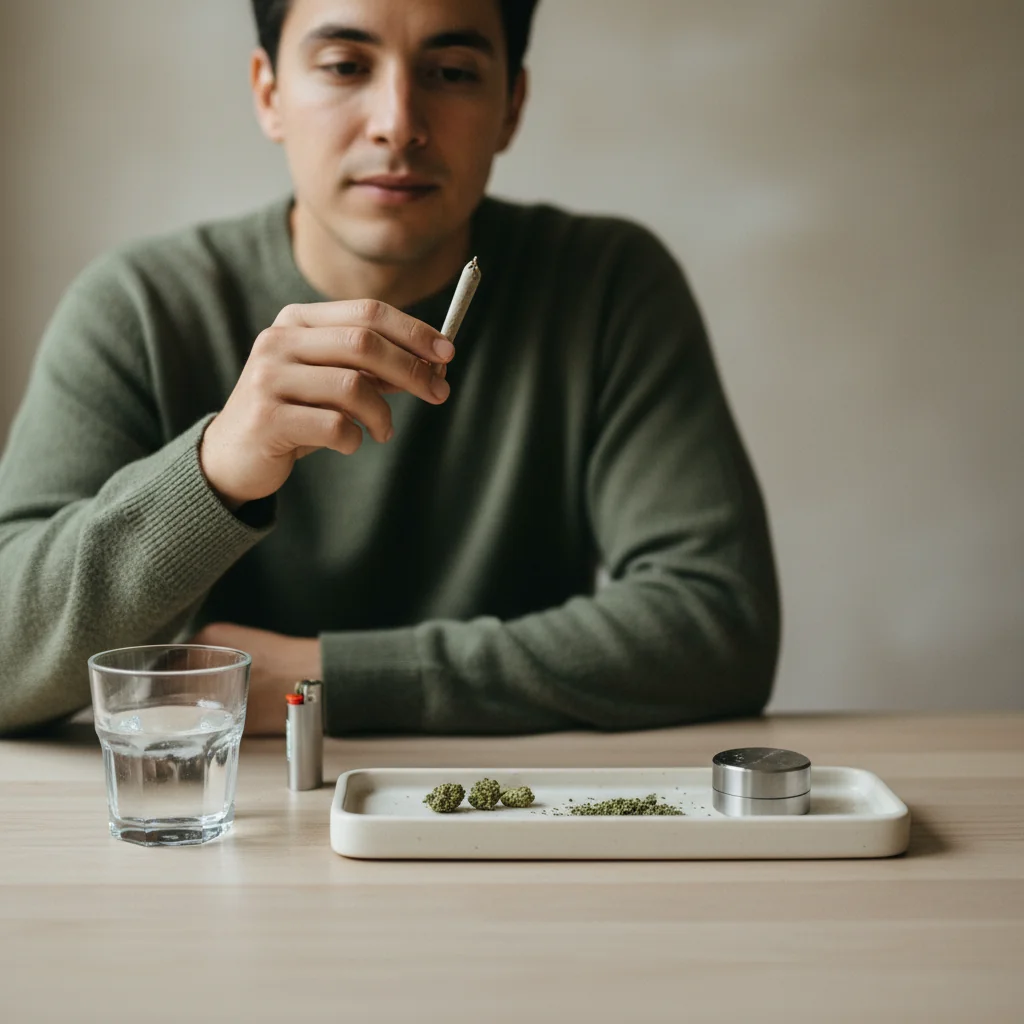
If you're new to cannabis, the basic question — how do you actually smoke it — has more answers than most beginners expect. There are a half-dozen different methods, each with a different effect onset, intensity curve, and learning curve. Picking the right starting method matters because a mistake here is what turns "I tried weed" into "I tried weed and didn't enjoy it."
This guide walks through the smoking methods that work best for beginners, how much to start with, and what to expect during your first session.
Quick Answer
The easiest way to smoke weed for the first time is to use a small pre-rolled joint or a glass pipe with a tiny pinch of ground flower. Take one slow inhale, hold for 2-3 seconds, and exhale. Wait 10-15 minutes before deciding whether to take a second hit. Most beginners feel the effects within 5-10 minutes when smoking, and the high lasts 1-3 hours. Start small — you can always smoke more, but you can't undo too much.
Table of Contents
- The Beginner-Friendly Smoking Methods
- How Much to Smoke Your First Time
- How to Inhale Properly
- What to Expect: Onset, Peak, and Comedown
- Common Mistakes
- Tips for a Good First Session
- Frequently Asked Questions
- Conclusion
The Beginner-Friendly Smoking Methods
Five methods cover the vast majority of how people smoke cannabis. Each has a different difficulty curve.
Pre-rolled joints are the simplest entry point because they require zero preparation. A budtender hands you a finished product, you light the tip, you inhale through the mouthpiece. The downside is you commit to whatever amount is in the joint, and most pre-rolls contain 0.5 to 1 gram — far more than a beginner needs in one session.
Glass pipes (also called bowls or spoons) let you control your dose. You pack a tiny pinch of ground flower into the bowl, light it while inhaling, and stop when you've had enough. A single small bowl can be 1-3 hits, which is ideal for new smokers. Pipes are cheap, portable, and the most forgiving method for learning.
Bongs and water pipes filter smoke through water before you inhale, making the smoke smoother and cooler. The tradeoff is bongs deliver bigger hits than a pipe — a single bong rip from a tolerance-free smoker can be too much. If you start with a bong, take the smallest possible pull.
Vaporizers heat cannabis to a temperature that releases active compounds without combustion. The vapor is smoother than smoke and easier on the lungs. Dry herb vaporizers and concentrate vape pens are both options, though concentrate pens are far more potent and not beginner-friendly.
Edibles aren't smoking, but they come up because new smokers often consider them as an alternative. Edibles take 30-90 minutes to kick in and last 4-8 hours, which makes overconsumption a serious risk. For first-time use, smoking is more controllable than edibles because you feel the effects within minutes.
How Much to Smoke Your First Time
Cannabis dosing for beginners centers on one principle: you can always smoke more, but you can't smoke less.
A single small inhale from a pipe or one drag of a joint is enough to gauge how cannabis affects you. Modern flower commonly tests at 18-25% THC, and concentrates can exceed 70%, which means even a small amount delivers more THC than the illegal-market cannabis from previous decades.
For your first session, aim for the equivalent of one to two small hits, then wait. The mistake beginners make is taking three or four hits in quick succession because they don't feel anything immediately, then having the full effect arrive at once and feeling overwhelmed.
If you're using a pre-rolled joint, smoke one-third or less and put it out (a glass ashtray is fine for a half-smoked joint). If you're using a pipe, pack a small pinch — about the size of a pencil eraser — and only inhale once or twice from the bowl.
Avoid concentrates, dabs, and high-potency vape pens entirely on a first session. Those products are designed for experienced users with developed tolerance, and the effect onset is much faster and more intense than flower.
How to Inhale Properly
The inhalation technique matters more than most beginners realize because incorrect inhaling either delivers no effect or delivers too much smoke at once.
The correct sequence is: draw the smoke into your mouth, briefly pause, then inhale into your lungs. You're not pulling the smoke directly into your lungs in one motion — that's how people end up coughing for two minutes. Pulling first into the mouth lets you control the volume of smoke before it reaches your lungs.
Once the smoke is in your lungs, hold it for 2 to 3 seconds. There's a myth that holding for longer increases the effect — research shows that the lungs absorb most of the active compounds within the first second, so holding for 30 seconds doesn't get you higher, it just deprives you of oxygen and increases coughing.
Exhale slowly. If you cough, that's normal for a first-time smoker, and it doesn't mean you did anything wrong. Coughing is your throat reacting to the heat and smoke, not a sign of bad technique.
Take small, controlled inhales rather than big chest-filling pulls. A pull half the size of a normal breath delivers plenty of THC while reducing the harshness on your throat.
What to Expect: Onset, Peak, and Comedown
Smoking delivers cannabis effects faster than any other method, and understanding the timeline helps you avoid overdoing it.
Onset (5-10 minutes): within the first ten minutes after inhaling, you'll start to feel a shift. For most people this is a relaxed body sensation, slightly heightened senses, mild euphoria, and sometimes increased appetite. If you're prone to anxiety, you might also notice your heart rate slightly increase — this is normal and not dangerous, though it can be uncomfortable.
Peak (30-60 minutes): the strongest effects hit around 30 to 60 minutes after smoking. For new smokers, this is when the high feels most intense — colors and music can seem more vivid, time may feel slower, and conversations can feel deeper. Some people feel sleepy at the peak, others feel energetic, depending on the strain.
Comedown (1-3 hours): the high gradually fades over 1 to 3 hours. You may feel hungry, sleepy, or simply mellow. There's no chemical "crash" the way caffeine has — the comedown from a smoking session is gradual.
Aftereffects (next morning): for first-time smokers, there's usually no hangover. Some people report feeling slightly groggy or having dry mouth and eyes the next morning, especially after heavier sessions.
Common Mistakes
Most first-time smoking experiences that go badly trace back to three or four predictable mistakes.
Smoking too much because nothing happened in the first 5 minutes. Cannabis effects ramp up over 10-15 minutes, not instantly. Patience prevents overconsumption.
Mixing alcohol with cannabis. Drinking before or during a first cannabis session amplifies side effects like dizziness, nausea, and the "spinning" feeling. Skip alcohol on your first session entirely.
Smoking on an empty stomach. Low blood sugar plus cannabis can lead to lightheadedness or a feeling of being too high. Eat a real meal an hour or two before your first session.
Trying concentrates first. Dabs and high-potency vape pens deliver 4-10x the THC of a flower hit. They're not beginner products. Stick to flower for your first several sessions.
Smoking alone in an unfamiliar setting. Your environment shapes the experience. A first session is much better with a trusted friend in a comfortable place than alone in a stressful or unfamiliar one.
Tips for a Good First Session
The setup matters as much as the cannabis itself when you're learning what works for you.
Have water and snacks ready. Dry mouth is a common side effect, and food (especially something sweet) is one of the most reliable ways to handle anxiety if it shows up.
Pick a low-stakes time. Don't smoke right before something you need to be sharp for. A weekend evening with no obligations the next morning is the standard recommendation.
Use a strain in the 15-20% THC range. High-THC strains (25%+) and concentrates are too potent for first sessions. Ask a budtender for something balanced or low-THC, or look for a CBD-rich hybrid strain.
Have a friend who's experienced. Someone who's smoked before can read your reactions, pace your hits, and reassure you if you start feeling anxious.
Learn to recognize "too high." If you feel anxious, paranoid, or physically unwell, the symptoms pass on their own within an hour or two. Drinking water, eating something with fat or sugar, sniffing black peppercorns, and lying down in a quiet room all help.
Frequently Asked Questions
What's the safest way for a beginner to smoke weed?
A small pinch of low-to-mid-THC flower in a glass pipe, taking one or two slow inhales and waiting 15 minutes before deciding on more. This gives you the most control over your dose.
How long does it take to feel high after smoking weed?
Most people feel effects within 5-10 minutes of inhaling, with the peak around 30-60 minutes. Smoking is the fastest cannabis delivery method, which is exactly why it's recommended over edibles for beginners.
How long does a weed high last from smoking?
A typical smoking high lasts 1 to 3 hours. The strongest effects fade after the first hour, and the residual mellow feeling can last a couple hours longer. By comparison, edibles last 4 to 8 hours.
Can you smoke too much weed?
You can absolutely smoke more than is comfortable, and this is the most common reason beginners have a bad first experience. While cannabis isn't toxic in the way alcohol or opioids are, taking too much can cause anxiety, paranoia, and physical discomfort for several hours. Start small.
Does smoking weed make you cough?
It's very common for new smokers to cough, especially with stronger strains or larger hits. Coughing is your throat reacting to the heat and smoke, not a sign you're doing something wrong. Taking smaller inhales and using a water pipe or vaporizer reduces the harshness.
Conclusion
Smoking weed for the first time is mostly about pacing and method choice. A small pinch of flower in a glass pipe, one or two slow inhales, and a 15-minute wait is the most reliable way to gauge how cannabis affects you without overdoing it. Avoid concentrates, alcohol, and unfamiliar environments on a first session. The effects come on within 5-10 minutes, peak around an hour, and fade over 1-3 hours. Most beginners who follow these basics have a good first experience and learn what dose and method work for them by their second or third session.
Frequently Asked Questions
A small pinch of low-to-mid-THC flower in a glass pipe, taking one or two slow inhales and waiting 15 minutes before deciding on more. This gives you the most control over your dose.
Most people feel effects within 5-10 minutes of inhaling, with the peak around 30-60 minutes. Smoking is the fastest cannabis delivery method, which is why it's recommended over edibles for beginners.
A typical smoking high lasts 1 to 3 hours. The strongest effects fade after the first hour, and the residual mellow feeling can last a couple hours longer. By comparison, edibles last 4 to 8 hours.
Yes — this is the most common reason beginners have a bad first experience. Cannabis isn't toxic in the way alcohol or opioids are, but taking too much can cause anxiety, paranoia, and physical discomfort for several hours.
It's very common for new smokers to cough, especially with stronger strains or larger hits. Coughing is your throat reacting to heat and smoke, not a sign you're doing it wrong. Smaller inhales and water pipes reduce harshness.
Related Guides

Common Beginner Mistakes to Avoid When Using Cannabis
Learn the most common mistakes first-time and new cannabis users make, why they happen, and how to avoid them for a better experience.
Best Snacks to Enjoy When High: Ultimate Munchies Guide
Comprehensive guide about best snacks to enjoy when high: ultimate munchies guide. Learn everything you need to know with expert tips and detailed instructions.
Best Time of Day to Smoke Cannabis: Morning vs Evening Effects
Comprehensive guide about best time of day to smoke cannabis: morning vs evening effects. Learn everything you need to know with expert tips and detailed instructions.