
How to Make Cannabutter With Shake: A Complete Guide
How to Make [Cannabutter](/guide/how-to-make-cannabutter) With Shake: A Complete Guide
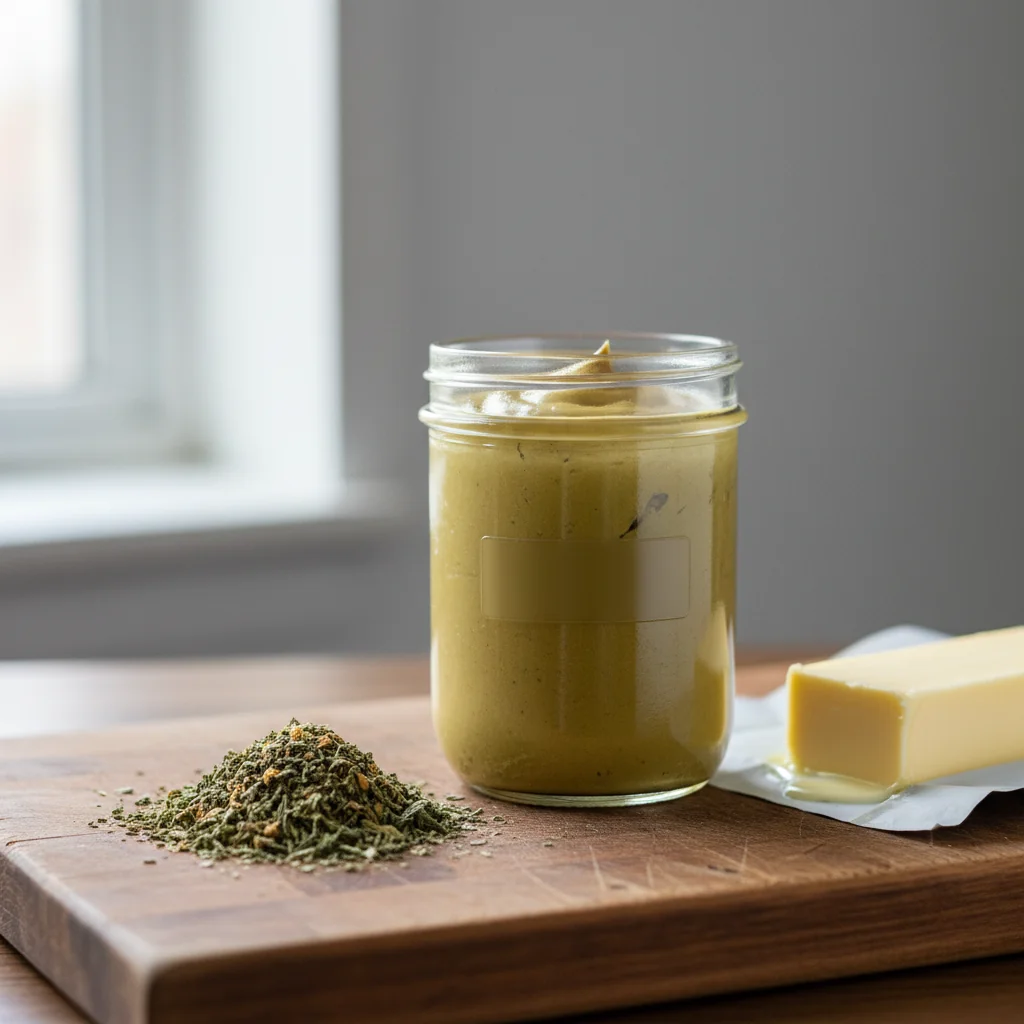
Cannabutter is the foundation of most homemade edibles, and shake — the broken-up small leaf material that collects at the bottom of cannabis jars — is the most cost-effective material to make it with. Using shake instead of full nugs cuts the cost of cannabutter dramatically without sacrificing potency, because the active compounds are present throughout the plant material. This guide walks through the full process: decarbing your shake, infusing it into butter, straining the result, and storing it correctly.
Quick Answer
To make cannabutter with shake, decarboxylate 7-14 grams of shake at 240°F (115°C) for 30-40 minutes, then simmer it in 1 cup of melted butter at 160-200°F for 2-3 hours, stirring occasionally. Strain the mixture through cheesecloth into a glass container, refrigerate, and use as a 1:1 substitute for regular butter in any recipe. Shake works just as well as full nugs because THC is concentrated throughout the plant material, not just in the buds.
Table of Contents
- What You'll Need
- Step 1: Decarboxylate the Shake
- Step 2: Simmer the Shake in Butter
- Step 3: Strain and Store
- Dosing Cannabutter Made From Shake
- Common Mistakes
- Tips for Better Cannabutter
- Frequently Asked Questions
- Conclusion
What You'll Need
Cannabutter from shake is made with basic kitchen tools and pantry items.
Cannabis shake: 7-14 grams (a quarter to a half ounce). Shake is the broken-up bud and small leaf that collects at the bottom of cannabis jars or bags. It's typically sold at a discount versus full nugs because it's less photogenic, but the THC content is comparable.
Unsalted butter: 1 cup (2 sticks, 226g). Use unsalted butter so you can control salt levels in whatever recipe you cook with the cannabutter later. High-fat butter (European-style butter at 82%+ fat) extracts THC slightly more efficiently than standard American butter (80% fat).
Water: 1 cup. Adding water to the simmer prevents the butter from scorching and helps regulate temperature.
Tools: a baking sheet, parchment paper, a medium saucepan, a fine-mesh strainer, cheesecloth or a coffee filter, a candy thermometer (optional but recommended), a glass storage jar with a lid.
Optional: a sous vide setup or slow cooker for more consistent temperature control. These produce slightly stronger cannabutter because they hold the simmer at exactly the right temperature for the full duration without scorching.
Step 1: Decarboxylate the Shake
Decarboxylation (decarb) is the heat process that converts THCA — the inactive compound found in raw cannabis — into THC, the active compound that produces effects.
Without decarbing first, cannabis added to butter doesn't activate properly. You'd end up with mildly potent butter at best, or completely inactive butter at worst. Skipping this step is the most common reason home cannabutter "doesn't work."
To decarb shake:
1. Preheat the oven to 240°F (115°C). Use an oven thermometer if you have one — many home ovens run 15-25°F off from the dial setting.
2. Spread 7-14 grams of shake evenly across a parchment-lined baking sheet. Break apart any larger pieces with your fingers so the heat distributes evenly.
3. Bake for 30-40 minutes. The shake will turn from green to a slightly toasted brown-green as the THCA converts. The aroma will get strong — this is normal.
4. Remove from oven and let cool to room temperature on the sheet. The shake should be dry, slightly crumbly, and a tan-green color.
If your shake is already dry and old (more than 6-12 months), reduce the decarb time to 20-25 minutes — older flower has already partially decarbed at room temperature, and over-decarbing degrades THC into less psychoactive compounds.
You can also decarb at lower temperatures (210°F for 90 minutes) for a slower, more controlled conversion. Lower-temperature decarb preserves slightly more terpenes, which produces more flavorful cannabutter.
Step 2: Simmer the Shake in Butter
The simmer is where THC dissolves from the plant material into the butter's fat content.
To make the infusion:
1. In a medium saucepan, combine 1 cup of butter and 1 cup of water. The water keeps the butter from scorching and helps regulate the temperature.
2. Place over low heat. Stir occasionally as the butter melts and combines with the water. Do not boil — keep the heat low.
3. Once the butter is fully melted, add the decarbed shake to the pot. Stir to coat all the plant material with the butter-water mixture.
4. Maintain a gentle simmer at 160-200°F (71-93°C) for 2-3 hours. Use a candy thermometer if you have one. The mixture should produce small bubbles around the edges but not boil. Stir every 20-30 minutes.
5. Watch the color change. The butter should turn a yellowish-green color as the chlorophyll and cannabinoids leach out of the shake. By the end of the simmer, the mixture will look like an oily green liquid with the plant material suspended in it.
The simmer time matters. Less than 2 hours and you don't fully extract the THC. More than 4 hours and you start to degrade THC into CBN (which produces a sleepier, less psychoactive effect — useful in some cases, but not what most people want from cannabutter).
Why low heat matters: THC begins to vaporize and degrade above 392°F (200°C). Keeping the simmer well below that temperature preserves the cannabinoids during extraction.
Step 3: Strain and Store
The straining step separates the now-infused butter from the spent plant material.
To strain:
1. Set up a fine-mesh strainer over a large heat-safe glass measuring cup or bowl. Line the strainer with cheesecloth (2-3 layers) or a coffee filter.
2. Carefully pour the hot butter-water-shake mixture through the strainer. Use a spatula or spoon to press the plant material against the cheesecloth, squeezing out as much butter as possible. Wear gloves — the plant material is hot.
3. Discard the spent shake (or compost it). Most of the THC has now been transferred to the butter.
4. Pour the strained mixture into a glass jar. Cover and refrigerate for 4-6 hours, or until the butter solidifies on top of the water.
5. Once solid, the butter forms a single yellow-green layer floating on the water below. Use a knife to lift the butter out, scraping any stuck water off the bottom.
6. Place the cleaned cannabutter in a fresh glass jar with a tight-fitting lid. Store in the refrigerator for up to 2 months, or freeze for up to 6 months.
Yield: 1 cup of butter + 7-14g of shake yields roughly 1 cup of cannabutter (some butter is absorbed by the plant material and lost in the strain). Plan recipes around this final yield.
Dosing Cannabutter Made From Shake
Estimating the THC content of homemade cannabutter is approximate, but you can come close to a reliable per-tablespoon dose.
Basic math for shake: - Shake typically contains 10-18% THC (lower than top-shelf flower at 20-25%) - 1 gram of 15% THC shake = roughly 150mg of THC after decarbing (about 90% efficiency, so ~135mg active) - 7 grams of 15% shake = approximately 945mg of THC - Infusion efficiency into butter is approximately 60-80%, so the actual butter contains roughly 600-750mg of THC
Per-tablespoon dose (1 cup = 16 tablespoons): - 600-750mg of THC ÷ 16 tablespoons = 37-47mg of THC per tablespoon - 1 teaspoon (1/3 of a tablespoon) = roughly 12-16mg of THC - A standard 10mg edible dose = approximately 1/2 teaspoon of cannabutter
Always start with a small dose. Testing your specific batch is the only way to know how potent it is. Bake a small 100mg tester (a single small cookie made with 1/4 teaspoon of cannabutter) and try it. Wait 90 minutes. Adjust your subsequent doses based on what you felt.
For cooking from shake, recipe-scale doses are typically 1-2 tablespoons of cannabutter per batch of cookies (12 cookies = ~3-4mg per cookie if you started with 60mg of THC across 16 tablespoons).
Common Mistakes
The mistakes that ruin homemade cannabutter are mostly in the temperature control and decarb steps.
Skipping the decarb. Putting raw shake directly into hot butter doesn't decarboxylate it efficiently. You end up with weak butter at best. Always decarb in the oven first.
Cooking at too high a temperature. Once you exceed 200°F during the infusion, you start to lose THC to vaporization. The simmer should produce only small bubbles around the pot's edges, not a rolling boil.
Decarbing too long or at too high a temperature. Decarb at 240°F for 30-40 minutes is the standard. Going higher or longer converts THC into CBN (sleepier compound) and degrades potency.
Not enough water in the simmer. A 1:1 water-to-butter ratio prevents scorching. Without enough water, the butter can break down or burn, ruining the batch.
Squeezing the cheesecloth too hard. Aggressive squeezing pushes chlorophyll and bitter compounds through the strain, making the cannabutter taste more grassy. Light pressing gives cleaner-tasting butter.
Not labeling and dating the jar. Cannabutter looks similar to regular butter. Always label the container clearly and store it where children and pets cannot access it.
Tips for Better Cannabutter
A few small improvements produce noticeably better-tasting and more potent cannabutter.
Grind the shake coarsely, not finely. A coarse grind exposes more surface area for extraction without releasing too much chlorophyll. Avoid powdering the shake — that produces gritty, grassy butter.
Use a slow cooker or sous vide for consistent temperature. A slow cooker on the "low" setting holds 180-200°F naturally. A sous vide at 185°F (85°C) for 4 hours produces excellent extraction with minimal monitoring.
Add lecithin to improve absorption. A teaspoon of sunflower or soy lecithin per cup of butter improves how efficiently the body absorbs the THC, making the same dose feel slightly stronger.
Use higher-fat European butter for slightly stronger results. 82%+ fat butter holds more cannabinoids than 80% fat American butter. The difference is small but real.
Save the shake-infused water (the "weed water") for soup stock or coffee. A small amount of THC remains in the water after straining. Some users save it and use it as a low-dose addition to other recipes.
Test a small batch first. If you've never made cannabutter before, do a 3-gram test batch instead of a 14-gram production batch. You learn the technique without burning expensive material.
Frequently Asked Questions
Can you make cannabutter with just shake?
Yes — shake makes cannabutter equally as effectively as whole nugs. The active cannabinoids are distributed throughout the plant material, not concentrated in a specific part. Using shake is the most cost-effective way to make cannabutter because shake typically costs 30-50% less than full flower.
How much shake do you need for a stick of butter?
For a single stick of butter (1/2 cup, 113g), use 3.5-7 grams of shake. The exact amount depends on shake potency and how strong you want the final butter. For 1 cup of butter, double the shake to 7-14 grams.
Do you have to decarb shake before making cannabutter?
Yes. Without decarboxylation, the THCA in shake doesn't convert to active THC, and the resulting butter is significantly weaker. Bake shake at 240°F for 30-40 minutes before adding it to butter.
How long does cannabutter from shake last?
Refrigerated cannabutter lasts 1-2 months in an airtight glass jar. Frozen cannabutter lasts 4-6 months. Watch for off-smells, mold, or visible spoilage; discard if anything looks wrong.
Is cannabutter from shake as strong as cannabutter from buds?
Slightly less, on average. Shake typically tests at 10-18% THC versus 20-25% for top-shelf buds. To match the potency, use 25-50% more shake than you would buds. The taste and texture of the final cannabutter is the same.
Conclusion
Cannabutter from shake is the most cost-effective way to produce homemade cannabis edibles. The process — decarb shake at 240°F for 30-40 minutes, simmer in 1 cup of butter and 1 cup of water at 160-200°F for 2-3 hours, strain through cheesecloth, refrigerate — is the same as making cannabutter from full nugs, just with cheaper raw material. Expect a final yield of about 1 cup of butter at 600-750mg of total THC (roughly 38-47mg per tablespoon). Always test a small batch before scaling up, label storage clearly, and start with low doses when you're new to homemade edibles.
Frequently Asked Questions
Yes — shake makes cannabutter equally as effectively as whole nugs. The active cannabinoids are throughout the plant material, not just in buds. Shake typically costs 30-50% less than full flower.
For a single stick (1/2 cup, 113g), use 3.5-7 grams of shake. For 1 cup of butter, double to 7-14 grams. Exact amount depends on shake potency and desired strength.
Yes. Without decarboxylation, the THCA in shake doesn't convert to active THC, and the resulting butter is significantly weaker. Bake at 240°F for 30-40 minutes.
Refrigerated cannabutter lasts 1-2 months in an airtight glass jar. Frozen cannabutter lasts 4-6 months. Discard if you see mold or off-smells.
Slightly less. Shake typically tests at 10-18% THC versus 20-25% for top-shelf buds. To match the potency, use 25-50% more shake than you would buds.
Related Guides

Best Cannabis Brownies Recipe: Classic Pot Brownie Guide
Perfect cannabis brownies recipe with step-by-step instructions. Learn proper cannabutter ratios, baking temperatures, dosing calculations, and tips for consistent, delicious pot brownies.

Calculating THC Dosage in Edibles: The Complete Math Guide
Master the math behind cannabis edible dosing. Complete formulas for calculating THC content, extraction efficiency charts, worked examples, and a quick reference cheat sheet.

How to Make Cannabis Chocolate Truffles: Infused Confection Recipe
Elegant cannabis chocolate truffle recipe with precise dosing. No-bake ganache method using cannabis coconut oil. Coating options, flavor variations, and storage tips.