
How Long Does It Take for Weed to Clear From Urine
How Long Does It Take for Weed to Clear From Urine
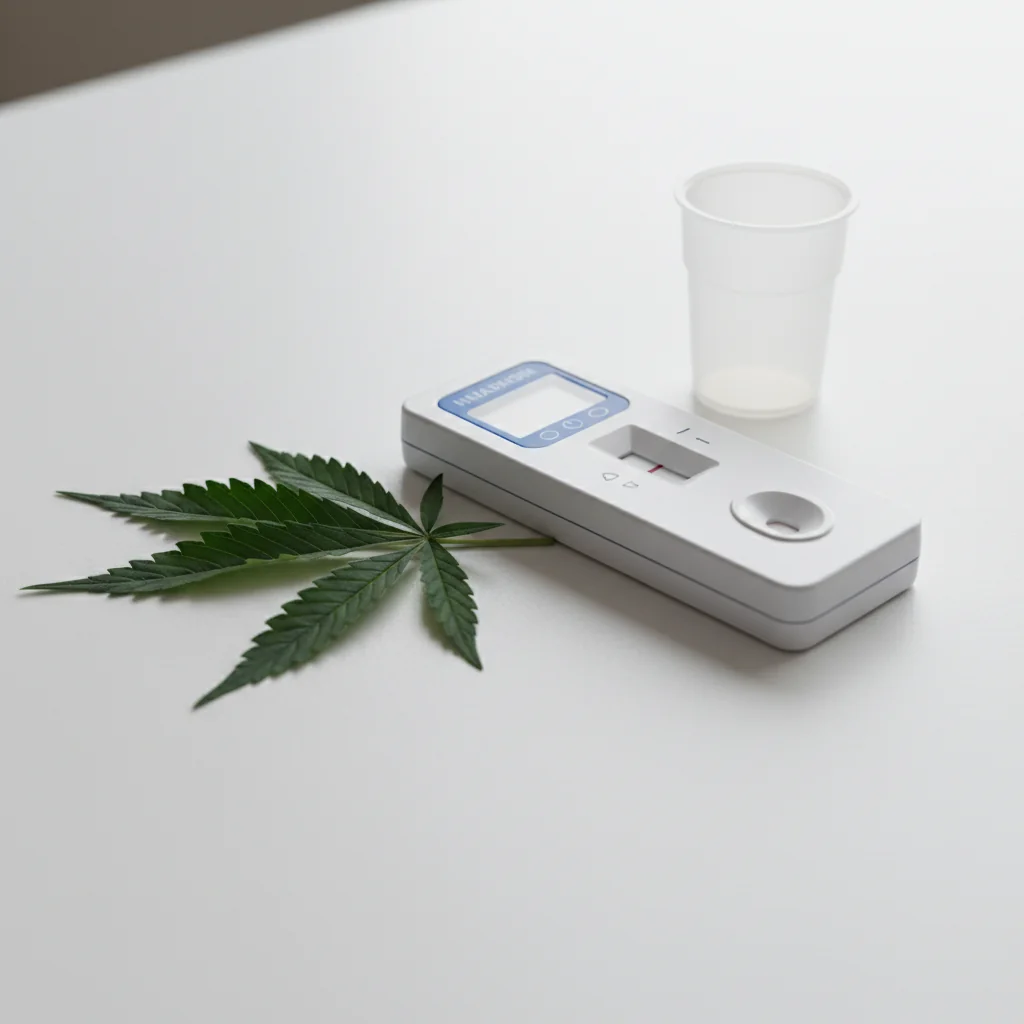
If you have an upcoming drug test, the question of how long THC stays in your urine matters more than most people realize. Cannabis metabolites — particularly THC-COOH — can linger in urine for days or even weeks after your last session, depending on how often you use, how much you consume, and your individual body chemistry. For casual users, the window is relatively short. For regular or daily users, it can stretch well beyond a month.
Understanding the science behind THC clearance helps set realistic expectations. There is no instant fix or guaranteed shortcut. What you can do is understand the variables at play and give your body the time it needs to process and excrete what's been stored.
Quick Answer
THC metabolites typically clear from urine within 3 to 4 days for one-time or occasional users. Regular users who consume several times a week may test positive for 10 to 15 days after their last use. Heavy daily users can carry detectable levels of THC-COOH in their urine for 30 days or longer — and in some cases up to 90 days.
Table of Contents
- [How THC Is Metabolized and Detected in Urine](#how-thc-is-metabolized) - [Detection Windows by Usage Frequency](#detection-windows) - [Key Factors That Influence Clearance Time](#key-factors) - [Common Mistakes](#common-mistakes) - [Tips for Managing THC Clearance](#tips) - [Frequently Asked Questions](#faq) - [Conclusion](#conclusion)How THC Is Metabolized and Detected in Urine
When you consume cannabis, THC enters your bloodstream and is rapidly processed by your liver. The liver converts THC into metabolites, the most significant of which is THC-COOH (11-nor-9-carboxy-THC). Unlike THC itself — which clears from blood within hours — THC-COOH is fat-soluble. This means it binds to fat cells throughout your body and is released gradually over time rather than excreted all at once.
Your kidneys filter THC-COOH from the bloodstream into urine on an ongoing basis. Standard urine drug tests, known as immunoassay screens, detect this metabolite at a cutoff of 50 nanograms per milliliter (ng/mL). If your urine concentration falls below that threshold, the result reads negative. Confirmatory lab tests such as GC-MS typically use a more sensitive cutoff of 15 ng/mL, which is why a second positive result on a confirmatory test can follow a borderline screen.
Because THC-COOH accumulates in fat tissue, frequent users build up a reservoir that takes far longer to deplete compared to someone who used only once. The metabolite continuously releases back into the bloodstream as fat is metabolized, then gets filtered through the kidneys and into urine. This slow, steady release is why the detection window for daily users can extend to several weeks after complete abstinence.
Detection Windows by Usage Frequency
The most reliable way to estimate your personal clearance time is to factor in how often you have been consuming cannabis. The table below reflects commonly cited detection windows for standard urine screens at the 50 ng/mL cutoff.
These ranges are estimates, not guarantees. Individual variation can shift your actual window in either direction. Someone with a fast metabolism and low body fat may clear traces faster than the table suggests, while someone with a higher body fat percentage and slower metabolism will often fall toward the longer end of the range.
Product potency also matters. Higher-THC flower, concentrates, and edibles generate more metabolites per session, which extends how long those metabolites remain detectable. A daily user consuming high-potency concentrate faces a significantly longer window than a daily user consuming low-potency flower.
Key Factors That Influence Clearance Time
Several variables determine how quickly your body eliminates THC metabolites from urine. Understanding them helps you build a more accurate picture of your own timeline.
Body fat percentage: THC-COOH is fat-soluble and is stored in adipose tissue throughout the body. The more body fat you carry, the larger the stored reservoir, and the longer it takes to fully eliminate. Two people with identical usage patterns can have clearance windows that differ by weeks based on body composition alone.
Metabolism rate: A faster metabolism generally means your body processes and excretes metabolites more efficiently. Age, fitness level, thyroid function, and genetics all influence metabolic rate. Younger, more physically active individuals tend to clear faster.
Hydration levels: Staying well-hydrated keeps your kidneys working efficiently. It also affects the concentration of metabolites present in any single urine sample. Note that hydration influences concentration, not total elimination speed — your body excretes the same total amount of THC-COOH either way.
Exercise habits: Physical activity promotes fat metabolism, which releases stored THC-COOH back into circulation for eventual excretion. Regular moderate exercise generally supports a faster clearance window over time, though intense aerobic exercise close to a test date can temporarily spike urine metabolite concentrations as fat breaks down quickly.
Consumption method: Edibles are processed through the digestive system and produce higher concentrations of certain metabolites before conversion to THC-COOH. Some research suggests edibles may extend detection windows slightly compared to inhaled cannabis at equivalent doses.
Common Mistakes
People preparing for a urine drug test often make errors that leave them with inaccurate assumptions or, worse, a failed or invalid result.
Assuming one-time use clears quickly for everyone. Even a single use can remain detectable for up to a week in some individuals, particularly those with slower metabolisms or higher body fat. Do not assume 72 hours is universally sufficient.
Relying on detox drinks as a guaranteed solution. Most commercial detox products work by temporarily diluting your urine, not by actually removing THC-COOH from fat stores. Labs measure creatinine and specific gravity to flag dilute samples. An invalid or diluted specimen can be treated the same as a failed test in many employment and legal contexts.
Over-exercising right before a test. Intense aerobic exercise in the 24 to 48 hours before a test mobilizes fat stores, which temporarily releases a burst of stored THC-COOH into circulation. Your urine metabolite concentration can actually increase during this window. Taper activity in the days immediately before testing.
Assuming two weeks of abstinence is always enough. For heavy daily users, two weeks is often insufficient. Detection windows of 30 to 45 days are well-documented, and some confirmed cases extend to 90 days in individuals with very high body fat or extremely heavy usage histories.
Skipping at-home verification. Guessing based on a calculator or general timeline chart introduces unnecessary uncertainty. A reputable at-home urine test strip with a stated 50 ng/mL threshold gives you real data and eliminates guesswork before any formal screening.
Tips for Managing THC Clearance
While no method can force your body to eliminate THC metabolites faster than your biology allows, these steps support the natural clearance process.
Stop consuming cannabis as early as possible. The single most effective action is maximizing the time between your last session and any upcoming test. Every additional use adds new metabolites and extends your window.
Maintain consistent hydration throughout the day. Sip water regularly rather than flooding your system in the hours before a test. Consistent hydration supports kidney function and keeps your urine at a healthy concentration without triggering dilution flags.
Keep physical activity moderate and consistent. Regular walking, light cycling, or casual exercise keeps your metabolism active and supports fat breakdown over time without mobilizing fat stores so aggressively that it spikes urine concentrations. Scale back intense cardio in the 48 hours before testing.
Eat a balanced, fiber-rich diet. A portion of THC metabolites are excreted through the digestive system in feces, not just urine. A high-fiber diet supports digestive regularity, which can contribute to a modest improvement in overall clearance.
Test yourself at home before your official test. Buy reputable urine test strips from a pharmacy — look for 50 ng/mL cutoff strips — and test yourself several days before any scheduled screening. Test in the morning when urine is most concentrated for a conservative read. If you are negative in the morning, you will almost certainly be negative on a more dilute sample later in the day.
Avoid last-minute "cleanse" products. The risk of producing an invalid sample, combined with the lack of evidence that these products genuinely accelerate metabolite elimination, makes them a poor bet.
Frequently Asked Questions
How long does weed stay in urine for occasional users?
For someone who uses cannabis once or twice a week, THC metabolites typically clear from urine within 5 to 7 days after the last session. A true one-time user may test negative in as few as 3 days, though metabolism, body fat, and product potency all influence the exact window. Using a home test strip in the days beforehand is the only reliable way to confirm your status before a formal screen.
What factors affect how quickly weed clears from urine?
The primary factors are usage frequency and total amount consumed, body fat percentage, metabolism rate, and the potency of the cannabis used. Secondary factors include hydration, age, fitness level, and kidney function. No single variable is fully predictive — your personal clearance window reflects all of these factors working together, which is why identical usage patterns can produce very different outcomes in different people.
Does drinking water speed up weed clearance from urine?
Drinking water does not accelerate the actual breakdown or excretion of THC-COOH stored in fat tissue. Your body processes and eliminates metabolites at a rate governed by biology, not water intake. That said, staying consistently hydrated supports normal kidney function and lowers the concentration of metabolites in any given urine sample, which can push ng/mL readings lower. Flooding your system with large amounts of water immediately before a test to dilute your sample risks producing an invalid result, since labs test for abnormally low creatinine levels.
How long after stopping use will a urine test for weed come back negative?
For occasional users, a negative result typically appears 3 to 7 days after stopping. Moderate users can expect 10 to 15 days. Daily or heavy users should plan on at least 30 days, and some individuals continue to test positive for 45 to 90 days after complete abstinence. The variation is significant enough that general timelines are starting points, not reliable predictions. Testing yourself with a home kit 3 to 5 days before any formal test gives you actual information rather than an estimate.
Does body fat percentage affect how long THC stays in urine?
Yes, and significantly. Since THC-COOH is fat-soluble, it is stored in adipose tissue and released gradually as those fat cells are metabolized. People with higher body fat carry a larger reservoir of stored metabolites, which are released slowly and continuously. This can extend a person's detection window by weeks compared to a leaner individual with the same usage history. One additional consideration: actively losing weight during a clearance period can release stored metabolites back into the bloodstream, temporarily raising urine concentrations before they eventually drop.
Conclusion
THC clearance from urine is not a fixed number — it is a range that depends on who you are and how you have been using cannabis. Occasional users may clear within three to five days. Heavy daily users often carry detectable metabolites for a month or longer, with outliers extending to 90 days. Usage frequency, body composition, metabolism, and product potency all shape the outcome. The most effective steps are straightforward: stop consuming as early as possible, support your body with consistent hydration and moderate activity, and verify your status with a home test before any formal screening. Treating the timeline as a range and testing yourself directly gives you far more reliable information than any detox product or rough estimate ever will.
Frequently Asked Questions
For occasional users, THC metabolites are typically detectable in urine for roughly 3 to 4 days after use, though individual factors like metabolism and hydration can shift this window.
Key factors include frequency of use, cannabis potency, individual metabolic rate, body fat percentage, and hydration. Daily or heavy users generally have longer clearance windows than casual consumers.
Staying well-hydrated supports normal metabolic function, but no proven method dramatically accelerates THC clearance. Consistent hydration is simply a healthy baseline habit.
Timelines vary considerably. Infrequent users may test negative within a few days, while regular or heavy users can remain detectable for several weeks after their last session.
Yes. THC metabolites are fat-soluble, so individuals with higher body fat percentages may store and release them more slowly, potentially extending how long they remain detectable in urine.
Related Guides
Best Cannabis Strains for Anxiety: Complete Guide
Find the best cannabis strains for anxiety relief. Guide to CBD strains, low-THC options, calming terpenes, dosing tips, and our top 10 strain recommendations.
Best Cannabis Strains for Creativity: Unlock Your Creative Flow
Discover the best cannabis strains for creativity. Learn which sativa and hybrid strains boost creative thinking, artistic flow, and how to use cannabis for creative projects.
Best Cannabis Strains for Focus and Productivity
Discover the best cannabis strains for focus and productivity. Learn which sativas and terpenes enhance concentration, optimal dosing, and how to use cannabis for productive work.