
How Long Does It Take for Weed to Be Cleared From Your Body
How Long Does It Take for Weed to Be Cleared From Your Body
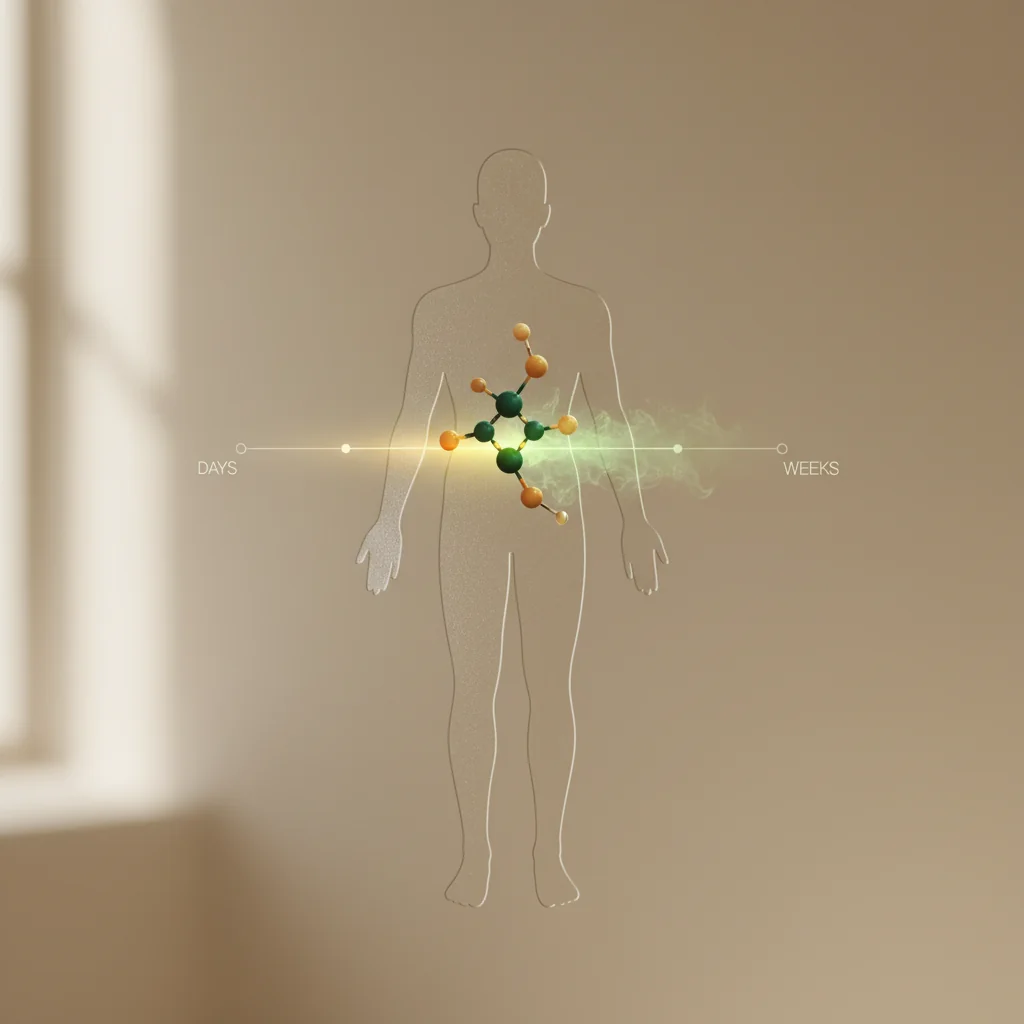
When you use cannabis, THC doesn't leave your body the moment the high fades. THC and its metabolites bind to fat cells and can stay detectable in urine, blood, saliva, and hair long after the effects have worn off. Whether you're preparing for a drug screening, tracking your wellness habits, or just curious about how your body handles cannabis, understanding clearance timelines helps you set accurate expectations.
The answer isn't a single number. Clearance time depends on how often you consume, your body composition, your metabolism, and which testing method is used. A one-time session and a daily habit produce very different windows — even when the same test is applied.
Quick Answer
THC metabolites can remain detectable in urine for 3 to 30 days after last use, and up to 90 days for heavy daily consumers. Blood and saliva tests have shorter windows of 1 to 7 days, while hair follicle tests can detect prior cannabis use for up to 90 days. The only reliable way to clear THC from your system is time combined with full abstinence.
Table of Contents
- How THC Is Processed and Stored in Your Body
- Detection Windows by Testing Method
- Factors That Affect Clearance Time
- Common Mistakes
- Tips for Clearing THC From Your System
- Frequently Asked Questions
- Conclusion
How THC Is Processed and Stored in Your Body
Understanding why cannabis lingers in your system starts with how your body handles THC after consumption.
When you inhale or ingest cannabis, THC enters your bloodstream quickly. Your liver then breaks it down into metabolites — most importantly THC-COOH — which is what drug tests typically screen for. Unlike water-soluble compounds that flush out rapidly through urine, THC metabolites are fat-soluble. They accumulate in adipose tissue throughout your body and release back into the bloodstream gradually over time.
This fat-solubility is the core reason cannabis clears more slowly than many other substances. As your body metabolizes stored fat, THC-COOH gets released in small amounts, continuing to appear in urine and blood tests long after any psychoactive effects are gone. Metabolite levels can also fluctuate day to day, which is why some people test positive after a period of apparent abstinence.
Edibles and oils tend to produce longer detection windows than smoked or vaped cannabis. They're processed through the digestive system and often result in greater total THC absorption per session, which means more metabolites deposited into fat tissue and a longer tail on any drug screening.
Detection Windows by Testing Method
Different tests have different detection windows, and knowing which one you're facing changes everything.
Urine testing is the most common screening method because it's affordable and captures a longer window than blood or saliva. Urine tests detect THC-COOH rather than THC itself, which is why they flag use days or weeks after a session.
Blood tests detect THC more directly and have a shorter detection window. They're typically used in clinical or roadside settings where recent impairment is the concern rather than past use. Saliva tests are similarly used for short-window screening and generally detect use within the past 24 to 72 hours.
Hair follicle testing covers the longest window. A standard test uses a 1.5-inch segment of scalp hair, corresponding to roughly 90 days of growth. Hair tests don't capture very recent use — there's typically a gap of 7 to 10 days before metabolites appear in newly grown hair.
Factors That Affect Clearance Time
Several personal variables have a meaningful impact on how long cannabis metabolites remain detectable in your system.
Frequency of use is the biggest single factor. Occasional users — consuming once or twice a week or less — typically clear urine tests in 3 to 10 days. Regular users may need 2 to 4 weeks. Daily heavy consumers can test positive for 30 days or more after stopping entirely.
Body fat percentage matters because THC metabolites are stored in fat tissue. Higher body fat means more storage capacity and slower release over time. Rapid weight loss can temporarily spike THC-COOH levels in urine as fat cells break down and release stored metabolites — which means aggressive dieting near a test date can work against you.
Metabolism and hydration influence how quickly your kidneys filter and excrete metabolites. Consistent hydration supports normal elimination, but neither factor dramatically shortens the window set by frequency of use and body composition.
Potency and consumption method also contribute. Higher-THC products deposit more metabolites per session. Edibles, which often produce longer and more intense effects, tend to deposit more THC-COOH into fat tissue than a comparable inhalation session.
Common Mistakes
Inaccurate assumptions about cannabis clearance are common, and they often lead to failed tests or misplaced confidence.
Confusing the end of the high with clearance. Psychoactive effects fade within a few hours, but the metabolites drug tests detect can persist for weeks. These are entirely separate timelines. Feeling sober does not mean testing clean.
Trusting detox drinks or kits. Commercially marketed detox products rarely accelerate actual metabolite elimination. Most work by temporarily diluting urine, which can lower concentrations below a test's cutoff threshold — but labs routinely flag diluted samples as inconclusive or invalid. Many screening programs treat an invalid result the same as a positive one.
Underestimating accumulated use. Someone who uses a couple of times each weekend may consider themselves an occasional consumer, but a consistent pattern over months builds up metabolite levels more than a single episode. Frequency over time matters more than frequency within any single week.
Testing with at-home strips and treating them as definitive. Standard at-home urine strips typically use a 50 ng/mL cutoff. Confirmatory lab tests can use a lower 15 ng/mL threshold, meaning a passing at-home result doesn't guarantee passing a more sensitive analysis.
Tips for Clearing THC From Your System
No shortcut eliminates THC faster than your body's natural elimination process, but these steps support it.
Plan around realistic timelines. If you're a daily consumer, allow at least two to four weeks of full abstinence before a urine test — and potentially longer. Setting an accurate baseline prevents last-minute surprises.
Stay consistently hydrated. Adequate daily water intake supports kidney function and metabolite excretion. You don't need extreme amounts — maintain steady hydration throughout the day rather than loading up right before a test, which labs can detect through urine creatinine levels.
Exercise regularly, but taper before a test. Physical activity supports fat metabolism, which helps release and eventually eliminate stored metabolites. However, intense exercise in the 24 to 48 hours before a test may temporarily elevate THC-COOH in urine as fat cells release their stores. Ease off activity in the final two days.
Eat a balanced, fiber-rich diet. A healthy metabolism generally supports faster clearance. There's no specific food that removes THC, but maintaining normal digestive and metabolic function over weeks of abstinence is more reliable than any targeted dietary intervention.
Skip the marketed detox products. They don't reliably accelerate elimination, and some can introduce new problems — flagged samples, wasted money, or false confidence heading into a test.
Frequently Asked Questions
How long does THC stay in your urine after using cannabis?
For occasional users — those consuming once or twice a week or less — urine tests typically detect THC metabolites for 3 to 7 days after the last session. Moderate users may test positive for 10 to 15 days. Heavy daily consumers are the outliers: chronic use can result in positive urine tests for 30 days or more after stopping, with some cases exceeding 60 to 90 days. Standard tests use a 50 ng/mL detection threshold, but confirmatory lab tests can apply a lower 15 ng/mL cutoff, which extends the practical detection window beyond what at-home strips indicate.
Does drinking water help flush THC out of your system faster?
Consistent hydration supports normal kidney function and metabolite excretion, but it doesn't meaningfully accelerate the underlying clearance timeline. Drinking large amounts of water close to a test may dilute urine enough to temporarily lower THC-COOH concentrations below the detection cutoff, but most labs screen for dilution through creatinine and specific gravity measurements. A sample flagged as too diluted is often treated as invalid — which many programs handle the same as a positive result. Steady hydration over weeks of abstinence is far more useful than flooding your system the day before a test.
How long is THC detectable in blood compared to urine?
Blood tests have a significantly shorter detection window than urine tests. In occasional users, THC may only remain detectable in blood for 1 to 2 days after the last session. In regular or heavy consumers, the window extends to about 3 to 7 days. Blood tests detect THC more directly and are typically used to assess recent impairment rather than historical use. Urine tests, which screen for the THC-COOH metabolite, retain a much longer window because metabolites continue to be released from fat tissue and excreted over time — making urine the standard choice for workplace drug programs.
Does body fat percentage affect how long weed stays in your system?
Yes, and the effect is substantial. THC metabolites are fat-soluble and accumulate in adipose tissue, so people with higher body fat percentages retain them longer. Conversely, someone with lower body fat and a faster metabolism may clear cannabis more quickly given similar consumption patterns. One counterintuitive result of this relationship: rapid weight loss or intense exercise can temporarily increase THC-COOH concentrations in urine as fat cells break down and release stored metabolites. This means that aggressively cutting calories or ramping up workouts right before a test date could actually raise detectable levels rather than lower them.
How long can cannabis use be detected in a hair follicle test?
A standard hair follicle test uses a 1.5-inch segment of scalp hair, which covers approximately 90 days of history based on average hair growth rates. This makes hair testing the method with the longest detection window of any routine drug screening. One limitation is that hair tests don't capture very recent use — metabolites take about 7 to 10 days to appear in newly growing hair, so use in the past week may not register. Body hair grows more slowly than scalp hair and can theoretically cover a longer time window, though this is less commonly used in standard employment or forensic screening.
Conclusion
How long weed stays in your body is determined by several overlapping variables — frequency of use, body composition, metabolism, and the testing method applied. Urine tests have long windows, blood and saliva tests are short, and hair follicle tests reach back three months. The common expectation that cannabis clears in a few days applies only to genuinely occasional users with favorable metabolic profiles. Heavy or regular consumers face significantly longer windows that no product or strategy reliably shortens. The most effective approach is straightforward: stop using, give your body adequate time, and stay hydrated while your system works through its natural elimination process.
Frequently Asked Questions
For occasional users, THC metabolites are typically detectable in urine for 3–4 days. Regular or daily consumers may test positive for 10–30 days or longer, depending on body composition and metabolism.
Staying hydrated supports your body's natural processes, but no evidence shows drinking excess water significantly speeds up THC clearance. Because THC is fat-soluble, it binds to body tissues rather than flushing out through fluids alone.
THC clears from the bloodstream relatively quickly—often within 1–2 days for occasional users—while urine detection windows are considerably longer, sometimes extending several weeks for frequent consumers.
Yes. Because THC and its metabolites bind to fat cells, individuals with a higher body fat percentage tend to retain detectable levels for longer periods than leaner individuals with similar usage patterns.
Hair follicle tests can detect cannabis use for up to 90 days, as THC metabolites become embedded in the hair shaft as it grows, providing a much longer historical window than urine or blood testing methods.
Related Guides
Best Cannabis Strains for Anxiety: Complete Guide
Find the best cannabis strains for anxiety relief. Guide to CBD strains, low-THC options, calming terpenes, dosing tips, and our top 10 strain recommendations.
Best Cannabis Strains for Creativity: Unlock Your Creative Flow
Discover the best cannabis strains for creativity. Learn which sativa and hybrid strains boost creative thinking, artistic flow, and how to use cannabis for creative projects.
Best Cannabis Strains for Focus and Productivity
Discover the best cannabis strains for focus and productivity. Learn which sativas and terpenes enhance concentration, optimal dosing, and how to use cannabis for productive work.