

Hemp Wick vs Lighters 2026: Which is Better for Cannabis?

James Wilson
Cannabis Culture Writer
Hemp Wick vs Lighters 2026: Which is Better for Cannabis?
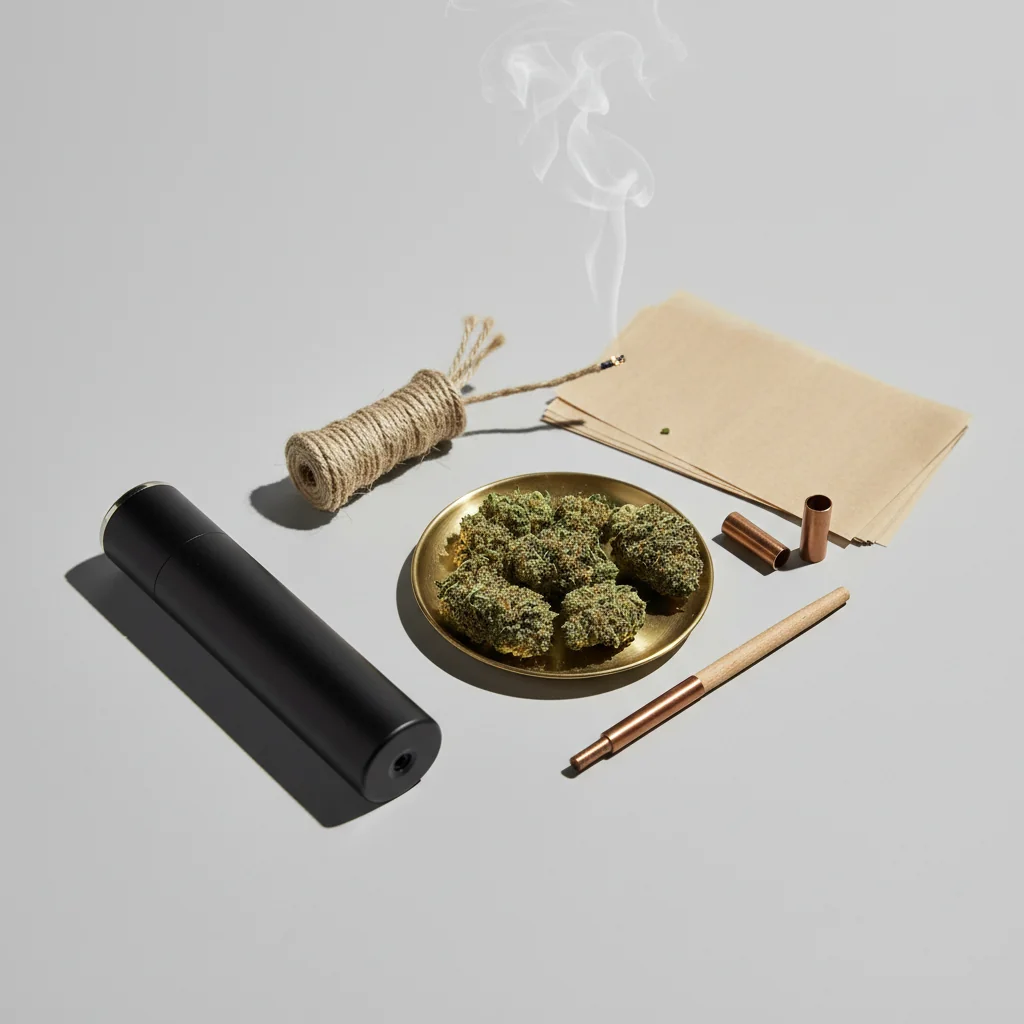
The debate between hemp wick and traditional lighters has divided cannabis enthusiasts for years. Both have passionate advocates claiming superior taste, health benefits, and overall experience. This comprehensive guide compares both methods objectively.
Quick Answer
Hemp wick provides a lower-temperature, butane-free flame that many claim produces cleaner taste and smoother hits. Lighters offer convenience, reliability, and lower cost. The "best" choice depends on your priorities: flavor purists often prefer hemp wick, while convenience-focused users stick with lighters. Many experienced users keep both available.
What is Hemp Wick?
For combustion science and temperature research, NIST (National Institute of Standards and Technology) provides standardized measurement data.
Hemp wick is a natural alternative to butane lighters, consisting of:
- Core: Organic hemp twine
- Coating: Natural beeswax
- Burn: Slow, controlled flame
- Temperature: Lower than butane (~700°F vs 3,500°F)
How to use: Light the hemp wick with a lighter, then use the hemp wick flame to light your cannabis. Extinguish by shaking or pinching.
Hemp Wick: Pros and Cons
Advantages
Taste Benefits:
- No butane flavor interference
- Many report "cleaner" cannabis taste
- Preserves terpene profiles better
- Smoother, less harsh hits
Control Benefits:
- Lower temperature = less combustion
- More precise flame placement
- Slower burn rate
- Reduced risk of scorching
Potential Health Benefits:
- No butane inhalation
- Natural beeswax (generally considered safe)
- Lower combustion temperature
- Organic hemp fiber
Disadvantages
Convenience Issues:
- Requires a lighter to ignite initially
- Wind affects flame significantly
- Slower lighting process
- Need to manage/wrap the wick
Practical Concerns:
- Higher long-term cost than lighters
- Can be messy (beeswax residue)
- Learning curve for beginners
- Not as portable
Lighters: Pros and Cons
Types of Lighters
BIC-style (Soft Flame):
- Standard disposable lighter
- Custom BIC lighters with personalized designs
- Reliable, affordable, widely available
Jet/Torch Flame:
- Custom jet flame lighters for wind resistance
- Higher temperature, focused flame
- Better for outdoor use
Clipper/Refillable:
- Eco-friendly option
- Built-in poker tool
- Cost-effective long-term
Lighter Advantages
Convenience:
- One-handed operation
- Works in any condition
- Instant flame
- Highly portable
- No preparation needed
Reliability:
- Consistent performance
- Wind-resistant options available
- Long lifespan per unit
- Widely available everywhere
Cost:
- Cheaper than hemp wick long-term
- BIC lighters last weeks to months
- No additional tools needed
Lighter Disadvantages
Potential Concerns:
- Butane flavor (minor, debated)
- Higher combustion temperature
- Brief butane exposure
- Less precise flame control
Direct Comparison
The Taste Test
What Hemp Wick Users Say:
- "Night and day difference in flavor"
- "Tastes like the cannabis itself, not burnt"
- "Smoother hits, less throat irritation"
- "Can taste strain differences better"
What Lighter Users Say:
- "I don't taste butane at all"
- "No noticeable difference"
- "Any butane burns off before inhaling"
- "Preference, not necessity"
The Reality:
Taste sensitivity varies between individuals. Those with refined palates or who smoke premium cannabis often notice differences. Casual users may not perceive significant change.
Health Considerations
Butane Exposure
Facts:
- Butane is generally considered low-toxicity
- Burns off almost completely at combustion
- Brief exposure during lighting
- No significant studies showing harm
Hemp Wick Alternative:
- No butane whatsoever
- Beeswax is food-safe
- Hemp is organic plant material
- Lower combustion may reduce tar
Bottom Line: Neither poses significant health risks. Hemp wick eliminates one variable (butane) but overall cannabis combustion is the primary health concern regardless of ignition source.
Temperature and Combustion
Why Temperature Matters
Cannabis Combustion:
- Cannabinoids vaporize at 315-440°F
- Full combustion occurs around 450°F+
- Higher temps = more complete burning
- Lower temps = more flavor, less harsh
Hemp Wick (~700°F):
- Still above combustion threshold
- Less aggressive burning
- Preserves more terpenes
- Slower, controlled heating
Butane Lighter (~3,500°F):
- Far exceeds needed temperature
- Instant, aggressive combustion
- May destroy some terpenes
- Quick and efficient
Cost Analysis
Hemp Wick Costs
Typical Pricing:
- 50ft spool: $5-8
- 200ft spool: $12-18
- Lasts 2-3 months (regular use)
- Annual cost: $40-60
Plus: Still need a lighter to ignite the wick
Lighter Costs
BIC/Disposable:
- $2-3 per lighter
- Lasts 3-4 weeks (regular use)
- Annual cost: $25-40
- $3-8 per unit
- Same lifespan
- Personalized designs available
Refillable (Clipper/Zippo):
- $5-15 initial cost
- $3-5 refills per year
- Annual cost: $5-10
Best Use Cases
Choose Hemp Wick If:
- Flavor is your top priority
- You consume premium cannabis
- You prefer ritual and intentionality
- Health optimization matters to you
- You smoke indoors primarily
- You want precise temperature control
Choose Lighters If:
- Convenience is essential
- You smoke outdoors frequently
- Cost-consciousness is priority
- You prefer simplicity
- You don't notice taste differences
- Quick sessions are typical
Use Both If:
- You want best of both worlds
- Different situations call for different tools
- You're still deciding your preference
- You share with others with different preferences
How to Use Hemp Wick
Setup
1. Wrap wick around lighter for storage
2. Leave 1-2 inches exposed
3. Keep spool accessible
Lighting
1. Light wick end with lighter
2. Wait for butane to burn off (1-2 seconds)
3. Apply hemp wick flame to cannabis
4. Control by tilting or moving wick
5. Extinguish by shaking or pinching
Tips
- Wind: Cup hand around flame
- Length: Keep 2-3 inches lit for best control
- Storage: Store in dry place
- Pairing: Use with quality [rolling trays](https://munchmakers.com/product-category/custom-rolling-trays/) to catch wax drips
Recommended Products
Hemp Wick
Popular Brands:
- Bee Line
- Humboldt Hemp Wick
- Raw Hemp Wick
- I-Tal Hemp Wick
What to Look For:
- Organic hemp
- Pure beeswax coating
- Even burn rate
- No additives
Lighters
Best Options:
- Custom BIC Lighters - Reliable with personal style
- Jet Flame Lighters - Wind-resistant
- Clipper Refillable - Eco-friendly option
- Zippo - Classic, durable
The Hybrid Approach
Many experienced users employ both:
At Home (Hemp Wick):
- Time for proper ritual
- Controlled environment
- Focus on flavor
- No wind concerns
On-the-Go (Lighter):
- Quick convenience
- Wind resistant (jet flame)
- Minimal accessories
- Reliable performance
Pair with:
- Custom [stash jars](https://munchmakers.com/product/custom-stash-jar) for storage
- Rolling trays for organization
- Smell-proof bags for portability
Summary
Hemp Wick Best For:
- Flavor connoisseurs
- Health-conscious users
- Indoor sessions
- Premium cannabis
Lighters Best For:
- Convenience seekers
- Outdoor use
- Quick sessions
- Budget-conscious users
The Verdict: Neither is objectively "better" - it depends on your priorities. If you haven't tried hemp wick, it's worth experimenting to see if you notice a difference. Many users who try it don't go back; others find lighters perfectly adequate.
This guide is for educational purposes. Cannabis laws vary by jurisdiction.
Frequently Asked Questions
Hemp wick burns at a lower temperature than butane (avoiding potential butane inhalation) and uses natural beeswax coating. Many users report a cleaner taste and smoother experience, though scientific studies on health differences are limited.
Related Guides

Best Lighters for Cannabis 2026: BIC, Torch, Hemp Wick & More
Complete guide to choosing the best lighter for cannabis. Compare soft flame BICs, torch lighters, hemp wick, and electric plasma options. Find the perfect lighter for your consumption method.

Budget Smoking Setup Under $50: Complete Starter Kit 2026
Build a complete quality smoking setup for under $50. Smart shopping guide for grinders, rolling trays, storage, and accessories without sacrificing quality.

Ultimate Cannabis Gift Guide 2026: Accessories for Every Budget
Complete cannabis gift guide with accessory recommendations for every budget. From stocking stuffers to premium gifts, find perfect presents for cannabis enthusiasts.