
Cannabis and Exercise: Complete Guide to Working Out High
Cannabis and Exercise: Complete Guide to Working Out High
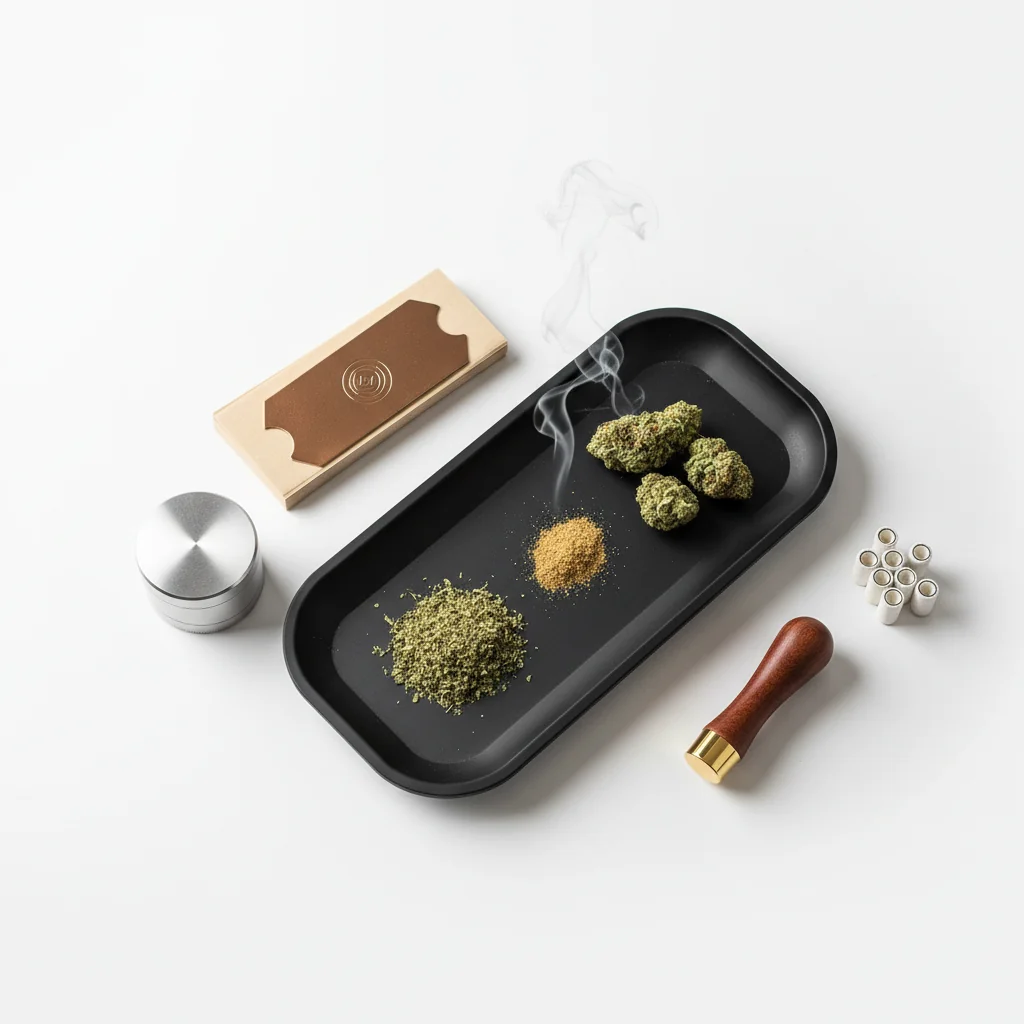
The intersection of cannabis and fitness might seem counterintuitive—after all, the "lazy stoner" stereotype persists. But a growing number of athletes and fitness enthusiasts are incorporating cannabis into their workout routines, claiming benefits from enhanced focus to improved recovery. This guide explores the science and practical considerations of combining cannabis with exercise.
Quick Answer
Some athletes use cannabis before workouts for enhanced focus and enjoyment, and after workouts for recovery and pain management. Low doses of sativa-dominant strains may enhance certain activities like running or yoga. CBD is increasingly popular for post-workout recovery. However, cannabis can impair coordination and judgment, so it's not suitable for all exercises. Start very low if experimenting, and never drive to/from the gym while impaired.
Table of Contents
- Cannabis and Athletes
- Potential Pre-Workout Benefits
- Post-Workout Recovery
- Best Activities for Cannabis
- Activities to Avoid
- Dosing for Exercise
- Best Strains for Working Out
- Safety Considerations
- Pro Tips
- FAQ
Cannabis and Athletes
The Runner's High Connection
Interestingly, the "runner's high" involves the same endocannabinoid system that cannabis affects. Research shows that exercise naturally produces anandamide, an endocannabinoid that binds to the same receptors as THC. This may explain why some users find cannabis enhances exercise enjoyment.
Professional Athletes Using Cannabis
With changing laws and attitudes, more athletes are open about cannabis use:
- Ultramarathoners for "flow state" during long runs
- Combat sports athletes for recovery
- NBA and NFL players for pain management
- CrossFit athletes for focus during training
The Research
Studies on cannabis and exercise are limited but growing:
- Some evidence suggests cannabis may increase motivation for exercise
- CBD shows promise for reducing inflammation and muscle soreness
- THC may affect coordination and reaction time
- Long-term health impacts remain understudied
Potential Pre-Workout Benefits
Enhanced Focus and Flow
Many users report:
- Greater mind-body connection
- Reduced workout monotony
- Enhanced music enjoyment
- Easier access to "flow state"
- Reduced pre-workout anxiety
Improved Enjoyment
Cannabis may make workouts more enjoyable by:
- Enhancing sensory experience
- Making time pass more pleasantly
- Reducing boredom during cardio
- Increasing present-moment awareness
Pain Threshold
Some users report:
- Reduced perception of effort
- Ability to push through discomfort
- Less focus on minor aches
- More comfortable intense efforts
Cautions
Pre-workout cannabis also carries risks:
- Impaired coordination
- Reduced reaction time
- Elevated heart rate
- Potential for overconsumption
- May mask injury signals
Post-Workout Recovery
This is where cannabis shows the most promise and least controversy.
CBD for Recovery
CBD's potential benefits for recovery include:
- Anti-inflammatory properties
- Reduced muscle soreness (DOMS)
- Improved sleep quality
- Anxiety reduction post-training
- No intoxication or impairment
THC for Recovery
THC may help with:
- Pain management
- Sleep for rest and recovery
- Appetite stimulation for refueling
- Relaxation after intense training
Inflammation Reduction
Both THC and CBD interact with the endocannabinoid system to potentially:
- Reduce inflammatory markers
- Speed muscle recovery
- Decrease post-workout soreness
- Support joint health
Sleep Enhancement
Quality sleep is crucial for recovery. Cannabis may:
- Help athletes fall asleep faster
- Reduce time awake during night
- Support rest after evening training
- Manage training-related anxiety
Best Activities for Cannabis
Yoga and Stretching
Perhaps the most natural pairing:
- Enhanced mind-body connection
- Deeper relaxation
- Improved breath awareness
- Better acceptance of discomfort
- Great for recovery days
Running and Cardio
Many runners enjoy low-dose cannabis for:
- Long, steady-state efforts
- Treadmill sessions (no traffic concerns)
- Enhanced music experience
- Reduced boredom during long runs
Important: Only on safe surfaces/controlled environments.
Hiking
Popular combination because:
- Enhanced nature appreciation
- Improved enjoyment of scenery
- Better present-moment awareness
- Relatively low injury risk
Important: Stay on marked trails, bring supplies, don't overestimate abilities.
Swimming (Pool Only)
Some enjoy cannabis before pool swimming:
- Sensory enhancement in water
- Meditative aspects of laps
- Lifeguard present for safety
Important: Never in open water or without supervision.
Weightlifting (Light/Moderate)
With caution, some lifters use for:
- Mind-muscle connection
- Reduced workout anxiety
- Enhanced pump sensation
- Better music experience
Important: Only at moderate weights, never near maximal efforts.
Martial Arts (Training Only)
Some practitioners use for:
- Flow drills and kata
- Flexibility work
- Light, controlled sparring (controversial)
Important: Reaction time impairment makes this risky.
Activities to Avoid
High-Risk Activities
Never combine cannabis with:
- Rock climbing or bouldering
- Skiing or snowboarding
- Cycling on roads or trails
- Mountain biking
- Any water activity in open water
- Contact sports or full sparring
- Heavy maximal lifting
- Activities requiring quick reactions
Why These Are Dangerous
Cannabis impairs:
- Reaction time (can't respond to hazards)
- Balance and coordination
- Judgment (may attempt beyond ability)
- Depth perception
- Risk assessment
Legal Considerations
Even where cannabis is legal:
- DUI laws apply to gym commutes
- Gym policies may prohibit impaired users
- Liability concerns for injuries
- Insurance implications
Dosing for Exercise
General Principle: Less Is More
For exercise, microdosing is key:
- Start with 2.5mg THC or less
- Effects should be subtle, not overwhelming
- Goal is enhancement, not impairment
- You should feel "elevated," not "high"
Consumption Timing
Smoking/Vaping:
- Effects within 5-15 minutes
- Consume 10-15 minutes before workout
- Duration: 1-2 hours
Edibles (not recommended for workouts):
- Unpredictable onset (30-90 minutes)
- Effects can increase during activity
- Hard to dose appropriately
Finding Your Dose
1. Start on a rest day to assess effects
2. Begin with very low dose
3. Try light activity first (walking, stretching)
4. Gradually work up to your normal workouts
5. Never increase dose on workout days
CBD Dosing for Recovery
- 15-50mg CBD post-workout
- Can use topicals on sore muscles
- No impairment concerns
- Can be used any time
Best Strains for Working Out
Energizing Options
Look for strains high in:
- Limonene: Uplifting, energetic
- Pinene: Alert, focused
- Terpinolene: Cerebral, creative
Popular choices:
- Durban Poison
- Jack Herer
- Green Crack
- Sour Diesel
- Super Lemon Haze
For Yoga and Flexibility
More balanced or mildly relaxing:
- Blue Dream
- Harlequin (high CBD)
- ACDC (high CBD)
- Cannatonic
For Recovery
Relaxing, pain-relieving options:
- Granddaddy Purple
- Northern Lights
- CBD-dominant strains
- OG Kush
Safety Considerations
Cardiovascular Concerns
Cannabis temporarily:
- Increases heart rate
- May affect blood pressure
- Could stress cardiovascular system
If you have heart conditions, consult a doctor before combining with exercise.
Impairment Reality
Be honest with yourself:
- Don't overestimate your abilities
- Reaction time IS impaired
- Balance IS affected
- Judgment IS altered
Environmental Factors
- Stay hydrated (cannabis + exercise = dehydration risk)
- Watch for overheating
- Don't mask injury pain
- Have a workout buddy when possible
Transportation
- Never drive to gym while impaired
- Plan alternative transportation
- Wait several hours before driving home
Gym Etiquette
- Be considerate of others
- Control consumption smell
- Don't advertise your use
- Follow all gym policies
Pro Tips
1. Start with CBD only if you're new to combining cannabis and exercise
2. Microdose—less is more for athletic performance
3. Eat before working out to moderate effects and prevent lightheadedness
4. Hydrate extra—cannabis and exercise both dehydrate
5. Have a spotter if lifting, regardless of weight
6. Use vapes over smoking to protect lung function
7. Keep CBD topicals in your gym bag for post-workout
8. Log your experiences to find what works
9. Listen to your body—if something feels wrong, stop
10. Never combine with new exercises—stick to familiar movements
FAQ
Does cannabis affect athletic performance?
It depends. Low doses may enhance enjoyment and focus for some activities. Higher doses impair coordination and reaction time. CBD for recovery shows promise without impairment. Research is limited but growing.
Is it legal to work out high?
Where cannabis is legal, there's no law against exercising after consumption. However, gyms may have policies, driving under the influence is illegal, and you assume liability for any injuries.
Will cannabis help me lose weight?
Despite increasing appetite (munchies), some research suggests cannabis users have lower obesity rates. This may be due to improved exercise enjoyment or other factors. Cannabis is not a weight loss tool.
Can I build muscle while using cannabis?
Yes. Cannabis doesn't prevent muscle growth. Some athletes use it for recovery and sleep, which support muscle building. The key is responsible use that doesn't interfere with training quality.
Is cannabis banned in sports?
WADA (World Anti-Doping Agency) prohibits THC in competition. Many sports organizations test for it. CBD is generally permitted. Know your sport's rules before using.
What about cannabis and running?
Many runners enjoy low-dose cannabis for long runs, claiming enhanced enjoyment and easier access to flow state. Only use on safe, controlled surfaces—never near traffic.
How does cannabis affect hydration?
Cannabis can cause dry mouth and potentially affect thirst perception. Combined with exercise, this increases dehydration risk. Drink more water than usual.
Is CBD or THC better for athletes?
CBD is safer for active use (no impairment) and excellent for recovery. THC is riskier during activity but may help with sleep and pain management afterward. Many athletes use both strategically.
Conclusion
The relationship between cannabis and exercise is nuanced. For some athletes, low-dose cannabis enhances workout enjoyment and helps with recovery. For others, it's not compatible with their training. The key is approaching the combination thoughtfully, prioritizing safety, and being honest about how it affects your performance.
If you choose to experiment, start with CBD for recovery before trying THC during workouts. Keep doses low, stick to familiar exercises, avoid anything requiring quick reactions, and never drive while impaired. Listen to your body, and remember that enhancement should never come at the cost of safety.
For more on cannabis basics, explore our first-time smoker's guide or learn about cannabis terpenes to find strains that might suit your workout style.
Frequently Asked Questions
Low doses may enhance enjoyment for some activities. Higher doses impair coordination. CBD for recovery shows promise without impairment.
Related Guides
Best Cannabis Strains for Anxiety: Complete Guide
Find the best cannabis strains for anxiety relief. Guide to CBD strains, low-THC options, calming terpenes, dosing tips, and our top 10 strain recommendations.
Best Cannabis Strains for Creativity: Unlock Your Creative Flow
Discover the best cannabis strains for creativity. Learn which sativa and hybrid strains boost creative thinking, artistic flow, and how to use cannabis for creative projects.
Best Cannabis Strains for Focus and Productivity
Discover the best cannabis strains for focus and productivity. Learn which sativas and terpenes enhance concentration, optimal dosing, and how to use cannabis for productive work.