
Best Cannabis Strains for Creativity: Unlock Your Creative Flow
Best Cannabis Strains for Creativity: Unlock Your Creative Flow
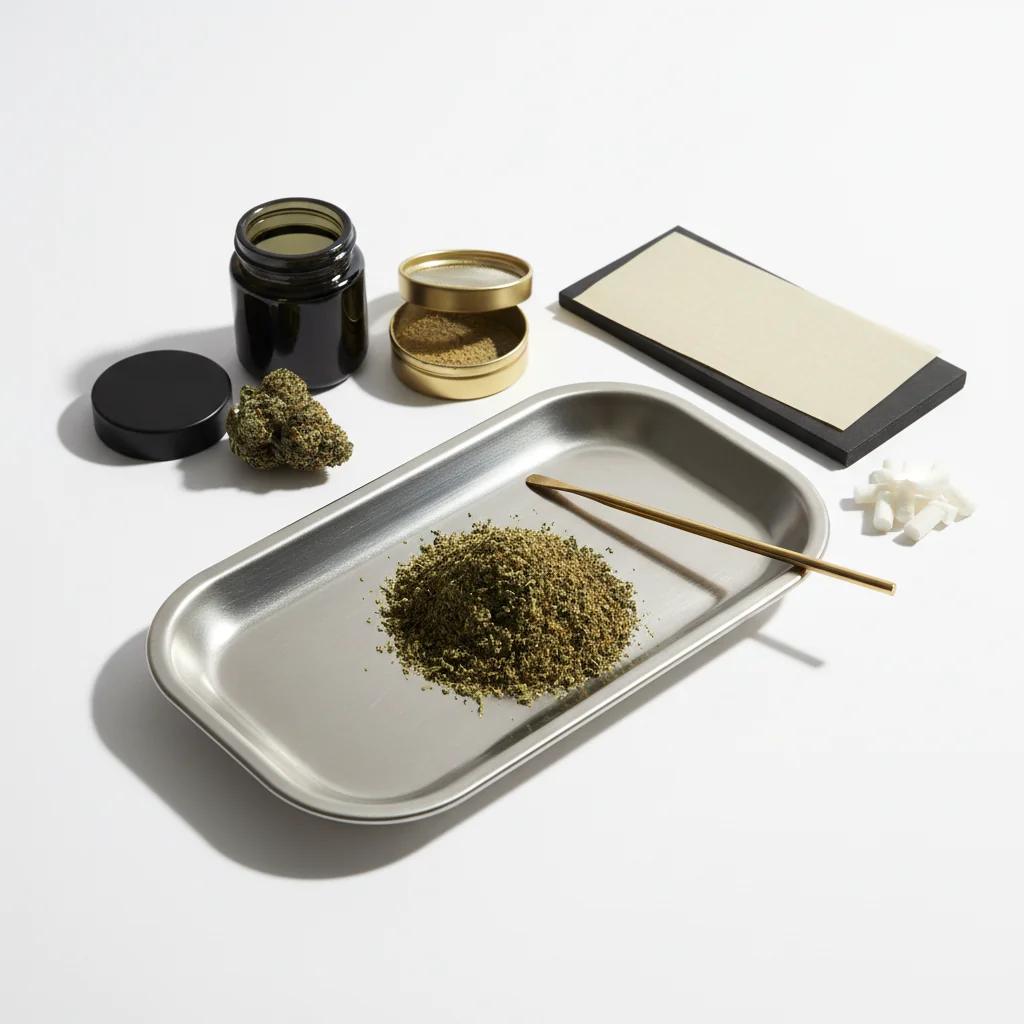
Artists, musicians, writers, and creative professionals have used cannabis for centuries to tap into new perspectives and break through creative blocks. But not all strains are equal when it comes to fostering creativity—some energize and inspire while others leave you too foggy to execute your ideas.
Quick Answer
The best strains for creativity are typically sativas and sativa-dominant hybrids like Jack Herer, Durban Poison, Super Lemon Haze, and Blue Dream. Look for strains high in limonene and pinene terpenes. Use low to moderate doses—high doses impair the focus needed to execute creative ideas. Keep a notebook handy to capture insights.
Table of Contents
- How Cannabis Affects Creativity
- Top 10 Strains for Creativity
- Terpenes That Boost Creativity
- Dosing for Creative Work
- Best Consumption Methods
- Creative Activities and Cannabis
- Common Mistakes to Avoid
- FAQ
How Cannabis Affects Creativity
The Science
Cannabis affects creativity through several mechanisms:
Divergent Thinking: THC can increase divergent thinking—the ability to generate multiple solutions to open-ended problems. This is the brainstorming phase of creativity.
Reduced Inhibition: Cannabis quiets the prefrontal cortex's "inner critic," allowing ideas to flow without immediate judgment.
Pattern Recognition: Many users report seeing new connections between seemingly unrelated concepts.
Altered Time Perception: Slowed time perception can allow deeper engagement with creative tasks.
The Catch
While cannabis can enhance ideation, it can impair execution at higher doses:
- Fine motor skills may decrease
- Short-term memory can be affected
- Focus may scatter rather than deepen
- Complex technical tasks become harder
The key is finding the right dose and strain for your specific creative needs.
Top 10 Strains for Creativity
1. Jack Herer
Type: Sativa-dominant
THC: 18-24%
Key Terpenes: Terpinolene, pinene, caryophyllene
The legendary strain named after the cannabis activist delivers clear-headed, energetic effects perfect for creative work. Jack Herer provides focus without sedation, making it ideal for projects requiring sustained attention.
Best for: Writing, brainstorming, design work
2. Durban Poison
Type: Pure sativa
THC: 17-26%
Key Terpenes: Terpinolene, myrcene, ocimene
This South African landrace delivers energetic, uplifting effects often compared to espresso. Durban Poison is known for productivity and creative energy without the crash.
Best for: Morning creative sessions, high-energy projects
3. Super Lemon Haze
Type: Sativa-dominant
THC: 18-25%
Key Terpenes: Limonene, terpinolene, caryophyllene
Two-time Cannabis Cup winner with citrusy, energetic effects. The high limonene content promotes mood elevation and creative thinking.
Best for: Music, visual art, social creative projects
4. Blue Dream
Type: Sativa-dominant hybrid
THC: 17-24%
Key Terpenes: Myrcene, pinene, caryophyllene
California's most popular strain offers balanced creativity with gentle relaxation. Blue Dream provides cerebral stimulation without anxiety, making it accessible to most users.
Best for: Beginners, all-day creative work, collaborative projects
5. Green Crack
Type: Sativa-dominant
THC: 15-25%
Key Terpenes: Myrcene, caryophyllene, limonene
Don't let the name fool you—this strain (also called Green Cush) delivers intense mental energy and laser focus. Excellent for powering through creative projects.
Best for: Tasks requiring sustained energy, deadlines
6. Tangie
Type: Sativa-dominant
THC: 19-22%
Key Terpenes: Limonene, myrcene, pinene
Citrus-forward strain with euphoric, creative effects. Tangie's mood elevation makes it excellent for artistic expression and experimental work.
Best for: Visual arts, experimental projects, overcoming creative blocks
7. Chocolope
Type: Sativa-dominant
THC: 18-21%
Key Terpenes: Myrcene, caryophyllene, limonene
Coffee and chocolate flavors with dreamy, cerebral effects. Chocolope sparks imagination while maintaining enough focus to capture ideas.
Best for: Writing, conceptual work, daydreaming with purpose
8. Amnesia Haze
Type: Sativa-dominant
THC: 20-25%
Key Terpenes: Limonene, myrcene, linalool
Potent European favorite known for psychedelic, creative effects. Best for experienced users who can handle strong sativas.
Best for: Experienced users, abstract thinking, music production
9. Strawberry Cough
Type: Sativa-dominant
THC: 15-20%
Key Terpenes: Myrcene, pinene, caryophyllene
Sweet strawberry flavor with clear-headed, euphoric effects. Known for reducing anxiety while promoting creativity—great for artists who get nervous.
Best for: Anxious creatives, social art projects, performances
10. Lemon Skunk
Type: Sativa-dominant hybrid
THC: 15-22%
Key Terpenes: Limonene, caryophyllene, myrcene
Zesty, energetic strain that promotes positive mood and creative thinking. Well-balanced effects suitable for various creative tasks.
Best for: General creative work, mood elevation, collaborative sessions
Terpenes That Boost Creativity
Understanding terpenes helps you choose strains beyond just names:
Limonene
- Citrus aroma
- Mood elevation
- Stress reduction
- Enhanced focus
Found in: Super Lemon Haze, Tangie, Lemon Skunk
Pinene
- Pine aroma
- Mental clarity
- Memory retention
- Alertness
Found in: Jack Herer, Blue Dream, Strawberry Cough
Terpinolene
- Complex floral/herbal aroma
- Uplifting effects
- Creative stimulation
- Mental energy
Found in: Jack Herer, Durban Poison, Super Lemon Haze
What to Avoid for Creativity
High myrcene strains tend toward sedation—not ideal for active creative work. Check lab results or ask budtenders about terpene profiles.
Dosing for Creative Work
The Sweet Spot
Research suggests creativity enhancement follows a curve:
- Too little: No noticeable effect
- Optimal: Enhanced ideation, reduced inhibition
- Too much: Impaired execution, scattered focus
Recommended Doses
Tips for Optimal Dosing
1. Start low: You can always consume more
2. Wait and assess: Give it 15-20 minutes before adding more
3. Know your task: Complex execution needs lower doses than brainstorming
4. Consider tolerance: Regular users need more; take tolerance breaks
5. Time it right: Peak effects are 30-90 minutes after consumption
Best Consumption Methods for Creativity
Smoking/Vaping
Pros:
- Fast onset (minutes)
- Easy dose control
- Can microdose throughout session
Cons:
- Shorter duration (1-3 hours)
- May need to re-dose
Best for: Short creative sessions, work requiring flexibility
Low-Dose Edibles
Pros:
- Longer duration (4-6 hours)
- Consistent effects
- No interruption to consume
Cons:
- Delayed onset (1-2 hours)
- Harder to adjust dose
- Can be too strong if misdosed
Best for: Extended creative sessions, studio time
Tinctures
Pros:
- Moderate onset (15-45 minutes)
- Good dose control
- Sublingual option for faster effects
Cons:
- Taste may be unpleasant
- Effects vary by method
Best for: Balanced approach, precise dosing
Creative Activities and Cannabis
Best Matches
Writing: Low-dose sativas help overcome writer's block and generate ideas. Edit sober.
Visual Art: Moderate doses enhance color perception and experimental thinking.
Music: Cannabis has a long history in music. Effects vary by role—improvisation vs. technical playing.
Brainstorming: Higher doses may actually help during pure ideation phases.
Photography: Low doses can help you see compositions differently.
Cooking: Creative recipe development pairs well with moderate doses (but be careful with sharp objects and heat).
Challenging Matches
Technical Work: Coding, detailed design work, and precision tasks often suffer at higher doses.
Time-Sensitive Projects: Impaired time perception can cause deadline issues.
Complex Editing: Analytical work often better done sober or with microdoses.
Performance: High-stakes situations may increase anxiety; practice first.
Common Mistakes to Avoid
1. Dosing Too High
The most common mistake. High doses scatter focus and impair execution. Start low, especially with new strains.
2. Wrong Strain Choice
Indica-dominant strains often lead to couch-lock rather than creative flow. Choose sativas or sativa-dominant hybrids.
3. Not Capturing Ideas
Cannabis can affect short-term memory. Always have a notebook, voice recorder, or notes app ready.
4. Expecting Magic
Cannabis doesn't create talent—it may help access what's already there. Skills still matter.
5. Inconsistent Use
Random strain selection makes it hard to find what works. Track strains and effects systematically.
6. Ignoring Set and Setting
Environment affects your creative session. Set up your workspace before consuming.
7. Creating Without Editing Sober
Review and refine your work with a clear head. What seemed brilliant may need adjustment.
Building a Creative Cannabis Practice
Before Your Session
1. Set up your workspace
2. Gather all materials
3. Have snacks and water ready
4. Eliminate distractions
5. Set an intention for the session
During Your Session
1. Start with a low dose
2. Begin working while coming up
3. Capture ideas immediately
4. Stay hydrated
5. Take breaks as needed
After Your Session
1. Review your work sober
2. Note what worked (strain, dose, activity)
3. Refine and edit with clear head
4. Adjust approach for next time
FAQ
Does weed actually make you more creative?
Cannabis can enhance divergent thinking and reduce mental blocks. It doesn't create talent but may help access creative flow states and see new connections between ideas.
What's the best dose for creativity?
Low to moderate doses work best for most people. High doses often impair the focus needed to execute creative ideas. Start with 5-10mg edibles or 1-2 puffs and adjust based on your response.
Sativa or indica for creative work?
Sativas and sativa-dominant hybrids are generally preferred for creativity due to their energizing, cerebral effects. Indicas may be too relaxing and sedating for active creative work.
Will I remember my creative ideas when high?
Short-term memory can be affected by cannabis. Keep a notepad, voice recorder, or notes app handy. Recording ideas in the moment helps preserve them for later review.
Can cannabis help with writer's block?
Many writers report success using cannabis for creative blocks. It can quiet the inner critic and allow freer idea generation. Start with a low dose and have your writing tools ready.
What if cannabis makes me anxious?
Anxiety kills creativity. Try strains with CBD, lower THC percentages, or strains known for smooth effects like Blue Dream or Strawberry Cough. Lower your dose significantly.
How often should I use cannabis for creativity?
This is personal. Some use it occasionally for breakthroughs; others incorporate it regularly. Watch for tolerance buildup and take breaks. Many find occasional use more effective than daily.
Conclusion
Cannabis can be a powerful tool for creativity when used intentionally. The key is finding your optimal strain, dose, and setting—then having systems to capture and refine your ideas.
Start with the strains recommended here, dose conservatively, and always have a way to record your thoughts. Edit sober, track what works, and adjust your approach over time.
Your best creative cannabis practice is the one you develop through experimentation and honest assessment of results.
For more on strain effects, see our indica vs sativa guide or learn about terpenes to understand what drives different effects.
Frequently Asked Questions
Cannabis can enhance divergent thinking and reduce mental blocks. It doesn't create talent but may help access creative flow states and see new connections.
Related Guides
Best Cannabis Strains for Anxiety: Complete Guide
Find the best cannabis strains for anxiety relief. Guide to CBD strains, low-THC options, calming terpenes, dosing tips, and our top 10 strain recommendations.
Best Cannabis Strains for Focus and Productivity
Discover the best cannabis strains for focus and productivity. Learn which sativas and terpenes enhance concentration, optimal dosing, and how to use cannabis for productive work.
Best Cannabis Strains for Pain Relief: Complete Guide
Discover the best cannabis strains for pain relief. Learn which strains work for chronic pain, nerve pain, inflammation, and how to use cannabis effectively for pain management.