
Tipos de concentrados de cannabis: Shatter, Wax, Rosin & More

David Martinez
Concentrate Expert
Tipos de concentrados de cannabis: Shatter, Wax, Rosin & More
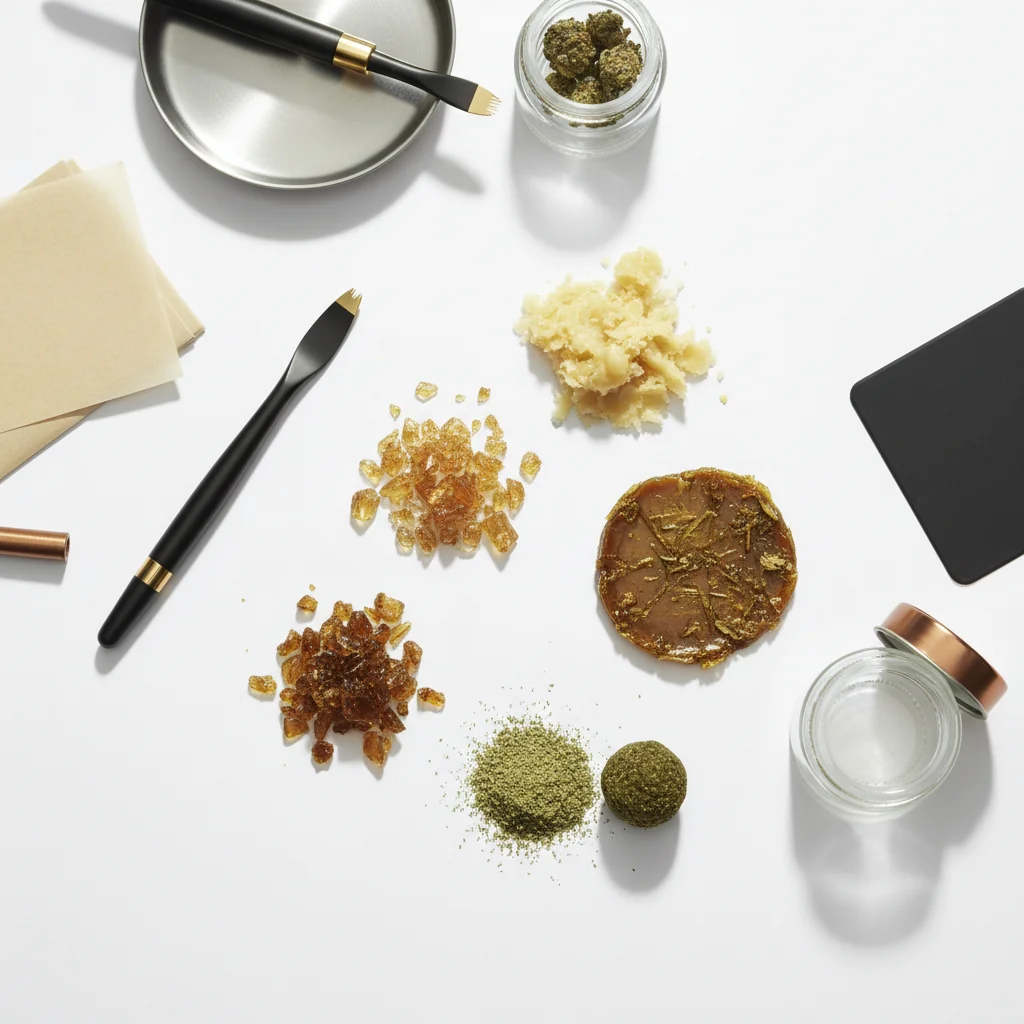
Los concentrados de cannabis han revolucionado la forma en que los entusiastas disfrutan de los ricos sabores y los potentes efectos de la planta. Con una variedad cada vez mayor de concentrados disponibles, puede ser abrumador elegir el adecuado para sus necesidades. Desde Shatter hasta Cera y Colofonia, cada tipo ofrece beneficios y experiencias únicas.
Comprender los diferentes tipos de concentrados de cannabis es crucial tanto para principiantes como para usuarios experimentados. Esta guía explorará los concentrados más populares, sus características y cómo usarlos de manera segura y efectiva. Ya sea que esté interesado en maximizar el sabor, la potencia o la facilidad de uso, hay un concentrado que se adapta a sus preferencias.
respuesta rápida
Los concentrados de cannabis son extractos potentes de la planta de cannabis, que ofrecen una forma refinada de consumir cannabinoides y terpenos. Los tipos populares incluyenhacerse pedazos, cerillaycolofonia, cada uno de los cuales difiere en textura, potencia y método de producción. Elegir el concentrado adecuado depende de la experiencia y el método de consumo deseados.
tabla de contenido
1. ¿Qué son los concentrados de cannabis?
2. Shatter: el concentrado similar al vidrio
4. Colofonia: sin disolvente y pura
5. Otros concentrados populares
6. Cómo usar concentrados de cannabis
7. Seguridad y uso responsable
¿Qué son los concentrados de cannabis?
Los concentrados de cannabis son productos que han sido procesados para extraer compuestos deseables como THC y CBD, dejando atrás material vegetal. Este proceso da como resultado un producto más potente que ofrece un potente golpe de cannabinoides y terpenos.
- tipos: Los concentrados pueden ser sólidos, semisólidos o líquidos, dependiendo del método de extracción y del procesamiento final.
- potencia: Estos productos suelen contener niveles más altos de THC en comparación con la flor tradicional, que puede variar entre 10 y 25% de THC.
- Métodos de consumo: Los concentrados se pueden consumir a través demueble, vapeo o incluso mezclado con flor para efectos mejorados.
Shatter: el concentrado similar al vidrio
Shatter es un tipo de concentrado de cannabis llamado así por su textura frágil y similar al vidrio. Es conocido por su alta potencia y apariencia translúcida.
características
- textura: quebradizo y vidrioso; se rompe fácilmente en fragmentos.
- cariz: Varía de ámbar a oro claro.
- potencia: A menudo contiene 70-90% de THC, lo que lo convierte en uno de los concentrados más potentes disponibles.
Cómo usar el destrozo
1. mueble: Usar unplataforma de aprehensióny una antorcha para calentar la uña antes de aplicar un pequeño trozo de Shatter.
2. vapeo: Algunos vaporizadores están diseñados específicamente para concentrados y pueden acomodar a la invasión.
Para conocer los pasos detallados sobre el uso de una plataforma DAB, visite nuestra guía sobreCómo tomar un toque.
Cera: suave y flexible
La cera es otra forma popular de concentrado de cannabis, conocido por su textura más suave y flexible. Ofrece una experiencia potente y sabrosa.
características
- textura: Cremoso y fácil de manipular.
- cariz: A menudo opaco y puede variar en color.
- potencia: Por lo general, varía de 60 a 80% de THC.
Cómo usar cera
- mueble: La cera es ideal para el dabbing debido a su fácil manejo y alta potencia.
- cubierta: Espolvorea una pequeña cantidad encima de un tazón o porro para una patada extra.
Para obtener más información sobre la limpieza y el mantenimiento de su plataforma, consulte nuestra guía sobreCómo limpiar una plataforma de DAB.
Colofonia: sin disolvente y pura
La colofonia se destaca como un concentrado sin disolvente, extraído con calor y presión en lugar de disolventes químicos. Esto lo convierte en el favorito entre los que buscan un producto puro y natural.
características
- textura: Puede variar de cursi a sólido, dependiendo del método de extracción.
- cariz: A menudo dorado y translúcido.
- potencia: Contiene altos niveles de cannabinoides, generalmente alrededor del 60-70% de THC.
como hacer colofonia
1. Preparar flor: Usar una calidadmolinillodefabricantes de munchaspara asegurar una textura uniforme.
2. prisa: Aplicar calor y presión con una prensa de colofonia o plancha de pelo.
3. juntar: Raspe la colofonia de papel pergamino con unHerramienta de uso.
Otros concentrados populares
Aparte de Shatter, Wax y Rosin, varios otros concentrados ofrecen experiencias únicas:
- resina viva: Conocido por su rico perfil de terpeno, que ofrece un sabor y aroma mejorados.
- comillas: Tiene una textura batida, similar a la mantequilla y es fácil de manejar.
- desmoronarse: seco y desmenuzado, ideal para cubrir flores en untonto como un jao tubería.
Cómo usar concentrados de cannabis
Cuando utilice concentrados, considere los siguientes métodos:
1. mueble: El método más común, utilizando una plataforma específicamente diseñada para concentrados.
2. vapeo: Los vaporizadores portátiles ofrecen comodidad y facilidad de uso.
3. mezcla: Mejora la flor agregando concentrados a las articulaciones o tazones.
Seguridad y uso responsable
- empezar bajo: Comience con una pequeña cantidad para medir su tolerancia, ya que los concentrados son muy potentes.
- estar informado: Comprender los efectos y la potencia del concentrado que elija.
- Almacenamiento adecuado: Almacene en un lugar fresco y oscuro para mantener la potencia y la frescura.
idea de narración
Explorar el mundo de los concentrados de cannabis puede ser un viaje emocionante, ofreciendo una variedad de sabores, efectos y experiencias. Al comprender las características de Shatter, Wax, Rosin y otros concentrados populares, puede tomar decisiones informadas que se alineen con sus preferencias y estilo de vida. Siempre prioriza la seguridad y el uso responsable para disfrutar de todos los beneficios que ofrece el cannabis concentrados.
Frequently Asked Questions
Los concentrados de cannabis son productos elaborados mediante la extracción de los compuestos más deseables de la planta de cannabis, como cannabinoides y terpenos, lo que resulta en una sustancia muy potente. Vienen en varias formas como Shatter, Wax y Rosin.
Related Guides
Bubble Hash: How to Make Ice Water Hash at Home
Complete guide to making bubble hash at home: equipment needed, choosing starting material, the full extraction process, grading hash quality, proper drying, and how to use bubble hash.
Carb Cap Types: Directional, Bubble, and Spinner Caps
Comprehensive guide about carb cap types: directional, bubble, and spinner caps. Learn everything you need to know with expert tips and detailed instructions.

Carb Caps Explained: Types, Uses, and Why You Need One
Complete guide to carb caps for dabbing. Learn how carb caps work, different types (directional, bubble, spinner), and why they're essential for low-temp dabs.