

Tutorial de balanceo de adentro hacia afuera (holandés/retroceso): la técnica conjunta definitiva

Mike Rodriguez
Rolling Expert
Tutorial de balanceo de adentro hacia afuera (holandés/retroceso): la técnica conjunta definitiva
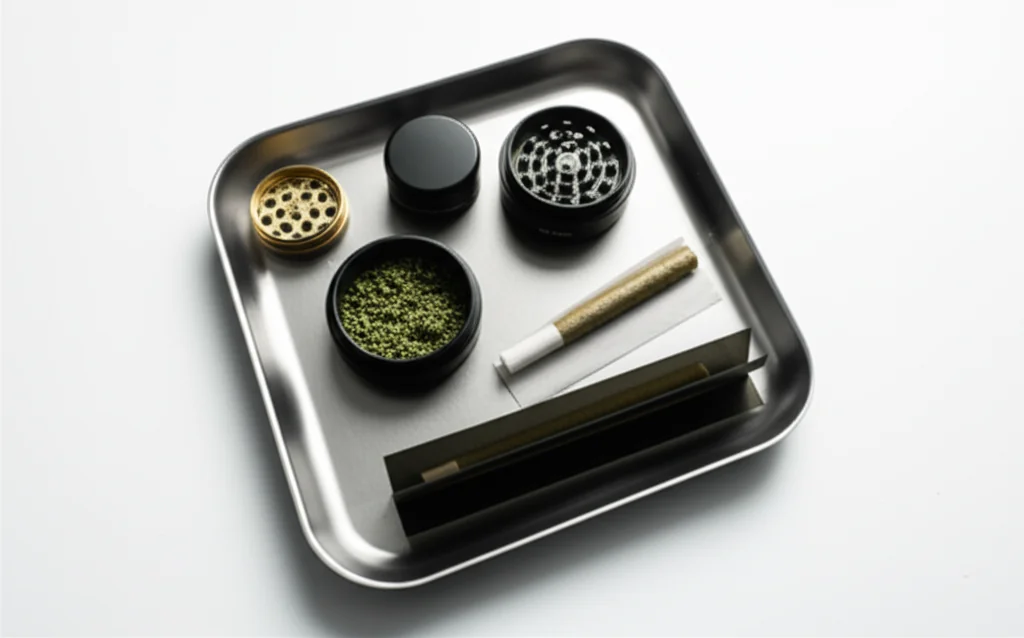
El rodamiento de interiores (también llamado holandés laminado, retroceso o laminado inverso) es una técnica avanzada de laminación de articulaciones que utiliza papel mínimo para un sabor más limpio y una combustión más lenta. Esta guía te enseña cómo dominar esta impresionante habilidad.
respuesta rápida
Enrollar el papel al revés: voltear el papel boca abajo (goma hacia abajo), agregar filtro y cannabis normalmente, rodar y dar forma, meter el borde inferior (no engomado) debajo, enrollar hasta que la línea de las encías se muestre a través del papel desde adentro, lamer fuera de la junta para activar el encía a través del papel, sellar, arrancar el exceso de papel. Utiliza un 50% menos de papel que el rodamiento normal.
¿Qué es el rodamiento de adentro hacia afuera?
El concepto:
Rolling normal:
- La tira de encía caras arriba
- Te mueves hacia la goma
- Sello lamiendo la goma de mascar en la parte superior
- Todas las capas de papel permanecen
Rolling de adentro hacia afuera:
- La tira de encías boca abajo (hacia la superficie)
- Te alejas de las encías inicialmente
- El encía termina en el interior
- Lamer a través del papel para activar la encía
- Despegar el exceso de capa de papel exterior
Resultado :
Resultado: alrededor de 50% menos de papel, sabor más limpio, quemadura más lenta
¿Por qué rodar de adentro hacia afuera?
Ventajas:
Ventajas:
- Menos papel = mejor sabor: domina el sabor del cannabis, sabor mínimo del papel
- Quema más lenta: menos papel significa quemadura más lenta y controlada
- Impresionante: muestra un dominio continuo, impresiona a otros fumadores
- Smoother Smoke: reducción de la dureza de menos papel
- Limpiador: Sin sabor a adhesivo (engo sellado desde el interior)
DESVENTAJAS:
- Difícil: requiere primero habilidades sólidas de rodadura
- Tasa de fracaso más alta: fácil de estropear mientras aprendes
- Desperdicia papeles: espera muchos fracasos al aprender
- No más rápido: lleva más tiempo que el rodamiento regular
Quién debería probar: rodillos experimentados que puedan rodar articulaciones regulares de manera consistente
l
Masteriza tu rodamiento con calidad custom [ papeles de liar de munchmakers](https://munchmakers.com/product-category/custom-rolling-papers/). Para técnicas de laminación avanzada, 420 Magazine ha estado cubriendo la cultura cannabis desde 1993.
Prerrequisitos
l
Antes de intentar de adentro hacia afuera, deberías poder:
- Tirar una articulación regular con éxito 80%+ del tiempo
- Rodar sin máquina de laminación
- Entender la técnica de met and roll
- Tener buena destreza en los dedos y control del papel
Si no puedes rodar las articulaciones regulares de manera constante todavía: Master Basic Rolling primero. Probar de adentro hacia afuera demasiado pronto solo desperdiciará papeles y te frustrará.
lo que necesitas
► ► „„‐Papel de liar fino (arroz o cáñamo delgado funciona mejor)
Recomendación en papel : OCB, elementos o papeles de arroz crudo. Los papeles delgados le permiten ver la línea de las encías a través de ellos (crítica para esta técnica).
Paso a paso: rodadura de adentro hacia afuera
Paso 1: Voltee el papel al revés
● Colocar papel de rodadura con la cinta de la goma objetivo hacia abajo hacia la superficie de rodadura. Esto es lo opuesto al rodamiento normal.
CHEQUEO VISUAL: El lado pegajoso de la encía debe tocar la bandeja o los dedos de la rueda, no mirando hacia usted.
n
Por qué es importante: Esta orientación permite que la encía termine en el interior de la articulación después de rodar.
Paso 2: Filtro de posición y cannabis
s
Exactamente como el rodamiento normal:
- Coloque el filtro en un extremo (generalmente se deja para los diestros)
- Distribuya el cannabis molido de manera uniforme a lo largo del papel
- Cantidad: 0.5-0.75g (ligeramente menor de lo normal - más fácil de controlar)
Recordatorio clave: la encía está debajo/dando hacia abajo, pero estás posicionando todo igual que una articulación normal.
Paso 3: Rodar y formar
Enrolle de un lado a otro entre los pulgares y los dedos para dar forma a la articulación, exactamente como el rodamiento normal.
n
El movimiento de rodadura es idéntico: solo estás trabajando con el papel volteado.
s
importante: dale forma bien aquí. Buena conformación = más fácil en el siguiente paso.
Paso 4: El Tuck Crítico (diferente de lo normal)
l
Aquí es donde el revés difiere:
Rolling normal
: Mete el borde más cerca de ti (lado de goma) debajo del cannabis
De adentro hacia afuera: aléjate de ti (lado no chicle) debajo del cannabis
HOMBRE
Por qué: Como la goma está orientada hacia abajo, metes el borde opuesto. La goma vendrá y se encontrará desde adentro.
l
Esta es la parte más difícil de visualizar. El borde que no es de encía se mete debajo, rueda alrededor de cannabis y, finalmente, la goma (que viene de abajo) se mostrará a través del papel.
Paso 5: Roda para exponer la encía a través del papel
Continuar enrollando la junta cerrada. Mientras rueda:
Esté atento a la línea de las encías: verá aparecer una línea ligeramente más oscura/brillante a través del papel desde el interior. Esta es la tira de goma que se muestra a través.
Se requieren papeles delgados
: esta es la razón por la cual los papeles de arroz/cañamo delgado funcionan mejor: debe ver la línea de las encías a través del papel.
s
Cómo se ve: una línea más oscura que recorre la longitud de la junta, visible a través de la capa exterior del papel.
Paso 6: Lamer a través del papel (El paso mágico)
l
Una vez que vea la línea de las encías a través del papel:
lávese el exterior de la articulación a lo largo de esa línea. Su saliva empapará el papel delgado y activará la encía en el interior.
Técnica
:
- Lamiendo generoso (no seas tímido - la saliva debe penetrar el papel)
- Sigue toda la línea de las encías
- Puede lamer en secciones o todo a la vez
Qué pasa: Saliva → A través del papel exterior → Activa la goma de mascar en el interior → Palos de goma al cannabis/papel interior
Paso 7: Selle y mantenga
Presiona firmemente a lo largo de la línea lamida durante 5-10 segundos.
Lo que estás sellando desde adentro: la goma está pegando las capas internas de papel, aunque lamiste desde afuera.
CHECK
CHECK: La articulación debe sentirse sellada. La goma se ha activado a través del papel.
Paso 8: arrancar el exceso de papel
l
ahora la parte satisfactoria:
El exceso de papel que se enrolló alrededor del exterior (la capa adicional) se puede arrancar.
l
Cómo eliminar:
- Opción A: quítelo con cuidado a lo largo de la línea de sellado
- Opción B: quemarlo cuando enciendes la articulación (más común)
- Opción C: lame la línea que deseas desgarrar, luego rasga (la humedad lo hace más fácil)
Resultado: Resultado: Result mínimo de papel: solo una capa delgada alrededor de su cannabis en lugar de dos.
Problemas comunes de laminación de adentro hacia afuera
Problema: no puedo ver la línea de las encías a través del papel
l
Causa: papel demasiado grueso o no ha rodado lo suficiente
Solución
Solución:
- Use papeles más delgados (los papeles de arroz funcionan mejor)
- Sostenga la articulación hacia la luz para ver la línea de las encías
- Roll más lejos - la línea de la encía se vuelve visible una vez que las capas internas y externas se superponen
Problema: el encía no se pega al lamer afuera
Causa
Causa: No hay suficiente saliva o papel demasiado grueso
Solución
Solución:
- Lamer más generosamente - realmente mojarlo
- Usa papeles más delgados
- Sostenga y presione más largo (10-15 segundos)
- intente respirar aire caliente para ayudar a activar la encía
Problema: la articulación se desmorona al romper el exceso
s
Causa: El encía no se selló correctamente
Solución
Solución:
- No rasgues, solo quema el exceso cuando se enciende
- Asegúrese de que la encía se active por completo antes de rasgar
- Presione el sello por más tiempo antes de intentar rasgar
Problema: confundido sobre qué borde se debe meter
s
Causa: desorientación de la orientación del papel
Truco visual
:
- Rollo normal: Gum up → Tuck cerca del borde
- Inside-Out: Encía abajo → Meta el borde lejano
- Mete el borde que no tiene encía debajo
Problema: Desperdiciar demasiado cannabis durante intentos fallidos
Solución
Solución:
- Practique primero con el tabaco o la mezcla de hierbas
- Usa menos cannabis (0.3-0.5g) mientras aprendes
- Aceptar que los fracasos son parte del aprendizaje
- Guardar intentos fallidos cannabis para el próximo intento
Inside-Out vs Rodamiento regular
Sabor:
l
De adentro hacia afuera:
- Menos sabor a papel
- El sabor del cannabis domina
- humo limpiador
►Regular:
- Más sabor a papel
- Sabor de papel mezclado con cannabis
HOMBRE
Ganador: Inside-Out (subjetivo pero ampliamente acordado)
Tasa de quema:
l
De adentro hacia afuera:
- Quemadura más lenta (menos papel para quemar)
- Sesión más controlada
- dura mas
►Regular:
- quemadura más rápida
- Duración de la sesión estándar
HOMBRE
Ganador: de adentro hacia afuera
Dificultad:
l
De adentro hacia afuera:
- Técnica avanzada
- Mayor tasa de fallas
- requiere práctica
►Regular:
- Dificultad modera
- más indulgente
- Más fácil de aprender
HOMBRE
Ganador: Regular (para principiantes)
Practicidad:
l
De adentro hacia afuera:
- lleva más tiempo
- Se requiere más enfoque
- No es ideal para sesiones rápidas
►Regular:
- más rápido
- más conveniente
- Bueno para cualquier situación
HOY
Ganador: Regular (para velocidad)
La conexión cultural holandesa
El rodado de adentro hacia afuera se originó en los Países Bajos (por lo tanto, "rollo holandés") donde la cultura del cannabis enfatiza:
- Minimalismo y eficiencia
- Calidad sobre cantidad
- Dominio de la técnica
- Experiencia de fumar limpia y sabrosa
En las cafeterías de Ámsterdam: el rodar de adentro hacia afuera es común y se espera entre los fumadores experimentados.
Índice Cultural: Muestra que sabes lo que estás haciendo, respeto por la artesanía
Los mejores papeles para el rollo de adentro hacia afuera
Las mejores opciones:
1. Premium OCB (arroz):
- ultrafino
- Línea de encía muy visible
- Fácil de ver a través
- Lo mejor para aprender
2. Elementos ultra delgados:
- papel de arroz
- muy delgado
- Visibilidad clara de la línea de las encías
- Elección profesional
3. Negro crudo (cáñamo delgado):
- Más delgado que el crudo normal
- Funciona para adentro hacia afuera
- todavía perdonando
s
Evitar:
- Zig-zag (demasiado grueso, no puedo ver la encía)
- Papeles gruesos de cáñamo
- Papeles con sabor (generalmente más gruesos)
Progresión de la práctica
Semana 1: Entendiendo el Flip
- Simplemente practique voltear papel y visualizar la técnica
- Haz carreras secas sin cannabis
- Siéntete cómodo con la orientación al revés
Semana 2: Primeros intentos con tabaco
- Prueba con tabaco o mezcla de hierbas (más barato que el cannabis)
- Espere una tasa de falla del 90%
- Concéntrese en ver la línea de las encías a través del papel
Semana 3: Técnica de refinación
- La tasa de éxito debe llegar al 30-40%
- Empieza a usar cannabi
- trabajar en un pliegue constante
Semana 4+: Maestría
- Tasa de éxito 60-80%
- Rodando más rápido
- Limpiar el descapotable del exceso de papel
Se necesitan articulaciones de práctica total
: 30-50 intentos de ser consistente
Consejos avanzados
►Consejo 1: La prueba de luz
Si no puede ver la línea de las encías, Sostenga la articulación hasta una fuente de luz. La goma se mostrará como una línea más oscura a través del papel.
2. Consejo 2: Control de humedad
Demasiado seco: el encía no se activa a través del papel
Demasiado mojado: rasgaduras de papel, las articulaciones se desmoronan
Justo a la derecha: se activa el encía, el papel permanece intacto
Consejo 3: Quemar No te desgarres
Al comenzar, no rasgues el exceso de papel. Simplemente encienda la articulación y deje que el exceso se queme. Más seguro y más fácil.
Consejo 4: Usa un poco menos de cannabis
Las articulaciones de adentro hacia afuera son más difíciles de enrollar de grasa. Use 0.5-0.75g max mientras aprende. Las articulaciones de grasa de adentro hacia afuera son de nivel experto.
5. 5: 5: 100 100 100 100 100 10 20 20 2
El extremo del filtro es tu anclar. Manténgalo apretado y perfecto: construya la técnica de adentro hacia afuera alrededor de un filtro sólido.
Mostrando tus habilidades
El rodamiento de adentro hacia afuera es inmediatamente reconocible para fumadores experimentados.
Signos de una articulación de adentro hacia afuera:
- papel deman
- Apariencia limpia
- Borde rasgado donde se eliminó el exceso
- Impresionantemente delgado
PEDIDOS SOCIAL: Otros fumadores notarán y respetarán la técnica. Es el equivalente de rodamiento conjunto de un truco de skate.
Conceptos erróneos comunes
HOY
Mito: "De adentro hacia afuera es solo para presumir"
Realidad: hay beneficios reales (sabor, tasa de quema, menos papel)
s
Mito: "Necesitas papeles especiales"
realidad: cualquier papel delgado funciona, los papeles de arroz son más fáciles de ver a través
HOY
Mito: "Es imposible aprender"
Realidad: difícil pero alcanzable con la práctica: la mayoría de la gente puede aprender en 20-40 intentos
HOY
Mito: "Las articulaciones de adentro hacia afuera son más fuertes/más potentes"
realidad: la misma potencia - solo menos papel, sabor más limpio
Cuándo usar el rollo de adentro hacia afuera
Las mejores situaciones:
- Fumar en solitario (tiempo para centrarse en la técnica)
- Impresionar a los fumadores experimentados
- Cuando quieras el máximo sabor
- Ocasiones especiales donde la calidad > velocidad
skip out in-out-out cuando:
- escapado
- Fumar con principiantes (no lo apreciarán)
- Condiciones de viento (más difícil de controlar)
- Usando papeles gruesos (no funcionará bien)
Guía de solución de problemas
"Le volteé el papel pero ahora estoy confundido"
Solución
solución: déjala. Míralo. La goma debe estar frente a la mesa. Si puede ver la tira de goma brillante mirando hacia el papel, está mal, déle la vuelta.
"No puedo ver ninguna línea de encía a través del papel"
Soluciones
Soluciones:
1. Usa papeles más delgados (arroz)
2. Manténgalo a la luz
3. Roda más lejos: necesita más superposición para ver a través
4. Compruebe que no lo hizo rodar hacia atrás
"El porro se vino abajo cuando lo lamí"
Causa
Causa: Demasiada saliva, papel demasiado delgado, no lo suficientemente ajustado
Solución
Solución:
- Usa menos saliva pero aplica con más cuidado
- Forma más apretada antes de sellar
- Presione inmediatamente después de lamer
"El exceso de papel no se arrancará limpiamente"
¡Esto es normal! La mayoría de las personas simplemente lo queman cuando se ilumina. Desgarrar limpiamente requiere práctica.
Alternativa: "Semi-Inside-Out"
l
Para aquellos que encuentran de adentro hacia afuera demasiado difícil:
TECHNIQUE
: Voltee el papel al revés pero use menos papel. Ruede lo suficientemente lejos para que las encías alcancen, lamidos, sellan, pero hay menos exceso que romper.
Beneficios
Beneficios: más fácil que el inside-out completo, todavía usa menos papel de lo normal
lResultado l
: sigue disminuyendo el papel ~30-40% frente al rodado normal
n
Esta guía es para fines educativos. Las leyes del cannabis varían según la jurisdicción.
Step 1:
Step 2:
Step 3:
Step 4:
Step 5:
Step 6:
Step 7:
Step 8:
Frequently Asked Questions
El rollo de adentro hacia afuera utiliza menos papel (se quita el exceso), lo que resulta en un sabor más limpio al cannabis, una quemadura más lenta y menos aspereza. También es impresionante ver y mostrar el dominio de la marcha.
Related Guides
Rolling Paper Sizes Explained: 1 1/4, King Size, and More
Comprehensive guide about rolling paper sizes explained: 1 1/4, king size, and more. Learn everything you need to know with expert tips and detailed instructions.

Best Rolling Papers for Beginners: Complete Buying Guide 2026
Discover the best rolling papers for beginners including RAW, Zig-Zag, and OCB. Learn about sizes, materials (rice vs hemp vs wood pulp), and which papers are easiest to roll with.
Clear Rolling Papers: Are Cellulose Papers Worth It?
Comprehensive guide about clear rolling papers: are cellulose papers worth it?. Learn everything you need to know with expert tips and detailed instructions.