

Indica vs Sativa vs Hybrid: explicaciones de variedades de cannabis

Sarah Green
Cannabis Educator
Indica vs Sativa vs Hybrid: explicaciones de variedades de cannabis
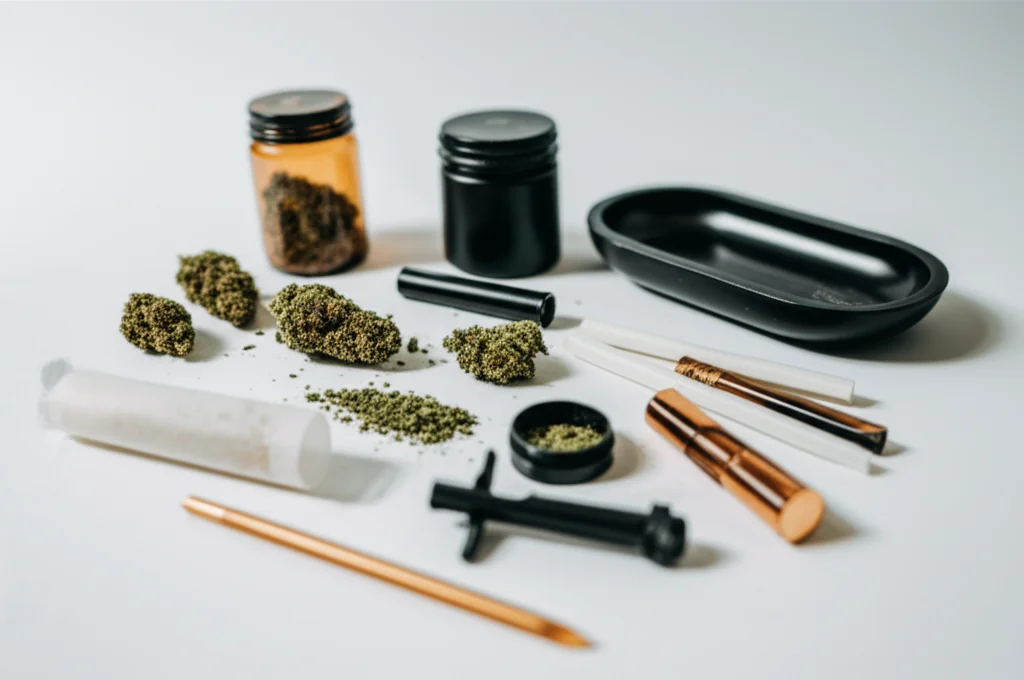
Las cepas de Cannabis se clasifican tradicionalmente como indica, sativa o híbrida, cada una asociada con diferentes efectos y características. Esta guía explica qué significan estas clasificaciones, sus efectos típicos y cómo elegir el tipo adecuado para sus necesidades.
respuesta rápida
Las cepas indica tradicionalmente producen efectos relajantes, sedantes y centrados en el cuerpo (recuerde: "en-da-couch"). Las cepas sativas se asocian con efectos energizantes, cerebrales y creativos. Los híbridos combinan la genética y pueden inclinarse hacia cualquier dirección o equilibrarse. Sin embargo, la investigación moderna del cannabis muestra que los perfiles de cannabinoides y terpenos individuales son más importantes que la clasificación índica/sativa para predecir los efectos.
Entendiendo la clasificación
Lo que indica originalmente, sativa, híbrido
Estos términos describieron originalmente la morfología de la planta (características físicas) y la geografía:
s.
indica: Las plantas de cannabis indica son cortas, tupidas, con hojas anchas. Nativo de las regiones montañosas (Afganistán, Pakistán). Tiempo de floración más corto.
sAtiva: Las plantas de cannabis sativa son altas, delgadas, con hojas estrechas. Nativo de las regiones ecuatoriales (Tailandia, Colombia, México). tiempo de floración más largo.
Híbrido: Genética cruzada de padres Indica y Sativa. La mayoría de las cepas modernas son híbridos.
Por qué la clasificación es complicada ahora
Las décadas de cruce significan que casi todo el cannabis moderno es genéticamente híbrido. Según alliance de políticas de drogas, las etiquetas indica/sativa ahora hacen referencia a los efectos esperados más que a la genética pura. Los efectos en realidad dependen de las relaciones cannabinoideas específicas (THC, CBD) y de los perfiles de terpenos más que de la genética vegetal.
Cepas índicas
Efectos típicos:
- Relajación física profunda
- Sedación y somnolencia
- "Café de sofá" enfocado en el cuerpo
- Alivio del estrés y la tensión
- Reducción del dolor
- Estimulación del apetito
Mejor para:
- uso nocturno
- ayuda al dormir
- Manejo del dolor
- Relajación después del día estresante
- Alivio de la ansiedad (para algunas personas)
Cepas índicas comunes:
Mnemotécnico: "En-da-café"
Ayuda a recordar los efectos relajantes y sedantes de Indica.
Cepas sativas
Efectos típicos:
- Energizante, edificante
- Cerebral, concentrado en la cabeza
- Creatividad y enfoque
- Euforia y risitas
- sociabilidad
- Puede aumentar la ansiedad en usuarios sensibles
Mejor para:
- Uso diurno
- Proyectos creativos
- situaciones sociales
- Actividades físicas
- Depresión o fatiga
- Cuando quieres seguir siendo funcional
Cepas sativas comunes:
Cepas híbridas
Tipos de híbridos:
Índica dominante índica (70/30, 80/20)
- Principalmente efectos índicas con ligera influencia sativa
- Relajante pero no completamente sedante
- Efectos corporales con cierta claridad mental
s
Dominante sativa (70/30, 80/20)
- Principalmente efectos sativas con matices indica
- Energizante pero con relajación física
- Menos inductor de ansiedad que pura sativa
Equilibrado (50/50)
- Igualdad de genética índica y sativa
- Efectos moderados de ambos
- A menudo proporciona lo mejor de ambos mundos
Híbridos populares:
- sueño azul (sativa-dominante)
- galletas de girl scouts (indica-dominant)
- og kush (equilibrado)
- Gapa de gorila #4 (equilibrado)
Para principiantes: ¿cuál elegir?
Recomendado para principiantes:
Híbrido índico o equilibrado
¿Por qué:
- Es menos probable que cause ansiedad
- más indulgente si consumes un poco demasiado
- Los efectos relajantes se sienten más seguros para la experimentación
- Efectos físicos más fáciles de reconocer que los cerebrales
Abordar con cautela:
Pura sativa (especialmente de alto THC)
¿Por qué:
- Es más probable que desencadene ansiedad o paranoia
- Los efectos cerebrales pueden ser abrumadores para los recién llegados
- Los pensamientos acelerados pueden ser incómodos
- Mejor guardado para cuando te sientas cómodo con el cannabis
Más allá de Indica/Sativa: lo que realmente importa
Perfil cannabinoide:
- El porcentaje de THC (15% frente a 25%+ hace una gran diferencia)
- Contenido de CBD (CBD más alto reduce la ansiedad)
- Cannabinoides menores (CBG, CBN, etc.)
Perfil de terpenos:
Los terpenos influyen tanto como la clasificación Indica/Sativa:
Mirceno: sedante, relajante (común en las indicas)
Limoneno: edificante, estimulante del estado de ánimo (común en sativas)
Pinene: Alerta, enfoque
Linalol: Calmante, Anti-ansiedad
Cariofilleno: Alivio del dolor, antiinflamatorio
Una cepa dominante sativa con alto contenido de mirceno puede sentirse relajante, mientras que una cepa dominante índica con alto contenido de limoneno puede sentirse edificante.
Guía de selección práctica
No importa qué tipo de cepa elija, tener calidad jarrones de almacenamiento de hierbas ayuda a preservar la frescura y los perfiles de terpeno.
s
Quiero relajarme y dormir:
→ Híbrido Indica o Indica dominante, mirceno alto
l
Quiero mantenerme activo y creativo:
→ Híbrido sativa o sativa dominante, alto limoneno/pineno
l
Estoy ansioso por ponerme ansioso:
→ Equilibrado híbrido con CBD, evita sativas de THC de alto nivel
l
Quiero máxima seguridad/control:
→ Indica de THC bajo (15-18%)
l
No sé lo que quiero:
→ Equilibrio Equilibrado (50/50), THC moderado (16-20%)
Conceptos erróneos comunes
l
"Indica te da sueño, sativa te da energía"
Generalmente cierto pero no absoluto. Las plantas individuales varían según los perfiles de cannabinoide/terpeno.
s
"Soy una persona sativa" o "Soy una persona índica"
La mayoría de las personas disfrutan tanto dependiendo de la hora del día, el establecimiento y la meta. Su preferencia puede cambiar con la experiencia.
s
"Los híbridos son más débiles"
Falso: los híbridos pueden ser tan potentes como las cepas puras, solo con efectos combinados.
n
Esta guía es para fines educativos. Las leyes del cannabis varían según la jurisdicción.
Frequently Asked Questions
Las cepas Indica tradicionalmente producen efectos relajantes y centrados en el cuerpo (en-da-coucho), mientras que las sativas se asocian con efectos cerebrales energizantes. Sin embargo, los híbridos modernos desdibujan estas líneas y los efectos dependen más de los perfiles específicos de cannabinoide/terpeno.
A menudo se recomiendan los híbridos índicas o equilibrados para los principiantes, ya que suelen provocar menos ansiedad que las sativas puras. Sin embargo, la respuesta individual varía: comience con dosis bajas, independientemente del tipo.
Related Guides

Common Beginner Mistakes to Avoid When Using Cannabis
Learn the most common mistakes first-time and new cannabis users make, why they happen, and how to avoid them for a better experience.
Best Snacks to Enjoy When High: Ultimate Munchies Guide
Comprehensive guide about best snacks to enjoy when high: ultimate munchies guide. Learn everything you need to know with expert tips and detailed instructions.
Best Time of Day to Smoke Cannabis: Morning vs Evening Effects
Comprehensive guide about best time of day to smoke cannabis: morning vs evening effects. Learn everything you need to know with expert tips and detailed instructions.