

Cómo usar una tubería de vidrio: Guía completa para principiantes

Emma Chen
Glass Specialist
Cómo usar una tubería de vidrio: Guía completa para principiantes
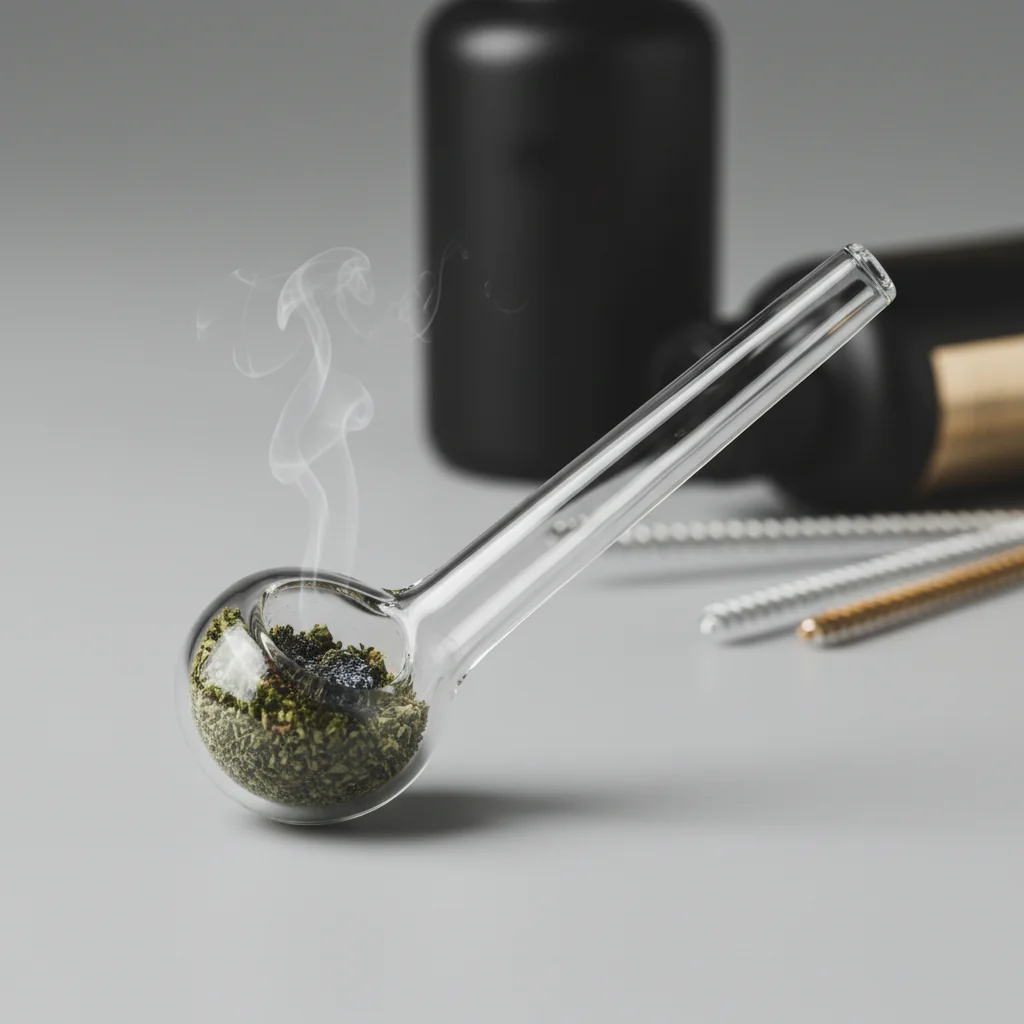
style="Margen: 1rem 0; Altura de línea: 1.75;">Las tuberías de vidrio son una de las formas más populares y amigables para principiantes de consumir cannabis. Son simples, portátiles y no requieren configuración. Esta guía completa cubre todo lo que necesita saber sobre el uso de un tubo de vidrio correctamente.
respuesta rápida
style="Margen: 1rem 0; Altura de línea: 1.75;">Uso de una pipa de vidrio: muela finamente su cannabis, llévela suelta en el recipiente, cubra el agujero del carburador con el dedo, lleve la pipa a los labios, encienda el borde del cannabis mientras inhala suavemente, suelte el carburador para limpiar la cámara y exhale. Comience con pequeños éxitos para la mejor experiencia.
Partes de una tubería de vidrio
style
Comprender la anatomía de su tubería lo ayuda a usarlo correctamente:
style="Margen: 1rem 0; Altura de línea: 1.75;">Bowl: La depresión redonda donde se empaca cannabis. El tamaño varía de pequeño (solo golpe) a grande (múltiples golpes).
style="Margen: 1rem 0; Altura de línea: 1.75;">carburador (carburador): un pequeño agujero en el costado del recipiente. Cubra mientras se ilumina, suelte para despejar el humo.
style="Margen: 1rem 0; Altura de línea: 1.75;">Cámara/Cuerpo: El tubo hueco donde el humo viaja y se enfría ligeramente.
style="Margen: 1rem 0; Altura de línea: 1.75;">Boquilla: de dónde inhalas. Debe ser suave y cómodo.
style
No todas las tuberías tienen carbohidratos. "Chillums" y algunos de un solo hit no tienen carbohidratos, simplemente inhalas continuamente.
lo que necesitas
style
Essential:
- tubo de vidrio
- Cannabis (Flor)
- grinder
- Mecha más encendedor o de cáñamo
style="Margen: 1rem 0; Altura de línea: 1.75;">Opcional pero útil:
- Pantallas de tuberías (metal metálica)
- herramienta de picadura
- Artículos de limpieza
style="margin: 1rem 0; line-height: 1.75;">Combina tu tubería con una calidad molinillo personalizado de munchmakers para obtener la consistencia perfecta.
style="Margen: 1rem 0; Altura de línea: 1.75;">Para más recursos educativos de cannabis, Americans for Safe Access proporciona información útil para los pacientes.
Paso a paso: usar un tubo de vidrio
Paso 1: Muele tu cannabis
style="Margen: 1rem 0; Line-Height: 1.75;">Utilice un molinillo para dividir su cannabis en piezas consistentes. quieres:
- Molienda fina (no en polvo)
- Piezas de tamaño uniforme para una quemadura constante
- Sin tallos ni semillas
style="Margin: 1rem 0; Line-Height: 1.75;">Por qué moler? El cannabis molido se quema uniformemente, maximiza el área superficial y evita la obstrucción.
Paso 2: Busque pantallas (opcional)
style="Margen: 1rem 0; Altura de línea: 1.75;">Si su tubo tiene un orificio grande, considere agregar una pantalla:
- Evita que el cannabis se caiga
- Evita que la ceniza entre en tu boca
- Las pantallas de latón, acero o vidrio funcionan todas
style
muchos tubos pequeños funcionan bien sin pantallas.
Paso 3: Empaque el tazón
sy
Cómo empacar correctamente:
style="Margen: 1rem 0; Altura de línea: 1.75;">1. No empaques demasiado apretado - El aire necesita fluir
2. Sueltamente en la parte inferior - donde entra el aire
3. ligeramente más firme en la parte superior: mantiene todo en su lugar
4. Llenar hasta el borde - pero no desbordar
style="Margen: 1rem 0; Altura de línea: 1.75;">cantidad: Comience con 0.1-0.2g para principiantes. Siempre puedes agregar más.
style="Margen: 1rem 0; Altura de línea: 1.75;">El "Medio Cuenco": Para sesiones en solitario, empaca la mitad del tazón. Desperdicia menos cannabis y proporciona nuevos éxitos.
Paso 4: Encuentra el carburador
style="Margen: 1rem 0; Altura de línea: 1.75;">Localice el orificio del carburador, generalmente en el lado izquierdo del recipiente. Cubrirás esto con el pulgar o el dedo mientras iluminas.
style="margen: 1rem 0; altura de línea: 1.75;">sin carburador? Algunas tuberías (chillums, one-hitters) no tienen carbohidratos. Simplemente inhalarás continuamente con estos.
Paso 5: Posición y Luz
style
Técnica adecuada:
style
1. Sostenga la tubería con la mano dominante
2. Coloque el pulgar/dedo sobre el carburador
3. Llevar la boquilla a los labios
4. Sostenga el encendedor sobre el tazón (no directamente en)
5. esquina el cuenco - Enciende solo un borde, no toda la superficie
6. Inhale suavemente mientras se ilumina
style="Margin: 1rem 0; line-height: 1.75;">cornering: Al encender solo una esquina del tazón, obtienes varios golpes frescos en lugar de un golpe ceniciento. Esto es educado al compartir y maximiza su cannabis.
Paso 6: Inhala y suelta
style
mientras inhalando:
1. Mantener el carburador cubierto
2 Ver el humo llenar la cámara
3. Cuando tengas suficiente humo, suelta el carburador
4. Inhale el humo restante de la cámara
5. Retire la tubería de la boca
6. Exhala
sy
Prima de principiante: Primeros pequeños golpes. Siempre puedes recibir otro golpe: no puedes deshacer un golpe demasiado grande.
Paso 7: Despejar y repetir
style
después de cada golpe:
- comprobar el estado del tazón
- Apisonar la ceniza si es necesario (utilice la herramienta de póquer)
- Vuelva a encender el cannabis aún verde debajo
- Continúe hasta que el tazón esté "cohecho" (ceniza completamente gris)
Errores y soluciones comunes
Error: Empacar demasiado apretado
0000000000:10:10: 1.75; 1.75; 1.75;">Problema: poco o ningún flujo de aire, difícil de dibujar
Solución: vacía y vuelve a empacar sin apretar. El aire debe fluir.
Error: incendiar todo el tazón
style="Margen: 1rem 0; Altura de línea: 1.75;">Problema: Toda la taza se quema a la vez, golpe duro, cannabis desperdiciado
Solución: Acorrala el cuenco - Enciende solo el borde que estás golpeando
Error: No usar el carburador
0000000000:10:10: 1.75. 1.75; 1.75; "Problema": 1. Rem 0; Altura de línea: 1.75;">Problema: golpes débiles, el humo se pone obsoleto en cámara
Solución: Cubra el carburador mientras se ilumina, suelta a la cámara despejada
Error: inhalar demasiado fuerte
style="Margen: 1rem 0; Altura de línea: 1.75;">Problema: tirando del cannabis a través del hoyo, golpes duros y duros
Solución: Inhalación suave y constante. Piensa en "bebir" no "chupar"
Error: no limpiar la tubería
0000000000:10: 1.75; 1.75; ">Problema: 1rm 0; 1.75;">Problema: flujo de aire obstruido, mal gusto, golpes duros
Solución: Limpieza regular (alcohol isopropílico + sal)
Tipos de tubos de vidrio
cuchara de tubos
sty
El tipo más común. Con forma de cuchara con:
- cuenco redondo
- Carbohidrato en el lado
- diseño sencillo
- muy portátil
style="Margen: 1rem 0; Altura de línea: 1.75;">Mejor para principiantes, uso diario, viajes
Tubos de Sherlock
style
nombrado así por tubo curvo de Sherlock Holmes:
- Cuello curvado
- Cuenco en la parte inferior
- Camino de humo más largo
- Diseño más elegante
style="Margen: 1rem 0; Altura de línea: 1.75;">Mejor para: Uso doméstico, golpes más suaves, Estilo
Tubos de apisonadora
style
forma de cilindro con:
- extremos abiertos
- Tazón en la parte superior
- Carbohidrato grande (end frontal completo)
- Éxitos intensos
style="Margen: 1rem 0; Altura de línea: 1.75;">Lo mejor para: usuarios experimentados, sesiones de grupo, bateadores pesados
Chillums/One-Hitters
style="Margen: 1rem 0; Altura de línea: 1.75;">Diseño de tubo recto:
- Sin carbohidratos
- cuenco pequeño
- muy portátil
- Capacidad de golpe simple
style
Mejor para: microdosificación, sigilo, en movimiento
burbujeador
style
Tubo con cámara de agua:
- filtración de agua
- Golpes más suaves
- Todavía portátil
- Lo mejor de ambos mundos
style="Margen: 1rem 0; Altura de línea: 1.75;">Mejor para: Hits más suaves sin compromiso de bong completo
Consejos para mejores éxitos
style="Margen: 1rem 0; Altura de línea: 1.75;">Consejo 1: Cannabis fresco = Mejores Hits
El cannabis almacenado correctamente, no demasiado seco, se quema mejor y sabe mejor.
style
Consejo 2: Mecha de cáñamo > Encendedor
La mecha de cáñamo evita el sabor del butano. Envuelva un poco alrededor de su encendedor para un uso fácil.
style
Consejo 3: Esquina cada vez
Incluso cuando está solo, arrinconando el tazón te da múltiples golpes nuevos.
style="Margen: 1rem 0; Altura de línea: 1.75;">Consejo 4: Limpia regularmente
Una tubería limpia golpea mejor. Limpieza semanal para uso regular.
style="Margen: 1rem 0; Altura de línea: 1.75;">Consejo 5: Apropiada de la rutina Mass.
La mediana-fina funciona mejor. Demasiado fina obstruye la tubería, quemaduras demasiado gruesas de manera desigual.
Etiqueta de tubería de vidrio (al compartir)
style="Margin: 1rem 0; line-height: 1.75;">Siempre acorrala el cuenco - No antorices todo
style="Margen: 1rem 0; Altura de línea: 1.75;">Pasa el green - Dale a tus amigos nuevos éxitos, no cenizas
style="Margen: 1rem 0; Altura de línea: 1.75;">Borrar tu golpe - No pases una cámara ahumada
style="Margin: 1rem 0; line-height: 1.75;">Advertencia sobre las cerezas - Dile a la siguiente persona si el tazón sigue encendido.
sy
ash antes de pasar - Tap primero ceniza suelta
style="Margen: 1rem 0; Altura de línea: 1.75;">Pase a la izquierda - Dirección de rotación tradicional
Consideraciones de seguridad
style="Margen: 1rem 0; Altura de línea: 1.75;">Conciencia del calor: El cuenco se calienta. No lo toque inmediatamente después de su uso.
style="Margen: 1rem 0; Altura de línea: 1.75;">Cleaning Chemicals: Enjuague bien después de la limpieza. Sin alcohol residual.
style="Margen: 1rem 0; Altura de línea: 1.75;">Fragilidad de vidrio: Manejar con cuidado. Las tuberías de vidrio pueden romperse.
style="Margen: 1rem 0; Altura de línea: 1.75;">Seguridad de la pantalla: Utilice únicamente pantallas diseñadas para tuberías. Sin papel de aluminio.
style="Margen: 1rem 0; Altura de línea: 1.75;">Ventilación: Humo en áreas bien ventiladas.
Cuándo limpiar tu pipa
style
Signos que necesitas limpiar:
- Acumulación de resina visible
- Flujo de aire restringido
- mal gusto
- cámara oscura
- carburador obstruido
style
Frecuencia de limpieza:
- Uso diario: semanal limpio
- Uso regular: Limpiar quincenalmente
- Uso ocasional: Limpio mensual
style="Margen: 1rem 0; Altura de línea: 1.75;">Consulte nuestra guía detallada: cómo limpiar una tubería de vidrio
Tubo de vidrio vs otros métodos
estilo = "Overflow-x: Auto; margen: 1.5rem 0";">
| portabilidad | igualdad | Configuración requerida | ||
|---|---|---|---|---|
| Tubo de vidrio | muy fácil | alto | médium | nadie |
| articulación de | corriente | alto | médium | Habilidad de rodar |
| tonto como un ja | moderado | Low | alto | agua, espacio |
| vaporizador | moderado | médium | alto | cargando, aprendiendo |
| plataforma de aprehensión | adelantado | muy bajo | varía | antorcha, concentrado |
Tubos de vidrio Excel para principiantes, viajes y sesiones rápidas.
Preguntas frecuentes
¿Cuánto cannabis debo usar en una pipa?
sty
Iniciar con 0.1-0.2 gramos para una sola sesión. Una pequeña pizca llena la mayoría de los tazones. Los principiantes deben comenzar con incluso menos: algunos pequeños golpes para medir los efectos.
¿Por qué mi pipa sabe mal?
style="Margen: 1rem 0; Altura de línea: 1.75;">Por lo general, de la acumulación de resina o con cannabis de baja calidad. Limpie su pipa regularmente con alcohol isopropílico y sal. El cannabis fresco y bien curado tiene mucho mejor sabor.
¿Puedo usar una tubería sin pantalla?
style="Margen: 1rem 0; Altura de línea: 1.75;">Sí, la mayoría de las tuberías pequeñas y medianas funcionan sin pantallas. Los agujeros de tazón más grandes pueden necesitar pantallas para evitar que el cannabis se desprenda.
Elegir su primera tubería
style
Para principiantes absolutos:
- Tubo de cuchara pequeña
- Vidrio grueso (más duradero)
- Agujero de carburador incluido
- diseño sencillo
style="Margen: 1rem 0; Altura de línea: 1.75;">Presupuesto: Las tuberías para principiantes de calidad funcionan entre $15 y 40. Evitar vidrios delgados muy baratos.
style="Margen: 1rem 0; line-height: 1.75;">Dónde comprar: tiendas de humo locales, minoristas en línea o consultar munchmakers para obtener accesorios de calidad.
sumario
style="Margen: 1rem 0; Altura de línea: 1.75;">Las tuberías de vidrio son ideales para principiantes porque:
- No requiere configuración
- Fácil de usar
- Fácil de limpiar
- Altamente portátil
- asequible
style="Margen: 1rem 0; Altura de línea: 1.75;">Domine los conceptos básicos: moler bien, empacar a sueltamente, acordonar el recipiente, usar el carburador, inhalar suavemente. Con la práctica, el uso de una tubería de vidrio se convierte en una segunda naturaleza.
style="Margen: 1rem 0; Altura de línea: 1.75;">Esta guía es para fines educativos. Las leyes de cannabis varían según la jurisdic Consuma siempre de manera responsable y legal.
Step 1:
Step 2:
Step 3:
Step 4:
Step 5:
Step 6:
Frequently Asked Questions
Comience con 0.1-0.2 gramos para una sola sesión. Una pequeña pizca llena la mayoría de los tazones. Los principiantes deben comenzar con incluso menos: algunos pequeños golpes para medir los efectos.
Related Guides
Best Pipes for Flavor: Materials and Designs That Taste Best
Comprehensive guide about best pipes for flavor: materials and designs that taste best. Learn everything you need to know with expert tips and detailed instructions.
Bubbler vs Dry Pipe: Which is Better for You?
Comprehensive guide about bubbler vs dry pipe: which is better for you?. Learn everything you need to know with expert tips and detailed instructions.

Chillum Pipes: History, Types, and How to Use
Learn about chillum pipes - their ancient Indian origins, different types (glass, clay, stone), and proper cupped-hand smoking technique. Complete guide to this traditional straight-tube pipe.