

Explicación de los tipos de tuberías de vidrio: Guía completa de los dispositivos de fumar

Emma Chen
Glass Specialist
Explicación de los tipos de tuberías de vidrio: Guía completa de los dispositivos de fumar
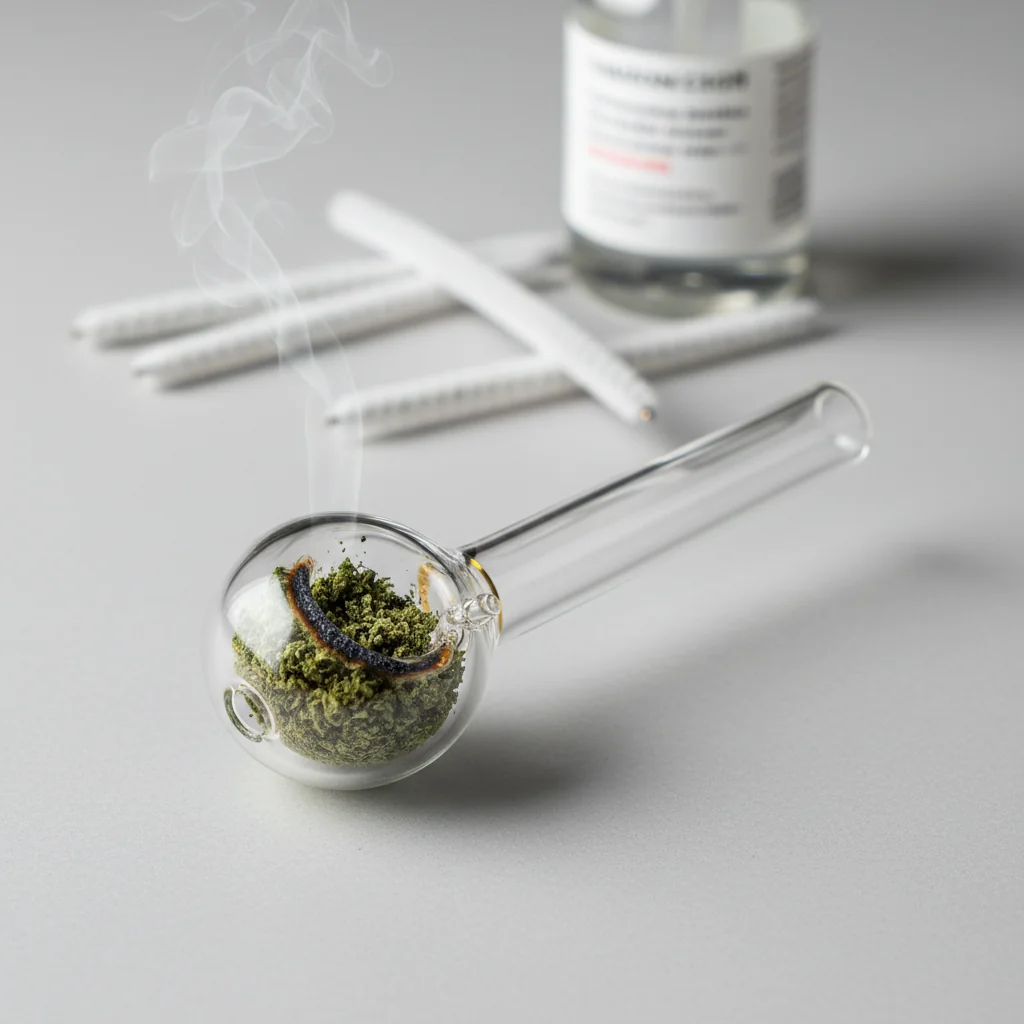
INGEL [ [ 0]]Las tuberías de vidrio vienen en muchas formas y tamaños, cada una con características únicas que afectan su experiencia de fumar. Desde simples pipas de cuchara hasta burbujeadores complejos, comprender las diferencias lo ayuda a elegir la pieza adecuada para sus necesidades.
respuesta rápida
INGEL [ [ 0]][1]]Los tipos de tuberías de vidrio principales son: Tubos de cuchara (más comunes, curvos con carbohidratos), Tubos Sherlock (cuello curvo, elegante), aplastadoras (golpes intensos, carbohidratos grandes), chillums/one-hitters (tubo recto, pequeño) y burbujeadores (filtración de agua). Cada uno ofrece diferentes portabilidad, intensidad de golpe y niveles de suavidad.
¿Por qué vidrio?
INGEL [ [ 0]]Antes de sumergirse en tipos, ¿por qué elegir vidrio sobre otros materiales?
INGEL [ [ 0]]Pros de vidrio:
- [ [ 0]]sabor puro - No hay sabores añadidos del material
- [ [0]]Fácil de limpiar - Superficie no porosa
- [ [ 0]]resistente al calor - El vidrio de borosilicato maneja altas temperaturas
- [ [ 0]]Apelación visual - Hermosos colores y diseños
- [ [ 0]]Variety - La mayoría de los estilos disponibles
INGEL [ [ 0]]Cons:
- [ [ 0]]Fragile - Puede romperse si se cae
- [ [ 0]]Temperature - se calienta durante el uso prolongado
- [ [ 0]]Precio - El vidrio de calidad cuesta más
INGEL [ [ 0]]Calentar la calidad [ [1]]Pipa para fumadores en Munchmakers para varios estilos y diseños. Para información sobre el cuidado de tuberías de vidrio, [ [ 3]]Herb proporciona guías útiles.
Tipo 1: Tubos de cuchara
INGEL [ [ 0]]El tipo de tubo de vidrio más popular. Llamado así por su forma de cuchara.
Características:
- Cuenco redondo en un extremo
- Agujero de carburador en el lado
- cuerpo curvo
- Boquilla recta
- Tamaño: 3-6 pulgadas típicamente
Ventajas:
- muy portátil
- Fácil de usar
- Asequible ($15-50)
- Amplia variedad disponible
- Perfecto para principiantes
Contras:
- puede calentarse
- Sin filtración de agua
- Golpes más pequeños que las piezas más grandes
Mejor para:
- principiantes
- uso diario
- tener
- Sesiones en solitario
- golpes rápidos
Cómo usar:
1. Pack Bowl con cannabis molido
2. Cubra el carburador con el dedo
3. Borde claro del cuenco al inhalar
4. Suelte el carburador para limpiar la cámara
Tipo 2: Tubos Sherlock
INGEL [ [ 0]]llamado así por el icónico tubo curvo de Sherlock Holmes. Elegante y distintivo.
Características:
- Cuello curvado en S o en J
- Cuenco cuelga debajo de la mano
- Camino de humo más largo
- A menudo diseños más ornamentados
- Tamaño: 5-8 pulgadas
Ventajas:
- Humo más fresco (camino más largo)
- agarre cómodo
- Apariencia elegante
- El tazón se mantiene alejado de la cara
- gran pieza de conversación
Contras:
- Menos portátil (forma curva)
- puede ser pesado en la parte superior
- A menudo más caro
- Más difícil de limpiar
Mejor para:
- Uso en casa
- Usuarios centrados en la estética
- Aquellos que quieren éxitos más geniales
- Mostrar/Colección
Variaciones:
- [ [ 0]]Tubos Gandalf - Cuello extra largo (10-14 pulgadas)
- [ [ 0]]Sherlock de pie - Fondo plano para pantalla
- [ [ 0]]Mini Sherlock - Versión compacta
Tipo 3: Tubos de apisonadora
INGEL [ [ 0]]Tubos cilíndricos conocidos por sus intensos y poderosos golpes.
Características:
- Forma de cilindro recto
- Tazón en la parte superior
- Abierto en ambos extremos
- Carbohidratos grandes (apertura frontal completa)
- Tamaño: 4-12 pulgadas
Ventajas:
- Grandes éxitos
- entrega rápida
- Diseño genial
- Sin humo persistente
- Popular para grupos
Contras:
- Muy intenso para principiantes
- Puede desperdiciar cannabis si no está listo
- golpes duros
- Difícil de regular el tamaño de golpe
Mejor para:
- Usuarios experimentados
- Sesiones de grupo
- Pesados bateadores
- Los que tienen una alta tolerancia
Cómo usar:
1. Cubre carburador frontal con palma
2. Bowl ligero mientras inhala
3. acumular humo en la cámara
4. Suelte la palma para inhalar todo
INGEL [ [ 0]][1]]Advertencia: Las apisonadoras golpean fuerte. Comience con pequeñas cantidades.
Tipo 4: Chillums / Un solo hit
INGEL [ [ 0]]El diseño de tubería más simple: un tubo recto.
Características:
- Forma de tubo recto
- Sin agujero de carburador
- Capacidad de cuenco pequeño
- muy compacto
- Tamaño: 2-4 pulgadas
Ventajas:
- extremadamente portátil
- muy discreto
- Perfecto para microdosificación
- Fácil de usar
- Asequible ($10-30)
Contras:
- éxitos muy pequeños
- se calienta rápidamente
- Sin control de carbohidratos
- Se necesita reempaquetado frecuente
Mejor para:
- microdosificación
- Situaciones de sigilo
- Uso en movimiento
- Conservación de cannabis
- Principiantes probando pequeñas cantidades
Variaciones:
- [ [ 0]]Sistemas de dugout - Un solo hit + caja de almacenamiento
- [ [ 0]]En forma de cigarrillo - Diseño ultra discreto
- [ [ 0]]Blunts de vidrio - Mecanismo de torsión para sesiones más largas
Tipo 5: Burbujas
INGEL [ [ 0]]El puente entre tuberías y bongs - filtración de agua en forma portátil.
Características:
- Cámara de agua incorporada
- Cuenco en la parte superior o lateral
- Agujero de carburador incluido
- Diseño más complejo
- Tamaño: 4-8 pulgadas
Ventajas:
- Golpes suaves y filtrados
- Humo más fresco
- Todavía portátil
- Mejor que las tuberías secas para la dureza
- más sabroso que los bongs
Contras:
- Necesita agua (menos conveniente)
- Puede derramarse si se inclina
- Más difícil de limpiar
- Más caro ($30-100+)
- gorgoteo cuando está bajo en agua
Mejor para:
- Aquellos que quieren suavidad sin un bong
- Uso doméstico principalmente
- Usuarios molestos por el humo duro
- Tierra intermedia entre la tubería/bong
Tipos de burbujeadores:
- [ [ 0]]Burbuje de martillo - forma de martillo, se levanta
- [ [ 0]]Sherlock Bubbler - Cuello curvo con cámara de agua
- [ [ 0]]Burbuja Sidecar - Boquilla en el lado de la cámara
- [ [ 0]]Doble burbujeador - Dos cámaras de agua
Cómo usar:
1. Llene la cámara de agua (lo suficiente para cubrir el tallo de bajada)
2. Pack Bowl
3. Cubrir carburador, luz, inhalar
4. Suelte el carburador para limpiar
Tipo 6: Tubos de especialidad
INGEL [ [ 0]]Diseños menos comunes pero interesantes:
Tubos de Gandalf
- Cuello curvo extralargo (10-18 pulgadas)
- Humo muy fresco
- pieza de declaración
- Frágil, solo para uso doméstico
Tubos de animales/personajes
- Con forma de animales, caras, objetos
- Valor coleccionable
- expresión artística
- Funcionalidad variada
Tubos de gravedad
- Usar agua y presión de aire
- Éxitos intensos
- experiencia única
- Se requiere más configuración
Tubos que cambian de color
- Plata/oro fumando en vidrio
- Cambia el color con el uso (resin revela el patrón)
- Popular por la estética
- Misma funcionalidad que estándar
tabla de comparación
INGEL [ [ 0]]
como elegir
Para principiantes:
[ [ 0]]Comienza con un tubo de cuchara
- Fácil de usar
- asequible
- Perdonar si se cae (vaso grueso)
- Técnica de fácil aprendizaje
Para golpes suaves:
[ [ 0]]Ir por un burbujeador
- La filtración de agua ayuda
- menos dureza
- Todavía lo suficientemente portátil
Para usuarios pesados:
[ [ 0]]Considere una apisonadora o una cuchara más grande
- Cámaras más grandes
- Más capacidad
- Eficiente para uso frecuente
Para uso discreto:
[ [0]]Elige un chillum/un hit
- Tamaño compacto
- Uso Rápido
- Fácil de ocultar
Para pantalla de casa:
[ [0]]Sherlock o pieza artística
- hermosos diseños
- iniciador de conversación
- Puede ser arte funcional
Indicadores de calidad
Buenas señales:
- [ [ 0]]Vidrio grueso - Más duradero
- [ [0]]Uniones lisas - Sin bordes ásperos
- [ [ 0]]Paros pares - Espesor consistente
- [ [ 0]]carbohidratos sólidos - agujero limpio, buen tamaño
- [ [ 0]]boquilla cómoda - Tamaño suave y adecuado
- [ [0]]Marca/Artista Conocido - Calidad Reputación
Banderas rojas:
- vaso muy delgado
- Bordes ásperos o afilados
- Burbujas o imperfecciones en vidrio
- Diseño tambaleante o desigual
- Demasiado-bueno-a-el-verdaderos-precio
- Pintura en lugar de vidrio trabajado
Consejos de cuidado para todo tipo
INGEL [ [ 0]]mantenimiento general:
- Limpie regularmente (semanal para uso diario)
- No exponga a cambios rápidos de temperatura
- Almacenar de forma segura cuando no esté en uso
- Usa pantallas si es necesario
- Noquear a Ash después de cada sesión
INGEL [ [ 0]]limpieza:
- El método de alcohol isopropílico + sal funciona para todos
- Los burbujeadores necesitan más atención (cambiar agua diariamente)
- Limpiadores de tuberías para trabajos detallados
- Enjuague bien antes de usar
Preguntas frecuentes
¿Cuál es la tubería más fácil para principiantes?
INGEL [ [ 0]]Las pipas de cuchara son ideales para principiantes. Son intuitivos de usar, asequibles y perdonadores. El orificio para carburadores enseña la técnica adecuada y son fáciles de limpiar. Comience con un diseño grueso y simple.
¿Los burbujeadores golpean más suave que las tuberías normales?
INGEL [ [ 0]]Sí, los burbujeadores golpean notablemente más suave porque el agua filtra y enfría el humo. La diferencia es significativa para los usuarios sensibles a la dureza. Sin embargo, requieren agua y son un poco menos convenientes.
¿Por qué las apisonadoras son tan intensas?
INGEL [ [0]]Steamrollers no tienen restricción: cuando sueltas el carburador delantero grande, inhalas toda la cámara de humo al instante. No hay un claro gradual como con un pequeño orificio de carburador. El golpe completo viene todo a la vez.
INGEL [ [ 0]]Esta guía es para fines educativos. Las leyes del cannabis varían según la jurisdicción.
Frequently Asked Questions
Los tubos de cuchara son ideales para principiantes. Son intuitivos de usar, asequibles y perdonadores. El orificio para carburadores enseña la técnica adecuada y son fáciles de limpiar. Comience con un diseño grueso y simple.
Sí, los burbujeadores golpean notablemente más suave porque el agua filtra y enfría el humo. La diferencia es significativa para los usuarios sensibles a la dureza. Sin embargo, requieren agua y son un poco menos convenientes.
Las apisonadoras no tienen restricciones: cuando sueltas el carburador delantero grande, inhalas toda la cámara de humo al instante. No hay un claro gradual como con un pequeño orificio de carburador. El golpe completo viene todo a la vez.
Related Guides
Best Pipes for Flavor: Materials and Designs That Taste Best
Comprehensive guide about best pipes for flavor: materials and designs that taste best. Learn everything you need to know with expert tips and detailed instructions.
Bubbler vs Dry Pipe: Which is Better for You?
Comprehensive guide about bubbler vs dry pipe: which is better for you?. Learn everything you need to know with expert tips and detailed instructions.

Chillum Pipes: History, Types, and How to Use
Learn about chillum pipes - their ancient Indian origins, different types (glass, clay, stone), and proper cupped-hand smoking technique. Complete guide to this traditional straight-tube pipe.