
Cómo tomar un descanso de tolerancia: restablecer su sensibilidad al cannabis

Sarah Green
Cannabis Educator
Cómo tomar un descanso de tolerancia: restablecer su sensibilidad al cannabis
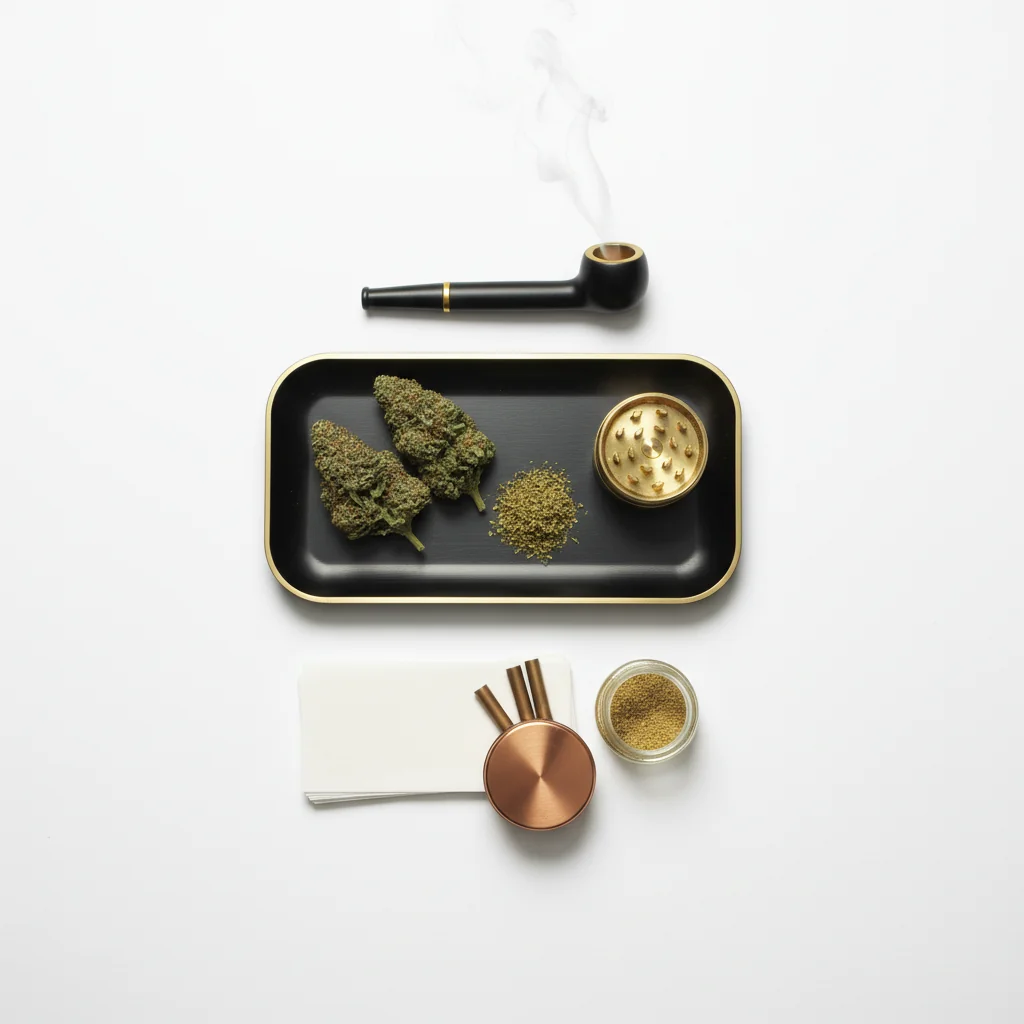
INGEL [ [ 0]]Si ha estado usando cannabis regularmente y notó que necesita más para lograr los mismos efectos, podría ser el momento de una ruptura de tolerancia. También conocido como "T-Break", esta pausa intencional del consumo de cannabis permite a tu cuerpo restablecer su sensibilidad a los cannabinoides, lo que hace que tu cannabis sea más efectivo y potencialmente ahorrando dinero.
INGEL [ [ 0]]Esta guía le guía a través de todo lo que necesita saber sobre los descansos de tolerancia, incluyendo por qué funcionan, cuánto tiempo deben durar, qué esperar durante el proceso y consejos para que su descanso sea lo más cómodo posible.
tabla de contenido
INGEL [ [ 0]] [ [ 1]] Respuesta rápida
respuesta rápida
INGEL [ [0]]Una ruptura de tolerancia de 2 a 4 semanas permite que sus receptores CB1 vuelvan a la sensibilidad inicial. La mayoría de las personas notan una reducción significativa de la tolerancia después de solo 48-72 horas, con un restablecimiento completo del receptor alrededor del día 21-28. Durante su descanso, manténgase activo, manténgase hidratado y considere el CBD para facilitar la transición.
¿Qué es la tolerancia al cannabis?
INGEL [ [ 0]]La tolerancia al cannabis se desarrolla cuando su sistema endocannabinoide se adapta a la exposición regular al THC. Específicamente, sus receptores CB1, a los que se une el THC, se vuelven menos sensibles con el tiempo. Esto significa que necesitas progresivamente más cannabis para lograr los mismos efectos que una vez obtienes de cantidades más pequeñas.
Cómo se desarrolla la tolerancia
INGEL [ [ 0]]Cuando consumes THC regularmente, tu cerebro responde de:
INGEL [ [ 0]]1. [ [1]]Reducción de la sensibilidad del receptor - Los receptores CB1 se vuelven menos sensibles al THC
2 . [ [ 0]]Densidad de receptores decrecientes - Su cerebro en realidad reduce el número de receptores CB1
3. [ [ 0]]Cambio de señalización interna - Las vías celulares que responden a los cannabinoides se vuelven menos eficientes
INGEL [ [ 0]]La buena noticia es que este proceso es reversible. Cuando deja de consumir THC, su sistema endocannabinoide vuelve gradualmente a su estado de línea base.
Cronología de tolerancia
INGEL [ [ 0]]
Señales de que necesita una ruptura de tolerancia
Estás usando más que antes
INGEL [ [ 0]]El signo más claro de tolerancia es necesitar mayores cantidades para sentir los efectos. Si su consumo se ha duplicado o triplicado con el tiempo, es probable que su tolerancia haya aumentado significativamente.
Los efectos se sienten disminuidos
INGEL [ [ 0]]Incluso en dosis más altas, la experiencia puede parecer menos intensa, más corta o menos agradable de lo que antes era.
estas gastando mas dinero
INGEL [ [0]]El consumo aumentado significa mayores costos. Si su presupuesto de cannabis ha crecido significativamente, una ruptura de tolerancia puede ayudar a restablecer su línea de base y ahorrar dinero a largo plazo.
El cannabis se siente rutinario en lugar de especial
INGEL [ [ 0]]Cuando el cannabis se vuelve puramente habitual en lugar de agradable o terapéutico, un descanso puede ayudar a restaurar su apreciación por sus efectos.
Quieres beneficios medicinales más fuertes
INGEL [ [ 0]]Los usuarios médicos a veces encuentran que la tolerancia disminuye los beneficios terapéuticos en los que se basan. Una ruptura de tolerancia puede ayudar a restaurar la eficacia para el alivio del dolor, el sueño o el manejo de la ansiedad.
¿Cuánto tiempo debe durar tu descanso?
La línea de tiempo basada en la ciencia
INGEL [ [ 0]]La investigación sobre la recuperación del receptor CB1 sugiere la siguiente línea de tiempo:
INGEL [ [ 0]][1]]48-72 horas: la sensibilidad inicial del receptor comienza a regresar. Muchas personas notan alguna diferencia después de solo 2-3 días.
INGEL [ [ 0]][1]]1 semana: Se produce una regulación positiva significativa del receptor. La mayoría de los usuarios casuales notarán una reducción de la tolerancia significativa.
INGEL [ [ 0]][1]]2 semanas: recuperación sustancial para usuarios regulares. Este es a menudo el punto ideal para equilibrar la efectividad con la duración de la ruptura.
INGEL [ [ 0]][1]]3-4 semanas: Restablecimiento del receptor casi completo. Los usuarios diarios pesados suelen necesitar esta duración para una inversión total de tolerancia.
INGEL [ [ 0]]4+ semanas: Rendimientos decrecientes. La mayor parte de la recuperación del receptor ocurre dentro del primer mes.
Longitudes de ruptura reco
INGEL [ [ 0]]
Qué esperar durante su descanso
Días 1-3: Periodo de ajuste
INGEL [ [ 0]]Los primeros días son típicamente los más desafiantes. Puede experimentar:
INGEL [ [ 0]] [ [ 1]]dificultades para dormir: quedarse dormido sin cannabis puede ser un desafío, y es posible que tengas sueños vívidos
INGEL [ [ 0]]Estos síntomas suelen ser leves y temporales. Son señales de que su cuerpo se está reajustando, no que nada esté mal.
Días 4-7: Estabilización
INGEL [ [ 0]]La mayoría de los síntomas agudos comienzan a desvanecerse durante este período. Puede que notes:
INGEL [ [ 0]] [ [ 1]]Patrones de sueño comenzando a normalizarse
Semana 2 y más allá: Nueva normalidad
INGEL [ [ 0]]A la segunda semana, la mayoría de las personas se sienten completamente normales. Incluso puede notar algunos beneficios:
INGEL [ [ 0]] [ [1]]Sueños más vívidos (Recuperaciones de sueño REM)
Consejos para una ruptura de tolerancia exitosa
planificar con anticipación
INGEL [ [0]]Elige un momento en el que tengas menos factores estresantes y el cannabis no es fundamental para tus planes sociales. Por ejemplo, puede ser más fácil comenzar un descanso durante unas vacaciones que durante un período de trabajo de alto estrés.
Eliminar la tentación
INGEL [ [ 0]]Guardar su cannabis y accesorios en algún lugar fuera de la vista, o dáselos a un amigo de confianza para que los contenga. Tener suministros fácilmente disponibles hace que romper sea más desafiante.
Manténgase activo
INGEL [ [ 0]]El ejercicio libera naturalmente endocannabinoides, lo que puede ayudar a facilitar la transición. Incluso una actividad ligera como caminar puede marcar una diferencia significativa en cómo te sientes.
Priorizar la higiene del sueño
INGEL [ [0]]Desde que la interrupción del sueño es común durante los descansos en T:
INGEL [ [ 0]] [ [1]]Mantener un horario de sueño constante
Mantente hidratado y come bien
INGEL [ [ 0]]La nutrición e hidratación adecuadas apoyan el proceso de ajuste natural de su cuerpo. Concéntrese en alimentos integrales y evite la cafeína o el alcohol excesivo.
encontrar actividades alternativas
INGEL [ [ 0]]Identifica qué actividades sueles combinar con el cannabis y encuentra alternativas:
INGEL [ [ 0]] [ [ 1]]Si fumas antes de las películas, prueba con una nueva y atractiva serie
Usar productos de CBD
INGEL [ [ 0]]CBD no causa problemas de tolerancia de la misma manera que lo hace el THC, y puede ayudar a aliviar algunos síntomas de transición. Considere el aceite de CBD, [ [ 1]]comidales, o florecen durante el descanso.
Manejo de los síntomas de abstinencia
INGEL [ [ 0]]La abstinencia de cannabis es real pero típicamente leve en comparación con otras sustancias. Aquí se explica cómo manejar los síntomas comunes:
Problemas de sueño
INGEL [ [ 0]] [ [ 1]]Evitar la cafeína después del mediodía
Irritabilidad y cambios de humor
INGEL [ [ 0]] [ [1]]Práctica técnicas de reducción del estrés
Cambios de apetito
INGEL [ [ 0]] [ [ 1]]Comer comidas más pequeñas y frecuentes si las comidas grandes se sienten desagradables
sueños vívidos
INGEL [ [ 0]]Rem Rebound provoca sueños intensos y memorables después de detener el cannabis. Aunque a veces inquietante, esto es normal y temporal. Algunas personas realmente disfrutan de este aspecto de los T-breaks.
Rompiendo tu descanso: volviendo
Comience bajo, vaya despacio
INGEL [ [ 0]]Después de una ruptura de tolerancia, su sensibilidad será significativamente mayor. Lo que una vez fue una dosis normal ahora podría parecer abrumador. Comience con el 25-50% de su cantidad previa al descanso y aumente gradualmente.
Elija la calidad sobre la cantidad
INGEL [ [ 0]]Con una sensibilidad renovada, puedes apreciar los matices en diferentes cepas y productos que la tolerancia puede haber enmascarado. Considere explorar diferentes [ [ 1]]cepas o probando una alta calidad [ [ 3]]vaporizador.
Mantenga su menor tolerancia
INGEL [ [ 0]]Para conservar su tolerancia de reinicio:
INGEL [ [ 0]] [ [ 1]]Usa con menos frecuencia que antes de tu descanso
Alternativas a las pausas de tolerancia total
Enfoque de reducción
INGEL [ [ 0]]En lugar de detenerse por completo, reduzca su consumo en un 50% durante varias semanas. Este enfoque más lento puede ser más fácil para usuarios pesados o pacientes médicos.
Rotación de tensión
INGEL [ [ 0]]Rotar entre diferentes cepas y perfiles de cannabinoides puede ayudar a retrasar el desarrollo de la tolerancia, aunque no es tan efectivo como una verdadera ruptura.
Sustitución de CBD
INGEL [ [ 0]]Reemplace algunos consumos de THC con productos de CBD. Esto mantiene una rutina de cannabis al tiempo que permite que los receptores CB1 se recuperen.
período de microdosificación
INGEL [ [ 0]]Cambiar a [ [ 1]]microdosificación durante unas semanas. El uso de cantidades muy pequeñas permite la recuperación parcial del receptor manteniendo el consumo de cannabis.
Cambio de método de consumo
INGEL [ [ 0]]Si fuma principalmente, cambiando a comestibles ocasionales, o viceversa, puede proporcionar un reinicio parcial debido a los diferentes métodos de absorción.
Pensamientos finales
INGEL [ [0]]Las rupturas de tolerancia son una de las herramientas más eficaces para mantener una relación sana y sostenible con el cannabis. Si bien los primeros días pueden ser un desafío, la mayoría de las personas encuentran que la incomodidad temporal que bien vale los beneficios de la sensibilidad restaurada.
INGEL [ [ 0]]Si eliges un descanso completo de 4 semanas o un reinicio más corto de 1 semana, la clave es ser intencional sobre tu descanso y tener estrategias para que tenga éxito. Recuerde que una ruptura de tolerancia no es un castigo sino una inversión en mejores experiencias de cannabis por venir.
INGEL [ [ 0]]Para aquellos nuevos en el cannabis que quieren evitar construir la tolerancia en primer lugar, nuestro [ [ 1]]Guía de fumadores por primera vez Incluye consejos sobre patrones de consumo que ayudan a mantener la sensibilidad a largo plazo.
Preguntas frecuentes
¿Cuánto tiempo tarda en desaparecer la tolerancia al cannabis?
INGEL [ [ 0]]La reducción de tolerancia significativa se produce dentro de 1-2 semanas para la mayoría de los usuarios. El reinicio completo del receptor generalmente toma de 3 a 4 semanas, aunque los usuarios casuales pueden restablecerse mucho más rápido.
¿Es peligroso el retiro del cannabis?
INGEL [ [ 0]]No, la retirada de cannabis no es médicamente peligrosa. Los síntomas suelen ser leves e incluyen alteración del sueño, irritabilidad y cambios de apetito. Por lo general se resuelven en 1-2 semanas.
¿Puedo usar CBD durante un descanso de tolerancia?
INGEL [ [ 0]]Sí, el CBD no afecta la tolerancia al THC y puede ayudar a aliviar algunos síntomas de transición. Es una opción popular para aquellos que toman T-breaks.
¿Un golpe arruinará mi ruptura de tolerancia?
INGEL [ [ 0]]Un deslizamiento no restablecerá su progreso a cero, pero puede retrasar la recuperación del receptor. Si te resbalas, simplemente continúa tu descanso en lugar de rendirte por completo.
¿Con qué frecuencia debo tomar descansos de tolerancia?
INGEL [ [0]]Esto depende de su patrón de uso. Los usuarios diarios pesados pueden beneficiarse de minidescansos mensuales (2-3 días) y descansos trimestrales más largos (1-2 semanas). Los usuarios moderados solo pueden necesitar un descanso una o dos veces al año.
¿Por qué mis sueños son tan vívidos durante un T-break?
INGEL [ [ 0]]Cannabis suprime el sueño REM, donde ocurre la mayoría de los sueños. Cuando dejas de usar, REM se recupera, lo que lleva a sueños inusualmente vívidos y memorables. Esto es normal y temporal.
INGEL [ [ 0]]Esta guía es sólo para fines educativos. Si experimenta síntomas graves durante un descanso de tolerancia, consulte a un proveedor de atención médica. Esto no es un consejo médico.
Frequently Asked Questions
La reducción de la tolerancia significativa ocurre dentro de 1-2 semanas para la mayoría de los usuarios. El reinicio completo del receptor generalmente toma de 3 a 4 semanas, aunque los usuarios casuales pueden restablecerse mucho más rápido.
No, la retirada de cannabis no es médicamente peligrosa. Los síntomas suelen ser leves e incluyen alteración del sueño, irritabilidad y cambios de apetito. Por lo general se resuelven en 1-2 semanas.
Sí, el CBD no afecta la tolerancia al THC y puede ayudar a aliviar algunos síntomas de transición. Es una opción popular para aquellos que toman T-breaks.
Un deslizamiento no restablecerá su progreso a cero, pero puede retrasar la recuperación del receptor. Si te resbalas, simplemente continúa tu descanso en lugar de rendirte por completo.
Esto depende de su patrón de uso. Los usuarios diarios pesados pueden beneficiarse de mini-breaks mensuales y de descansos trimestrales más largos. Los usuarios moderados solo pueden necesitar un descanso una o dos veces al año.
El cannabis suprime el sueño REM, donde ocurre la mayoría de los sueños. Cuando dejas de usar, REM se recupera, lo que lleva a sueños inusualmente vívidos y memorables.
Related Guides

Common Beginner Mistakes to Avoid When Using Cannabis
Learn the most common mistakes first-time and new cannabis users make, why they happen, and how to avoid them for a better experience.
Best Snacks to Enjoy When High: Ultimate Munchies Guide
Comprehensive guide about best snacks to enjoy when high: ultimate munchies guide. Learn everything you need to know with expert tips and detailed instructions.
Best Time of Day to Smoke Cannabis: Morning vs Evening Effects
Comprehensive guide about best time of day to smoke cannabis: morning vs evening effects. Learn everything you need to know with expert tips and detailed instructions.