
THCA vs THC: Komplette Vergleichshandbuch

Sarah Green
Cannabis Educator
THCA vs THC: Komplette Vergleichshandbuch
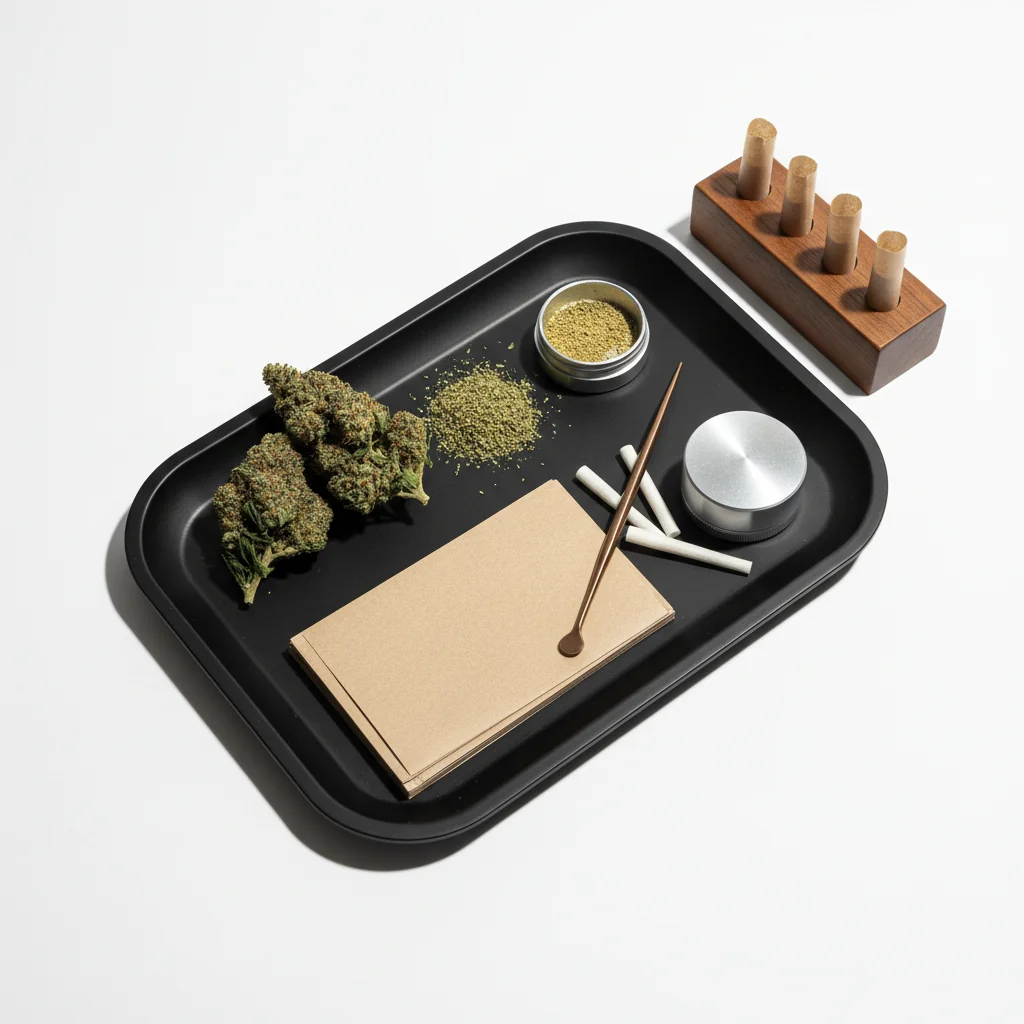
Wenn Sie Zeit mit Cannabis erforschen, sind Sie wahrscheinlich sowohl auf THCA als auch auf THC gestoßen. Während sie ähnlich klingen und eng miteinander verbunden sind, haben diese beiden Cannabinoide grundlegend unterschiedliche Auswirkungen auf Ihren Körper. Das Verständnis der Unterscheidung zwischen THCA und THC ist für jeden, der fundierte Entscheidungen über den Cannabiskonsum treffen möchte, für den Freizeitgenuss oder für therapeutische Zwecke von entscheidender Bedeutung.
Dieser umfassende Leitfaden enthält alles, was Sie über THCA gegen THC wissen müssen, einschließlich deren chemischer Strukturen, Auswirkungen, Vorteile, rechtlicher Status und wie man sich durch einen Prozess, der als Decarboxylierung bezeichnet wird, in den anderen transformiert.
schnelle Antwort
THCA (Tetrahydrocannabinolsäure) ist der nicht berauschende Vorläufer des THC, das in rohem Cannabis gefunden wird. THC (Tetrahydrocannabinol) ist die psychoaktive Verbindung, die das mit Cannabis verbundene "hohe" produziert. THCA wandelt sich in THC um, wenn es durch Rauchen, Dampfen oder Kochen Hitze ausgesetzt wird. Rohes Cannabis bringt Sie nicht hoch, weil es THCA enthält, nicht THC.
Inhaltsverzeichnis
- Was ist THCA?
- Was ist THC?
- Hauptunterschiede zwischen THCA und THC
- Der Decarboxylierungsprozess
- Vorteile von THCA gegen THC
- Rechtsstatus: THCA gegen THC
- Wie konsumiere ich THCA gegen THC?
- Profi-Tipps
- FAQ
Was ist THCA?
THCA oder Tetrahydrocannabinolsäure ist das am häufigsten vorkommende Cannabinoid in frischen, lebenden Cannabispflanzen. Wenn Sie sich eine rohe Cannabisblume ansehen, ist praktisch das gesamte vorhandene "THC" tatsächlich in seiner sauren Form wie THCA.
Die Wissenschaft hinter THCA
THCA ist ein Vorläufer-Cannabinoid, was bedeutet, dass es die Chemikalie ist, die vor dem berühmteren THC existiert. In der Cannabispflanze dient THCA als Abwehrmechanismus und wird durch Biosynthese aus CBGA (Cannabigerolsäure) produziert, die oft als "Mutter aller Cannabinoide" bezeichnet wird.
Die Molekülstruktur von THCA umfasst eine an das Molekül gebundene Carboxylgruppe (COOH). Diese zusätzliche Komponente macht THCA nicht berauschend - sie verhindert, dass die Verbindung effektiv an CB1-Rezeptoren in Ihrem Gehirn bindet, die für die euphorische Wirkung von Cannabis verantwortlich sind.
THCA in rohem Cannabis
Frische Cannabisblüten, selbst hochwirksame Sorten, erzeugen keine psychoaktiven Effekte, wenn sie roh gegessen werden. Deshalb bringt Sie das Essen roher Cannabis-Knospen nicht hoch - das THCA wurde noch nicht in THC umgewandelt. Einige Wellness-Enthusiasten bevorzugen es tatsächlich, rohes Cannabis durch Entsaften oder Smoothies zu konsumieren, um THCA ohne Vergiftung zu erhalten.
Was ist THC?
THC oder Delta-9-Tetrahydrocannabinol ist die primäre psychoaktive Verbindung in Cannabis. Es ist verantwortlich für das euphorische "Hoch", für das Cannabis bekannt ist und eines der am besten untersuchten Cannabinoide in der Pflanze ist.
Wie THC in Ihrem Körper funktioniert
Wenn Sie Cannabis durch Rauchen, Dampfen oder richtig vorbereitete Esswaren konsumieren, gelangt THC in Ihren Blutkreislauf und überquert die Blut-Hirn-Schranke. Einmal im Gehirn bindet THC an Cannabinoid-Rezeptoren (hauptsächlich CB1-Rezeptoren) im Endocannabinoid-System, was zu Effekten führt, wie z.
- Euphorie und Stimmungserhöhung
- veränderte Zeitwahrnehmung
- Verbesserte sensorische Erfahrungen
- Erhöhter Appetit (die "Munchies")
- Entspannung oder Beruhigung
- Schmerzlinderung
Die Wirkungen von THC beginnen in der Regel innerhalb von Minuten, wenn sie geraucht oder verdampft sind, und können je nach Dosis und individueller Toleranz 2-4 Stunden andauern.
THC-Potenz
Moderne Cannabissorten können zwischen 15% und über 30% THC enthalten. Zum Vergleich enthielt Cannabis in den 1970er Jahren typischerweise etwa 3-5% THC. Diese dramatische Steigerung der Potenz ist ein Grund, warum das Verständnis der richtigenDosierung für Erstbenutzerist so wichtig.
Hauptunterschiede zwischen THCA und THC
Chemische Struktur
Der wesentliche strukturelle Unterschied ist die an THCA gebundene Carboxylgruppe. Dieser scheinbar kleine molekulare Unterschied verändert die Interaktion der Verbindung mit Ihrem Endocannabinoid-System vollständig.
Stabilität
THCA ist relativ instabil und wird im Laufe der Zeit auch bei Raumtemperatur langsam in THC umgewandelt. Aus diesem Grund kann sich gealterter oder unsachgemäß gelagerter Cannabis stärker anfühlen - einige THCA hat sich auf natürliche Weise in THC umgewandelt.
Der Decarboxylierungsprozess
Die Decarboxylierung (oft als "Entkarbung" bezeichnet) ist die chemische Reaktion, die THCA in THC umwandelt. Das Verständnis dieses Prozesses ist für jeden entscheidend, der essbares machen oder den Cannabiskonsum vollständig verstehen möchte.
Was passiert während der Decarboxylierung?
Wenn Cannabis der Hitze ausgesetzt wird, wird die Carboxylgruppe (COOH) auf THCA-Molekülen als Kohlendioxid (CO2) und Wasserdampf freigesetzt. Dies entfernt diese extra molekulare Komponente und wandelt THCA in das psychoaktive THC um.
Wann findet eine Decarboxylierung statt?
- Rauchen: Die Flamme decarboxyliert sofort das Cannabis
- dampfend: Wärme vom Verdampfer wandelt THCA in THC um
- Kochen: Backen von Cannabis bei 220-245 ° F für 30-45 Minuten
- Zeit: Sehr langsame Umwandlung bei Raumtemperatur
Für diejenigen, die essbares machen möchten, besuchen Sie unsereCannabis-Decarboxylierungs-AnleitungDetaillierte Anweisungen zu den richtigen Temperaturen und Timing.
Warum essbares Entkarbs erfordert
Wenn Sie jemals versucht haben, essbare Produkte zu machen, indem Sie einfach rohen Cannabis in Brownie-Teig mischen, haben Sie wahrscheinlich bemerkt, dass sie nicht funktioniert haben. Das liegt daran, dass die Ofentemperatur während des Backens nicht optimal für die Decarboxylierung ist - Sie müssen Ihr Cannabis zuerst für einen längeren Zeitraum auf eine niedrigere Temperatur vorheizen.
Vorteile von THCA gegen THC
Beide Cannabinoide bieten potenzielle therapeutische Vorteile, aber sie wirken auf unterschiedliche Weise.
Mögliche Vorteile von THCA
Forschungen zu THCA zeichnen sich noch aus, aber vorläufige Studien legen nahe:
- anti -Entzündliche Eigenschaften: Kann bei Entzündungen helfen
- neuroprotektive Wirkung: potenzieller Schutz von Gehirnzellen
- anti -Übelkeit: Einige Hinweise auf die Verringerung von Übelkeit ohne Vergiftung
- Keine Beeinträcht: Kann beim Arbeiten oder Fahren verwendet werden (wo legal)
Mögliche Vorteile von THC
THC wurde ausführlicher untersucht:
- Schmerzlinderung: Wird häufig für chronische Schmerztherapie verwendet
- Appetitanregung: Hilfreich für Chemotherapie
- Schlafmittel: Viele Benutzer berichten von verbesserter Schlafqualität
- Angstlinderung: Bei geeigneten Dosen kann die Angst reduzieren (obwohl hohe Dosen sie erhöhen können)
- Muskelentspannung: Kann bei Krämpfen und Spannungen helfen
Rechtsstatus: THCA gegen THC
Die Rechtslandschaft für THCA vs THC ist kompliziert und entwickelt sich ständig weiter.
THC-Rechtsstatus
Delta-9 THC bleibt eine kontrollierte Substanz auf Bundesebene in den Vereinigten Staaten. Viele Staaten haben jedoch Cannabis für medizinische Zwecke, Freizeitzwecke oder beides legalisiert. Überprüfen Sie immer Ihre örtlichen Gesetze, bevor Sie THC-Produkte kaufen oder konsumieren.
THCA legale Lücke
Hier wird es interessant: Da THCA technisch nicht THC ist, argumentieren einige, dass THCA-Produkte in eine legale Grauzone fallen, ähnlich der Delta-8-THC-Situation. Einige Unternehmen verkaufen "THCA-Blume", deren technisch legal zu versenden ist, da sie weniger als 0,3% Delta-9 THC enthält - obwohl sie beim Rauchen in THC umgewandelt werden.
maßgebend: Dies ist eine legale Grauzone. Die DEA und einige Staaten haben begonnen, zu klären, dass THCA für den gesamten THC-Gehalt angerechnet werden sollte. Recherchieren Sie immer Ihre örtlichen Gesetze, bevor Sie Cannabisprodukte kaufen.
Wie konsumiere ich THCA gegen THC?
Konsum von THCA (nicht psychoaktiv)
- Roher Cannabissaft: Mischen Sie frische Blätter und Blumen
- Diese Tinkturen: speziell vorbereitet, um THCA zu erhalten
- Rohe Blume in Smoothies: Kleine Mengen zu Getränken hinzufügen
- THCA-Diamanten: reines kristallines THCA (wird bei Erwärmung umgesetzt)
Konsum von THC (psychoaktiv)
- Rauchen: mit apfeif, Bong oderstoßen
- dampfend: Trockene Kräuter- oder Konzentratverdampfer
- Speisen: richtig entkariertes Cannabis in Lebensmitteln
- Tinktur: THC in Öl oder Alkohol gelöst
- Konzentrat: Tupfen, Wachs, Zerbrechen mit atupfen
Profi-Tipps
1. Wenn Sie die Blume zum Rauchen kaufen, wird es in THC umwandeln und psychoaktive Effekte erzeugen - lassen Sie sich nicht von dem "THCA" -Label täuschen
2. Cannabis richtig aufbewahrenUm unerwünschte THCA-zu-THC-Umwandlungen zu vermeiden, luftdichte Behälter vor Hitze und Licht verwenden
3. Für essbare, 30-45 Minuten lang zuerst bei 220-245 ° F entcarb, bevor Sie Butter oder Öl infundieren
4. DrogentestsUnterscheiden Sie nicht zwischen THCA- und THC-Metaboliten - nehmen Sie an, dass ein Cannabisprodukt ein positives Ergebnis auslösen könnte
5. Niedrig anfangen, langsam gehenBeim Ausprobieren eines neuen THC-Produkts, insbesondere wenn Sie vom THCA-Verbrauch kommen
FAQ
Bringt dich das hoch?
Nein, THCA erzeugt keine berauschenden Wirkungen. Es kann nicht effektiv an die CB1-Rezeptoren in Ihrem Gehirn binden, die das "hohe" Gefühl erzeugen. Wenn Sie jedoch THCA erhitzen (durch Rauchen, Dampfen oder Kochen), wandelt es sich in THC um, das psychoaktiv ist.
Wird THCA bei einem Drogentest auftauchen?
Potenziell ja. Drogentests suchen normalerweise nach THC-Metaboliten, und Ihr Körper kann THCA in ähnlicher Weise metabolisieren. Zusätzlich kann jedes THCA-Produkt etwas THC aus der partiellen Decarboxylierung enthalten. Wenn Sie Drogentests unterziehen, ist es am sichersten, alle Cannabisprodukte zu vermeiden.
Ist das legal?
Die Legalität von THCA ist komplex. Obwohl es technisch nicht Delta-9-THC ist, stellen viele Staaten und Bundesbehörden klar, dass THCA für den gesamten THC-Gehalt angerechnet wird, da es leicht in THC umgewandelt wird. Überprüfen Sie immer die örtlichen Gesetze.
Wie viel THCA wandelt sich in THC um?
Nicht alles THCA wandelt sich während des Erhitzens in THC um. Beim Rauchen konvertieren normalerweise etwa 30-70%. Durch die richtige Decarboxylierung durch kontrolliertes Erhitzen können 80-90% THCA in THC umgewandelt werden.
Können Sie rohes Cannabis essen, um die Vorteile zu erhalten?
Ja, der Verzehr von rohem Cannabis (Blätter, frische Blume, Saft) liefert THCA ohne psychoaktive Wirkung. Einige Leute fügen rohen Cannabis zu Smoothies oder Säften hinzu. Der Geschmack kann jedoch ziemlich stark und grasartig sein.
Was ist der Unterschied zwischen THCA-Diamanten und THC-Diamanten?
THCA-Diamanten sind kristallines THCA, das nicht decarboxyliert wurde. Wenn Sie sie erhitzen (z. B. in einem DAB-Rig), wandeln sie in THC um und erzeugen psychoaktive Effekte. Die Begriffe werden oft austauschbar verwendet, da die Diamanten beim Verzehr zu THC werden.
Schluss
Das Verständnis des Unterschieds zwischen THCA und THC ist grundlegend für fundierte Entscheidungen über den Cannabiskonsum. THCA ist die rohe, nicht berauschende Form, die in lebenden Cannabispflanzen vorkommt, während THC die psychoaktive Verbindung ist, die die Auswirkungen hervorruft, die die meisten Menschen mit Cannabis assoziieren.
Der Schlüssel zum Mitnehmen: Wärme wandelt THCA in THC um. Ob Sie einen Joint rauchen, einen Tupfer rauchen oder Lebensmittel backen, Sie wandeln THCA durch Decarboxylierung in THC um. Wenn Sie die potenziellen Vorteile von Cannabinoide ohne die hohen Vorteile wünschen, erkunden Sie rohes Cannabis oder speziell zubereitete THCA-Produkte - achten Sie einfach auf die rechtlichen Komplexität in Ihrer Nähe.
Weitere Informationen zu den Grundlagen von Cannabis finden Sie in unseremErstmaliger Raucherführeroder erkunden Sie unsereStrain-DatenbankUm das richtige Cannabis für Ihre Bedürfnisse zu finden.
Frequently Asked Questions
Nein, THCA erzeugt keine berauschenden Wirkungen. Es kann nicht effektiv an die CB1-Rezeptoren in Ihrem Gehirn binden, die das hohe Gefühl erzeugen. Wenn Sie jedoch THCA erhitzen (durch Rauchen, Dampfen oder Kochen), wandelt es sich in THC um, das psychoaktiv ist.
Potenziell ja. Drogentests suchen normalerweise nach THC-Metaboliten, und Ihr Körper kann THCA in ähnlicher Weise metabolisieren. Zusätzlich kann jedes THCA-Produkt etwas THC aus der partiellen Decarboxylierung enthalten. Wenn Sie Drogentests unterziehen, ist es am sichersten, alle Cannabisprodukte zu vermeiden.
Die Legalität von THCA ist komplex. Obwohl es technisch nicht Delta-9-THC ist, stellen viele Staaten und Bundesbehörden klar, dass THCA für den gesamten THC-Gehalt angerechnet wird, da es leicht in THC umgewandelt wird. Überprüfen Sie immer die örtlichen Gesetze.
Nicht alles THCA wandelt sich während des Erhitzens in THC um. Beim Rauchen konvertieren normalerweise etwa 30-70%. Durch die richtige Decarboxylierung durch kontrolliertes Erhitzen können 80-90% THCA in THC umgewandelt werden.
Ja, der Verzehr von rohem Cannabis (Blätter, frische Blume, Saft) liefert THCA ohne psychoaktive Wirkung. Einige Leute fügen rohen Cannabis zu Smoothies oder Säften hinzu. Der Geschmack kann jedoch ziemlich stark und grasartig sein.
Related Guides

Common Beginner Mistakes to Avoid When Using Cannabis
Learn the most common mistakes first-time and new cannabis users make, why they happen, and how to avoid them for a better experience.
Best Snacks to Enjoy When High: Ultimate Munchies Guide
Comprehensive guide about best snacks to enjoy when high: ultimate munchies guide. Learn everything you need to know with expert tips and detailed instructions.
Best Time of Day to Smoke Cannabis: Morning vs Evening Effects
Comprehensive guide about best time of day to smoke cannabis: morning vs evening effects. Learn everything you need to know with expert tips and detailed instructions.