

THC vs. CBD: Verständnis der beiden Haupt-Cannabinoide

Sarah Green
Cannabis Educator
THC vs. CBD: Verständnis der beiden Haupt-Cannabinoide
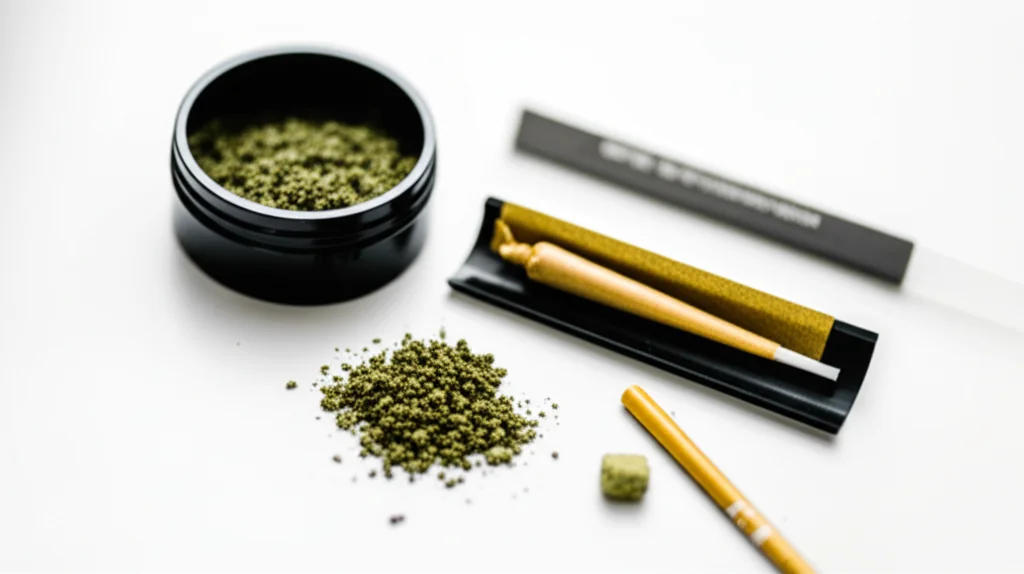
THC und CBD sind die beiden bekanntesten Verbindungen in Cannabis, aber sie wirken sehr unterschiedlich in Ihrem Körper und erzeugen unterschiedliche Effekte. Nach einer RechercheProjekt-CBDDas Verständnis des Unterschieds hilft Ihnen bei der Auswahl von Produkten, die Ihren Zielen entsprechen, egal ob Sie nach Entspannung, Schmerzlinderung, weniger Angst oder nur neugierig auf Cannabis suchen.
Dieser Leitfaden erklärt, was THC und CBD sind, wie sie sich unterscheiden, was jedes tut und wie sie zusammenarbeiten. Am Ende werden Sie verstehen, warum einige Produkte nur CBD sind, warum andere High-THC sind und wie Sie die richtige Balance für Ihre Bedürfnisse finden.
schnelle Antwort
THC (Tetrahydrocannabinol) ist die psychoaktive Verbindung, die das Cannabis "hoch" erzeugt - Euphorie, veränderte Wahrnehmung und mentale Auswirkungen. CBD (Cannabidiol) ist nicht psychoaktiv und bietet Ihnen keine hohen Vorteile wie weniger Angst, Schmerzlinderung und Entspannung ohne Beeinträchtigung. Sie arbeiten über verschiedene Wege in Ihrem Körper und sind oft am effektivsten, wenn sie zusammen verwendet werden.
Was ist THC?
THC (Tetrahydrocannabinol)ist das primäre psychoaktive Cannabinoid in Cannabis - die Verbindung, die für das "Hoch" verantwortlich ist.
Wie THC funktioniert
THC bindet direkt an CB1-Rezeptoren in Ihrem Gehirn und Nervensystem und erzeugt die charakteristischen Cannabis-Effekte. Diese direkte Bindung ist der Grund, warum THC zu spürbaren Veränderungen in Bewusstsein, Wahrnehmung und Stimmung führt.
THC-Effekte
mental/psychologisch:
- Euphorie und erhöhte Stimmung
- veränderte Zeitwahrnehmung
- Verbesserte sensorische Erfahrungen
- Kreativität und philosophisches Denken
- Kurzzeitgedächtnisstörung
- mögliche Angst oder Paranoia (dosisabhängig)
Physisch:
- Schmerzlinderung
- Muskelentspannung
- Erhöhter Appetit (die Knabbereien)
- Rote Augen und trockener Mund
- Reduzierte Übelkeit
THC-Potenz
Moderne Cannabisblüte enthält normalerweise 15-30% THC, wobei einige Stämme 30% überschreiten. Konzentrate können 60-90% THC sein. Höhere Prozentsätze bedeuten stärkere Effekte – Anfänger sollten mit Produkten mit niedrigerem THC (15-18%) beginnen.
Was ist CBD?
CBD (Cannabidiol)ist das zweithäufigste Cannabinoid in Cannabis. Im Gegensatz zu THC ist es völlig nicht psychoaktiv - es wird Sie nicht hoch machen.
Wie CBD funktioniert
CBD bindet nicht stark an CB1- oder CB2-Rezeptoren. Stattdessen wird indirekt der Abbau der natürlichen Endocannabinoide Ihres Körpers verhindert und mit Serotonin und anderen Rezeptoren interagiert. Diese indirekte Wirkung erzeugt therapeutische Wirkungen ohne Beeinträchtigung.
CBD-Effekte
Mögliche Vorteile:
- Reduzierte Angst und Stress
- Schmerzen und Entzündung lindern
- Verbesserte Schlafqualität
- neuroprotektive Eigenschaften
- anti -Anfallseffekte (FDA-zugelassen für bestimmte Epilepsien)
- Reduzierte Übelkeit
Was CBD nicht tut:
- macht dich nicht hoch oder euphorisch
- wird Ihr Urteilsvermögen oder Ihre Koordination nicht beeinträchtigen
- Wird bei Standard-Drogentests nicht angezeigt (wenn reines CBD)
- Erhöht den Appetit nicht signifikant
CBD-Potenz
CBD-Produkte reichen von 5 mg bis 100 mg + pro Dosis. CBD aus Hanf (Rechtsstaaten in den USA) enthält weniger als 0,3% THC. CBD aus Cannabis kann je nach Quellpflanze unterschiedliche THC-Mengen enthalten. zum Verzehr von Cannabisprodukten, mitCannabis-Zubehörsorgt für ein Qualitätserlebnis.
THC vs. CBD: Direkter Vergleich
Psychoaktivität
THC:Hoch psychoaktiv - verändert das Bewusstsein, erzeugt Euphorie
CBD:Nicht psychoaktiv - keine geistige Beeinträchtigung oder hoch
Rechtsstatus
THC:illegal in den USA (legal in vielen Staaten), international kontrolliert
CBD:Von Hanf abgeleiteter CBD-legal in den USA, von Marihuana abgeleitet, folgt THC-Gesetze
medizinische Verwendungen
THC:Schmerz, Übelkeit, Appetitstimulation, Glaukom, PTBS
CBD:Angst, Epilepsie, Entzündung, Schlafstörungen, Schmerzen
Nebenwirkungen
THC:Angst/Paranoia (dosisabhängig), Koordinationsstörungen, Mundtrockenheit, rote Augen
CBD:Im Allgemeinen mild - mögliche Schläfrigkeit, Mundtrockenheit, Durchfall (hohe Dosen)
Drogentests
THC:wird einen positiven Drogentest verursachen
CBD:Reines CBD wird nicht, aber CBD-Produkte mit Vollspektrum enthalten TRACE THC und können Tests auslösen
wie sie zusammenarbeiten
Der Entourage-Effekt
THC und CBD arbeiten besser zusammen als alleine - das nennt man "Entourage-Effekt". CBD moduliert die Wirkung von THC und reduziert Angst und Paranoia, während der therapeutische Nutzen beibehalten wird.
CBDs Einfluss auf THC:
- Reduziert Angst und Paranoia aus THC
- Erweitert die Dauer der Effekte
- Kann das Kurzzeitgedächtnis behindern
- Kann die schnelle Herzfrequenz von THC verringern
Aus diesem Grund bevorzugen viele Nutzer Produkte mit beiden Cannabinoiden anstelle von reinen THC-Isolaten.
THC:CBD-Verhältnisse
Produkte sind oft mit Verhältnissen gekennzeichnet, die den Restbetrag angeben:
Hohes THC (20:1, 10:1):Starke psychoaktive Effekte, Freizeitnutzung
Ausgeglichen (1:1, 2:1):Mäßige Wirkungen, medizinische Leistungen, reduzierte Angst
Hohes CBD (1:20, 1:10):Minimaler hoher, therapeutischer Fokus, Angstlinderung
Nur CBD (0:1):Kein hoher, reiner therapeutischer Einsatz
Auswahl zwischen THC und CBD
Wählen Sie THC, wenn Sie möchten:
- Freizeitgenuss und Euphorie
- starke Schmerzlinderung
- Appetitanregung
- Schlafhilfe (Sedating-Effekte)
- Kreativitätssteigerung
Wählen Sie CBD, wenn Sie möchten:
- Angstreduzierung ohne Beeinträcht
- Tagsüber Nutzung während der Funktion
- anti -Entzündliche Vorteile
- Legal Produkt in mehr Gerichtsbarkeiten
- Kein Risiko, sich "zu hoch" zu fühlen
Wählen Sie ausgeglichenes THC:CBD, wenn Sie möchten:
- Medizinische Vorteile mit kontrollierbaren Effekten
- Reduzierte Angst von THC
- Beste aus beiden Welten
- Vorteile "Entourage-Effekt"
Häufige Missverständnisse
"CBD ist nur THC ohne das Hoch"
Falsch - es sind völlig unterschiedliche Moleküle mit unterschiedlichen Mechanismen und Effekten.
"Mehr THC ist immer besser"
Falsch - Höheres THC kann die Angst erhöhen und ist nicht unbedingt therapeutischer.
"CBD macht nichts, da es dich nicht hoch bringt."
Falsch - CBD hat messbare Auswirkungen, nur keine psychoaktiven.
"Alles Cannabis hat das gleiche THC und CBD"
Falsch-Verhältnisse variieren enorm zwischen Sorten und Produkten.
Produkttypen
High-THC-Produkte
- Die meisten Cannabisblüte (15-30% THC,<1% CBD)
- Konzentrate und Dabs
- THC Esswaren
- Freizeit-Vape-Patronen
Produkte mit hohem CBD-Gehalt
- Hanfblüte (CBD-reich,<0.3% THC)
- CBD-Öl und Tinkturen
- CBD-Gummis und -Essbares
- CBD-Topicals
Ausgewogene Produkte
- Medizinische Cannabis-Stämme (oft 1:1 oder 2:1 Verhältnis)
- CBD-Produkte mit Vollspektrum
- Ausgewogene Vape-Kartuschen
Sicherheit und Legalität
THC-Rechtsüberlegungen
- Bundesweit illegal in den USA (Zeitplan I)
- Legal für den Freizeitgebrauch in 24+ Staaten
- Legal für medizinische Zwecke in 38+ Staaten
- International: Variiert stark je nach Land
CBD-Rechtsüberlegungen
- Hanf-abgeleitetes CBD: Bundesrecht in den USA (Farm Bill 2018)
- muss enthalten<0.3% THC
- mit Ausnahmen in den meisten Ländern legal
- Von Marihuana abgeleitetes CBD: Befolgt THC-Gesetze
Drogentests
- THC zeigt sich bei Standardtests
- Reine CBD sollte keine Tests auslösen
- Vollspektrum-CBD enthält TRACE THC und kann positive Ergebnisse verursachen
- Tests können nicht zwischen medizinischem / Freizeitgebrauch unterscheiden
Medizinische Anwendungen
Bedingungen, unter denen THC helfen kann:
- Chronische Schmerzen
- Übelkeit und Erbrechen (Chemotherapie)
- Appetitverlust (HIV/AIDS, Krebs)
- Schlaflosigkeit
- PTSD
- Glaukom
Bedingungen, unter denen CBD helfen kann:
- Angststörungen
- Epilepsie (FDA-zugelassene Epidiolex)
- Entzündung
- Arthritis-Schmerz
- Schlafstörungen
- Entzündliche Darmerkrankung
Hinweis:Konsultieren Sie immer die Gesundheitsdienstleister, um medizinische Beratung zu erhalten. Dies ist nur eine pädagogische Information.
Finden Sie Ihr Gleichgewicht
Für Anfänger
Beginnen Sie mit niedrigerem THC (15-18%), wenn Sie psychoaktive Effekte suchen, oder nur CBD-bedingen, wenn Sie eine Beeinträchtigung vermeiden möchten. Sie können THC später immer erhöhen, aber Überkonsum nicht rückgängig machen.
für medizinische Zwecke
Betrachten Sie ausgewogene Verhältnisse (1:1 oder 2:1 CBD:THC), die therapeutischen Nutzen mit verringerter Psychoaktivität bieten. CBD-dominante Produkte arbeiten für den Tag, während die Funktionalität erhalten bleibt.
Für erfahrene Benutzer
Experimentieren Sie mit verschiedenen Verhältnissen, um herauszufinden, was am besten funktioniert. Einige bevorzugen High-THC für die Abend-Entspannung, CBD-dominante Tageszeit und ausgewogene Produkte für bestimmte Symptome.
Zusammenfassung
THC und CBD sind beide wertvolle Cannabinoide mit unterschiedlichen Eigenschaften. THC bietet das charakteristische Cannabis-High zusammen mit der Schmerzlinderung und Appetitstimulation, während CBD therapeutische Vorteile ohne Beeinträchtigung bietet. Die meisten Benutzer finden, dass Produkte, die beides enthalten (der Entourage-Effekt), die beste Gesamterfahrung und Vorteile bieten.
Wenn Sie THC und CBD verstehen, können Sie fundierte Entscheidungen über Cannabisprodukte treffen, egal ob Sie medizinische Vorteile suchen, Freizeitgenuss oder zum ersten Mal Cannabis erkunden.
Dieser Leitfaden dient zu Bildungszwecken. Die Cannabisgesetze variieren je nach Gerichtsbarkeit. Konsultieren Sie die Gesundheitsdienstleister für medizinische Beratung.
Frequently Asked Questions
THC (Tetrahydrocannabinol) ist psychoaktiv und erzeugt das „hohe“ Gefühl, während CBD (Cannabidiol) nicht psychoaktiv ist und Sie nicht hoch macht. Beide bieten potenzielle Vorteile, arbeiten aber unterschiedlich im Körper.
Nein, CBD erzeugt kein High. Es ist nicht psychoaktiv, was bedeutet, dass es Ihren mentalen Zustand nicht verändert, wie es THC tut. Sie können sich entspannt fühlen oder weniger Angst bemerken, aber keine Euphorie oder Beeinträchtigung erleben.
Ja, THC und CBD arbeiten oft besser zusammen, indem sie den „Entourage-Effekt“ haben. CBD kann tatsächlich einige der Auswirkungen von THC mildern und Angst und Paranoia reduzieren und gleichzeitig die Vorteile beibehalten. Die meisten Cannabisprodukte enthalten beide in unterschiedlichen Verhältnissen.
CBD abgeleiteter Hanf (weniger als 0,3% THC) ist in den USA legal und in vielen Ländern legal, aber aus Marihuana stammendes CBD folgt denselben Gesetzen wie Marihuana. Die Gesetze variieren je nach Gerichtsbarkeit - überprüfen Sie immer die örtlichen Vorschriften.
Related Guides

Common Beginner Mistakes to Avoid When Using Cannabis
Learn the most common mistakes first-time and new cannabis users make, why they happen, and how to avoid them for a better experience.
Best Snacks to Enjoy When High: Ultimate Munchies Guide
Comprehensive guide about best snacks to enjoy when high: ultimate munchies guide. Learn everything you need to know with expert tips and detailed instructions.
Best Time of Day to Smoke Cannabis: Morning vs Evening Effects
Comprehensive guide about best time of day to smoke cannabis: morning vs evening effects. Learn everything you need to know with expert tips and detailed instructions.