

So reinigen Sie eine Bong: Vollständige Schritt-für-Schritt-Anleitung

Emma Chen
Glass Specialist
So reinigen Sie eine Bong: Vollständige Schritt-für-Schritt-Anleitung
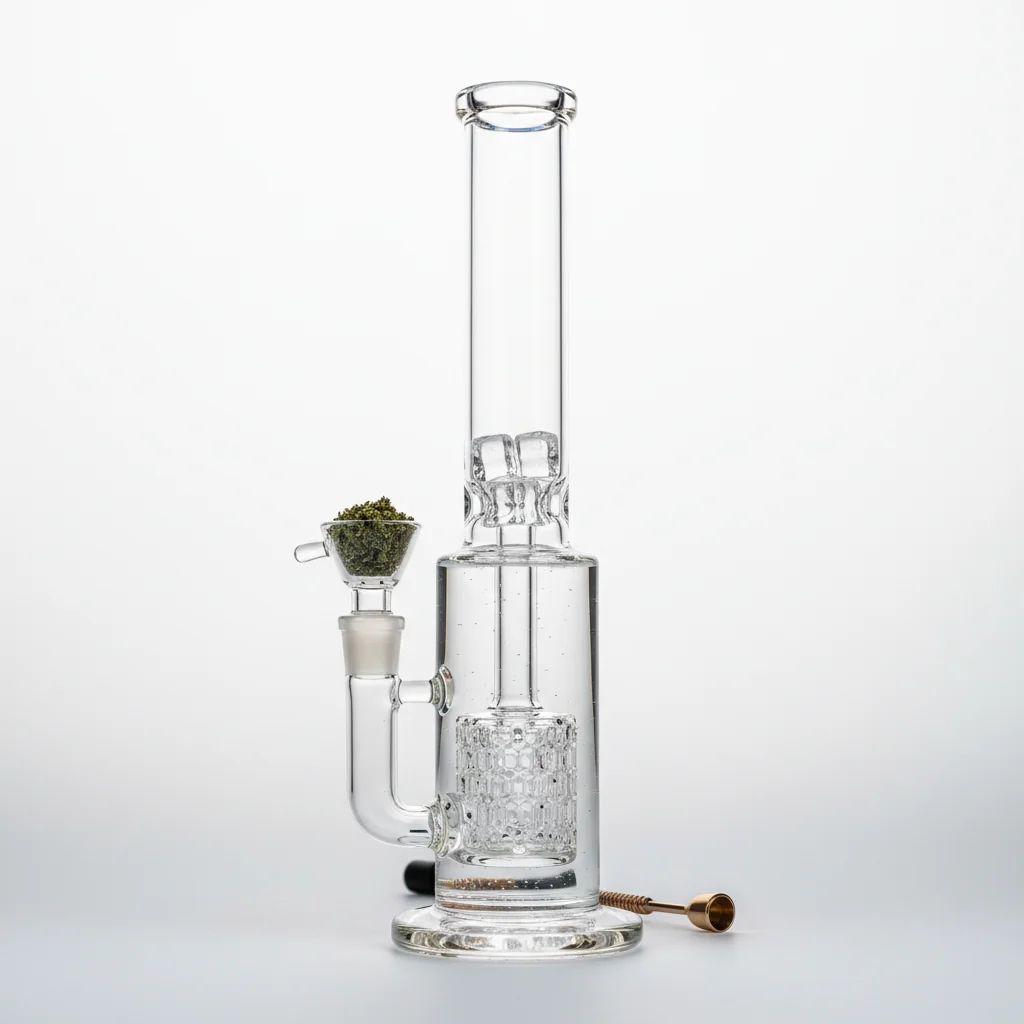
Eine schmutzige Bong sieht nicht nur schlecht aus - sie ruiniert den Geschmack Ihres Cannabis, beherbergt Bakterien und liefert härtere Treffer. gemäßRichtlinien zur CDC-Reinigung, regelmäßige Reinigung von wiederverwendbaren Gegenständen verhindert das Bakterienwachstum. Regelmäßige Reinigung hält Ihre Bong optimal und sorgt dafür, dass Sie die glatten, geschmackvollen Hits erhalten, für die sie entwickelt wurde. Dieser Leitfaden deckt alles ab, von schnellen täglichen Spülungen bis hin zu hartnäckigen Aufbauen.
schnelle Antwort
Zum Reinigen einer Bong: Alle abnehmbaren Teile zerlegen, mit warmem Wasser abspülen, Isopropylalkohol (91%+) und grobes Salz in jedes Stück geben, Öffnungen abdecken und 2-3 Minuten kräftig schütteln, kleine Stücke in Reißverschlussbeuteln mit Lösung einweichen, hartnäckige Stellen mit Pfeifenreinigern gründlich spülen, bis kein Alkoholgeruch übrig bleibt. Für beste Ergebnisse wöchentlich reinigen, wenn sie täglich verwendet werden.
wiesoReinige deine Bongregelmäßig?
Gesundheitsgründe:
- Bakterien wachsen innerhalb von 24 Stunden in stehendem Wasser
- Schimmel kann sich in Harzansammlungen entwickeln
- Biofilm bildet sich auf schmutzigem Glas
- Kontaminiertes Wasser setzt beim Einatmen Partikel frei
Qualitätsgründe:
- Frischer Geschmack (Harz verdorben Geschmack)
- Glättende Treffer (Aufbau schränkt den Luftstrom ein)
- Bessere Filtration (saubere Wasserfilter besser)
- Richtige Perkolatorfunktion
Praktische Gründe:
- Regelmäßiger zu reinigen als schwere Ansammlungen zu entfernen
- Verhindert dauerhafte Flecken
- verlängert die Lebensdauer der Bong
Halten Sie für die Aufbewahrung zwischen den Verwendungszwecken Ihr Cannabis frisch inGlas [Stash-Gläser] (https://munchmakers.com/product-category/glass-stash-jars/).
Was du brauchst
Wesentliche Lieferungen:
- Isopropylalkohol (91% oder höher - 99% ist ideal)
- Grobsalz (Kosher, Meersalz oder Steinsalz)
- Heißwasser
- Reißverschlusstaschen (für kleine Stücke)
- Pfeifenreiniger oder Flaschenbürsten
Optional aber hilfreich:
- Gummistopfen oder Plastikfolie
- Gummibänder
- Kommerzieller Bong-Reiniger (Alternativ zu Alkohol/Salz)
- Wattestäbchen
Salztypen, die funktionieren:
- Grob koscheres Salz (am besten)
- Meersalz
- Steinsalz
- Bittersalz
Verwenden Sie kein Speisesalz- Es ist zu fein und löst sich zu schnell auf.
Die Alkohol- und Salzmethode (am effektivsten)
Schritt 1: Alles zerlegen
Alle abnehmbaren Teile entfernen:
- Schüssel
- herabstürzen
- Alle Aschefänger oder Anhänge
- Perkolatoreinsätze (falls abnehmbar)
Warum:Jedes Stück braucht individuelle Aufmerksamkeit. Reinigen von montierten Fallen Rückstände in Fugen.
Schritt 2: Mit warmem Wasser abspülen
Lassen Sie warmes (nicht heißes) Wasser durch alle Stücke laufen:
- löst frische Rückstände
- Erweicht gehärtete Ansammlungen
- Bereitet Oberflächen für Reinigungslösung vor
Tipp:Lassen Sie bei starker Ansammlung zuerst 5 Minuten lang warmes Wasser in der Bong ruhen.
Schritt 3: Fügen Sie Alkohol und Salz in die Bong
Für die Hauptbongkammer:
1. Gießen Sie Isopropylalkohol ein - genug, um fleckige Bereiche abzudecken
2 drohen 2-3 Esslöffel grobes Salz hinzufügen
3. Salz wirkt abrasiv (es löst sich nicht in Alkohol)
Benötigte Menge:
- Kleine Bong: 1/2 Tasse Alkohol, 2 EL Salz
- Mittel Bong: 1 Tasse Alkohol, 3 EL Salz
- Große Bong: 1,5+ Tassen Alkohol, 4+ EL Salz
Schritt 4: Abdecken und schütteln
Für Bongs mit abnehmbaren Schalen:
1. Mundstück mit Handfläche oder Stopfen abdecken
2. Deckel mit Finger oder Stopfen abdecken
3. 2-3 Minuten kräftig schütteln
4. Das Salz scheuert, während Alkohol Harz löst
Schütteltechnik:
- Beginnen Sie mit sanftem Wirbeln
- Fortschritte zu härterem Zittern
- Bong drehen, um alle Oberflächen zu erreichen
- Fokus auf sichtbar gebeizte Bereiche
Schritt 5: Kleine Stücke reinigen (Schüssel und Downstem)
Ziplock-Beutel-Methode:
1. Legen Sie die Schüssel in eine Tasche, in eine andere
2 . Alkohol zum Abdeckstück hinzufügen
3. 1 Esslöffel Salz pro Beutel hinzufügen
4. 1-2 Minuten versiegeln und schütteln
5. Lassen Sie hartnäckige Stücke mehr als 30 Minuten einwirken
Für diffuse Downstems:
Achten Sie besonders auf Schlitze - sie verstopfen leicht. Verwenden Sie nach dem Einweichen Pfeifenreiniger.
Schritt 6: Problembereiche schrubben
Nach dem Schütteln/Einweichen Werkzeuge an hartnäckigen Stellen verwenden:
- Pfeifenreiniger:Perfekt für Downstems und kleine Löcher
- Flaschenbürsten:Großartig für Hauptkammern
- Wattestäbchen:Für Fugenverbindungen und enge Stellen
- Zahnbürste:für Perkolatorarme
Perkolatoren erfordern zusätzliche Aufmerksamkeit- Lösung direkt durch PERC-Löcher schütteln.
Schritt 7: Gründlich abspülen
Dieser Schritt ist kritisch:
1. Spülen Sie mindestens 2 Minuten mit warmem Wasser
2 . Stellen Sie sicher, dass kein Alkoholgeruch bleibt
3. schüttle alles Wasser aus
4. Kleine Stücke unter fließendem Wasser abspülen
Warum gründliches Spülen wichtig ist:
- Restalkohol schmeckt schrecklich
- Das Einatmen von Alkoholdämpfen ist schädlich
- Salzrückstände beeinflussen die nächste Sitzung
Schritt 8: Trocknen und wieder zusammenbauen
1. Überschüssiges Wasser ausschütteln
2. Lassen Sie die Luft vollständig trocknen (oder Papierhandtücher verwenden)
3. Zusammenbauen, wenn trocken
4. Fügen Sie vor der Verwendung frisches Wasser hinzu
Reinigen verschiedener Bong-Typen
Glasbongs
- tolerantste Reinigungsmethoden
- Kann Alkohol mit hohem Konzentrationsgrad verwenden
- Salzabrieb kratzt nicht
- Beste Ergebnisse mit Standardalkohol / Salzmethode
Silikonbongs
Tun:
- Verwenden Sie warmes Seifenwasser
- Einfrieren und Rückstände ausschütteln
- Verwenden Sie silikonsichere Reinigungsmittel
Nicht:
- Alkohol verwenden (abbaut Silikon im Laufe der Zeit)
- Verwenden Sie Schleifmittel
- Wenden Sie hohe Hitze an
Acrylbongs
Tun:
- Verwenden Sie warmes Wasser und Spülmittel
- Verwenden Sie handelsübliches Acryl-Safe-Reiniger
- Einweichen in heißem (nicht kochendem) Wasser
Nicht:
- Alkohol verwenden (verursacht Trübungen/Knacken)
- Verwenden Sie harte Schleifmittel
- extremen Temperaturen aussetzen
Schnelles Reinigen vs. Tiefenreinigung
Tägliche Schnellreinigung (2 Minuten)
Nach jeder Sitzung:
1. Altes Wasser sofort leeren
2 . Mit warmem Wasser abspülen
3. Schütteln Sie, um lose Rückstände zu entfernen
4. Frisches Wasser hinzufügen
5. Schnelles Mundstück abwischen
Verhindert größere Ansammlungenund hält Bong funktionsfähig.
Wöchentliche Tiefenreinigung (15-20 Minuten)
Bei täglicher Verwendung:
1. Vollalkohol-/Salz-Methode
2. Alle Teile separat reinigen
3. Problembereiche schrubben
4. Gründlich spülen
Erhält optimale Leistungund verhindert gesundheitliche Probleme.
Monatliche Intensivreinigung
Für schwere Nutzer:
1. Erweitertes Einweichen (1+ Stunden)
2. Mehrere Shake-Sitzungen
3. Detailliertes Schrubben von Perkolatoren
4. Inspektion auf Dauerfärbung
Reinigungsspieße
Perkolatoren fangen Rückstände in schwer zugänglichen Bereichen ein.
Allgemeiner Ansatz:
1. Füllen Sie die Bong mit Reinigungslösung über PERC-Niveau
2. Löcher abdecken und schütteln - Lösung bewegt sich durch PERC
3. Lassen Sie länger einweichen (1+ Stunde für hartnäckige Ansammlungen)
4. Verwenden Sie dünne Rohrreiniger für zugängliche Bereiche
5. Wiederholen Sie die Schüttelzyklen nach Bedarf
nach PERC-Typ:
- Baumpercs:am schwierigsten. Mehrere Arme fangen Rückstände. Erweitertes Einweichen unverzichtbar.
- Waben-Percs:Winzige Löcher verstopfen. Lösung direkt durch Löcher schütteln.
- Duschkopf Percs:Einfacher zu reinigen. Die Lösung fließt natürlich durch.
- Inline-Percs:in der Regel zugänglich. Pfeifenreiniger funktionieren gut.
Kommerzielle Bong-Reiniger
Wann verwenden:
- Alternative zu Alkohol/Salz
- Für Silikon- oder Acrylstücke
- Wenn Alkohol nicht verfügbar ist
- für extra hartnäckige Ansammlungen
Beliebte Optionen:
- Formel 420
- abs grungen
- Randys schwarzes Etikett
- Orange chronisch
Vorteile:Für den Zweck ausgelegt, sind einige wiederverwendbar
Nachteile:teurer als Alkohol / Salz
wie oft zu reinigen
Zeichen, die Sie jetzt reinigen müssen:
- Sichtbare Rückstände
- Wasser ist bewölkt / verfärbt
- abgestandener oder geschmackloser Geschmack
- eingeschränkter Luftstrom
- Gestank
Ansammlungen verhindern
Wasser häufig wechseln:
- Frisches Wasser jede Sitzung (ideal)
- Lassen Sie das Wasser mindestens 24 Stunden lang nicht stehen
Verwenden Sie Aschefänger:
- Fängt Trümmer vor der Hauptkammer
- viel einfacher zu reinigen als ganze Bong
- Reduziert die Hauptbong-Reinigung erheblich
Schüsseln nicht überfüllen:
- Weniger Schmutz dringt in die Bong ein
- Reiniger Brennen
Schnellspülung nach Gebrauch:
- 30 Sekunden Spülung verhindern Ansammlungen
- Viel einfacher als getrocknetes Harz zu entfernen
Fehlerbehebung
Problem: Flecken kommen nicht heraus
- Versuchen Sie es länger zu baden (über Nacht)
- Verwenden Sie Alkohol mit höherer Konzentration
- Versuchen Sie es mit kommerziellem Reiniger
- Einige Flecken werden dauerhaft, wenn sie ignoriert werden
Problem: Kann nicht in Perkolatoren gelangen
- Lassen Sie es für längere Zeit einweichen
- Lösung durch PERC-Löcher schütteln
- Akzeptieren Sie einige Bereiche, die leicht fleckig bleiben können
Problem: Harzansammlung kehrt schnell zurück
- Sie können Cannabis von geringer Qualität verwenden
- Wasser häufiger wechseln
- Schnelle Spülung nach jedem Gebrauch
Problem: Trübes Glas nach der Reinigung
- Harte Wasserablagerungen - Destilliertes Wasser spülen
- Alkoholrückstände - gründlicher ausspülen
- Permanentes Radieren durch alte Ansammlungen
Sicherheitshinweise
- Bereich belüftenBei Alkoholkonsum
- Erhitzen Sie niemals Alkohol- Brandgefahr
- vollständig ausspülenVor dem Gebrauch
- Müll ordnungsgemäß entsorgen- Gießen Sie kein Harz in den Abfluss
- Von Flammen fernhaltenBis Alkohol verdunstet
Dieser Leitfaden dient zu Bildungszwecken. Die Cannabisgesetze variieren je nach Gerichtsbarkeit.
Step 1:
Step 2:
Step 3:
Step 4:
Step 5:
Step 6:
Frequently Asked Questions
Für tägliche Benutzer eine schnelle Spülung nach jeder Sitzung und wöchentlich gründlich reinigen. Für gelegentliche Benutzer, tiefe Reinigung nach allen paar Sitzungen. Wenn Wasser bewölkt aussieht oder Sie faul sind, ist es Zeit zu reinigen.
Related Guides
Ash Catcher Guide: Keep Your Bong Clean Longer
Complete guide to ash catchers for bongs: what they do, types including dry and percolator ash catchers, joint sizes and angles, how to use and clean them, and how to choose the right one.

Ash Catchers: What They Do and Why Use One
Learn what ash catchers do, how they keep your bong clean, and whether you need one. Understand different types, how to choose the right size, and maintenance tips.
Beaker vs Straight Tube Bongs: Which Style is Better?
Comprehensive guide about beaker vs straight tube bongs: which style is better?. Learn everything you need to know with expert tips and detailed instructions.