
Delta-8 vs. Delta-9 THC: Kompletter Vergleichshandbuch

Sarah Green
Cannabis Educator
Delta-8 vs. Delta-9 THC: Kompletter Vergleichshandbuch
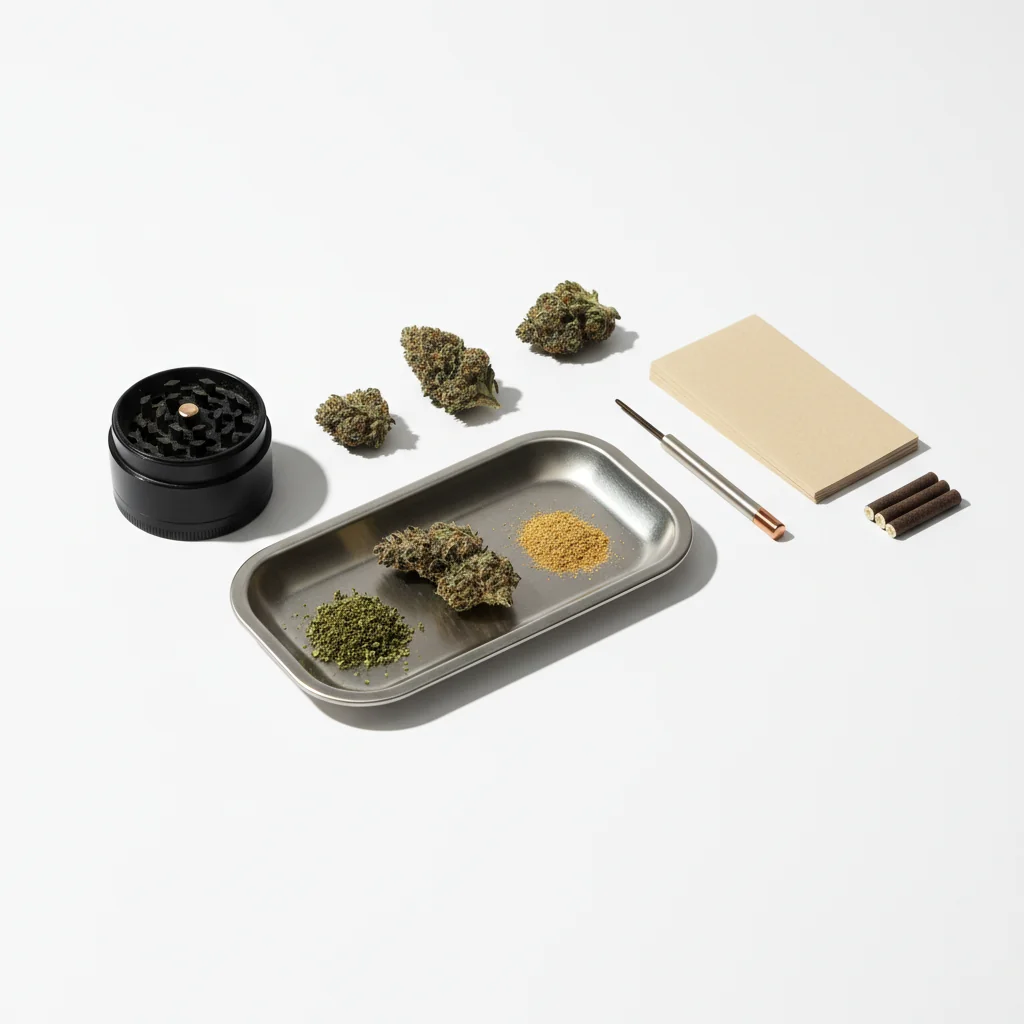
Möglicherweise haben Sie Delta-8-THC-Produkte in Tankstellen, Rauchgeschäften und Online-Shops bemerkt - sogar in Staaten, in denen Cannabis weiterhin illegal ist. Aber was genau ist Delta-8 und wie unterscheidet es sich von dem Delta-9-THC, das in traditionellem Cannabis enthalten ist? Dieser Leitfaden unterteilt die wichtigsten Unterschiede zwischen diesen beiden Cannabinoiden.
schnelle Antwort
Delta-8 und Delta-9 THC sind beide Formen von THC, unterscheiden sich jedoch in der chemischen Struktur, der Wirksamkeit und dem rechtlichen Status. Delta-9 ist die primäre psychoaktive Verbindung in Cannabis und produziert das klassische "High". Delta-8 ist ein weniger starkes Isomer mit ähnlichen, aber milderen Effekten - oft als "Diät-Unkraut" bezeichnet. Delta-8 existiert in einer legalen Grauzone aufgrund seiner Ableitung aus Hanf, während Delta-9 auf Bundesebene weiterhin illegal ist.
Inhaltsverzeichnis
- Was ist Delta-9 THC?
- Was ist Delta-8 THC?
- Hauptunterschiede
- Effektvergleich
- Rechtsstatus
- Sicherheitsbedenken
- Welches solltest du wählen?
- Pro Tips
- FAQ
Was ist Delta-9 THC?
Delta-9-Tetrahydrocannabinol ist das, was die meisten Leute meinen, wenn sie "THC" sagen. Es ist die primäre psychoaktive Verbindung in Cannabis, die für die berauschenden Wirkungen verantwortlich ist, für die die Pflanze bekannt ist.
The Basics
- Chemischer Name: Delta-9-Tetrahydrocannabinol
- Source: Natürlich reichlich in Cannabis
- psychoaktiv: Ja, stark
- Rechtsstatus: Bundesgesetz (Schedule I); in vielen Staaten legal
Wie Delta-9 funktioniert
Delta-9-THC bindet an CB1-Rezeptoren im Endocannabinoid-System des Gehirns und erzeugt Effekte wie:
- Euphorie und Stimmungserhöhung
- veränderte Zeitwahrnehmung
- Verbesserte sensorische Erfahrungen
- Appetit gesteigert
- Entspannung oder Angst (dosisabhängig)
Potency
Delta-9 THC ist stark. Effekte sind bei niedrigen Dosen (5-10 mg für Anfänger) spürbar und können bei höheren Dosen überwältigend sein. Moderne Cannabisblume enthält üblicherweise 15-30% Delta-9 THC.
Was ist Delta-8 THC?
Delta-8-Tetrahydrocannabinol ist ein natürlich vorkommendes Cannabinoid, das in Cannabis vorkommt – aber in sehr kleinen Mengen (weniger als 0,1%). Die meisten kommerziellen Delta-8 werden synthetisch aus aus Hanf stammendem CBD umgewandelt.
The Basics
- Chemischer Name: Delta-8-Tetrahydrocannabinol
- Source: aus Hanf CBD synthetisiert; Spurenmengen kommen natürlich vor
- psychoaktiv: Ja, aber weniger stark als Delta-9
- Rechtsstatus: Legale Grauzone (Lücke 2018 Farm Bill)
Wie Delta-8 funktioniert
Delta-8 bindet auch an CB1-Rezeptoren, jedoch mit geringerer Affinität als Delta-9. Das bedeutet:
- Ähnliche Effekte wie Delta-9, aber milder
- Weniger Angst und Paranoia für viele Nutzer
- Klarere Erfahrung
- produziert immer noch ein spürbares Hoch
Die Chemie
Der einzige Unterschied zwischen Delta-8 und Delta-9 ist die Position einer Doppelbindung in ihrer molekularen Struktur. Delta-8 hat diese Bindung an der 8. Kohlenstoffkette, Delta-9 am 9. Diese kleine Veränderung wirkt sich erheblich auf die Potenz aus.
Hauptunterschiede
Der Potenzunterschied
Die meisten Benutzer beschreiben Delta-8 als etwa die Hälfte bis drei Viertel als potent als Delta-9. Wenn 10 mg Delta-9 für Sie signifikante Effekte haben, benötigen Sie möglicherweise 15-20 mg Delta-8 für eine ähnliche Intensität.
Effektvergleich
Delta-9 THC-Effekte
Positives:
- Starke Euphorie
- Tiefe Entspannung
- Verbesserte Kreativität
- Schmerzlinderung
- Appetitanregung
Potenzielle Negative:
- Angst und Paranoia (insbesondere bei höheren Dosen)
- Gedächtnisbe
- Koordinationsprobleme
- Rennherz
- Überwältigende Intensität für einige
Delta-8 THC-Effekte
Positives:
- Leichte Euphorie
- Klare Entspannung
- Weniger Angst als Delta-9
- Funktionshoch
- Appetitanregung
Potenzielle Negative:
- Verursacht immer noch eine Be
- kann immer noch Angst auslösen (weniger häufig)
- Möglicherweise benötigen Sie höhere Dosen
- weniger untersucht als Delta-9
Wer bevorzugt welche?
Delta-9-Fans:
- Erfahrene Benutzer mit Toleranz
- Diejenigen, die starke Effekte suchen
- Medizinische Patienten, die eine starke Linderung benötigen
- Users who don't experience anxiety
Delta-8 fans:
- Those prone to Delta-9 anxiety
- Users seeking mild, functional effects
- People in states without legal cannabis
- New users wanting to ease into THC
Legal Status
The legal landscape for Delta-8 is complicated and constantly evolving.
Federal Law
2018 Farm Bill: Legalized hemp and hemp-derived products containing less than 0.3% Delta-9 THC. Since Delta-8 is derived from hemp CBD, many argue it's technically legal.
The loophole: The law specifically mentions Delta-9 THC, not Delta-8. This technicality allows Delta-8 sales in many states.
DEA position: The DEA has suggested synthetically derived THC may be illegal, but enforcement has been minimal.
State Laws
Many states have moved to ban or restrict Delta-8:
States with Delta-8 bans or restrictions (as of 2025):
- Alaska
- Arizona
- Arkansas
- Colorado
- Delaware
- Idaho
- Iowa
- Kentucky
- Mississippi
- Montana
- New York
- North Dakota
- Rhode Island
- Utah
- Vermont
- Washington
Always check current local laws—this changes frequently.
Important Warnings
- Drug tests: Delta-8 produces the same metabolites as Delta-9. You will likely fail a drug test.
- Travel: Laws vary by state. Crossing state lines with Delta-8 could cause legal issues.
- Driving: Impairment is impairment. DUI laws apply.
Safety Concerns
Lack of Regulation
Delta-8's biggest issue is the unregulated market:
Problems include:
- No mandatory testing requirements
- Unknown contaminants possible
- Inconsistent potency
- Unreliable product labeling
- Conversion chemicals may remain
Synthetic Concerns
Almost all Delta-8 is synthesized from CBD using chemicals and catalysts. This process may leave:
- Residual solvents
- Heavy metals
- Unidentified byproducts
- Other cannabinoid isomers
Quality Variation
Unlike dispensary cannabis:
- No licensing requirements for sellers
- No state oversight in most areas
- Lab tests (if provided) may be inaccurate
- Products from unverified sources
Harm Reduction
If you choose to use Delta-8:
1. Buy from reputable brands with third-party lab testing
2. Verify COAs (Certificates of Analysis) are current and from real labs
3. Avoid gas station or convenience store products
4. Start with low doses
5. Research the brand before purchasing
Which Should You Choose?
Choose Delta-9 If:
- You have access to legal, regulated cannabis
- You want the full cannabis experience
- You prefer tested, regulated products
- Strong effects are your goal
- Medical benefits are priority
Choose Delta-8 If:
- Legal cannabis isn't available to you
- Delta-9 causes you anxiety
- You want mild, functional effects
- You're looking for a gentler introduction to THC
- AND you can find reputable, tested products
Best Practice
When possible, regulated Delta-9 products from licensed dispensaries are safer than unregulated Delta-8 products. The regulation gap is Delta-8's biggest drawback.
Pro Tips
1. Lab tests are essential—never buy Delta-8 without verified third-party testing
2. Delta-8 edibles may have more unpredictable absorption than Delta-9
3. Tolerance builds similarly—regular Delta-8 use will affect Delta-9 tolerance
4. Don't assume it's safe just because it's "legal" or sold openly
5. Drug tests don't distinguish between Delta-8 and Delta-9
6. Start lower than you think—effects take time to assess
7. Check your state's current laws before purchasing
8. Reputable brands exist—research before buying
9. Avoid vape products from unknown sources (lung health concerns)
10. If you have legal access to Delta-9, it's generally the safer choice
FAQ
Is Delta-8 synthetic?
Commercial Delta-8 is typically synthesized from hemp-derived CBD through a chemical conversion process. While Delta-8 occurs naturally in cannabis, it's in trace amounts too small for extraction. Most products are lab-made.
Will Delta-8 show up on a drug test?
Yes, almost certainly. Delta-8 and Delta-9 produce similar metabolites. Standard drug tests will likely return positive. There's no reliable way to distinguish them in testing.
Is Delta-8 safer than Delta-9?
The compounds themselves have similar safety profiles. However, Delta-8 products are often less regulated, meaning contamination risks may be higher. Regulated Delta-9 from licensed dispensaries is generally safer due to testing requirements.
Can Delta-8 cause anxiety?
Yes, though reportedly less often than Delta-9. Any THC can potentially cause anxiety, especially in high doses or for sensitive individuals.
Why is Delta-8 legal but Delta-9 isn't?
A technicality in the 2018 Farm Bill. The law specifically mentions Delta-9 THC, allowing hemp-derived Delta-8 to exist in a gray area. Many states have since moved to close this loophole.
How much Delta-8 equals Delta-9?
Rough estimates suggest Delta-8 is about 50-75% as potent. If 10mg of Delta-9 works for you, you might need 15-20mg of Delta-8 for similar effects. Individual response varies.
Is Delta-8 natural?
It occurs naturally in cannabis but in very small amounts (<0.1%). Commercial products are made by chemically converting CBD to Delta-8, making them semi-synthetic.
Can I fly with Delta-8?
Risky. TSA focuses on federal law (Delta-9), but you're subject to laws of departure, arrival, and any connecting states. Many states have banned Delta-8. Traveling with any THC product carries legal risk.
Conclusion
Delta-8 and Delta-9 THC are close relatives with key differences in potency, legal status, and availability. Delta-9 remains the gold standard for cannabis effects, while Delta-8 offers a milder, more accessible alternative—though with significant regulatory concerns.
If you have legal access to regulated Delta-9 cannabis, that's generally the safer choice due to quality control. If exploring Delta-8, prioritize reputable brands with verified third-party testing and stay informed about your local laws.
For more on cannabis basics, explore our THCA vs THC guide or learn about cannabis terpenes to understand what influences your high beyond THC.
Frequently Asked Questions
Kommerzielles Delta-8 wird typischerweise aus aus Hanf stammendem CBD synthetisiert. Während es in Spurenmengen natürlich vorkommt, werden die meisten Produkte durch chemische Umwandlung im Labor hergestellt.
Related Guides

Common Beginner Mistakes to Avoid When Using Cannabis
Learn the most common mistakes first-time and new cannabis users make, why they happen, and how to avoid them for a better experience.
Best Snacks to Enjoy When High: Ultimate Munchies Guide
Comprehensive guide about best snacks to enjoy when high: ultimate munchies guide. Learn everything you need to know with expert tips and detailed instructions.
Best Time of Day to Smoke Cannabis: Morning vs Evening Effects
Comprehensive guide about best time of day to smoke cannabis: morning vs evening effects. Learn everything you need to know with expert tips and detailed instructions.