

Cannabis in der Musik: Wie Unkraut die Musikgeschichte prägt

James Wilson
Cannabis Culture Writer
Cannabis in der Musik: Wie Unkraut die Musikgeschichte prägt
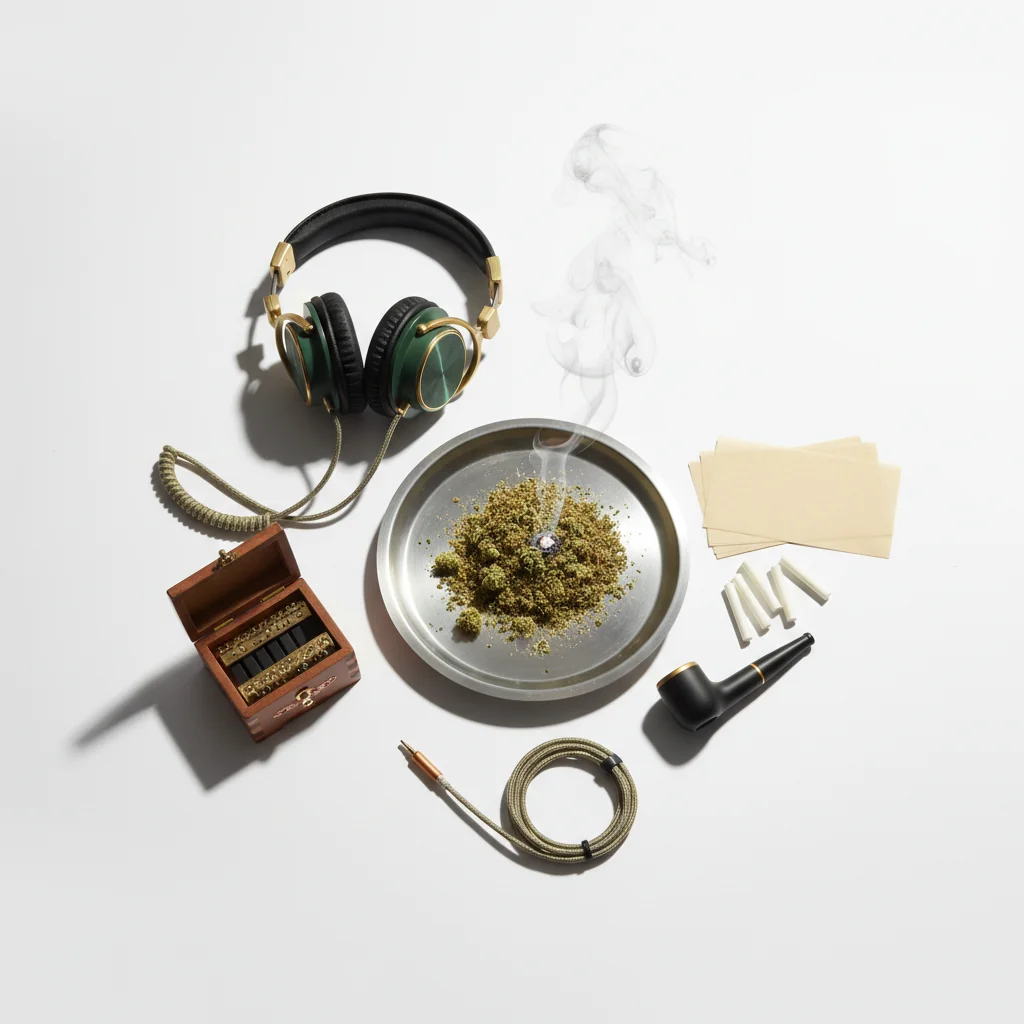
Cannabis und Musik teilen eine Beziehung über Jahrhunderte. Von den New Orleans Jazz Clubs bis zu den Kingston Studios, von Woodstock bis zum modernen Hip-Hop hat Cannabis beeinflusst, wie Musiker Musik machen und das Publikum Musik erleben. ob Sie mit aufrollenBrauch [ Papierrollen](https://munchmakers.com/product-category/custom-rolling-papers/) Für eine Hörsitzung, untersucht dieser Leitfaden die Verlaufsgeschichte.
schnelle Antwort
Cannabis hat mehrere Musikgenres tief beeinflusst: Jazzmusiker in den 1920er und 40er Jahren nutzten es für die Improvisation, Reggae nahm es als spirituelles Sakrament an, Rocks psychedelische Ära experimentierte offen und Hip-Hop machte es zu einem Lifestyle-Symbol. Jedes Genre entwickelte seine eigene Beziehung zu Cannabis und prägte sowohl die Musik als auch die breitere Kultur.
Jazz: Wo alles begann
Die frühen Tage (1920-1940er)
Cannabis trat zuerst durch Jazz in die amerikanische Popmusik ein. New Orleans-Musiker brachten "Reefer" in Jazzclubs, wo es mit dem kreativen Ausdruck und der Gegenkultur der Zeit in Verbindung gebracht wurde.
Kennzahlen:
- Louis Armstrong- Offenes konsumiertes Cannabis während seines Lebens, das angeblich Alkohol bevorzugt
- Taxi-Calloway- Sein 1932er Hit "Reefer Man" war einer der ersten expliziten Cannabis-Songs
- Gene Krupa- Schlagzeuger wegen Cannabis verhaftet, was das "gefährliche" Bild des Jazz antreibt
Warum Jazz und Cannabis verbunden sind
Die improvisatorische Natur des Jazz ist mit Cannabis-Effekten übereinstimmend:
- Verbesserte Zeitwahrnehmung (entscheidend für den Rhythmus)
- reduzierte Hemmung (ermutigte Experimente)
- Erhöhtes sensorisches Bewusstsein (vertiefte musikalische Wertschätzung)
- Soziale Bindung (bei Jam-Sessions bestanden)
kulturelle Wirkung
Die Cannabis-Vereinigung von Jazz trug dazu bei:
- "Reefer Madness" Moral Panik der 1930er
- Vereinigung von Cannabis mit schwarzen Musikern
- Kriminalisierung ins Ziel von Jazz-Commun
- Untergrundstatus, der Jahrzehnte dauerte
derWikipedia-Artikel über Cannabis und MusikDokumentiert, wie die Verbotspolitik überproportional die musikalischen Gemeinschaften beeinflusst.
Reggae: Spirituelles Sakrament
Rastafari-Wurzeln
Reggaes Beziehung zu Cannabis geht über die Erholung hinaus - es ist spirituell. Rastafari glaubt, dass Cannabis ("Ganja" oder "Kräuter") ein Sakrament unterstützt, das die Meditation unterstützt und die Benutzer mit Jah (Gott) verbindet.
religiöse Basis: Rastafaris zitieren biblische Passagen, in denen "Kräuter" als Beweis für Cannabis 'göttliches Ziel bezeichnet werden.
Bob Marley: Der Botschafter
Kein Künstler, der die Cannabiskultur vollständiger verkörpert als Bob Marley. Seine Musik, sein Image und seine Anwaltschaft machten ihn zum globalen Gesicht von Reggae und Cannabis.
Marleys Einfluss:
- Reggae und Cannabis untrennbar in der populären Vorstellungskraft gemacht
- Befürworter der Legalisierung Jahrzehnte bevor es Mainstream war
- zeigte, dass Cannabiskonsumenten produktive Künstler sein könnten
- Verbreiten Sie Rastafari-Perspektiven weltweit
Jenseits von Mar
Andere Reggae-Künstler setzten die Tradition fort:
- Peter Tosh- "Legalize It" (1976) wurde eine Hymne
- Hasenklagener- Original Wailer, konsequenter Anwalt
- Brennender Speer- Eingearbeitete spirituelle Cannabis-Themen
- Damian Marley- Erbe des Vaters in die Neuzeit getragen
Reggaes Vermächtnis
Reggae permanent vernetzte Cannabis mit:
- Friedlicher Widerstand
- Geistige Erleuchtung
- anti -Etablierung
- Insel-Lebensstil und Entspannung
Rock und Psychedelia
Die Revolution der 1960er
Die Beziehung der Rockmusik zu Cannabis explodierte während der Gegenkultur. Was der Jazz etwas verborgen hielt, gab Rock eine Aussage.
Schlüsselmomente:
- 1964: Bob Dylan hat die Beatles angeblich mit Cannabis eingeführt
- 1967: Der Sommer der Liebe hat Cannabis Mainstream unter den Jugendlichen gemacht
- Woodstock (1969): Cannabis von Hunderttausenden offen konsumiert
einflussreiche Künstler
Die Beatles: Post-Cannabis, ihre Musik wechselte von Pop zu Experimental. Vergleichen Sie "Love Me Do" (1962) mit "Strawberry Fields Forever" (1967).
Jimi Hendrix: Gitarreninnovationen werden teilweise auf veränderte Wahrnehmungszustände zurückgeführt.
Die dankbaren Toten: Erstellt eine ganze Gemeinschaft um Cannabis-freundliche Konzerte.
Pink Floyd: Psychedelische Klanglandschaften für veränderte Zustände.
Psychedelischer Rock und Cannabis
Während LSD oft für psychedelischen Rock Anerkennung bekommt, spielte Cannabis eine bedeutende Rolle:
- zugänglicher und weniger intensiv als LSD
- Wird häufig während kreativer Sitzungen verwendet
- Verbesserte Wertschätzung der Texturen
- kommunale Konzerterlebnisse geschaffen
Hip-Hop: Vom Underground zum Imperium
Früher Hip-Hop (1980er)
Früher Hip-Hop bezog sich auf Cannabis, wurde aber nicht dadurch definiert. MCS konzentrierte sich mehr auf Kampf, soziale Kommentare und Parteiaufzeichnungen.
Frühe Erwähnungen: Slick Rick, EPMD und andere enthalten Cannabis-Referenzen, zentrierten aber selten ganze Songs darum.
Revolution der Westküste (1990er)
Alles änderte sich, als der Hip-Hop der Westküste Cannabis zu seiner Identität im Mittelpunkt stellte.
Dr. Dre's "The Chronic" (1992):
- Benannt direkt nach hochwertigem Cannabis
- machte Cannabis zu einer kommerziellen Musikidentität
- Eingeführter, lässiger, von Cannabis beeinflusster Sound
- 5+ Millionen verkauft
Schnüffler:
- wurde der ultimative Cannabis-Botschafter des Hip-Hop
- machte Cannabis zu seiner gesamten Markenidentität
- "Gin and Juice", "Wer bin ich (was ist mein Name)" - Instant Classics
- Später startete legitimes Cannabisgeschäft
Zypresse Hill:
- Dedizierter Katalog zur Cannabiskultur
- "Hits aus der Bong", "Ich will hoch werden"
- Befürwortung der Legalisierung im Hip-Hop
Moderner Hip-Hop
Cannabis wurde so normalisiert, dass es jetzt Standard ist:
Wiz Khalifa: "Schwarz und Gelb" zum Cannabis-Imperium
Curren $ y: Die gesamte Diskographie ist Cannabis-Thema
Kid Cudi: Verbunden mit Cannabis mit Diskussionen über psychische Gesundheit
Travis Scott: Album "Days Before Rodeo" nach Slang
Handelsimplikationen des Hip-Hop
Hip-Hop-Cannabis:
- Cool eher als gegenkulturell
- Eine Lifestyle-Marke
- verbunden mit Erfolg und Reichtum
- Demografische Daten überschreiten
Land und Cannabis: Die verborgene Geschichte
Willie Nelson
Country-Musik mag unwahrscheinlich sein, aber Willie Nelson hat das geändert:
- wurde offen cannabisfreundlich im konservativen Genre
- co -Begründete "Farm Aid" bei offenem Cannabis
- Startete seine eigene Cannabis-Marke (Willie's Reserve)
- Bewährtes Cannabis überschreitet musikalische Genres
Verbrecherland
Die Bewegung "Outlaw Country" (Willie Nelson, Waylon Jennings, Kris Kristofferson) stellte Nashvilles konservatives Image in Frage, einschließlich der Einstellung zu Cannabis.
Modernes Land
Zeitgenössisches Land verweist immer mehr auf Cannabis:
- Kacey Musgraves: Öffnen über die Verwendung
- Eric-Kirche: "Ein wenig Rauch rauchen"
- Toby Keith: "Unkraut mit Willie"
Elektronische Musik und Rave-Kultur
Die Verbindung der Tanzmusik
Electronic Music hat eine eigene Cannabis-Beziehung entwickelt:
- synchronisieren: Jamaikanische elektronische Musik stammt direkt vom Reggae ab
- Chillout: Genres für Cannabis-verstärktes Hören
- Festivalkultur: Cannabis häufig bei elektronischen Veranstaltungen
Warum elektronische Musik und Cannabis funktionieren
- Lange Sets profitieren von nachhaltig veränderten Zuständen
- Komplexe Schichten mit verbesserter Wahrnehmung
- Wiederholte Beats stimmen mit den Zeitwahrnehmungseffekten von Cannabis überein
- Soziale, gemeinschaftliche Erfahrung
Berühmte Lieder über Cannabis
Klassik
- "Reefer Man"- Cab Calloway (1932)
- "Süßes Blatt"- Schwarzer Sabbat (1971)
- "Legalisieren"- Peter Tosh (1976)
- "Kaya"- Bob Marley (1978)
Explosion der 1990er
- "Hits aus der Bong"- Cypress Hill (1993)
- "Weil ich hoch bin"- Afroman (2000)
- "Mary Jane"- Rick James (1978)
- "Zwei Gelenke rauchen"- Sublime (1992)
Neuzeit
- "Jung, wild & frei"- Snoop Dogg & Wiz Khalifa (2011)
- "Rauchen Sie Gras jeden Tag"- Nate Dogg (2001)
- "Tag 'n' Nite"- Kid Cudi (2008)
- "rollen"- Wiz Khalifa (2011)
Wie Cannabis die Kreativität beeinflusst
Künstlerperspektiven
Musiker berichten über Cannabis:
- Reduziert kreative Selbstzensur
- Verbessert die Mustererkennung
- Erstellt Flusszustände
- Macht Wiederholungspraxis tolerierbar
- Hilft Entspannung vor Auftritten
Die Wissenschaft (begrenzt)
Untersuchungen legen Cannabis dar:
- Divergentes Denken erhöhen (viele Ideen erzeugen)
- Zeitwahrnehmung ändern
- Verbessern Sie die sensorische Verarbeitung
- Reduzieren Sie die Angst bei einigen Benutzern
Einschränkung: Die Effekte variieren dramatisch je nach Individuum, Belastung und Dosierung. Viele erfolgreiche Musiker konsumieren kein Cannabis.
Die Tourenverbindung
Musiker auf Tour Gesicht:
- Lange Bus- / Flugzeugfahrten (Cannabis-Pass-Zeit)
- Leistungsangst (Cannabis kann helfen oder verletzen)
- Schlafstörung (Cannabis kann den Schlaf unterstützen)
- körperliche Belastung (Schmerzmanagement)
Cannabis und Live-Musik
Konzertkultur
Cannabis bei Konzerten schafft:
- Gemeinschaftserfahrung im Publikum
- Verbesserte Wertschätzung der Musik
- Entspannte, friedliche Publikumsatmosphäre
- Gemeinsames Ritual des Überholens
Festivalentwicklung
Moderne Festivals bieten zunehmend Cannabis:
- Rechtsaufwand in einigen Ländern
- reduzierte Durchsetzung in vielen Bereichen
- Cannabis-Anbieter bei rechtlichen Veranstaltungen
- Integration in Festival-Lifestyle
die Geschäftsverbindung
Musiker wurden Unternehmer
Die Legalisierung von Cannabis ermöglichte es Künstlern, ihre Vereine zu monetarisieren:
Schnüffler- Blätter von Snoop (Marke Cannabis)
Willie Nelson- Willie's Reserve
Wiz Khalifa- Khalifa Kush
Melissa Etheridge- Cannabisprodukte
Jim Belushi- Belushis Farm
Markenauthentizität
Diese Unternehmungen gelingen aufgrund authentischer Geschichte - Künstler, die Karrieren zum Teil rund um die Cannabiskultur aufgebaut haben, können glaubwürdig Cannabisprodukte verkaufen.
Auswirkungen auf den Musikkonsum
Verbessertes Hören
Cannabis verbessert angeblich:
- Wertschätzung instrumenteller Details
- Emotionale Reaktion auf Texte
- Körperliche Reaktion auf den Rhythmus
- Erinnerung an musikalische Erlebnisse
Genre-Präferenzen
Cannabis kann das beeinflussen, was die Leute hören wollen:
- langsameres Tempi bevorzugt
- komplexe Arrangements geschätzt
- Bass und Rhythmus betont
- "Mellow" Musik gesucht
Zusammenfassung
Cannabis und Musik teilen eine Beziehung aus einem Jahrhundert populärer Musik:
JazzDie Verbindung durch Improvisation und unterirdische Kultur hergestellt.
ReggaeErhöhte Cannabis zu spiritueller Praxis und globalem Symbol.
schaukelnmachte es zu einer Generationserklärung während der Gegenkultur-Ära.
Hip-Hopverwandelte es von der Gegenkultur zur Lifestyle-Marke.
LandBewiesenes Cannabis überschreitet Genregrenzen.
Heute ist Cannabis so tief in die Musikkultur eingewoben, dass man sich ohne sie nicht die moderne Musikgeschichte vorstellen kann. Mit der Verbreitung der Legalisierung entwickelt sich diese Beziehung weiter - Musiker werden jetzt zu Cannabis-Unternehmern.
Egal, ob Sie ein Musiker sind, der kreative Verbesserungen sucht oder ein Hörer, der Ihre Wertschätzung vertiefen möchte, das Verständnis dieser Geschichte bereichert Ihre Beziehung zu Cannabis und Musik.
Dieser Leitfaden dient zu Bildungszwecken. Die Cannabisgesetze variieren je nach Gerichtsbarkeit.
Frequently Asked Questions
Reggae wird am expliziter mit Cannabis in Verbindung gebracht, insbesondere durch die Rastafari-Kultur und Bob Marley. Jazz, Hip-Hop und Rock haben jedoch tiefe Wurzeln in der Cannabiskultur, die jeweils beeinflussen, wie ihre jeweiligen Gemeinschaften die Pflanze betrachteten und benutzten.
Während Cannabis keine Genres alleine geschaffen hat, hat es ihre Entwicklung erheblich beeinflusst. Der Jazz-Improvisationsstil, die experimentelle Natur des Psychedelic Rock und die spirituelle Dimension von Reggae entwickelten sich neben dem Cannabiskonsum unter Musikern.
Musiker berichten, dass Cannabis die Kreativität verbessern, die Leistungsangst verringern, die Wiederholung der Tourenbildung verringern und während der Improvisation ein Gefühl des Flusses erzeugen kann. Die Effekte variieren jedoch je nach Einzelfall, und viele erfolgreiche Musiker konsumieren überhaupt kein Cannabis.
Related Guides
420-Friendly Date Ideas: Romantic Activities for Cannabis Couples
Comprehensive guide about 420-friendly date ideas: romantic activities for cannabis couples. Learn everything you need to know with expert tips and detailed instructions.
420 History and Origins: The True Story Behind the Number
Discover the real history of 420 and how it became cannabis culture's most famous number. Learn the true origin story, debunk myths, and explore how 420 went global.
Best Cannabis Podcasts in 2025: Top Shows to Follow
Comprehensive guide about best cannabis podcasts in 2025: top shows to follow. Learn everything you need to know with expert tips and detailed instructions.